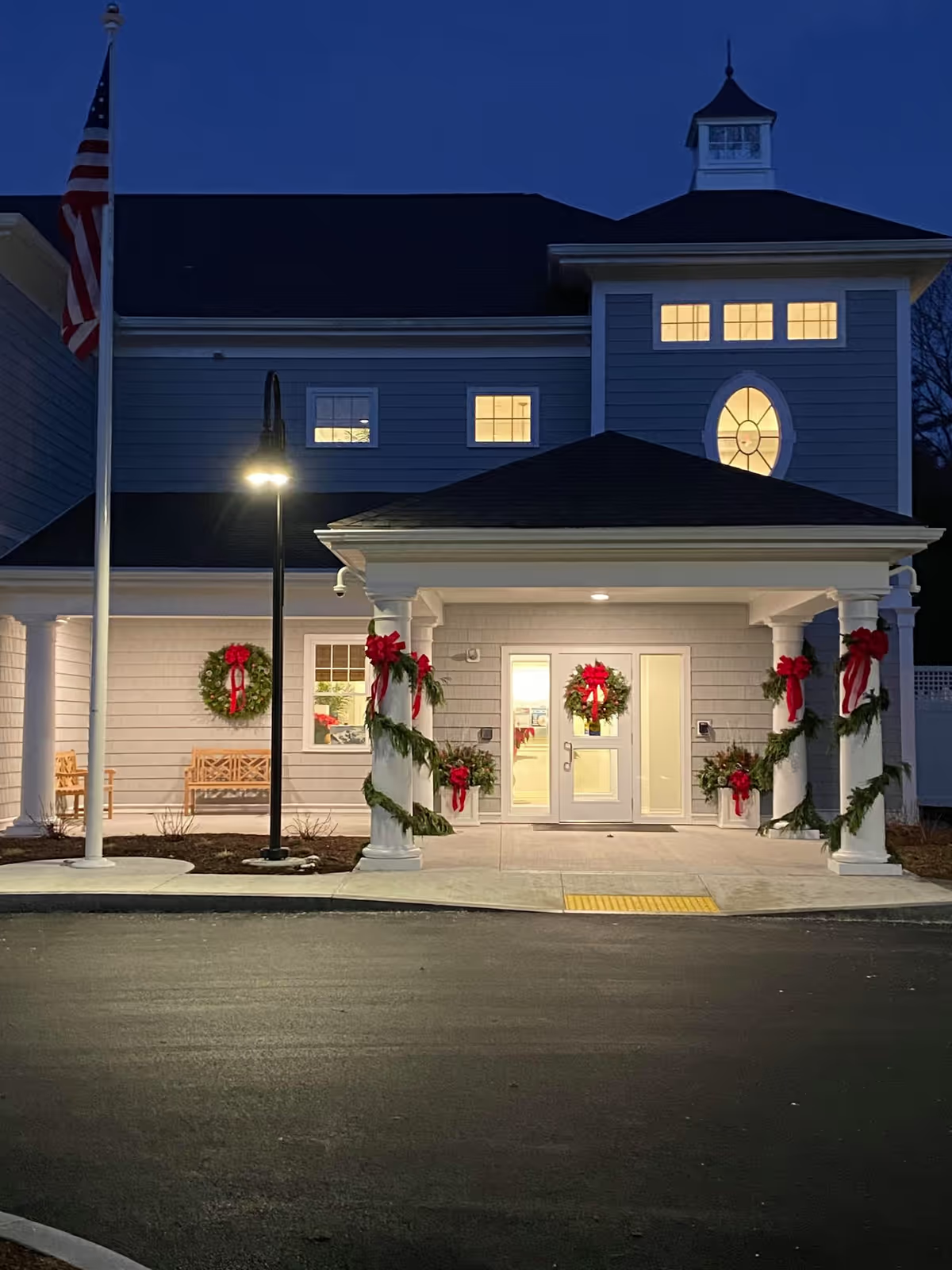
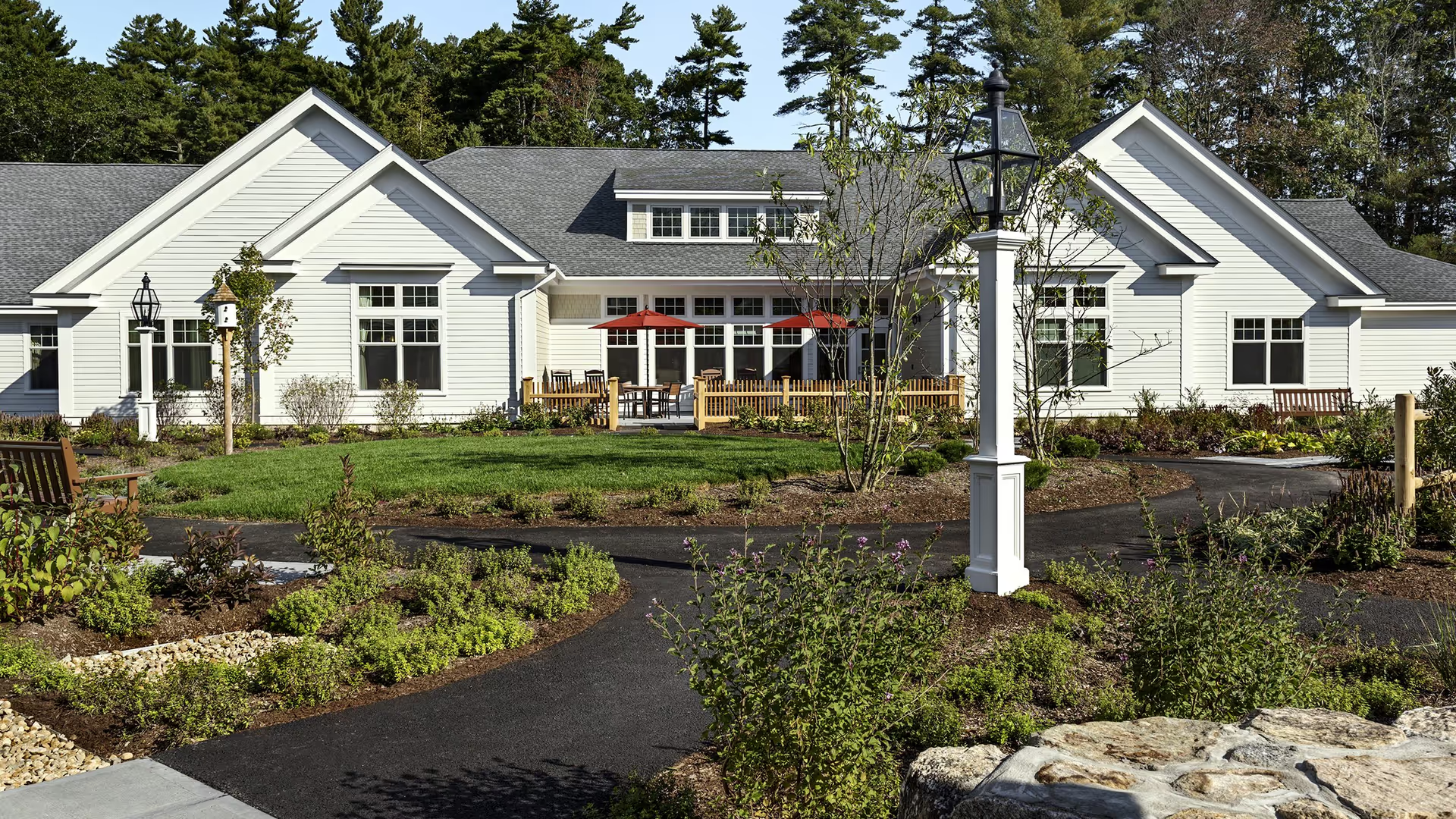
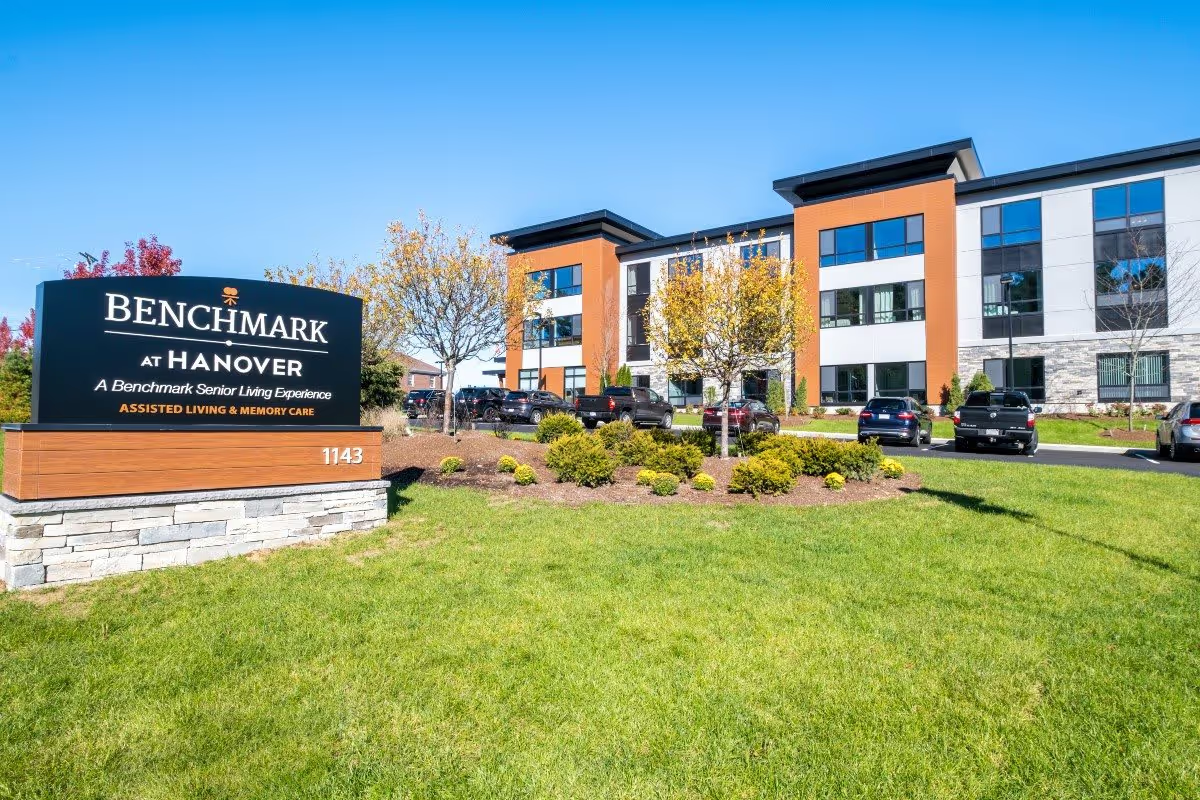
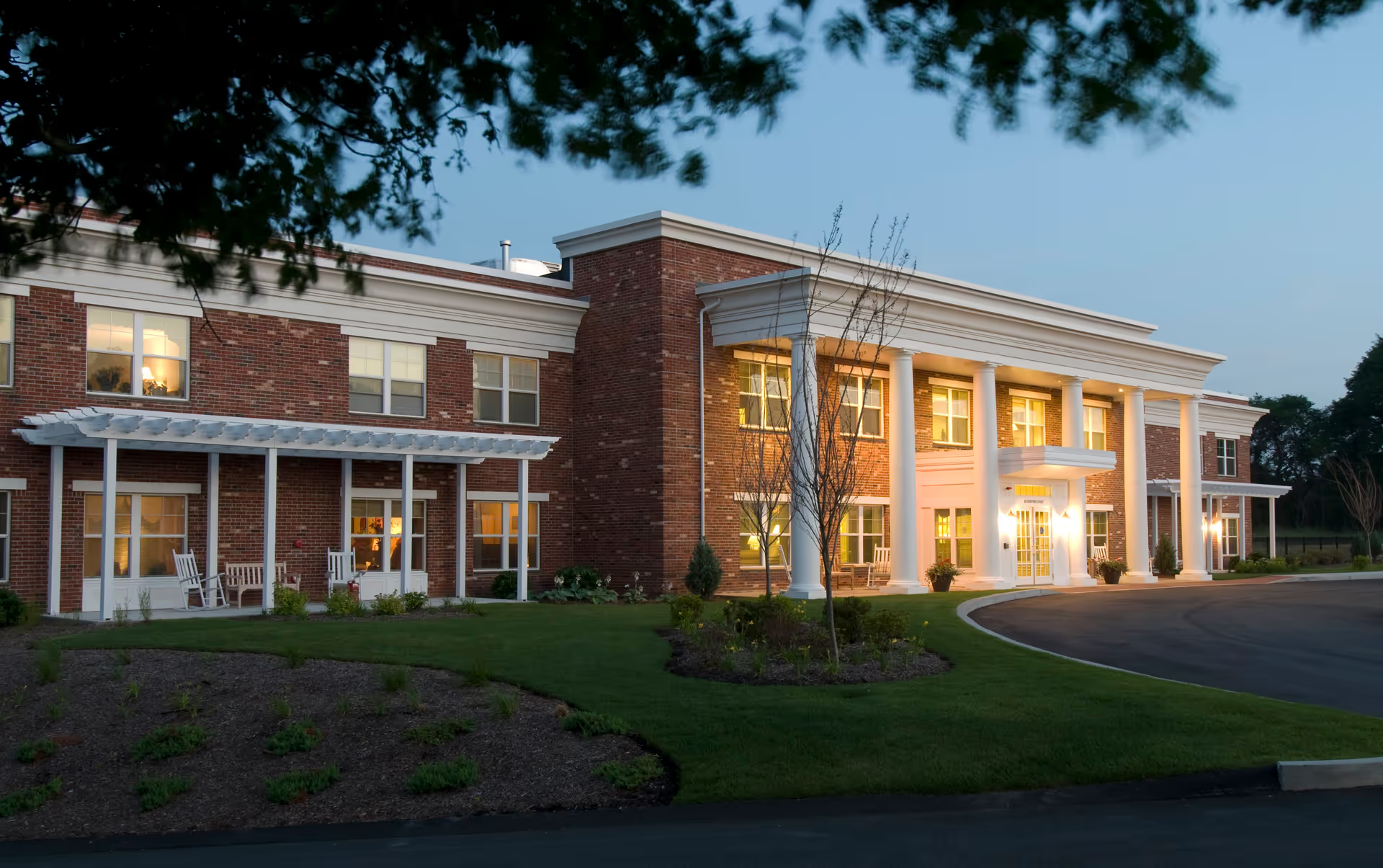
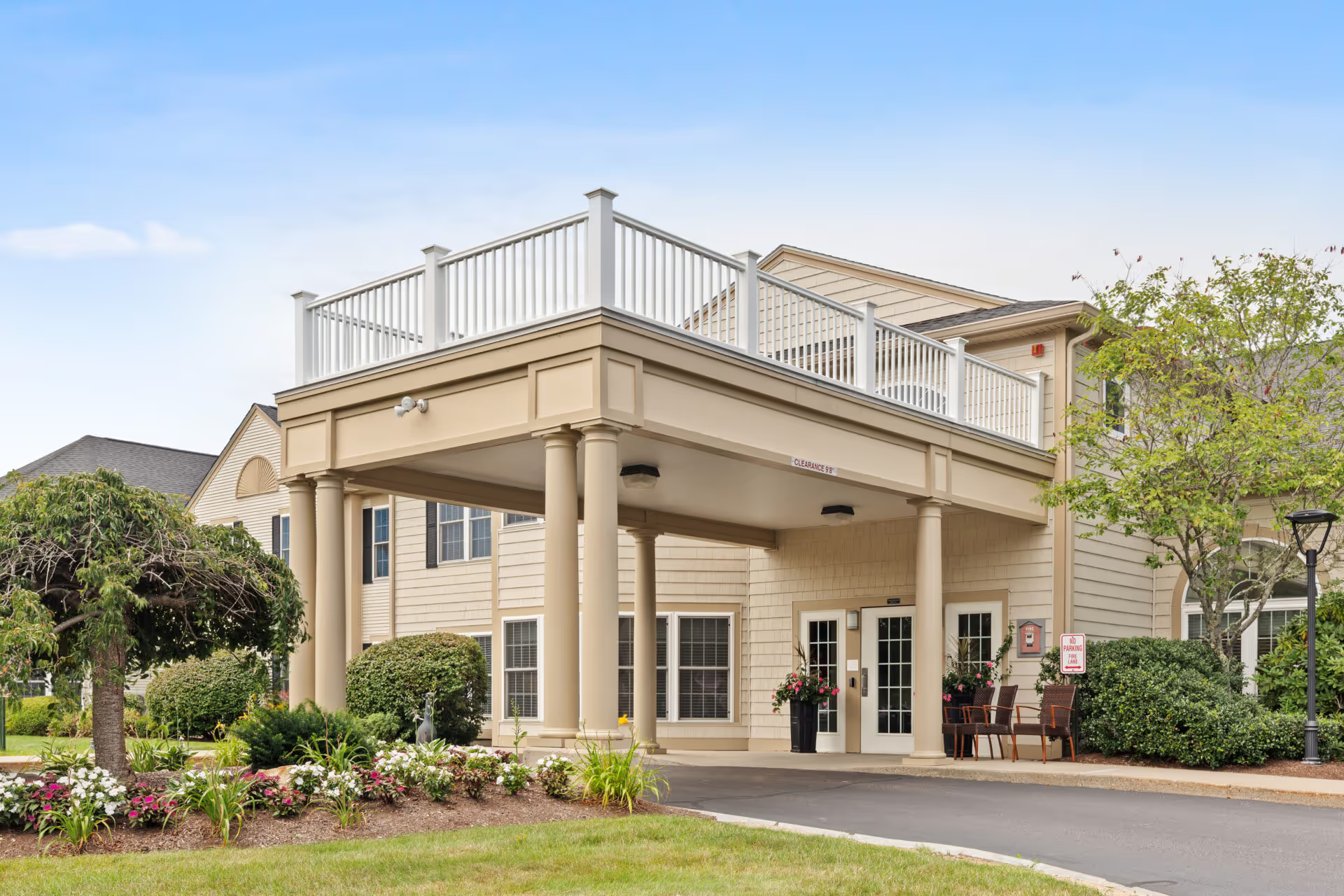
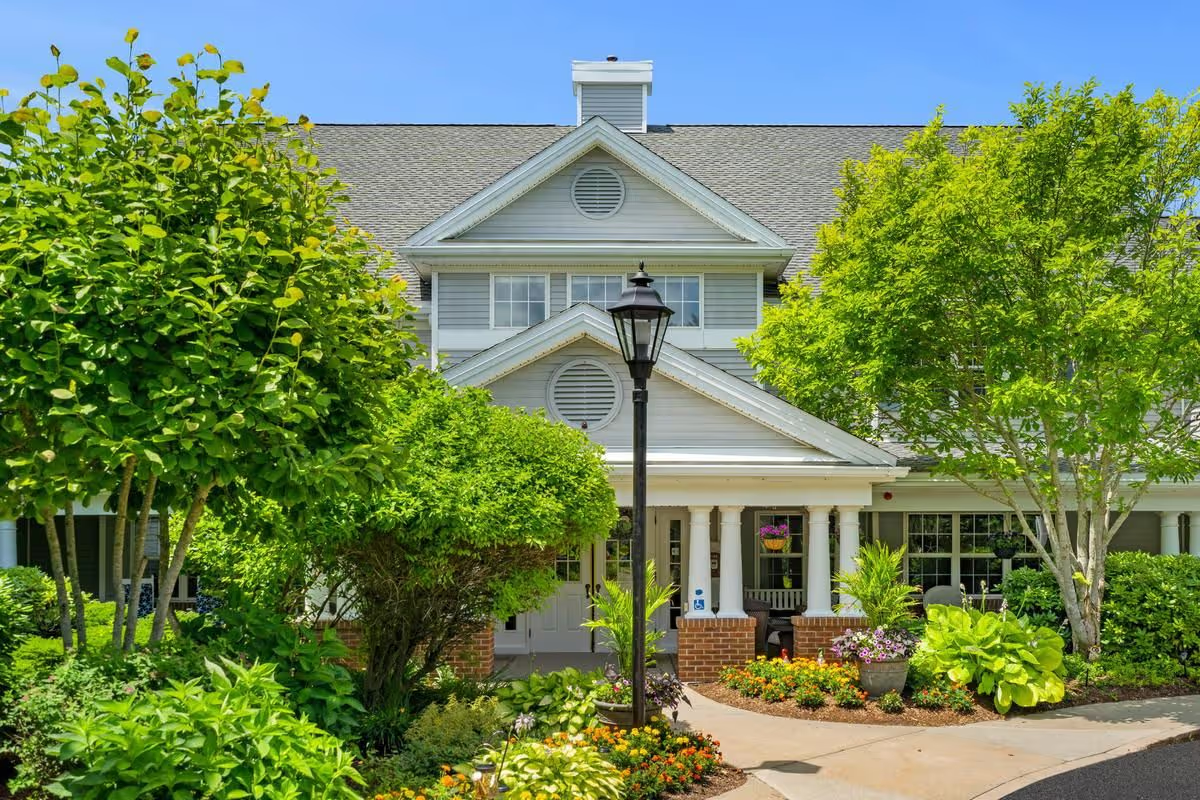
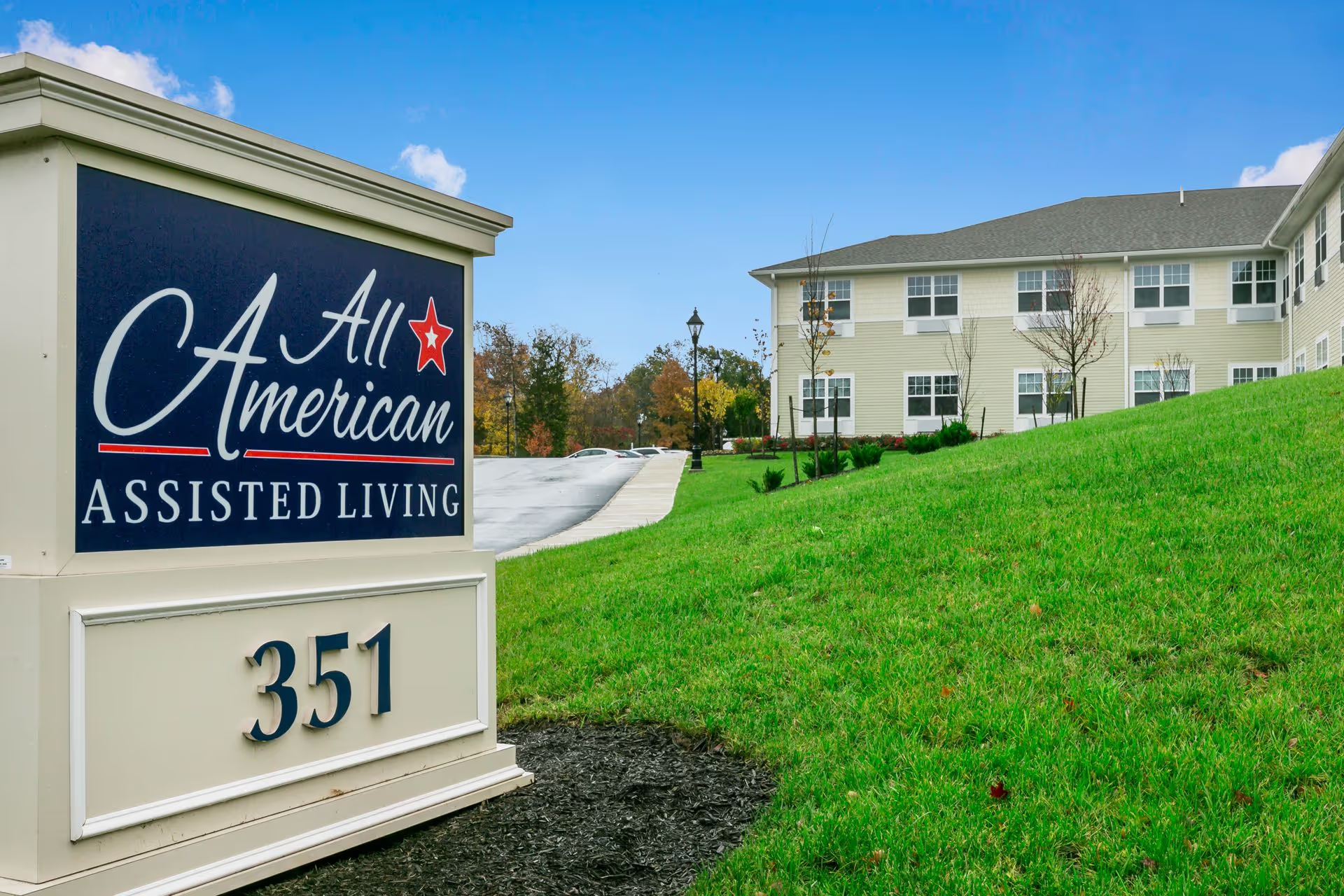
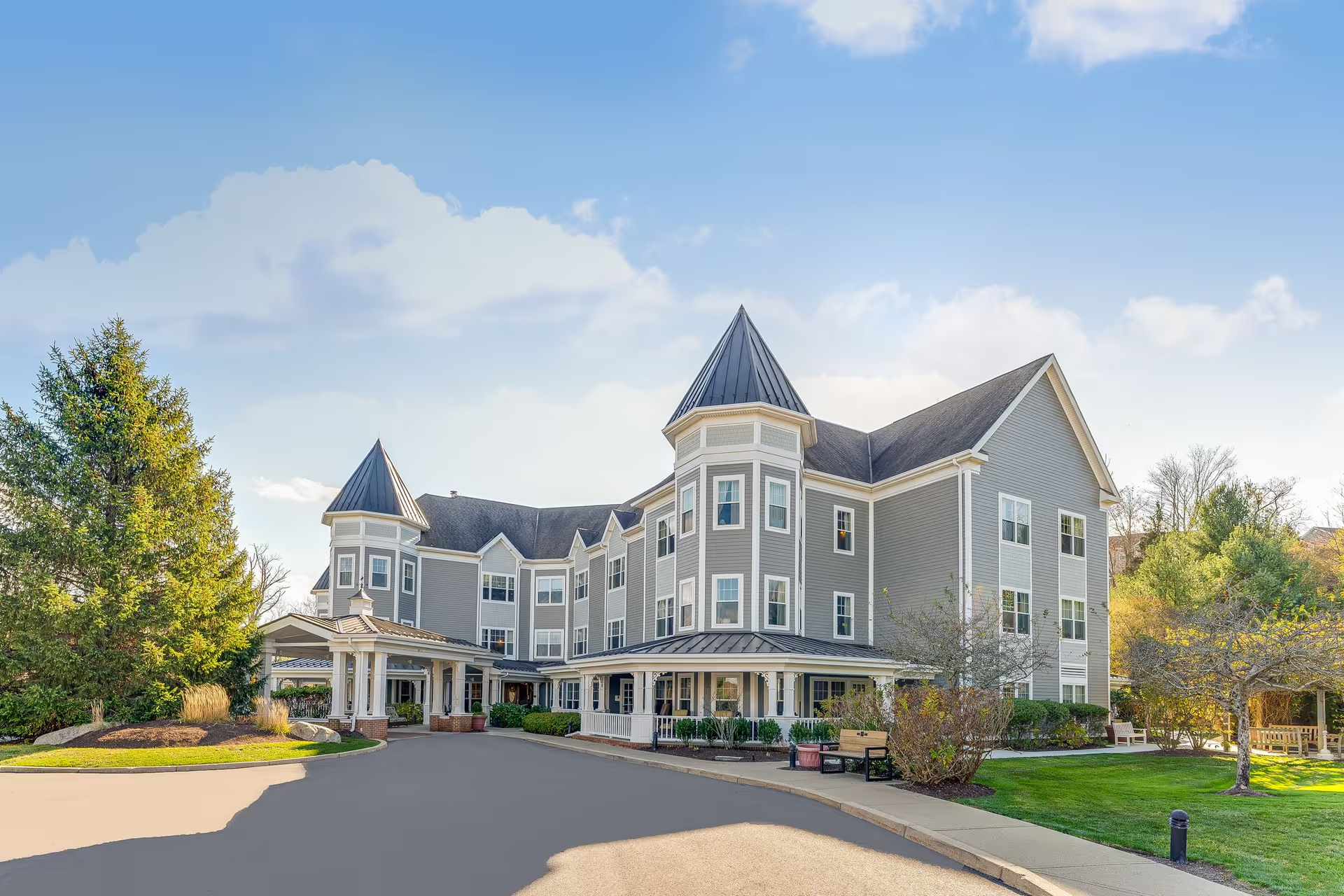
Overall impression: The feedback presents a mixed picture. The property is repeatedly praised for its attractive apartments, well-kept grounds, and an on-site wellness and fitness center in a relatively new or recently updated facility. Many comments emphasize a friendly resident population, diligent maintenance personnel when they respond, clean common areas, and pricing that some find affordable, leading some families to describe the community as a good fit for older adults.
Care and staff: Staff and maintenance are described positively in several comments — courteous interactions and visible maintenance effort are strengths. At the same time, operational responsiveness appears inconsistent: there are multiple references to slow or unreliable responses from management and periods when the office is difficult to reach. These administrative responsiveness gaps can affect continuity of care and family communication and should be clarified with management during a visit.
Dining and in-unit facilities: Reviews identify functional issues with in-unit kitchens and appliances — sanitation inconsistencies in cupboards, noisy refrigerators, appliances that are faulty, and electrical problems that have impacted lights or cooking ability. These indicate variability in unit-level upkeep and building electrical reliability. Prospective residents should verify the condition of specific units, appliance warranties, and the expected timeline for maintenance requests.
Activities and wellness: The property’s wellness and fitness amenities are a clear positive, but there are requests for more organized activities and expanded hours for the wellness center. Activity programming appears limited or inconsistently organized for residents who want a fuller schedule. Confirm the current activity calendar and wellness-center access hours if those services are important.
Facilities and management patterns: While the physical environment and some staff members receive praise, recurring operational themes include inconsistent policy enforcement (including lease and rule administration), problems accessing paperwork and administrative documents, occasional communication or privacy/email errors, and elevators or building systems that have been unreliable. Accessibility and transportation were also noted as limitations, including distance from medical services and constraints during peak travel times. These are facility-level operational considerations that can affect day-to-day living and family coordination.
Recommendation: For prospective residents and families, balance the observable physical strengths (appearance, grounds, fitness center, community atmosphere) against the operational weaknesses. During a visit, examine a sample unit for kitchen and electrical function, ask for examples of maintenance turnaround times and policy-enforcement practices, request the current activity schedule and wellness-center hours, and verify transportation options to medical providers. Clarifying these operational commitments in writing will help set expectations about responsiveness, maintenance, and administrative access.