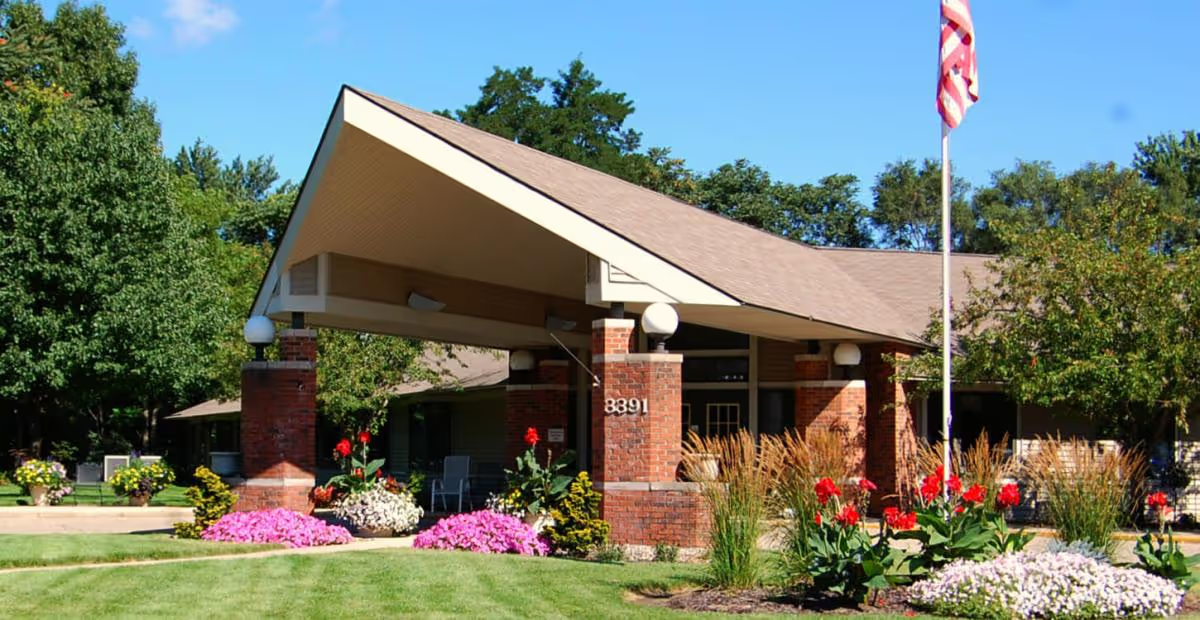
Overall impression StoryPoint Grand Rapids West presents as a socially active, service-oriented senior living community with a consistently praised staff culture. Families and residents commonly describe staff as caring, personable, and willing to go beyond basic duties to support residents’ social and emotional needs. Common areas, grounds, and many apartment units are described as clean and well kept, and the facility offers a broad menu of activities, events, and transportation services that support social engagement and independent living.
Care and clinical services The community offers onsite medical and wellness resources, including 24/7 staff availability, a medic-alert option at no fee, and the ability to use external home-health providers. Reviewers highlighted strong care coordination in some cases and named specific staff members for positive clinical leadership. At the same time, recurring staffing shortages and high turnover were noted; families should understand how those staffing patterns affect hands-on assistance, response times, and clinical continuity for an individual resident. Several comments also referenced frequent ambulance visits for certain residents, which suggests families should review clinical policies and emergency protocols during a tour.
Staff and management Staff interactions and day-to-day rapport with residents are consistently described as a core strength: friendly admissions, attentive activity staff, and maintenance that responds promptly. However, reviewers also described operational instability at the leadership level, with rotating on-site managers and new ownership creating uncertainty. Separate concerns relate to corporate-level practices—particularly billing and move-out accounting—where families reported delayed or unclear credits and contract-termination billing issues. Prospective residents should clarify contract terms, billing procedures, and the community’s escalation process for unresolved financial questions.
Dining and activities The activity program is a strong selling point: regular classes, religious groups, crafts, exercise, concerts, trips, and holiday events generate high resident participation and a palpable sense of community. There were remarks that the activity mix may not appeal equally to every demographic (for example, younger residents with higher physical needs or differing interests). Dining receives mixed-but-often-positive comments: many enjoy the food and menu variety, while others cite variable meal quality, over-seasoning, portioning concerns, occasional overcooked items, and inconsistent meal delivery to apartments. Clarify meal inclusions and delivery expectations, as families noted occasional discrepancies between written menus and delivered meals and some confusion about the number of included meals relative to pricing.
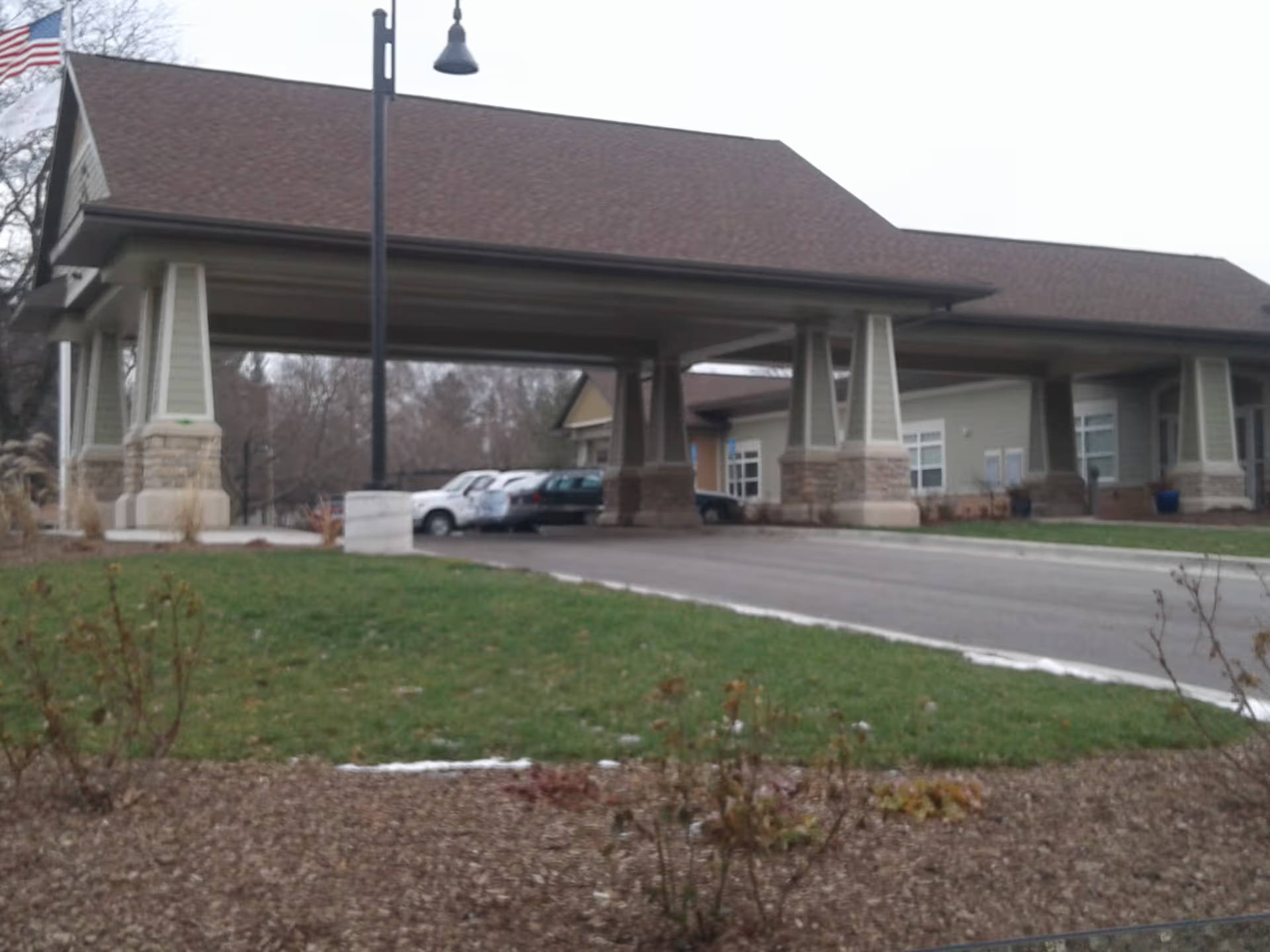
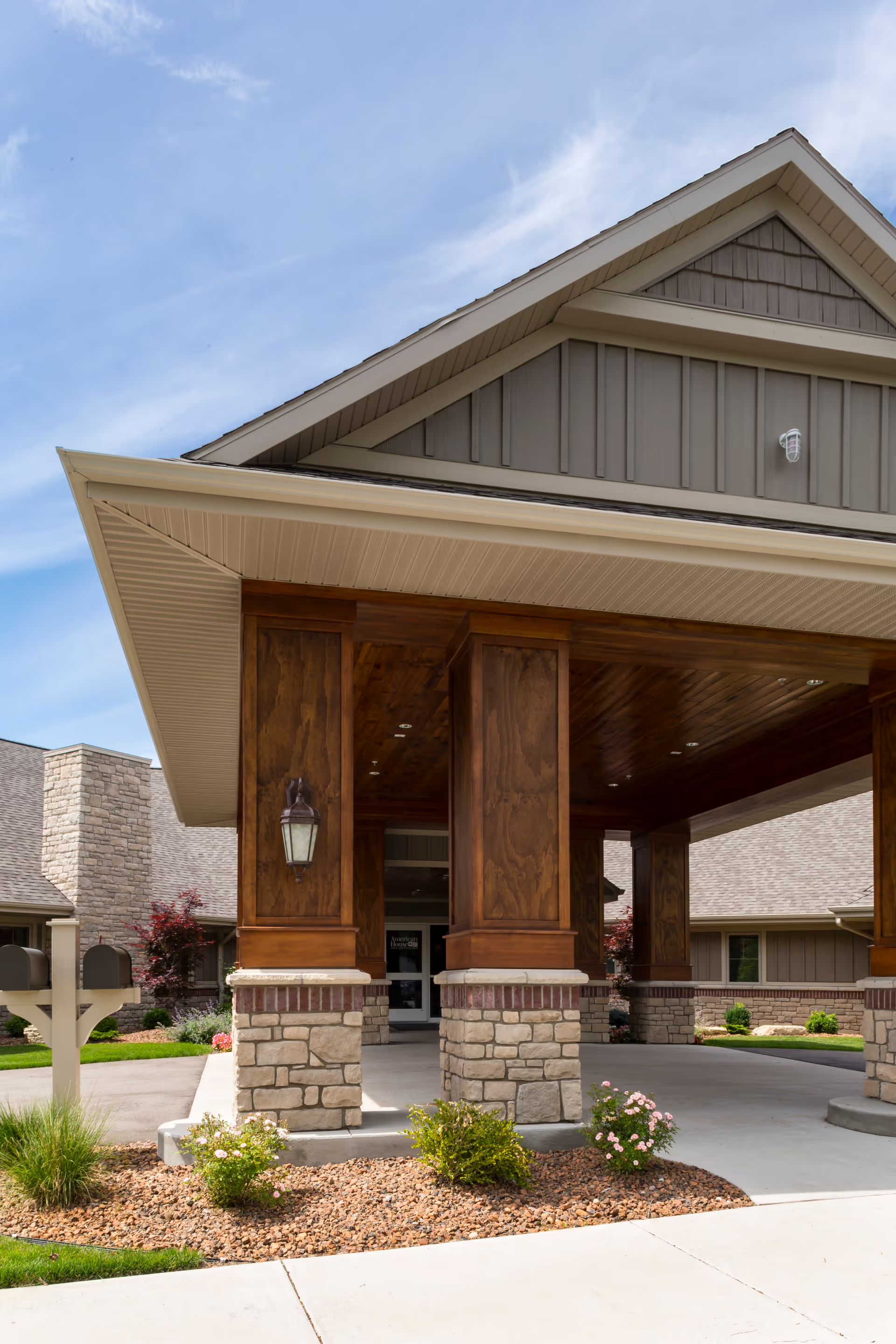
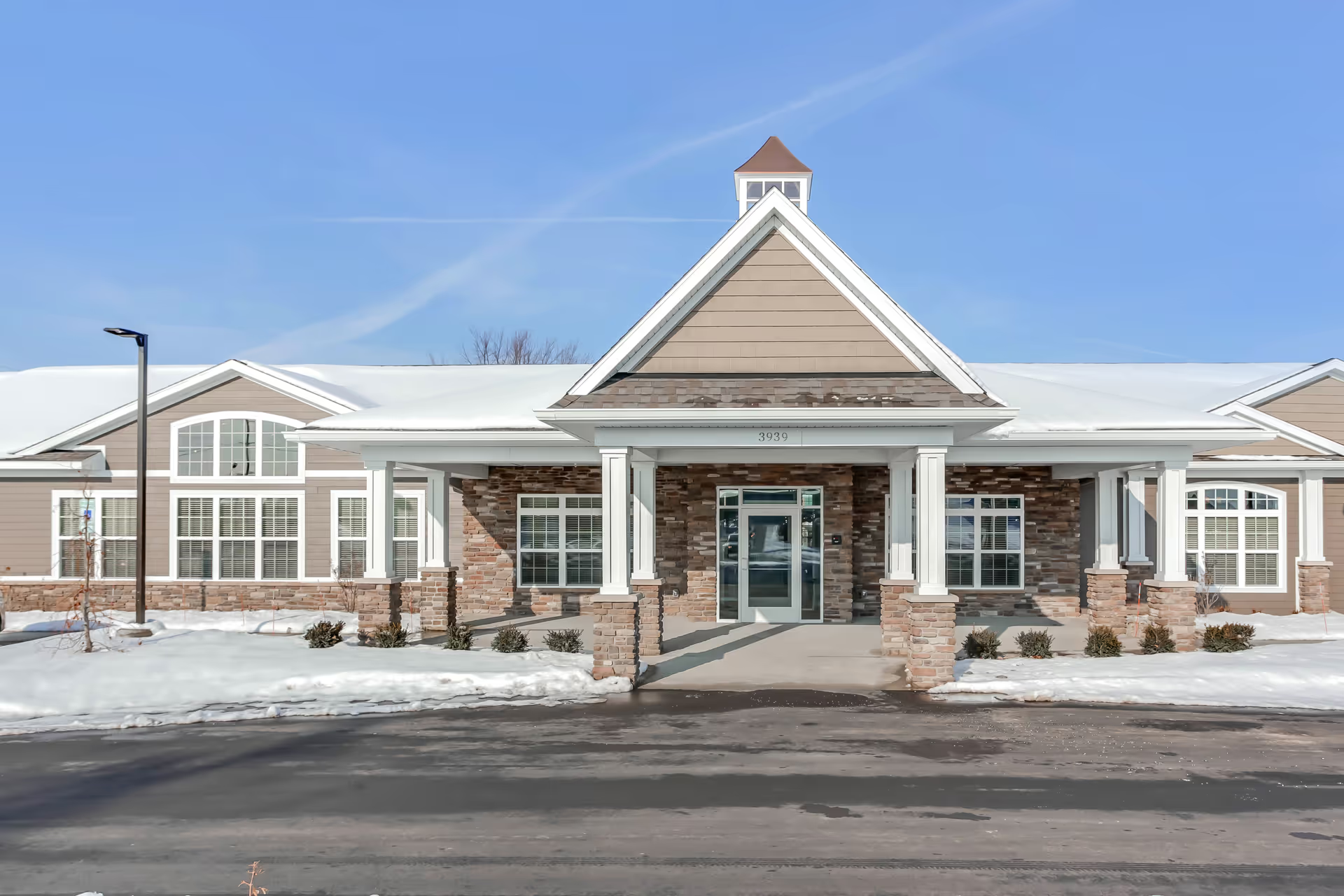
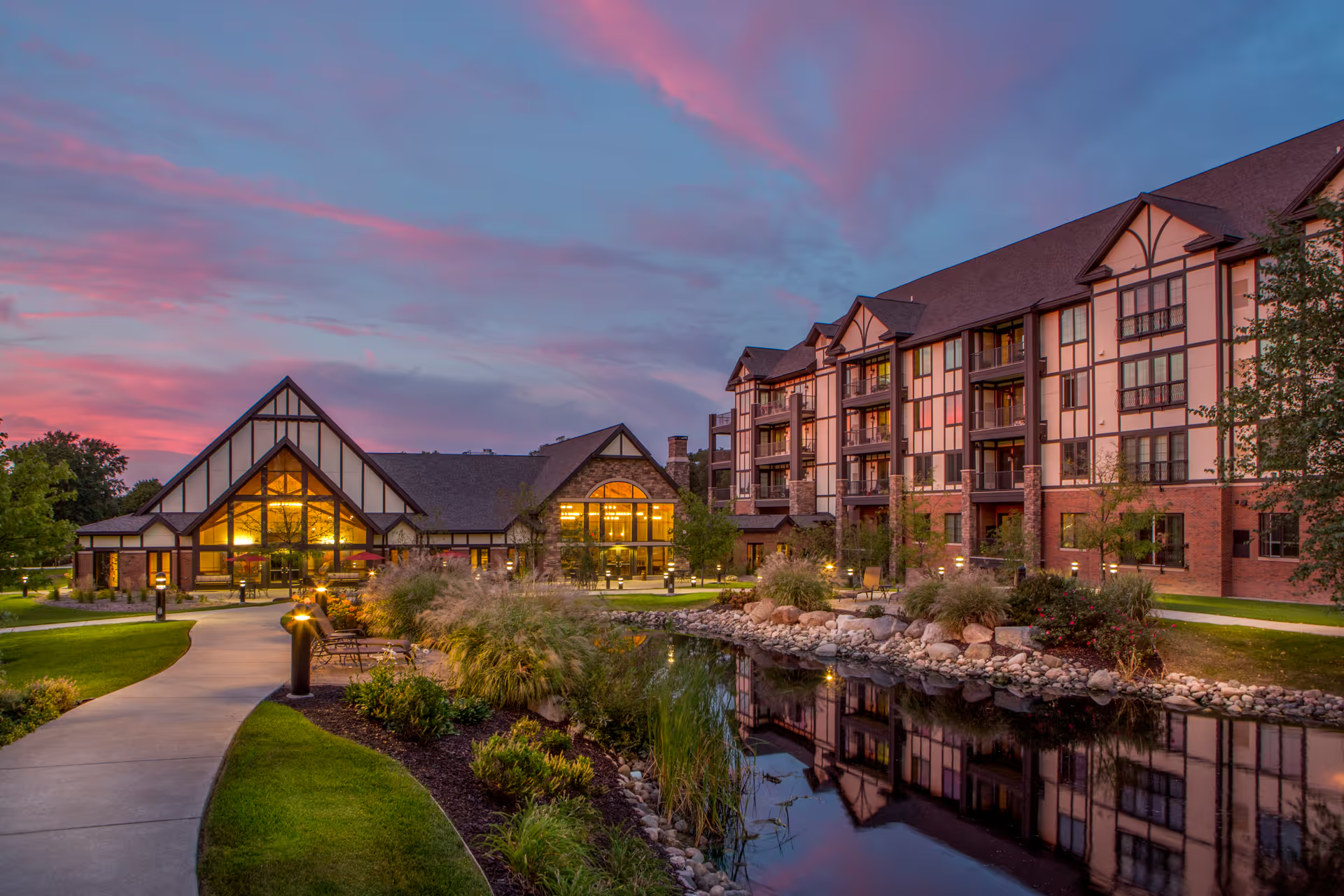
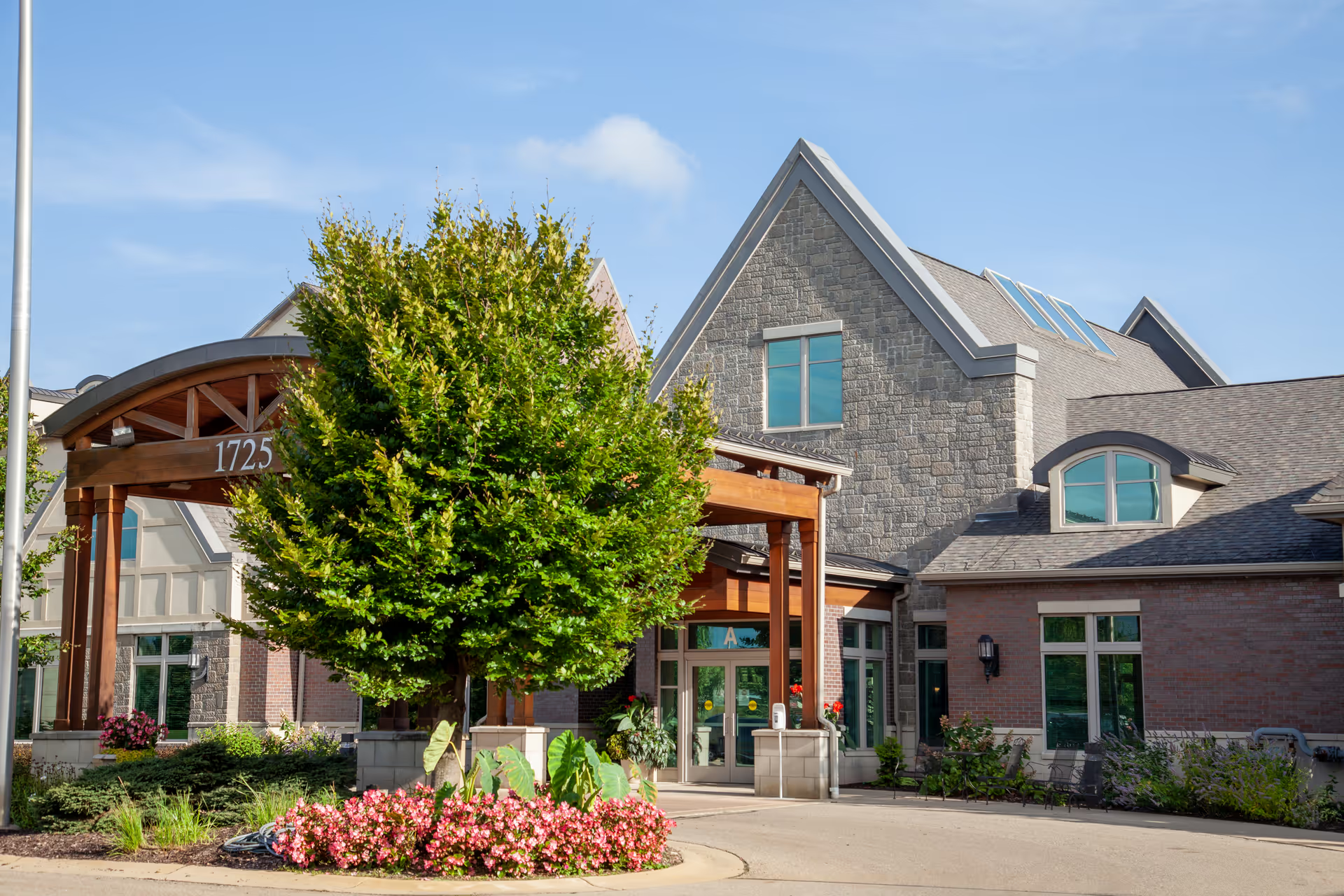
Facilities and operations Common areas, landscaping, and grounds are frequently described as attractive and well maintained. At the same time, the building is characterized as older in places and in need of periodic renovation; reviewers flagged deferred capital improvements such as parking-lot repairs and aging finishes. In-unit amenities have some variability: light housekeeping and laundry of personal clothing are routine, linens are supplied and changed on a schedule, but internet service is not uniformly available in all apartments and requests for connectivity have gone unmet in some cases. Safety-preparedness is another operational area to confirm—several families observed a lack of regular, practiced safety drills and recommended verifying the facility’s emergency training and drill schedule.
Notable patterns and practical advice A clear pattern in the reviews is the centrality of staff–resident relationships and the activities program to resident satisfaction. When those elements are strong, families describe a warm, family-like environment and steady resident engagement. Conversely, frustrations tend to cluster around operational systems: staffing stability, meal consistency, building maintenance, in-unit internet, and corporate billing/contract clarity. Prospective residents and families should prioritize an in-person tour that includes: (1) a meeting with the wellness director to review clinical services and staffing ratios, (2) a review of the written contract and billing cycle, (3) a dining sample and explanation of meal inclusions and delivery policies, (4) verification of internet availability in the specific unit, and (5) a review of emergency-drill schedules and recent maintenance plans. Those steps will help determine whether the community’s strong social and staffing strengths align with an individual’s care and infrastructure needs.