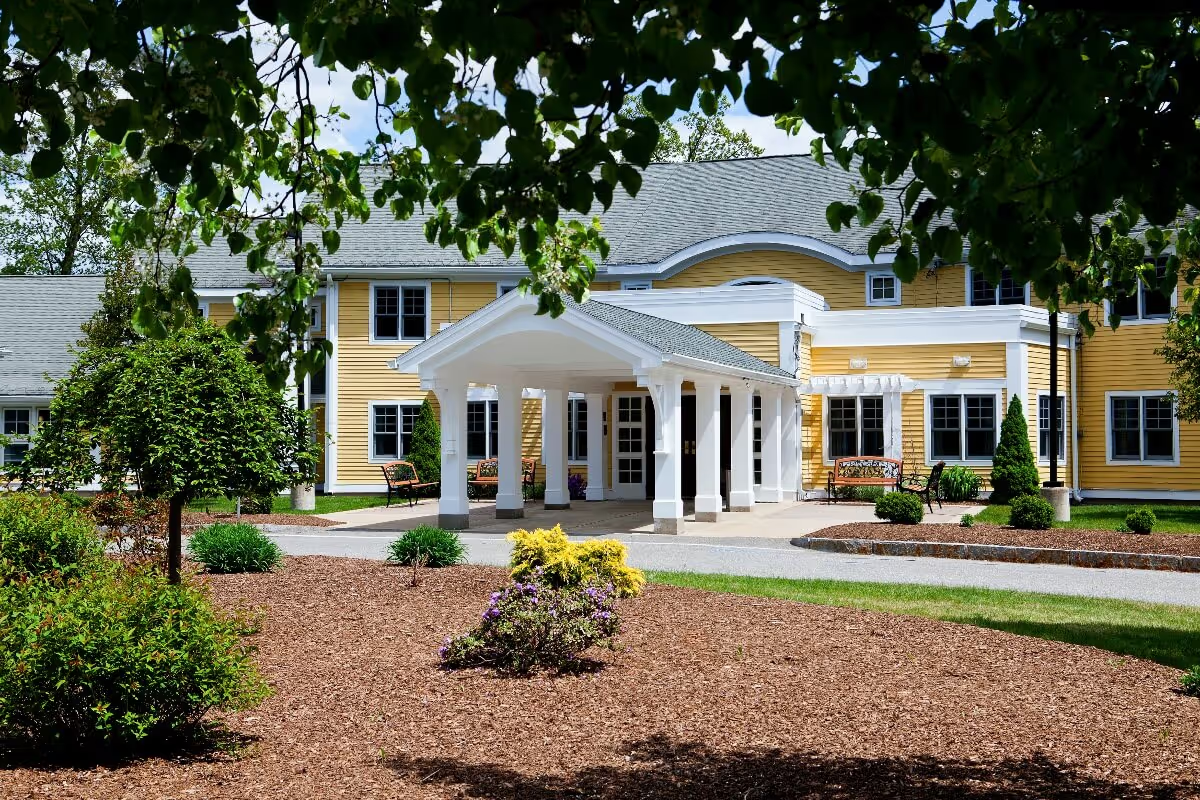
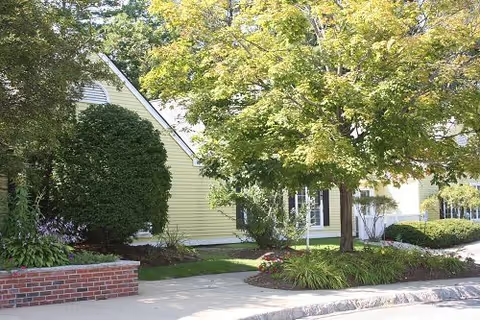
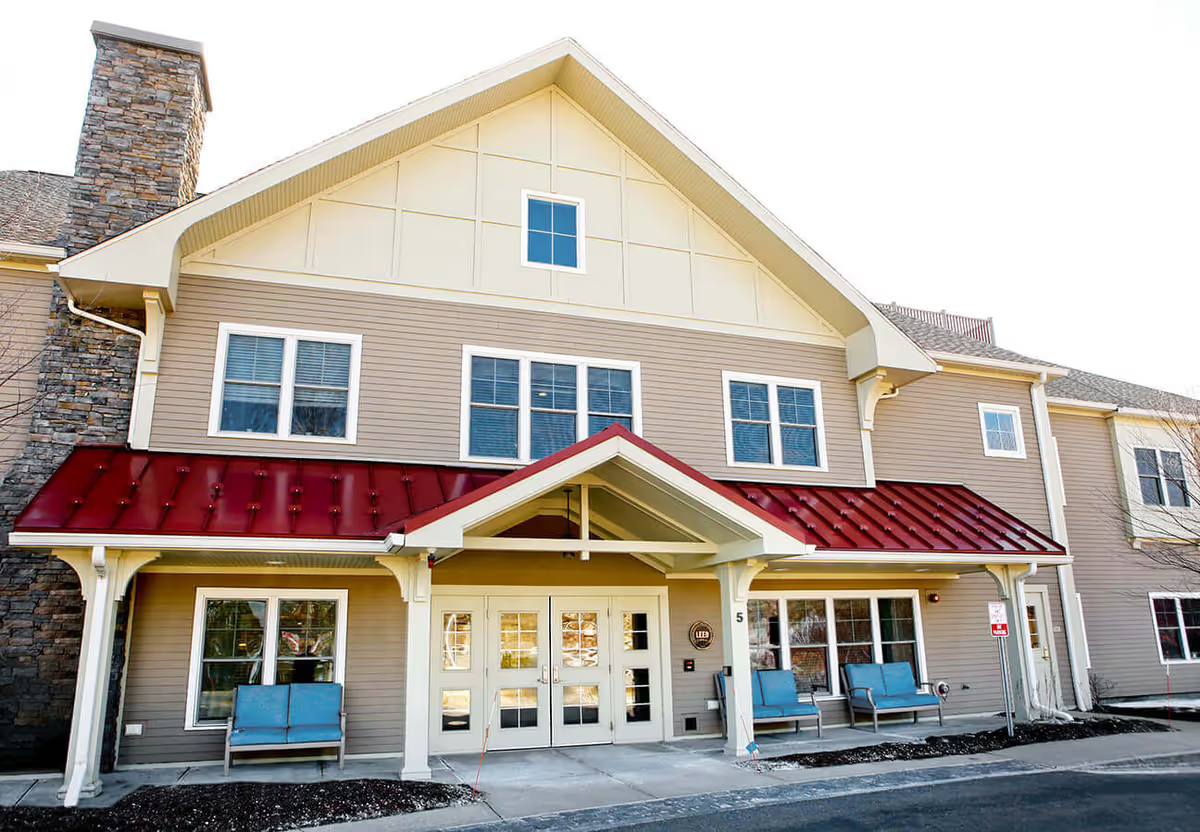
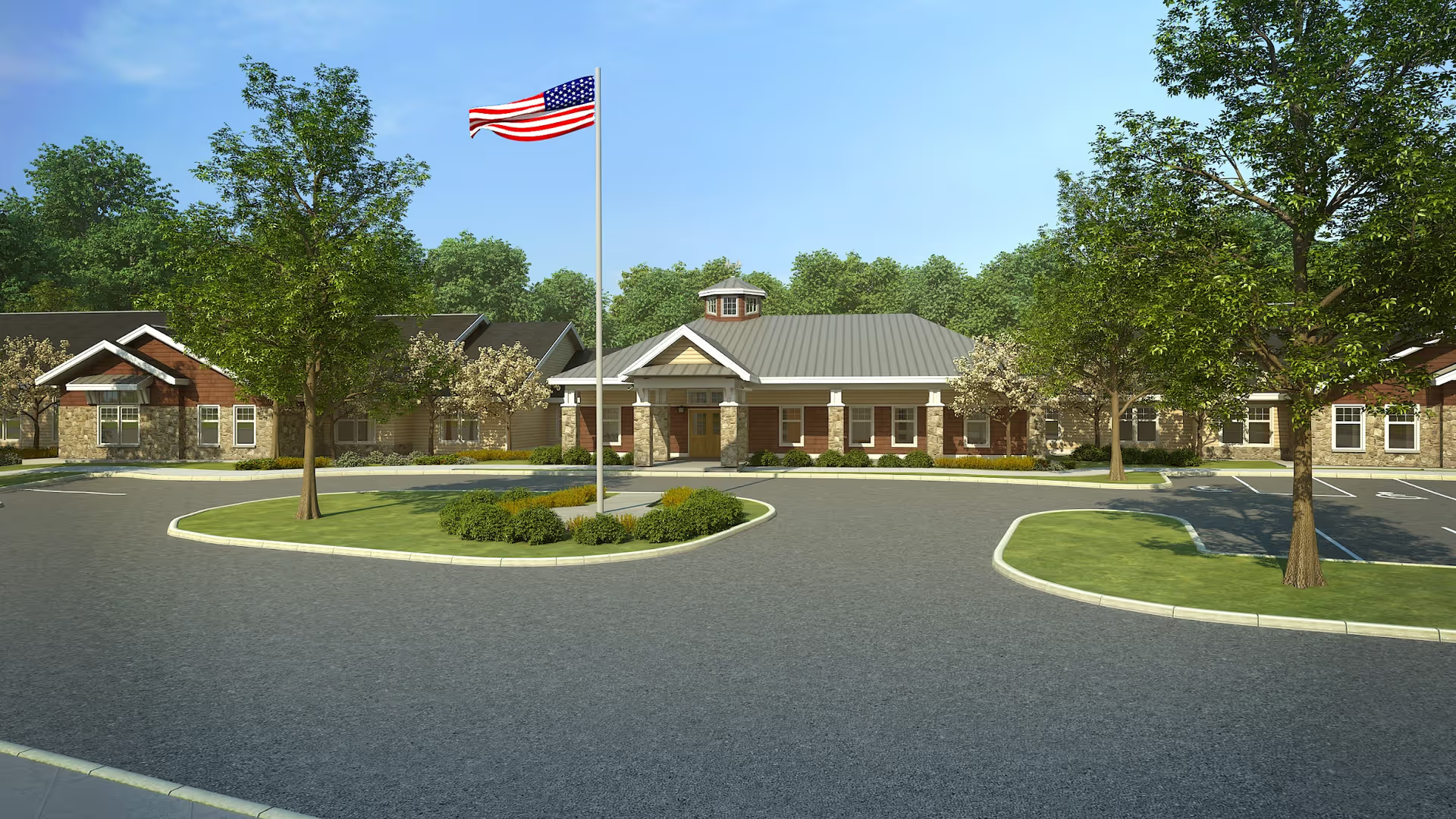
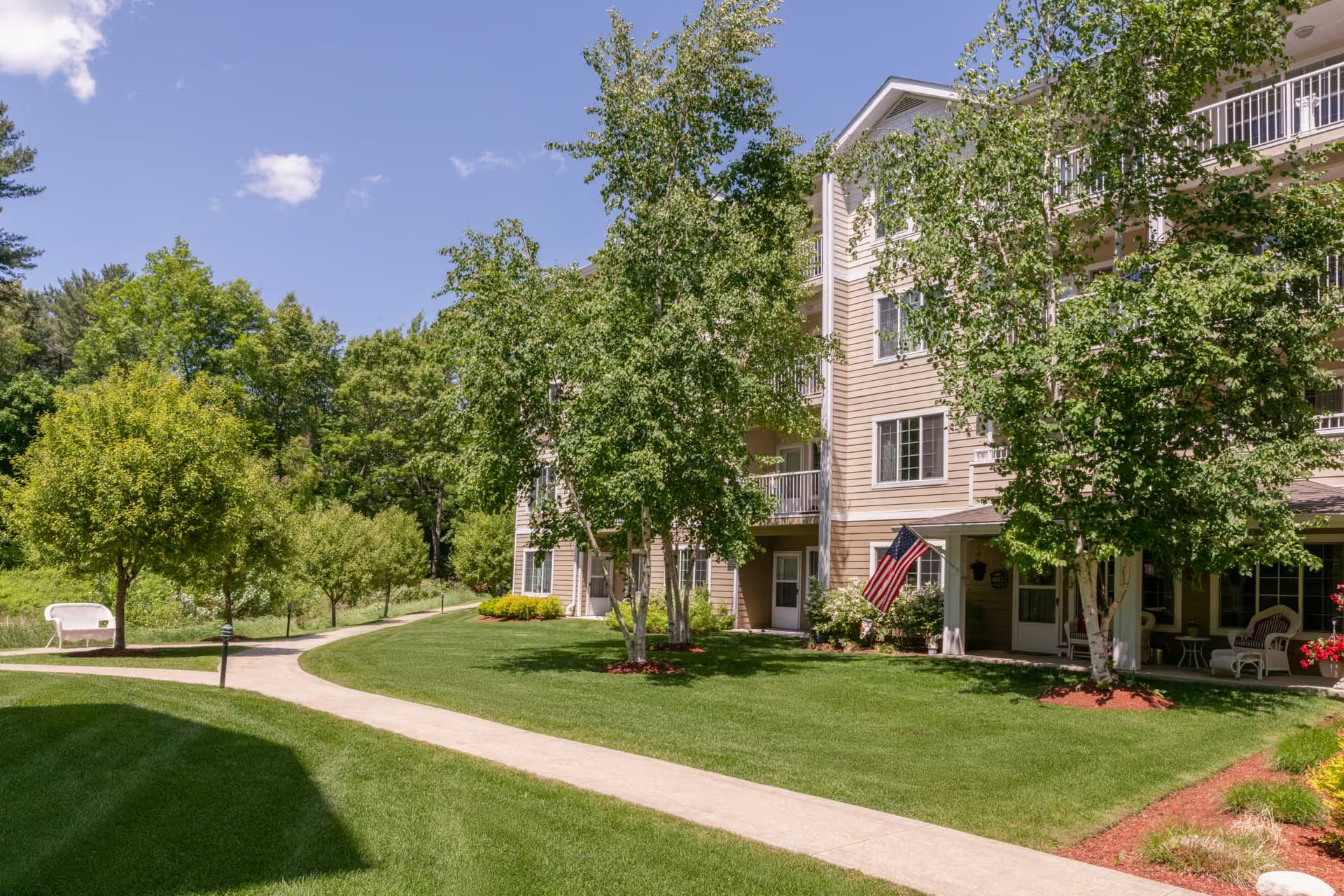
Overall impression: Merrimack Meadows presents as a well-kept, active community with townhouse-style units and several on-site amenities. Reviewers consistently highlight tidy grounds, functioning facilities, and communal spaces that support social activity. The property’s proximity to nearby services and its walkable, quiet setting are cited as strengths that appeal to prospective independent-living residents.
Staff and care: Feedback describes on-site management as responsive in individual cases, with at least one property manager singled out for timely assistance during a difficult situation. There is limited information about clinical or medical care services in the summaries provided; prospective residents seeking health-support services should request specific details about clinical staffing, emergency response procedures, and medication/medical support capabilities during a tour or intake conversation.
Dining and activities: There are positive notes about an active programming space and organized activities in a community function room. Fitness-oriented amenities such as an exercise room and a heated pool are available, supporting an engaged lifestyle. Dining services are not described in the provided material; interested parties should ask about meal options, dining locations, schedules, and costs if food service is an important factor.
Facilities and environment: The property is described as well maintained, with townhouse layouts, a heated pool, and fitness facilities. Reviewers emphasize a friendly resident atmosphere and a quiet environment that many find desirable. These physical-plant strengths suggest a community oriented toward independent, active living.
Management and operational patterns: Reviews present a mixed picture of management. While individual staff members have been praised for responsiveness, there are also recurring operational concerns. Key issues include limited transparency around lease terms and community policies, ambiguity or inconsistent enforcement related to a stated 55+ designation, and gaps in waste-management systems. These operational weaknesses have manifested as constrained dumpster capacity, overflow or inadequate handling of outdoor waste, and resultant cleanliness concerns in some common or exterior areas.
Notable patterns and guidance for prospective residents: The strongest consistent positives are facility upkeep, active programming, and an engaged resident community; the most consistent negatives are operational—centered on policy transparency, age-restriction clarity, and waste/cleanliness management. Prospective residents and families should (1) request and review lease documents and community rules in writing, (2) clarify the property’s policy and enforcement regarding age restrictions, (3) inspect outdoor common areas and dumpster locations during different times of day, and (4) meet or speak with on-site management about housekeeping, groundskeeping, and waste-disposal schedules. Asking about routine cleaning protocols and escalation pathways for maintenance or sanitation issues will help determine whether the community’s operational practices meet individual expectations.