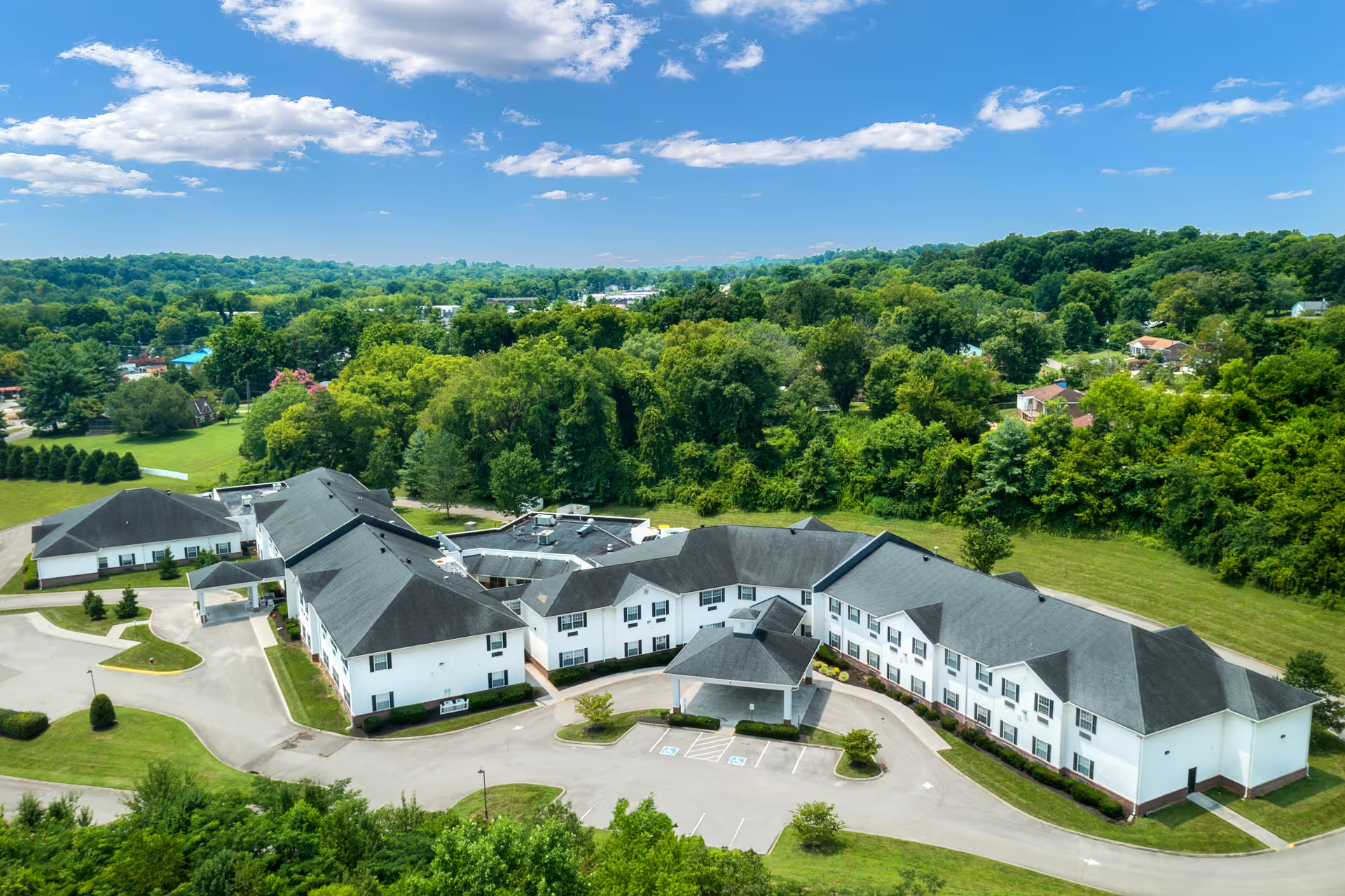
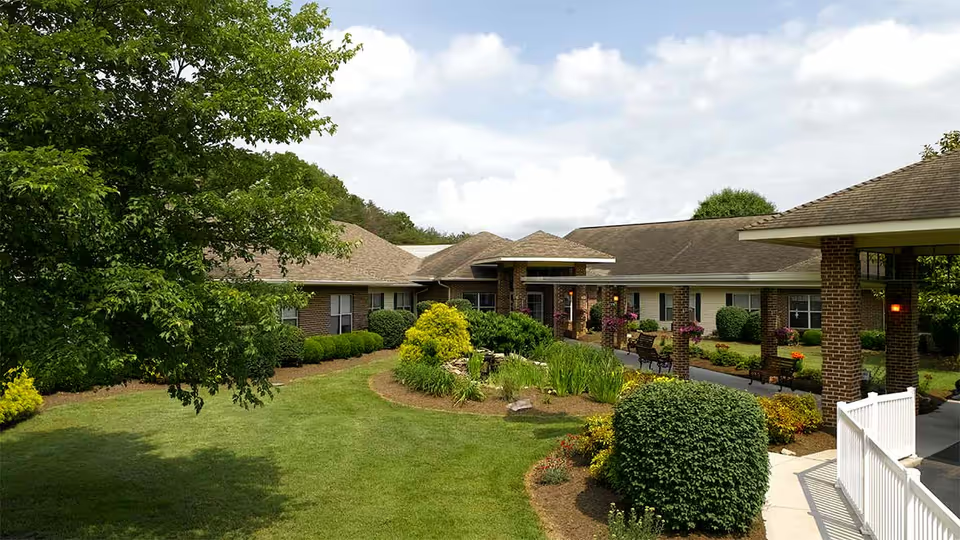
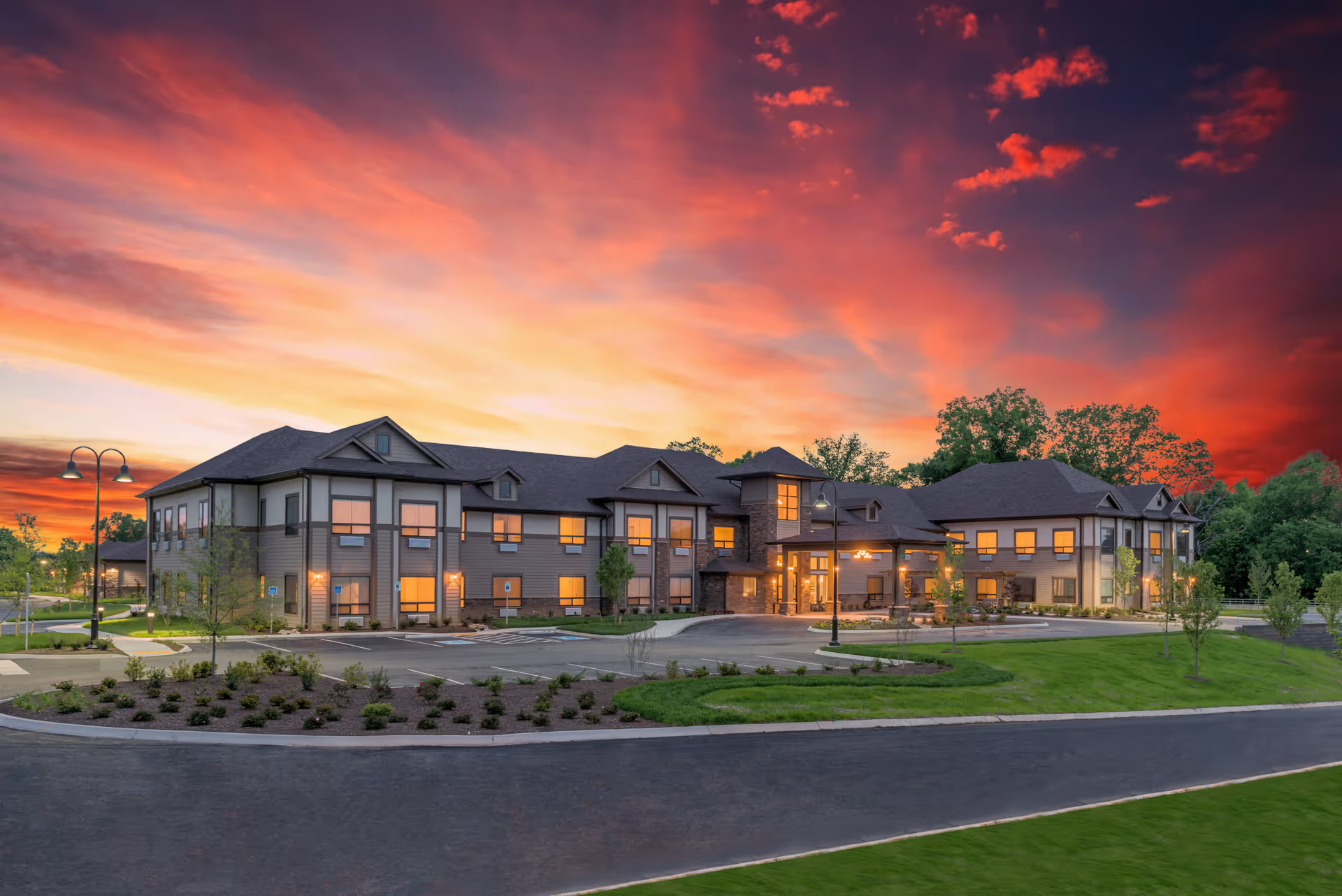
The reviews describe a facility with notable operational and environmental concerns that prospective residents and families should evaluate carefully. On care quality, reviewers raised issues with timeliness of response — specifically, delays in staff attending to falls and extended times to locate residents. These point to gaps in emergency-response protocols and resident-monitoring processes rather than single isolated events. There is limited direct information about clinical care practices (medication management, ADL assistance) beyond responsiveness concerns, so families should request clarification on staffing ratios, response-time policies, and incident-reporting procedures during a tour.
Staff-related comments indicate mixed impressions of professionalism and helpfulness. Several accounts describe unhelpful administrative interactions and what reviewers characterized as poor management behavior. These comments suggest inconsistent staff conduct and weaknesses in front-line communication. Conversely, proximity to family and the facility's location were identified as practical advantages by some, which may factor into decision-making when family involvement in care is anticipated.
Dining and activities were not major topics in the submitted summaries. There is little specific feedback about meal quality, menu variety, or the structure of activity programming. Because of that absence, prospective residents should ask for sample menus, activity calendars, and opportunities to observe or attend a program session to assess whether those services meet their expectations.
Facilities-related concerns were more prominent. Reviewers reported ongoing pest-control concerns (involving insects and small mammals), sanitation and odor concerns in both private units and common areas, and episodic loud noise that affected resident comfort. There were also mentions of inspections and cleanup interventions and an example of a substantial cleaning fee (example cited: $1,600). Together these items indicate uneven environmental maintenance and housekeeping processes. Prospective families should review recent pest-control logs, housekeeping schedules, and any facility inspection reports.
Management and administrative practices generated repeated negative remarks. Common themes include unclear or unexpected ancillary charges, limited transparency around billing and fee policies, perceived deficiencies in administrative oversight, and allegedly tolerated unauthorized commercial activity on the premises. These suggest systemic weaknesses in accountability and contract/fee management. Before committing, visitors should request written explanations of all fees, examples of standard move-in/move-out charges, and details on how the facility enforces rules about third-party vendors or outside commercial activity.
Notable patterns across the summaries are a concentration of environmental and operational concerns—pest-control and sanitation issues, emergency-response delays, inconsistent administrative communication, and billing opacity—balanced by pragmatic positives such as location advantages and suitability as an interim placement. Recommended due diligence for prospective residents: inspect units at different times of day, ask about recent pest-control and inspection records, verify emergency response protocols and average response times, obtain a full written fee schedule, and speak with current residents or families about daily life, noise levels, and staff responsiveness. These steps will help determine whether Summit Towers’ current operational profile aligns with a prospective resident’s priorities and safety expectations.