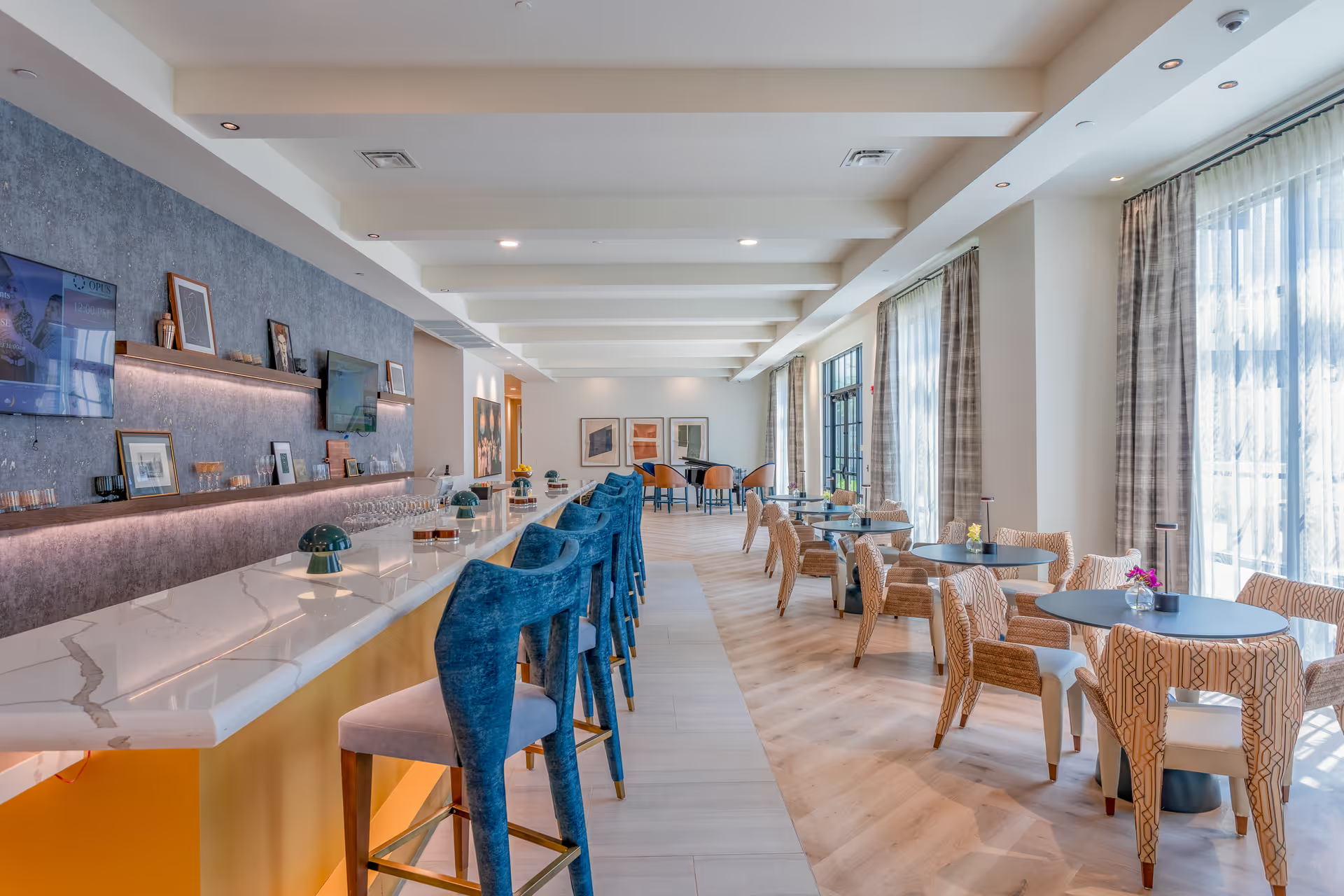
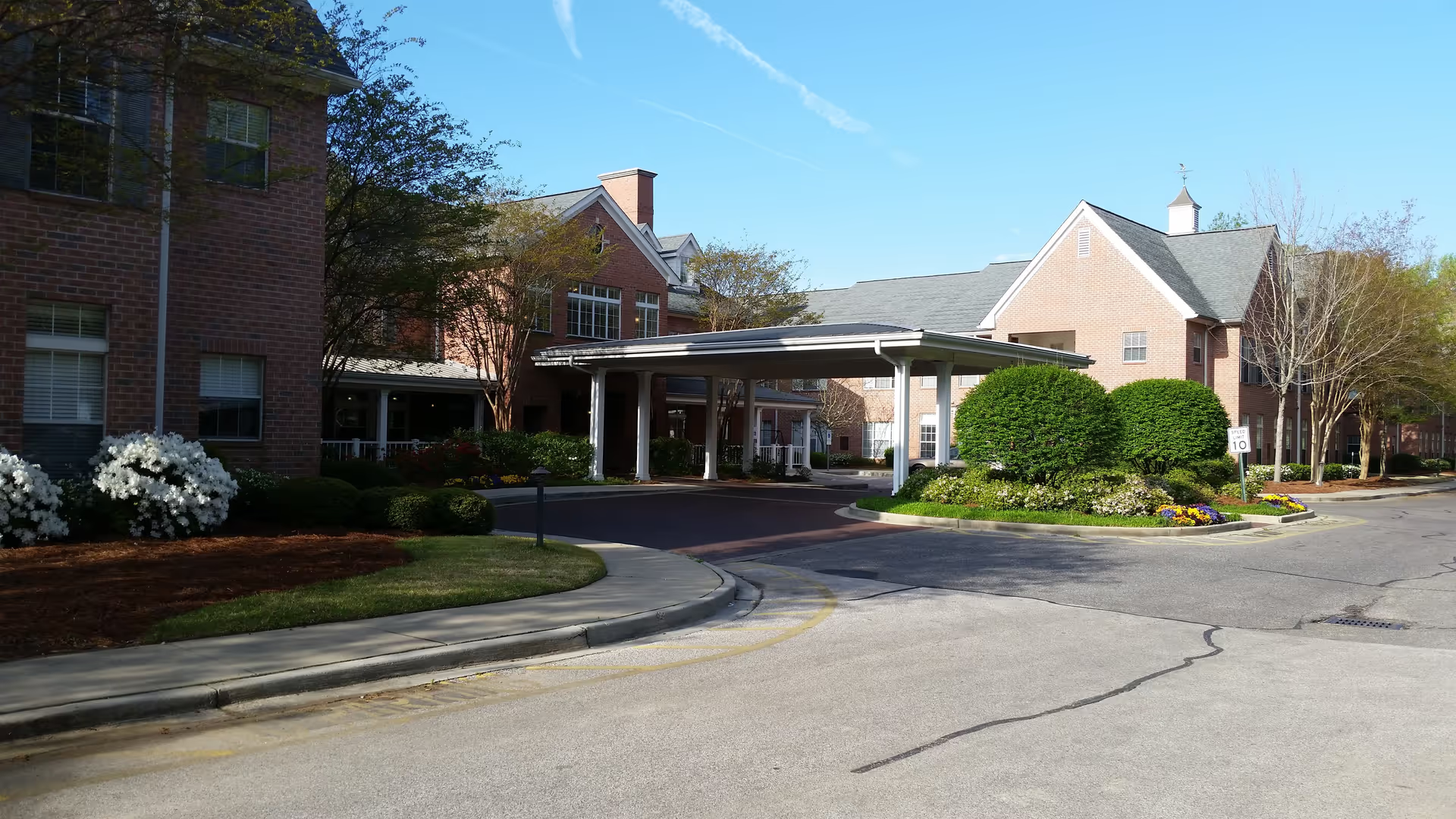
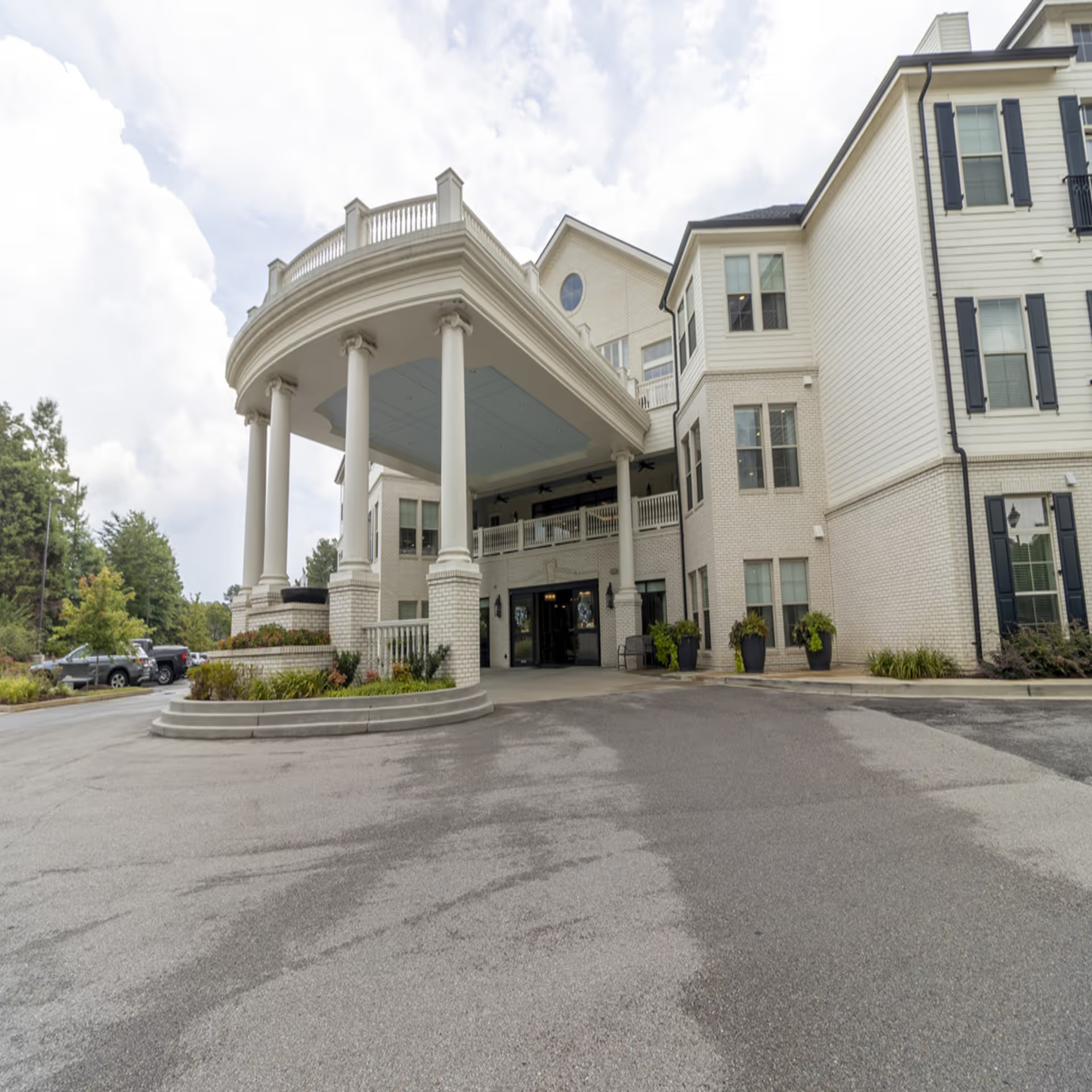
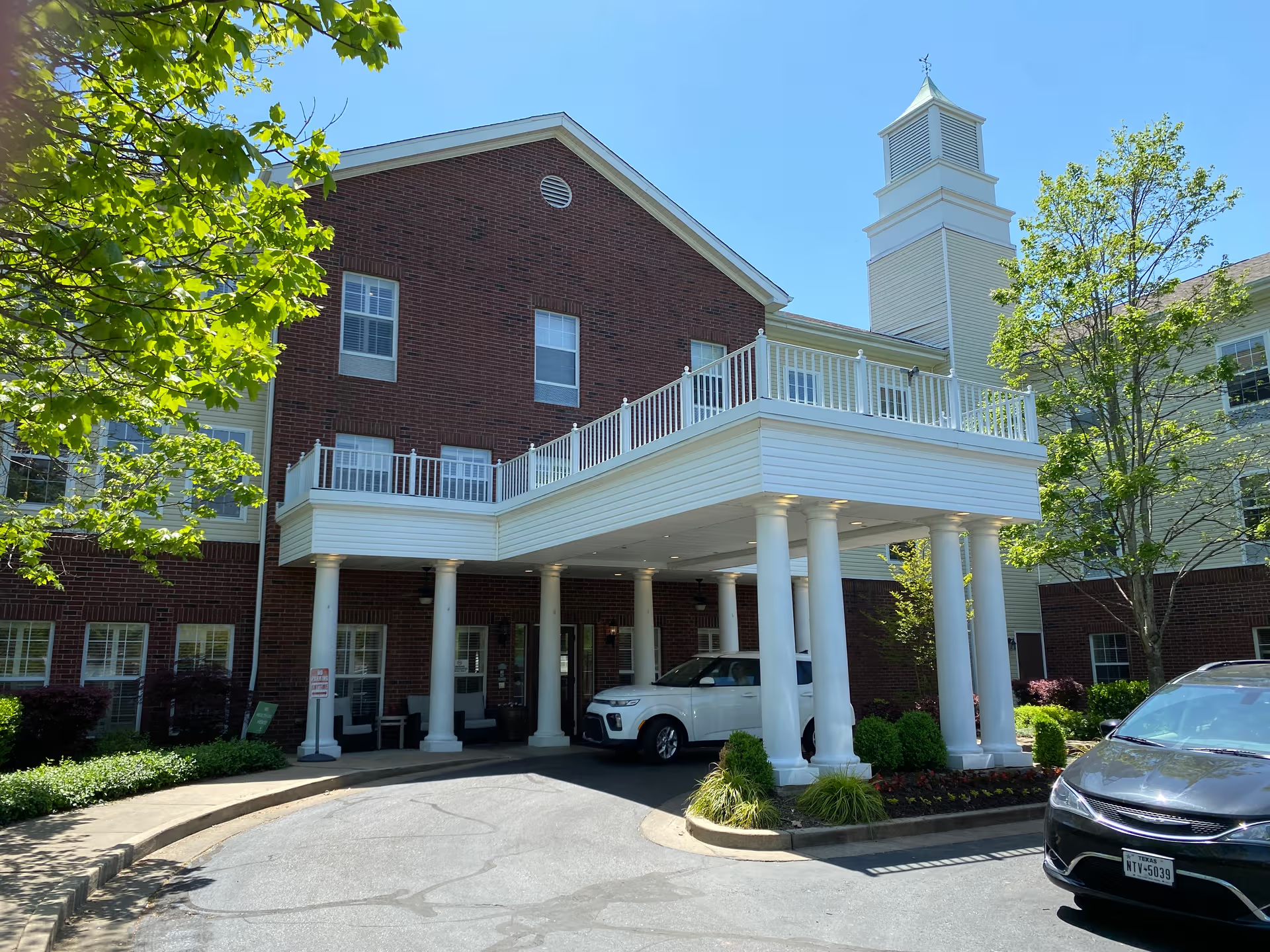
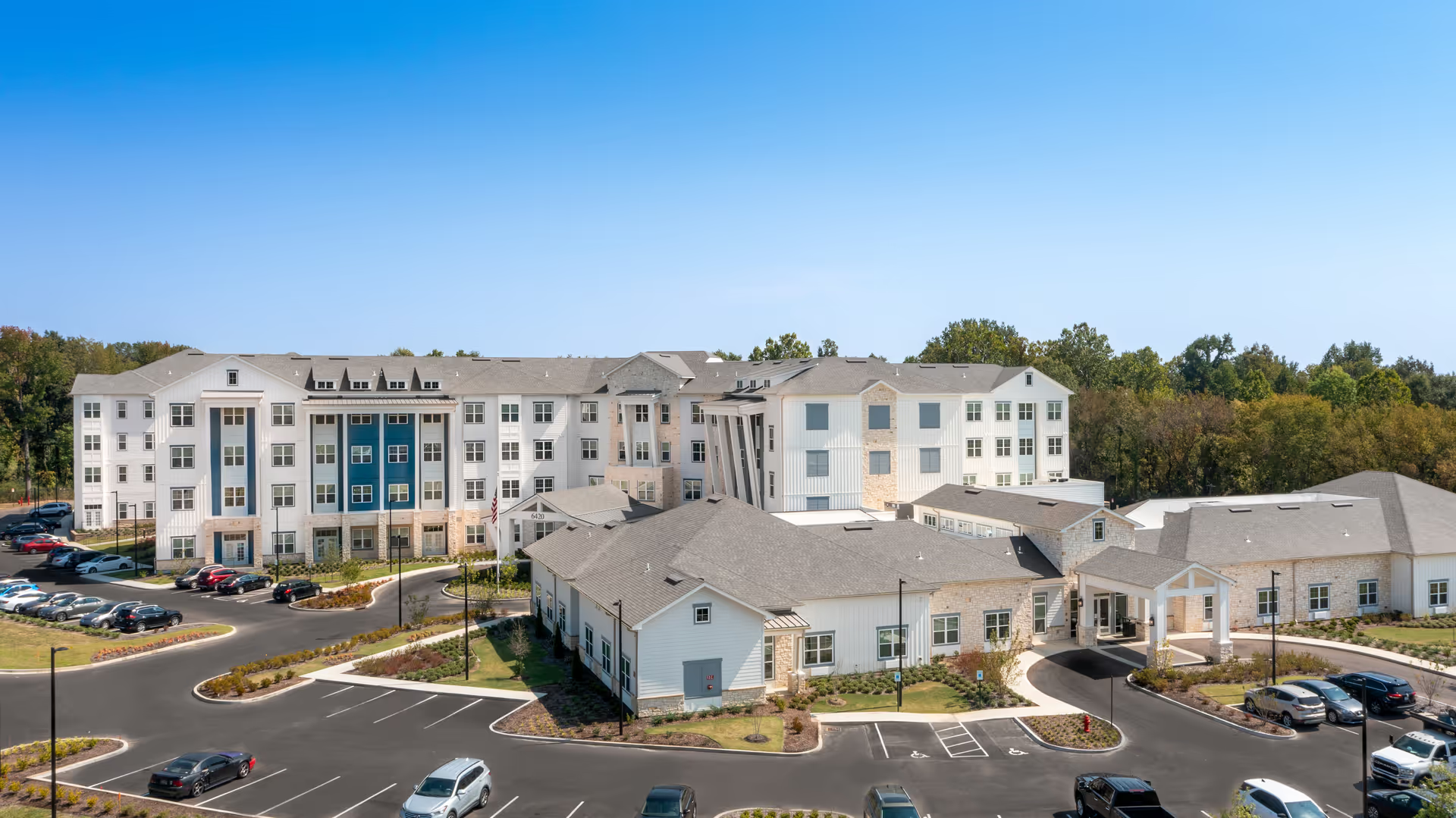
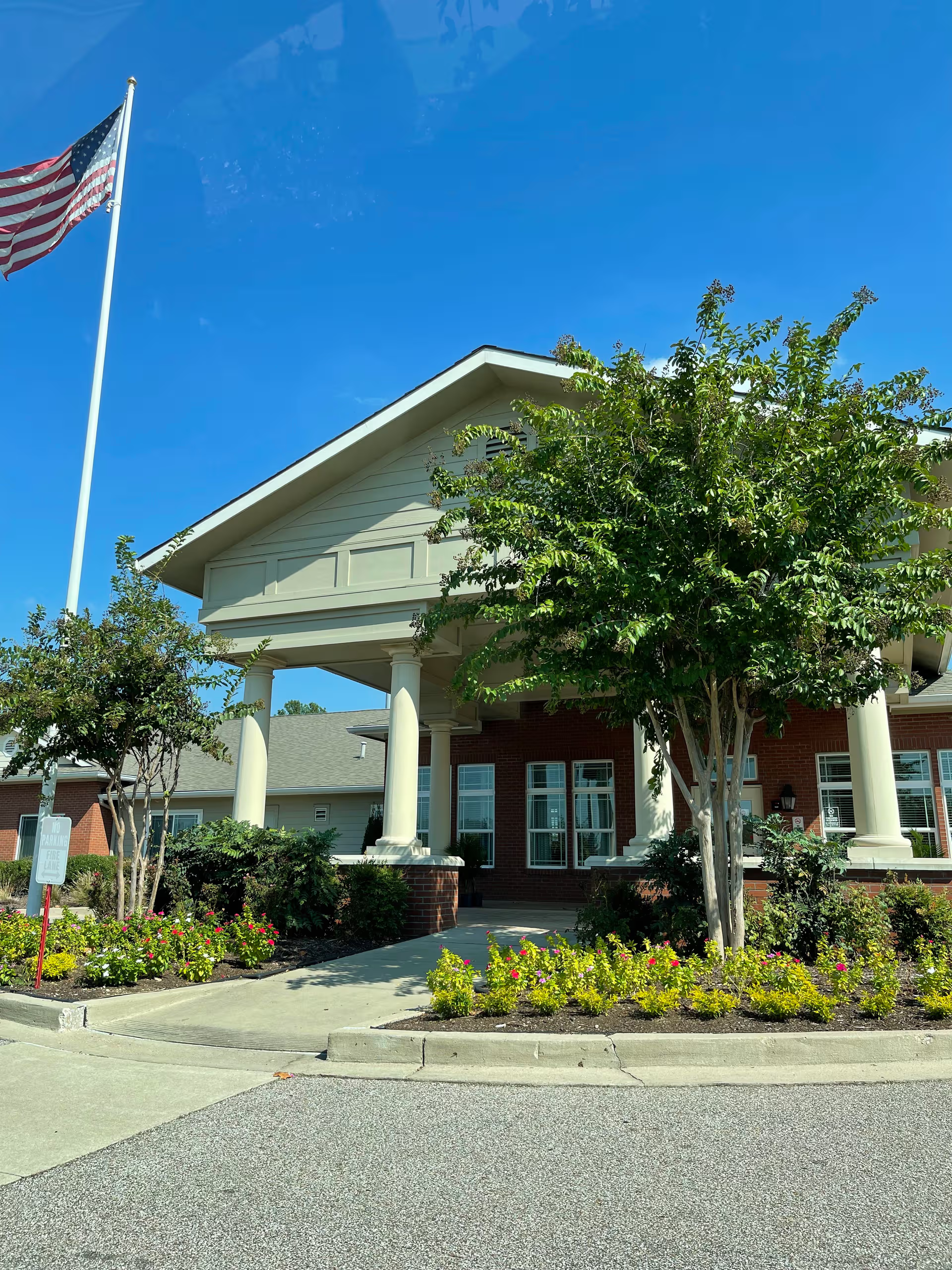
The Parkview presents as a historic, hotel-conversion senior community with pronounced architectural character and elegant common spaces. Many reviewers praise the facility’s public areas—the dining room, lobby and activity spaces are frequently described as attractive and well maintained. The location is central to cultural and medical resources, and the campus offers pet-friendly outdoor space, assigned parking, security measures, and an on-site pharmacy and transportation program that many families find convenient.
Care and staffing are consistent anchors of positive feedback. Staff at multiple levels—caregiving, admissions/sales, activities, and maintenance—are commonly described as welcoming, attentive and responsive; families note 24/7 presence, personalized attention during move-in, and staff who use residents’ names. On-site home-care and therapy services receive praise for improving transitions and functional outcomes for some residents. At the same time, reviewers describe variability in clinical and medication-management availability: some residents rely on self-managed meds or outside agencies, and assisted services are sometimes outsourced, which can create coordination needs and inconsistent clinical coverage. There are also safety-related observations about exit-control and wandering risk that merit clarification with staff during a tour.
Dining and activities are clear strengths for many residents. The dining program is frequently characterized as restaurant-style with daily menu changes, chef-driven offerings, menu customization and accommodated diets. Some reviewers note specific menu limitations (for example, pork-heavy choices or limited sugar-free desserts) and differences in how many meals are offered to particular unit types (two versus three meals), as well as logistical issues for residents who must travel to a lower level for meals. Programming is broad—music, piano in the lobby, exercise classes, games, outings to museums and the zoo, faith services, and themed holiday events—supporting social engagement and an active community life.
Apartment quality and building condition show pronounced variation. While there are large, light-filled units with good views, many upper-floor suites retain older finishes: small closets and bathrooms, limited or nonstandard kitchen fixtures (including small appliances or missing sinks in converted units), and long walks to amenities from some corridors. Renovation work is ongoing in places, but progress is uneven and some residents advised careful inspection of specific units. Cleanliness is highly rated in many common areas—especially the first floor—but reviewers also describe odor or sanitation concerns on particular floors and inconsistent condition between units, so unit-by-unit evaluation is important. Accessibility is another operational limitation to verify: wheelchair-accessible bathrooms and ramp access are limited in some parts of the building.
Management and cost considerations are mixed. Many reviewers commend frontline staff and day-to-day responsiveness, yet there are notes about ownership changes, management turnover, isolated service interruptions (for example, water outages), and uneven communication during transitions. Pricing perceptions vary: some families find the community good value with payment flexibility and affordable unit options, while others feel that monthly fees (and utilities often excluded from rent) do not align with the level of amenities or the condition of certain apartments. Prospective residents should obtain written details on what rent includes, utility responsibilities, renovation timelines, and how assisted-care services are provided or outsourced.
In summary, The Parkview is often recommended for its strong staff culture, robust dining and activities, central location, and the charm of a historic building. Key decision factors for prospective residents and families include verifying the condition and layout of a specific apartment, confirming accessibility and clinical/medication support arrangements, clarifying meal service frequency and dietary accommodations, and reviewing costs and what is included in rent. A focused tour that inspects the intended unit, asks about on-site versus contracted care, and seeks a renovation schedule will help align expectations with the facility’s mix of notable strengths and operational limitations.