Radcliffe Place presents a mixed picture: the community receives consistent praise for its location, social programming, and a welcoming staff culture, while operational and management issues create recurring concerns for prospective residents and families.
Care and staff: Many reviewers emphasize that direct-care and front-desk staff are friendly, attentive, and willing to assist residents and families. Staff are frequently described as taking time with residents, helping with transitions, and creating a warm social environment. Maintenance technicians are singled out positively for responsiveness on unit-level repairs. However, there are ongoing concerns about staffing patterns after hours and emergency preparedness; reviewers described gaps in night coverage and limited emergency-response infrastructure. There are also notable concerns regarding staff vetting and licensing practices that prospective families should clarify with administration.
Dining: The dining program is a prominent feature: the facility offers two daily meals (breakfast and dinner) with many reviewers praising courteous dining staff and enjoyable lunches or dinners. At the same time, expectations around meal availability are inconsistent—some residents report discontinued kitchen services, phased-out dining options, or no formal lunch service. Food quality assessments vary from highly positive to critical, and several reviewers expressed concerns about meal pricing relative to perceived value.
Activities and social life: Programming is a clear strength. Radcliffe Place offers a broad range of on-site activities and amenities—including a movie theater, game and craft rooms, exercise classes, outings, and transportation for errands and medical appointments—which support an active social environment. Many residents report making friends and participating regularly in events; transportation services are generally seen as convenient and useful for medical visits and errands.
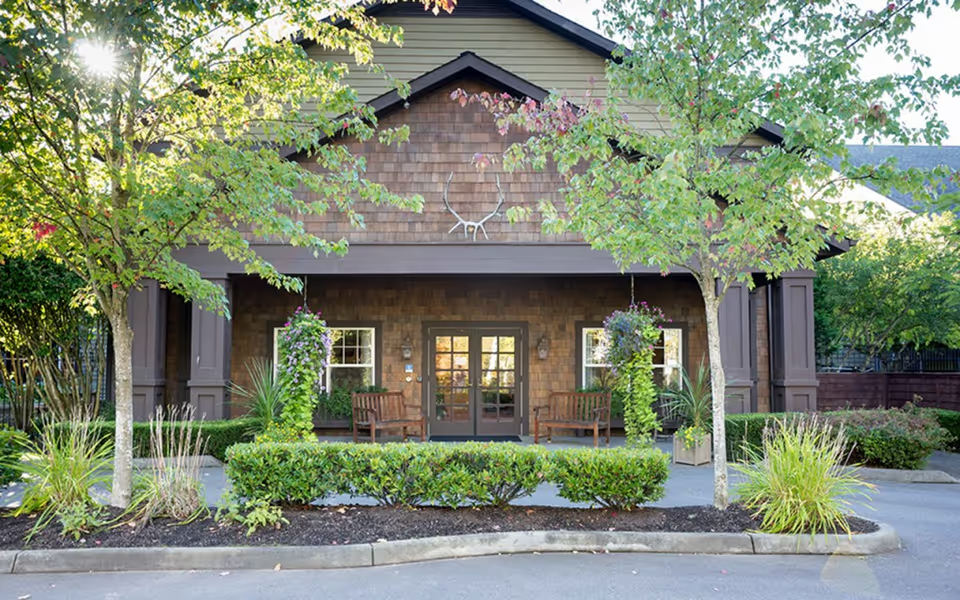
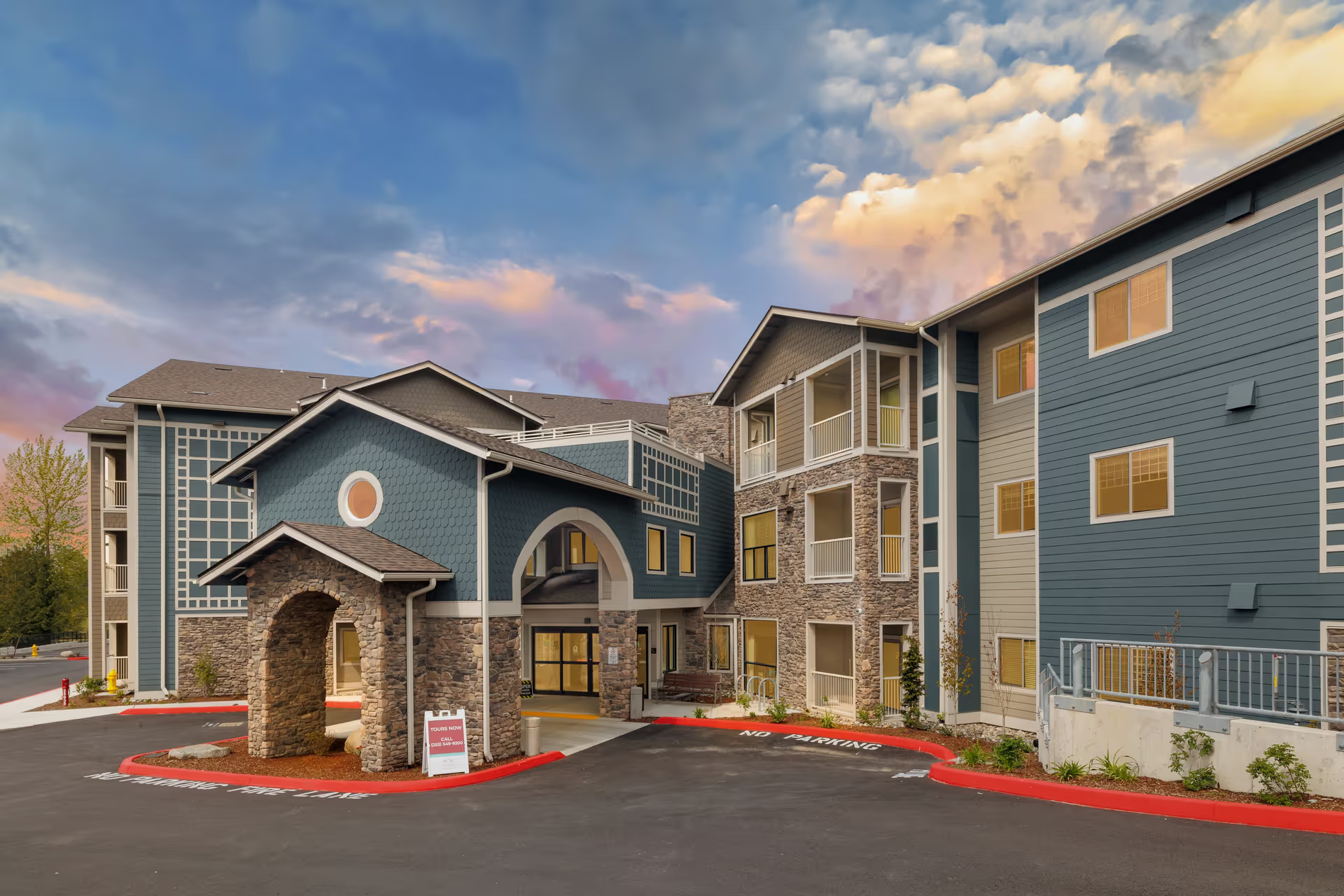
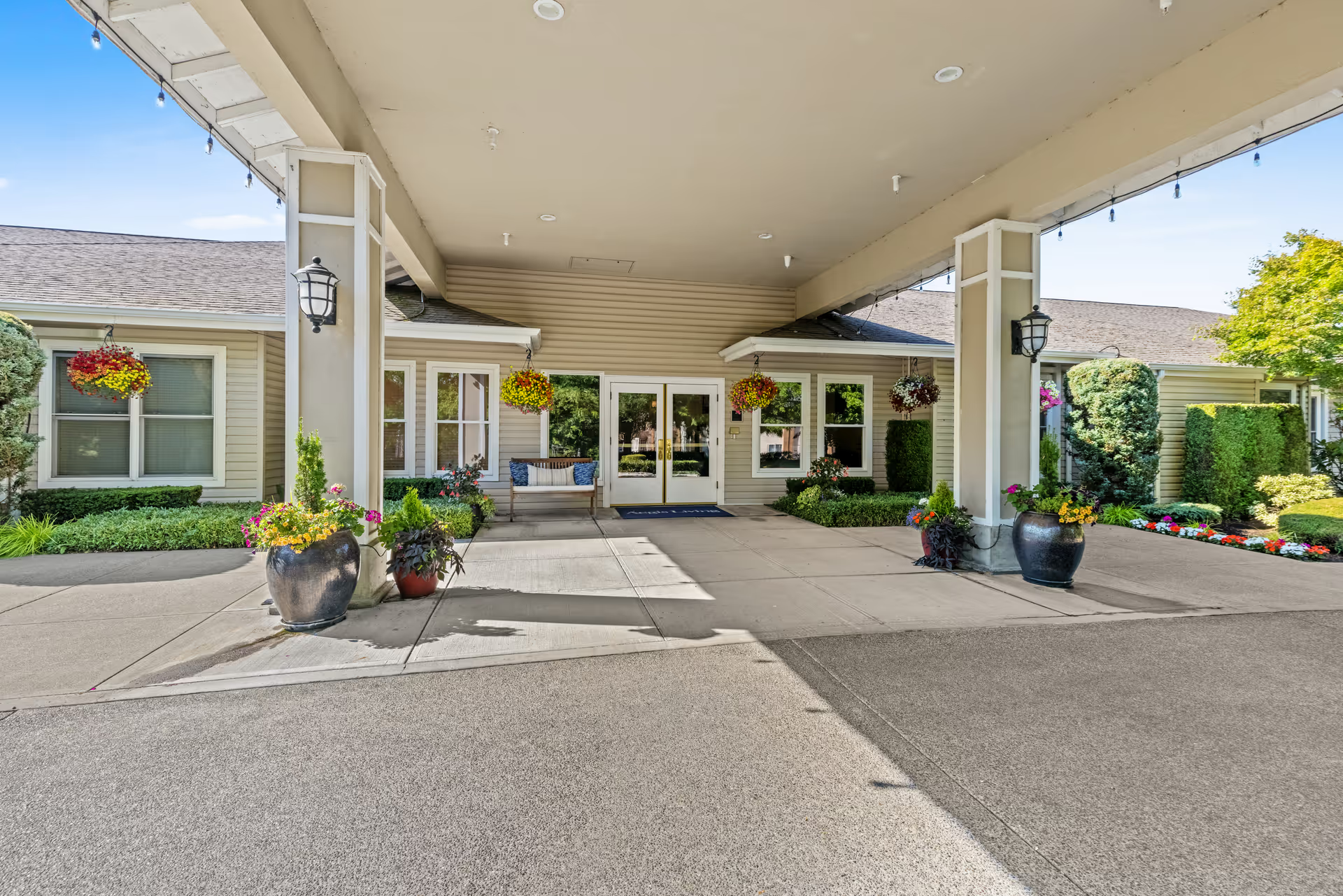
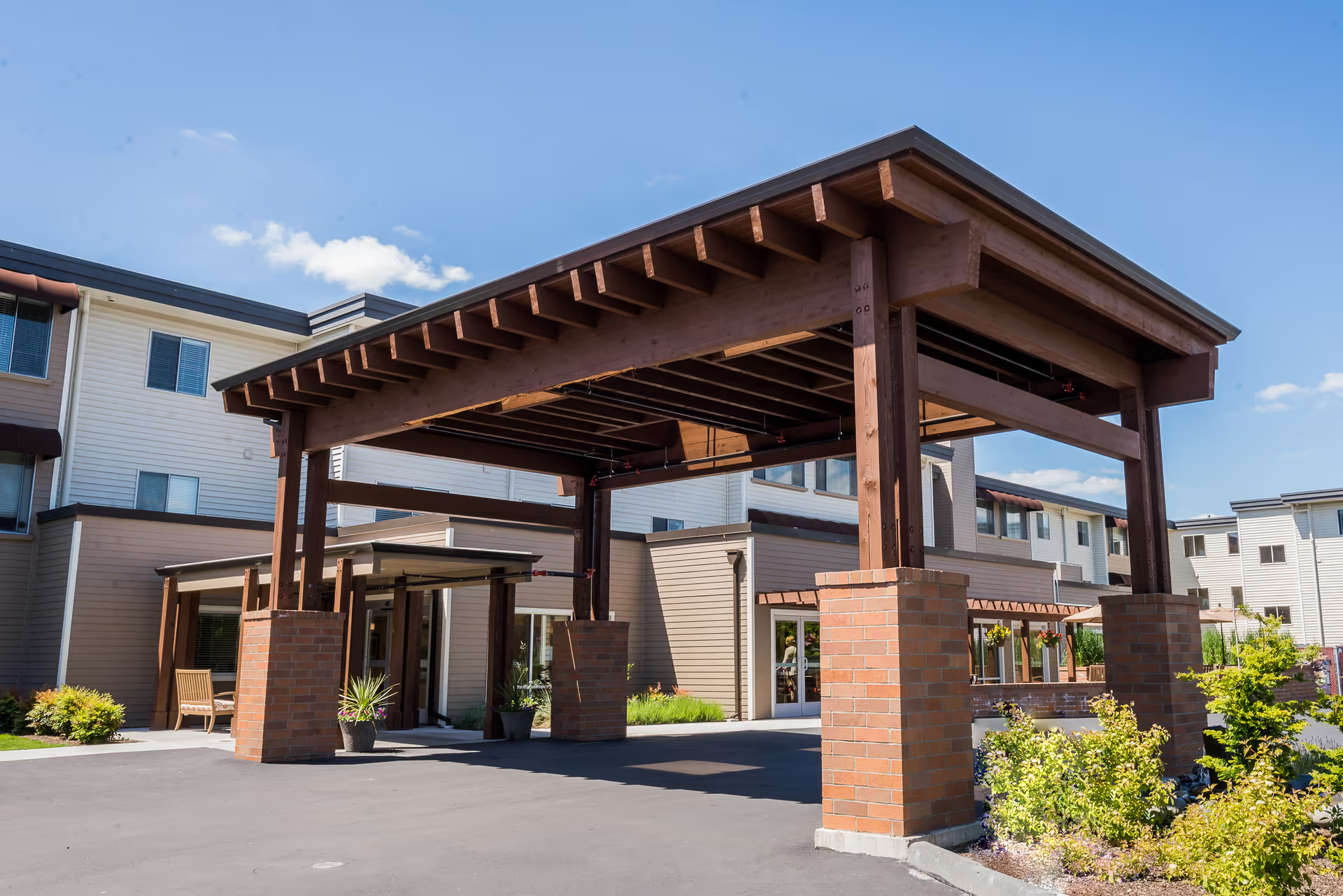
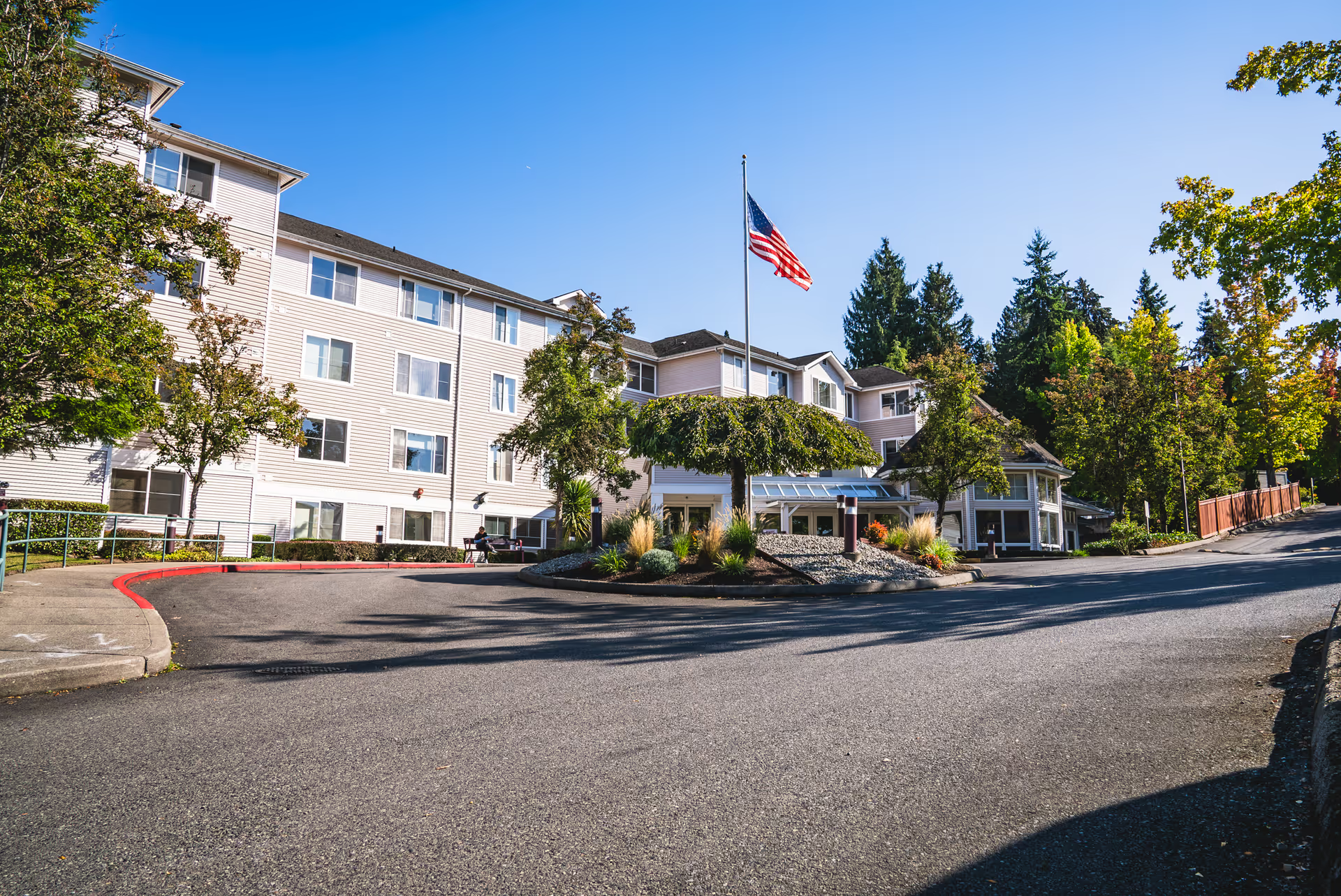
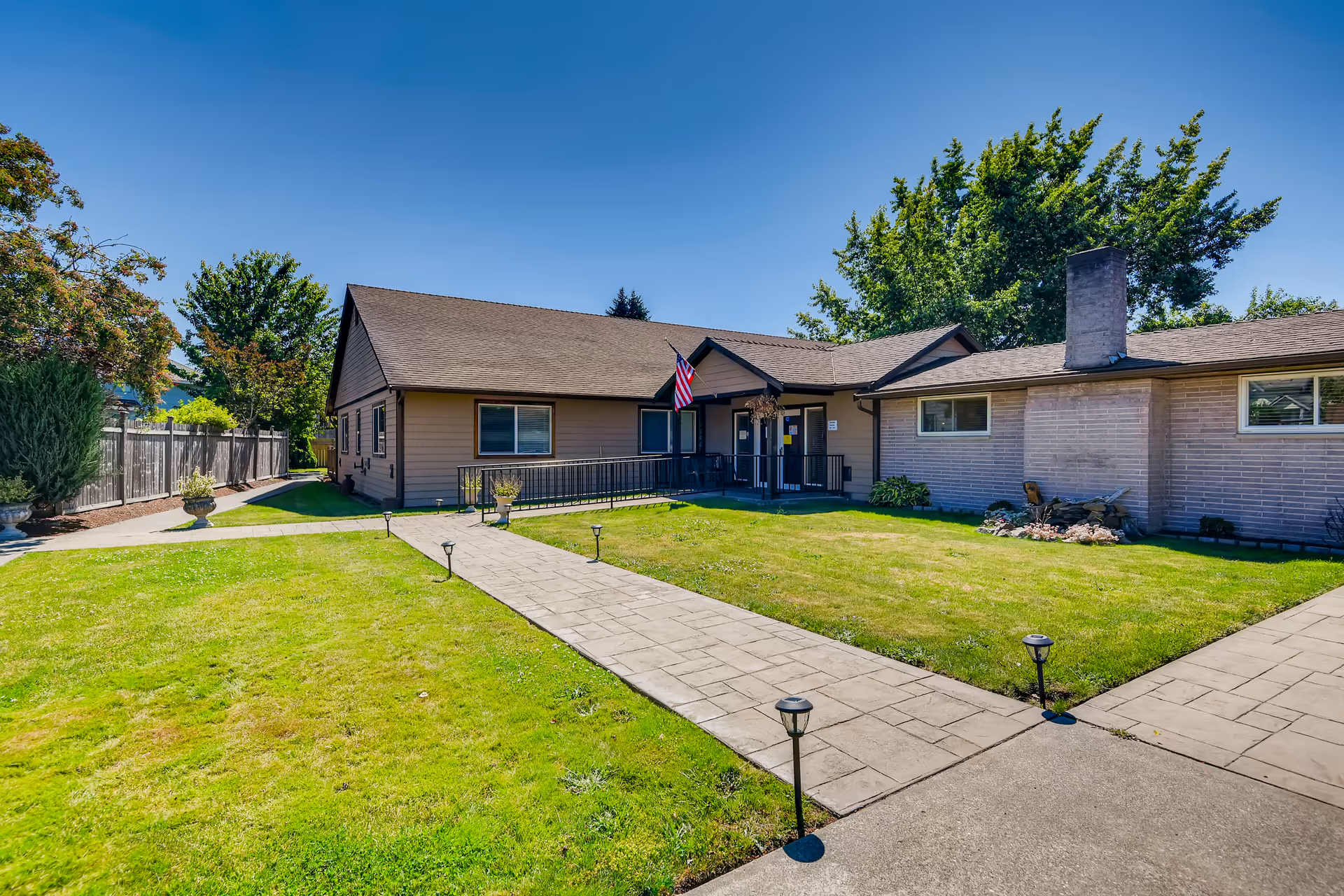
Facilities and accessibility: The campus and many units are described as clean and updated, with a variety of apartment sizes and kitchenettes; accessible showers are available in some units. Positive notes include a pleasant, woodsy setting and proximity to local services. Operationally, reviewers raise concerns about building maintenance beyond individual repairs: moisture intrusion and mold remediation issues, aged carpeting, broken washers/dryers, and limited climate control in some units (absence of central air) were cited. Physical layout and elevator placement were also criticized for creating long interior walks to some units, and parking is described as distant or unassigned.
Management and administration: A common thread among negative comments is inconsistent communication and follow-through from management and the reception team. Examples include delayed responses to inquiries, unclear lease or rent disclosures, and recurring complaints with little visible resolution. At least one reviewer indicated an incident that escalated to Protective Services; while such serious matters appear isolated in the available feedback, families should request current status on any regulatory findings and ask management to document staffing, background-screening, and incident-response policies.
Recommendation and next steps for families: Prospective residents who prioritize a smaller, activity-rich community with strong social programming, convenient transportation, and an attentive day staff may find Radcliffe Place attractive. Families whose primary concerns include consistent meal availability, robust night-time staffing and emergency response, clear management communication, or comprehensive maintenance and remediation practices should seek detailed, written assurances during touring: ask for current staffing schedules (including night coverage), documentation of background checks and licensing, recent inspection or remediation records for moisture/mold issues, sample meal calendars and pricing, and a clear breakdown of lease fees and utility/meal costs. A focused tour and direct questions to administration will help determine whether the community’s strengths align with a particular resident’s needs.