The reviews for Tri Court - Park present a mixed picture. Many family members and residents describe a welcoming social environment with active programming and attentive staff, while a subset of narratives raises operational concerns that may affect the residential experience. Prospective residents should weigh the facility's social strengths against reported operational gaps when evaluating fit.
Care quality and staffing: Accounts of care range from very positive to concerning. Several reviewers describe family members receiving excellent day-to-day support and praise specific staff members for being caring and responsive. Conversely, other accounts express that resident quality-of-life priorities are inconsistently emphasized and that responsiveness to some care needs can lag. Emergency response time is described as quick by some reviewers, which is a positive signal for acute events, but there are also broader concerns about ongoing person-centered attention.
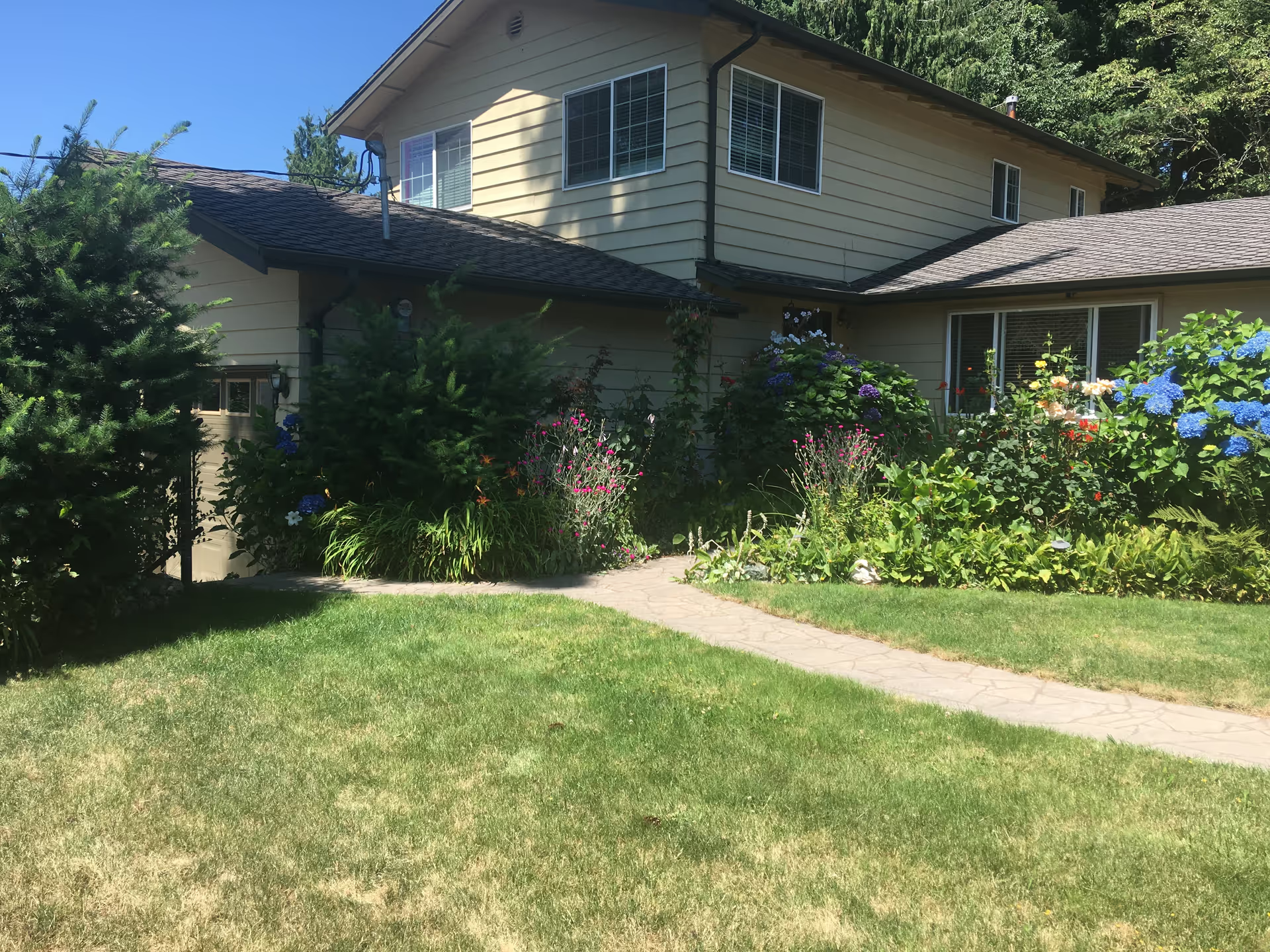
Activities and social life: The facility's activity program is a clear strength. Reviewers note a wide range of weekly events, social activities, parties, and communal coffee areas that contribute to an engaged atmosphere. Onsite amenities such as a workout area and gardens support resident activity and social interaction. The presence of a strong, visible activity program appears to be a reliable feature of life at the community.
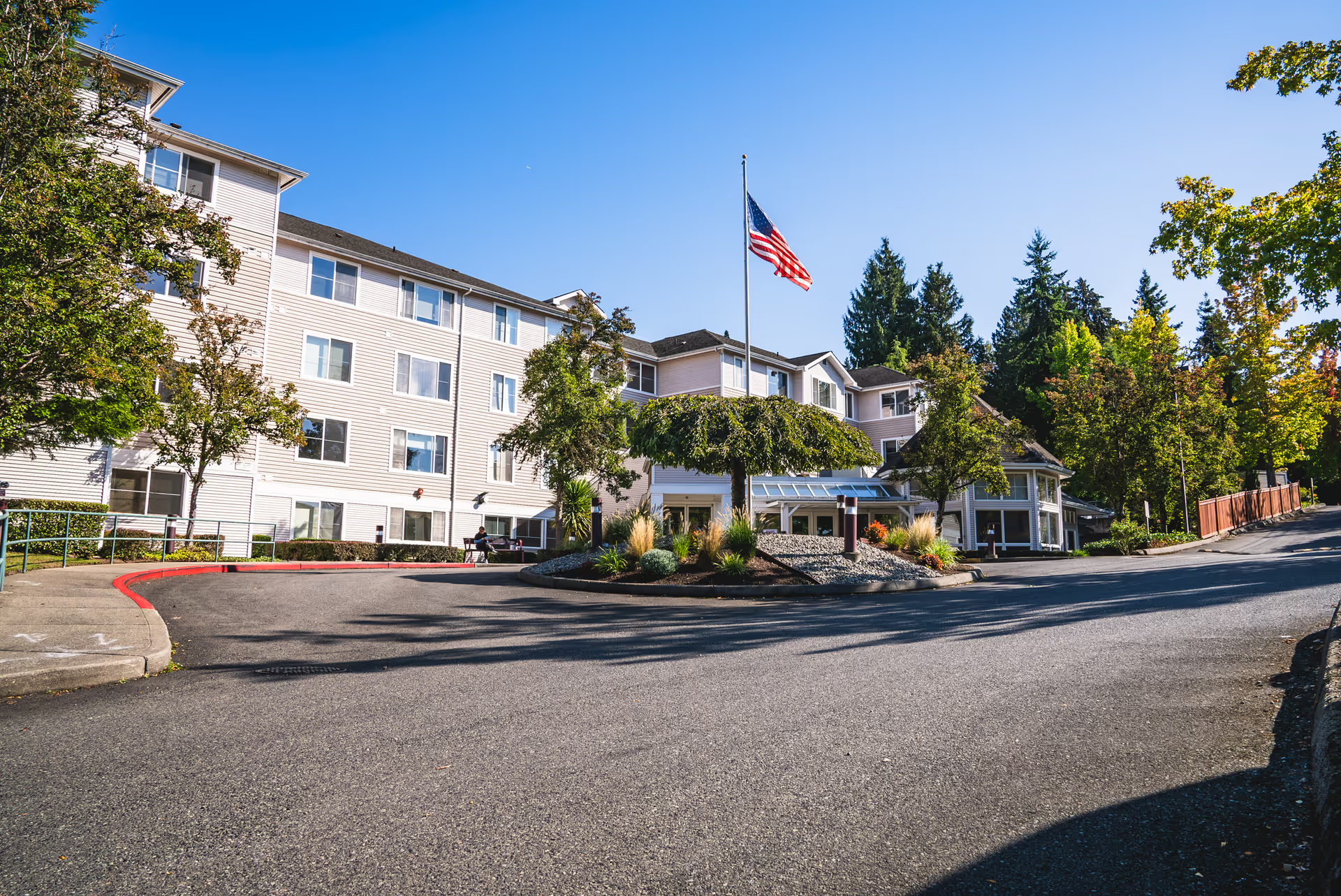
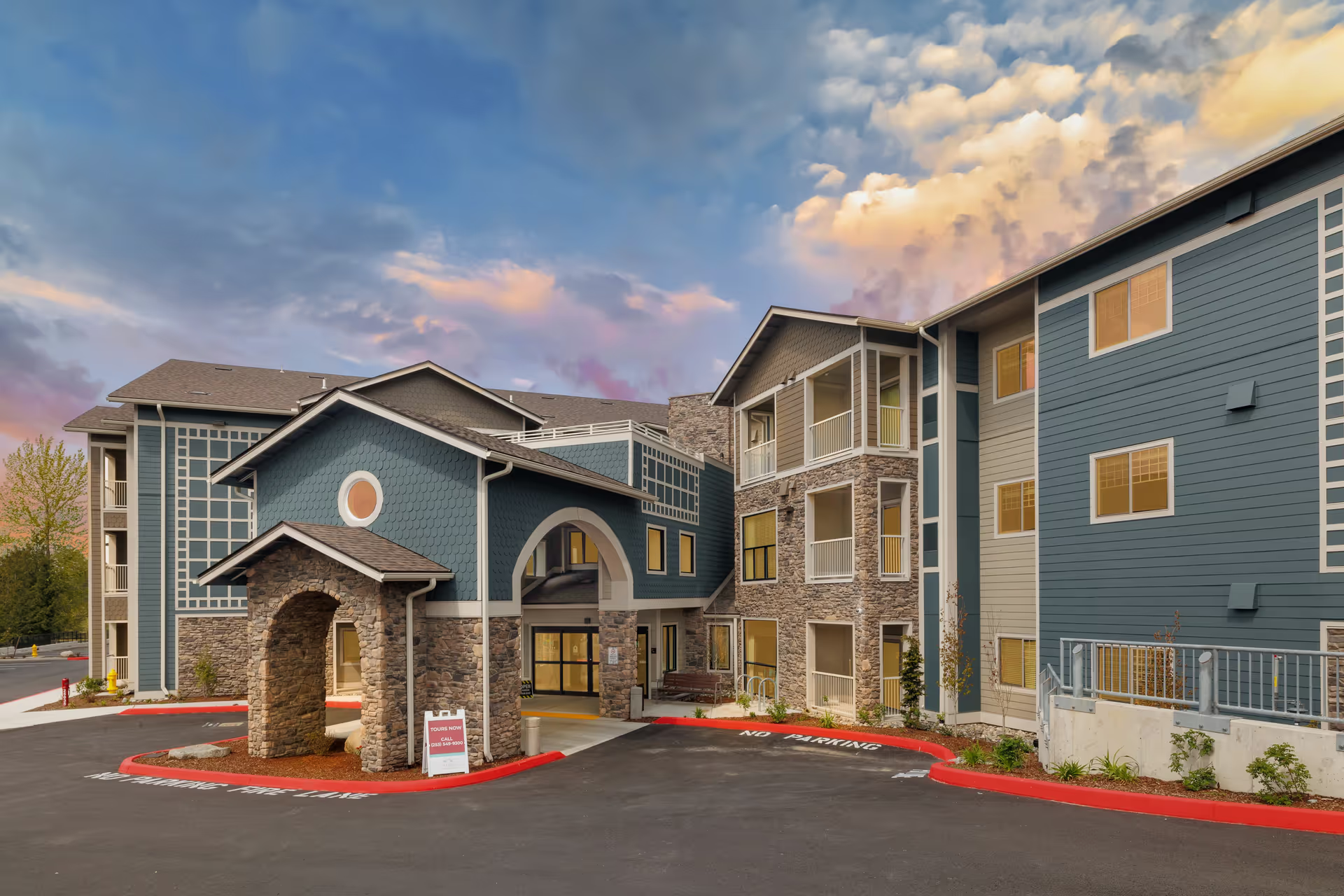
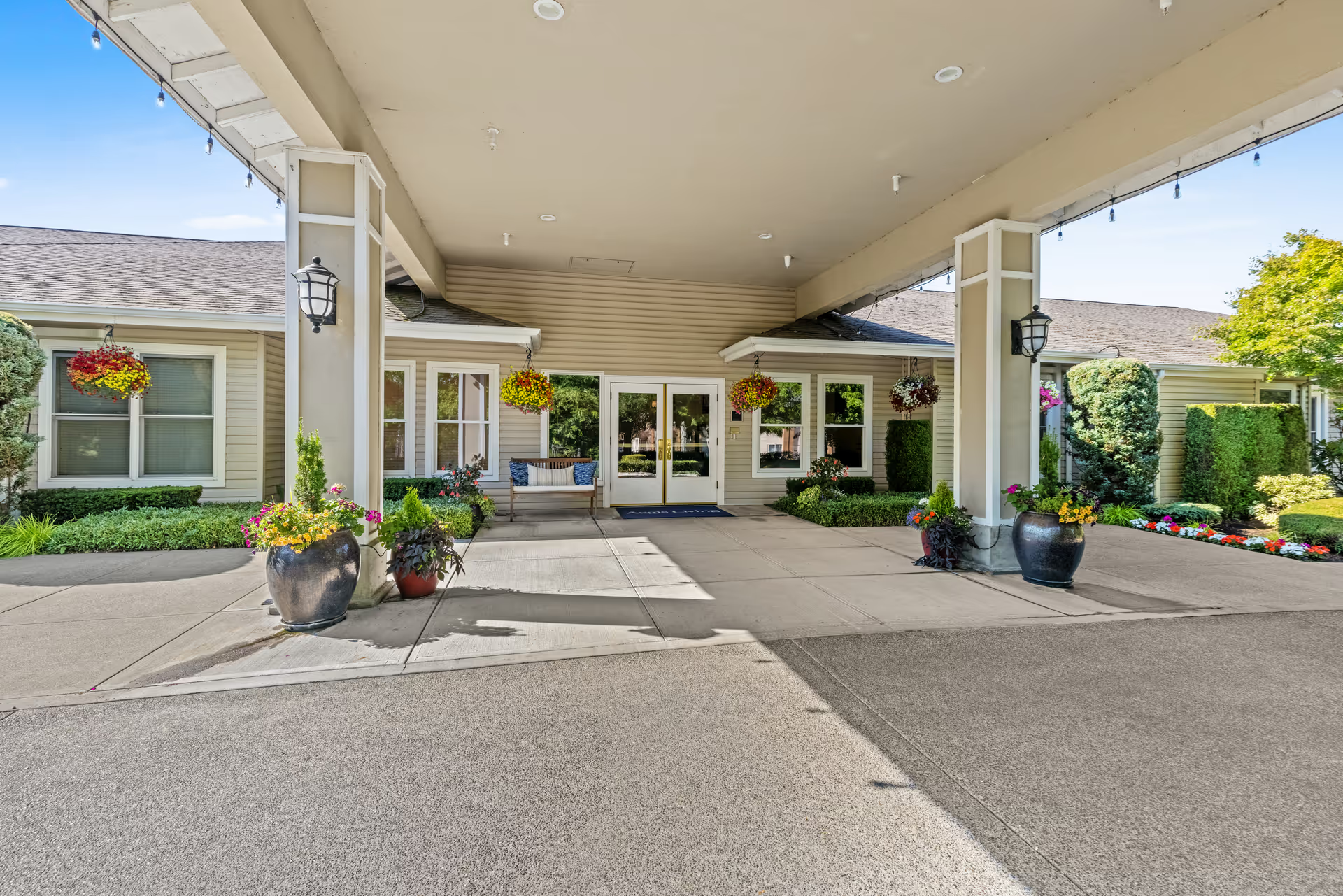
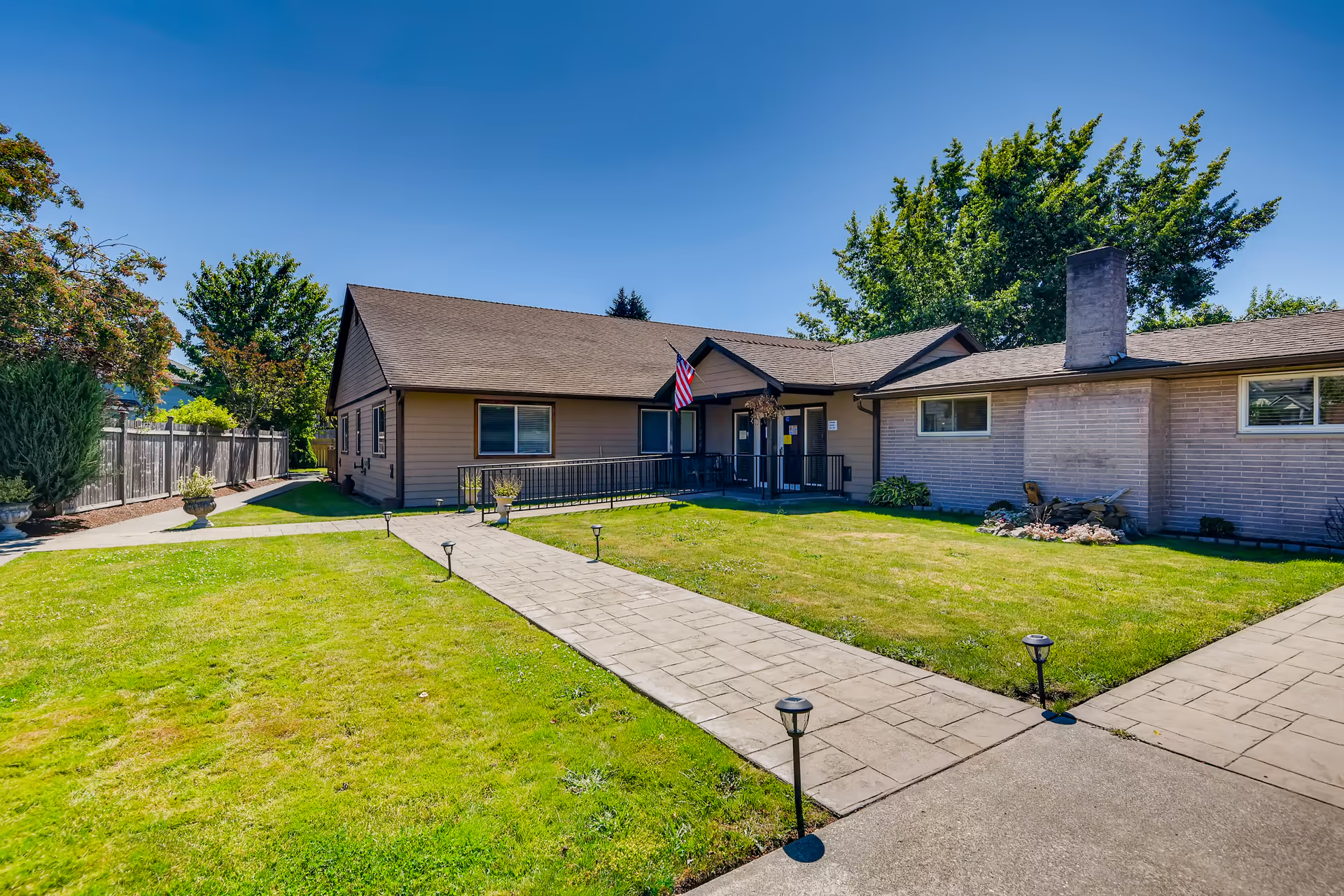
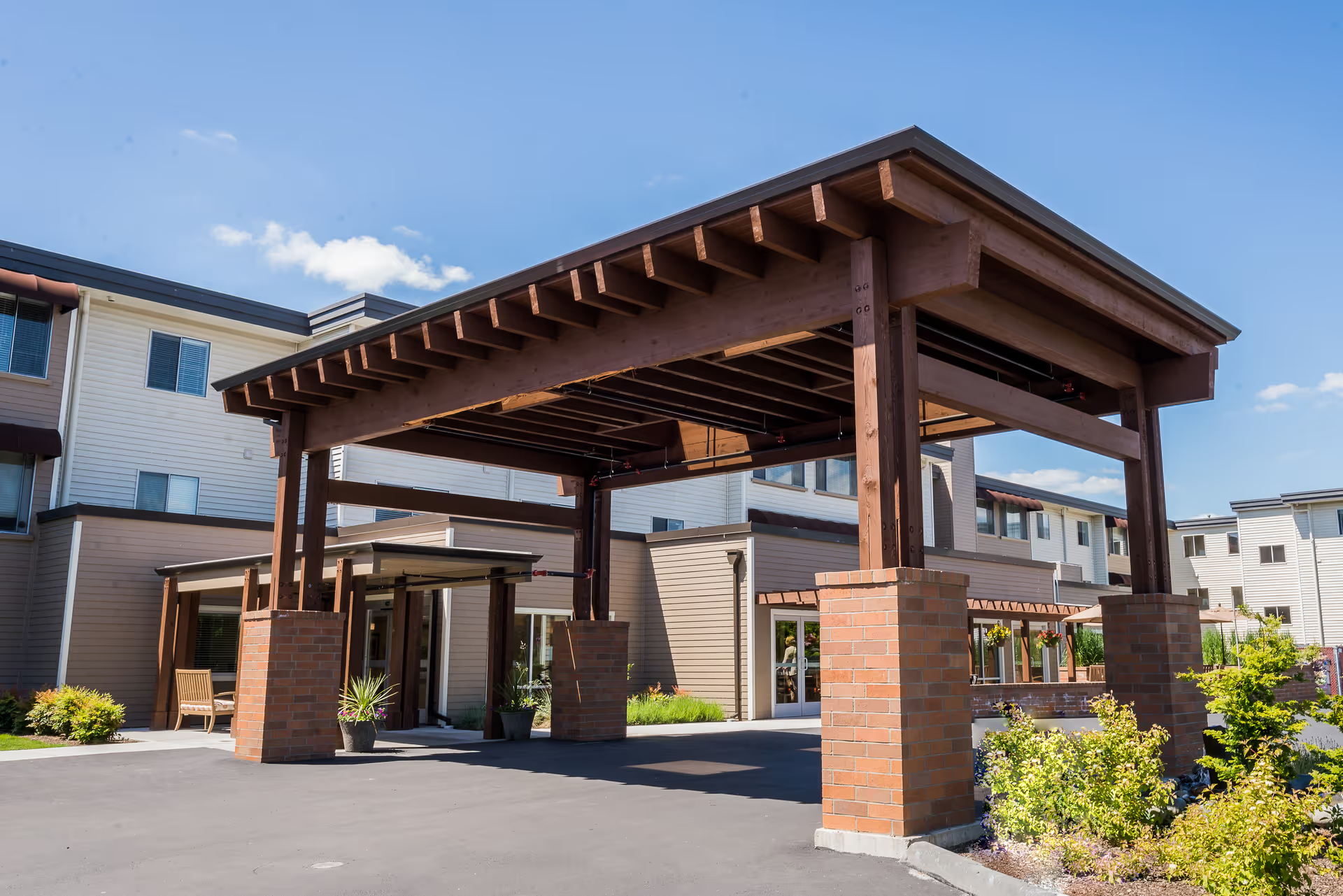
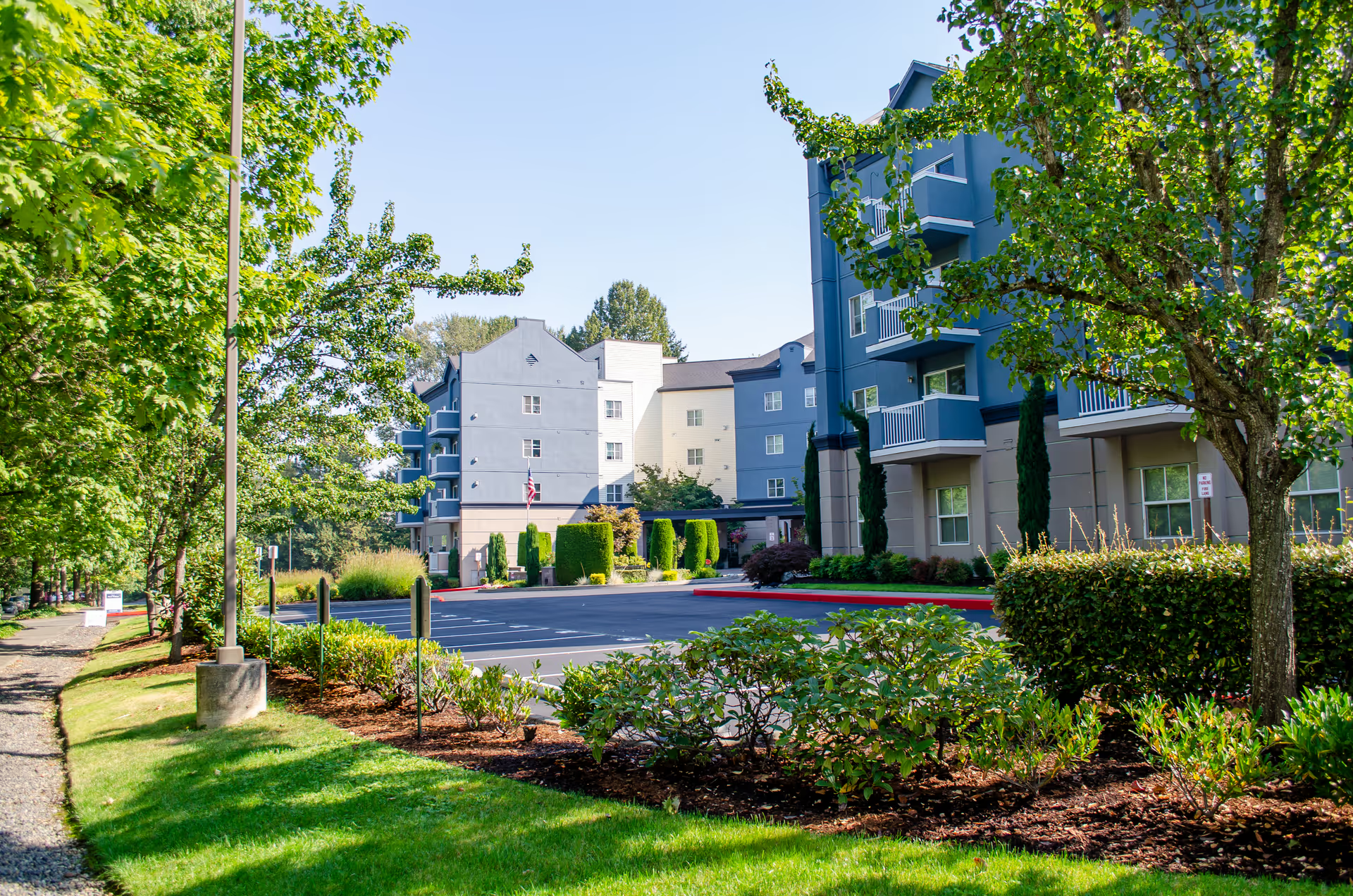
Facilities and unit conditions: Common areas are frequently described as clean and well maintained; garden and exterior spaces are noted positively. However, there are substantive concerns tied to private units: reviewers mention odor and cleanliness issues in some apartments, dated finishes, and problems with pest control and remediation. In at least one account, residents experienced dissatisfaction with how remediation was handled and billed. Cost is also a recurring theme—several reviewers characterize the community as relatively expensive for residents on fixed incomes.
Management and operational patterns: Leadership impressions are mixed. Some families single out on-site management positively, while others find management difficult to reach and raise concerns about billing transparency and enforcement of community access policies. A pattern emerges of inconsistent communication and follow-up on operational problems (for example, pest-control follow-through and decisions about activity access). Prospective residents should ask specific questions about pest-control protocols, remediation billing, activity eligibility rules, and typical management response times. A personal visit and conversations with current residents may help clarify whether the facility's strengths align with an individual resident's priorities.