Vintage at Richland elicits a strongly mixed set of impressions. Many reviewers praise the social environment, apartment finishes, and on-site amenities, while others express substantive operational concerns centered on management practices, fees, and certain safety and cleanliness issues. Prospective residents and their families should weigh the facility’s active lifestyle offerings against those operational considerations.
Activities and lifestyle are consistently noted strengths. The community offers a wide array of programmed options — water-aerobics, fitness spaces, movie nights, crafting, seasonal parties, bible study groups, card games, and hobby areas such as a wood shop and billiards. Reviewers describe a lively social calendar and spacious common areas that support resident engagement; these features appear to suit independent, active older adults who want regular organized programming and peer interaction.
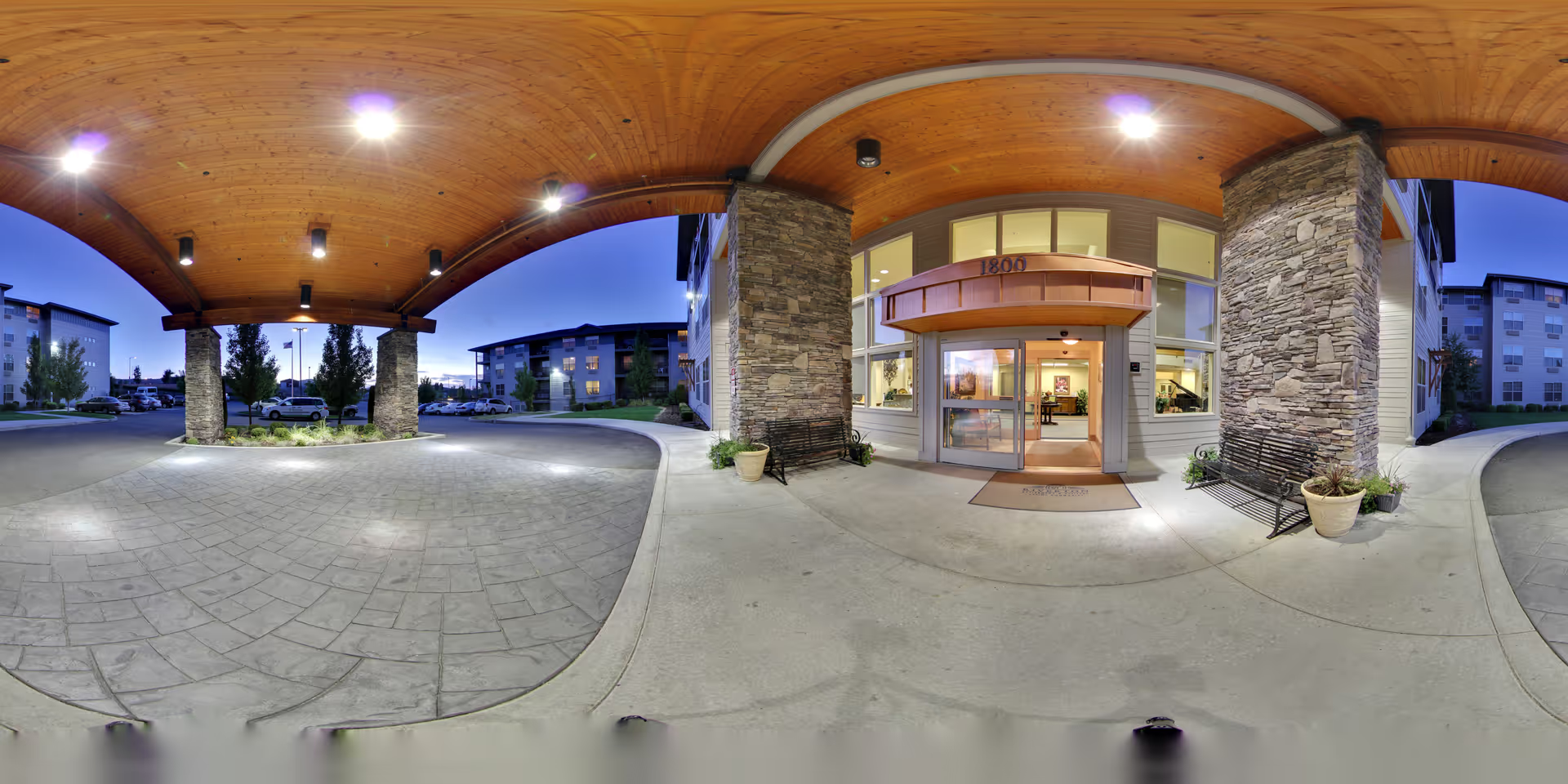
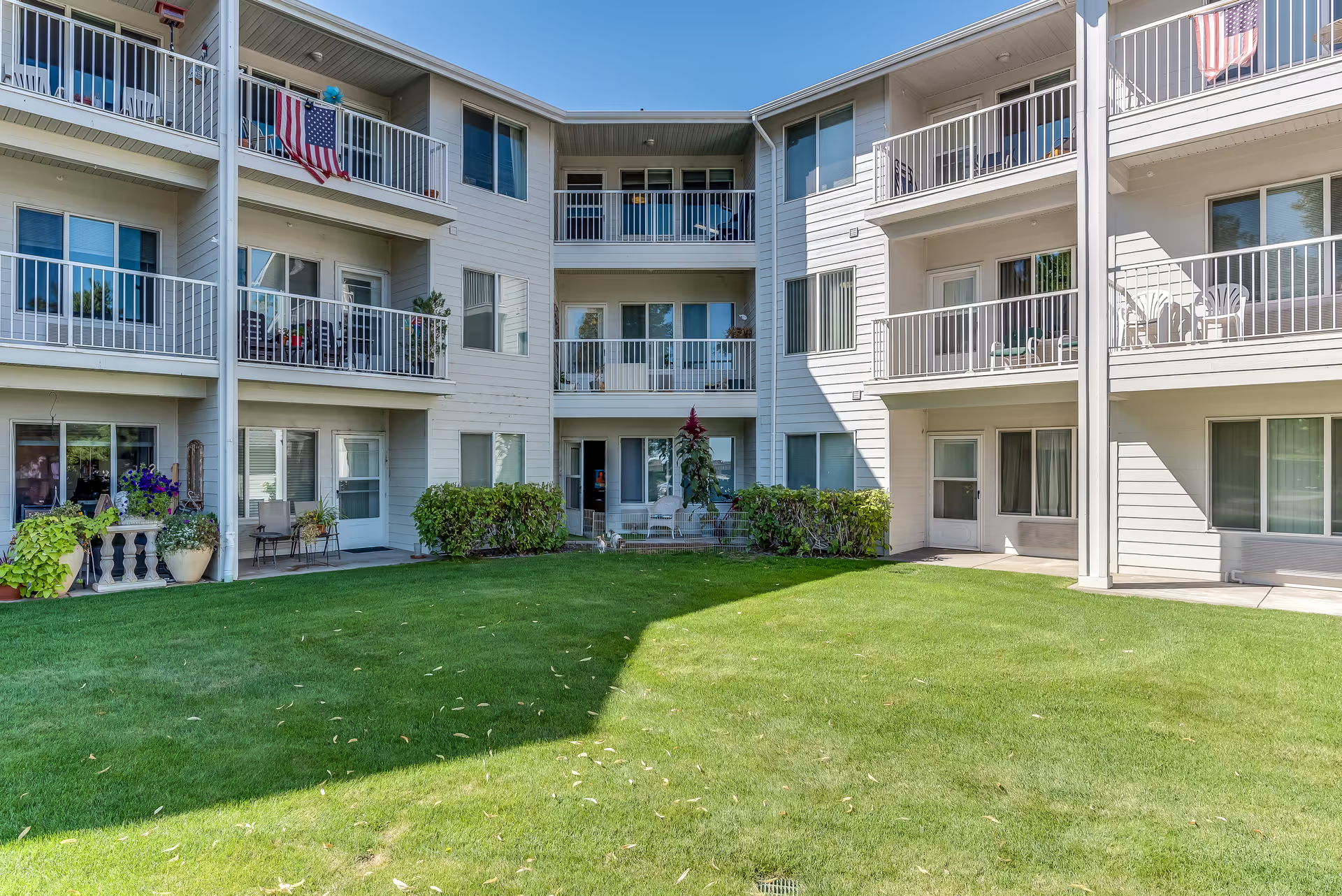
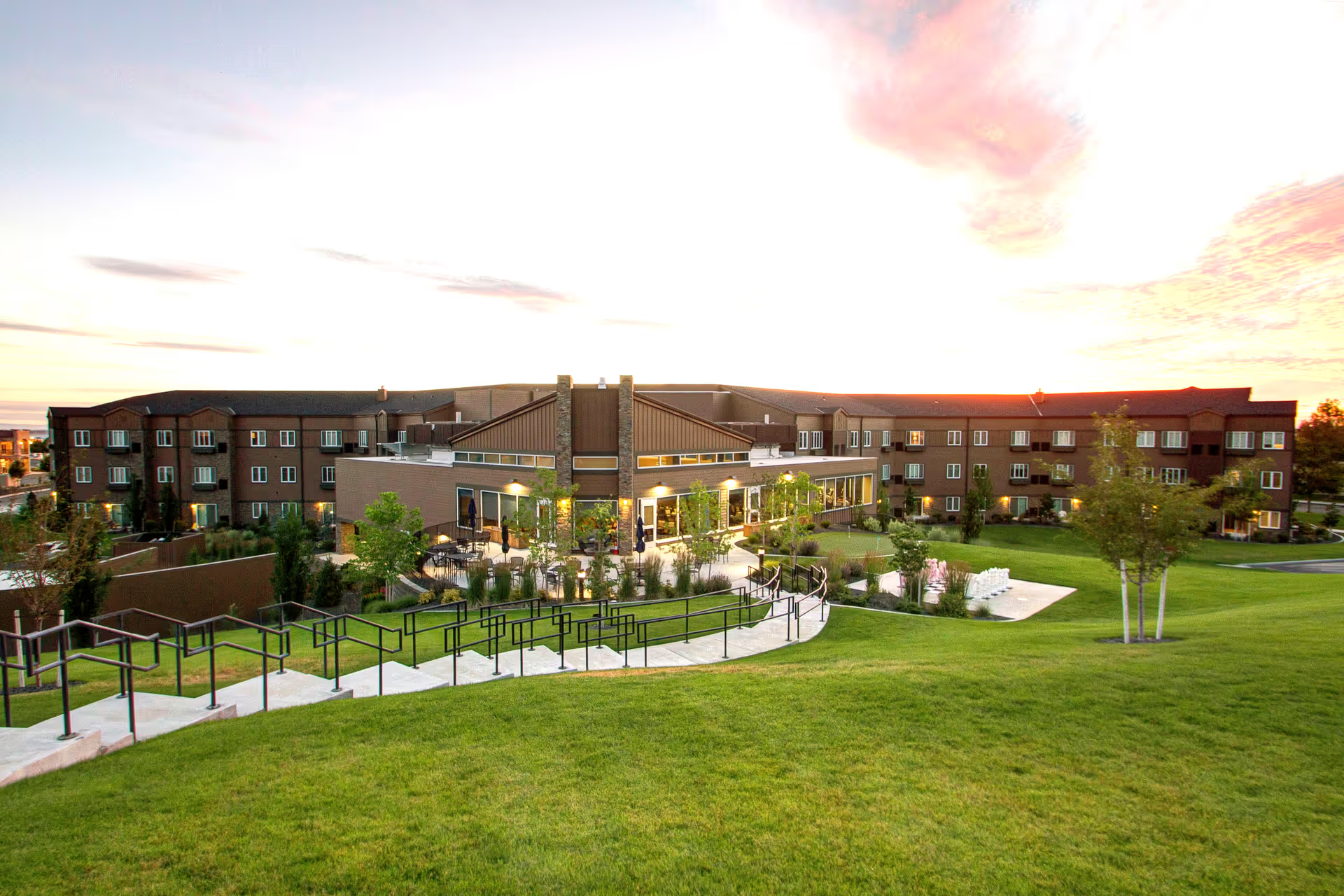
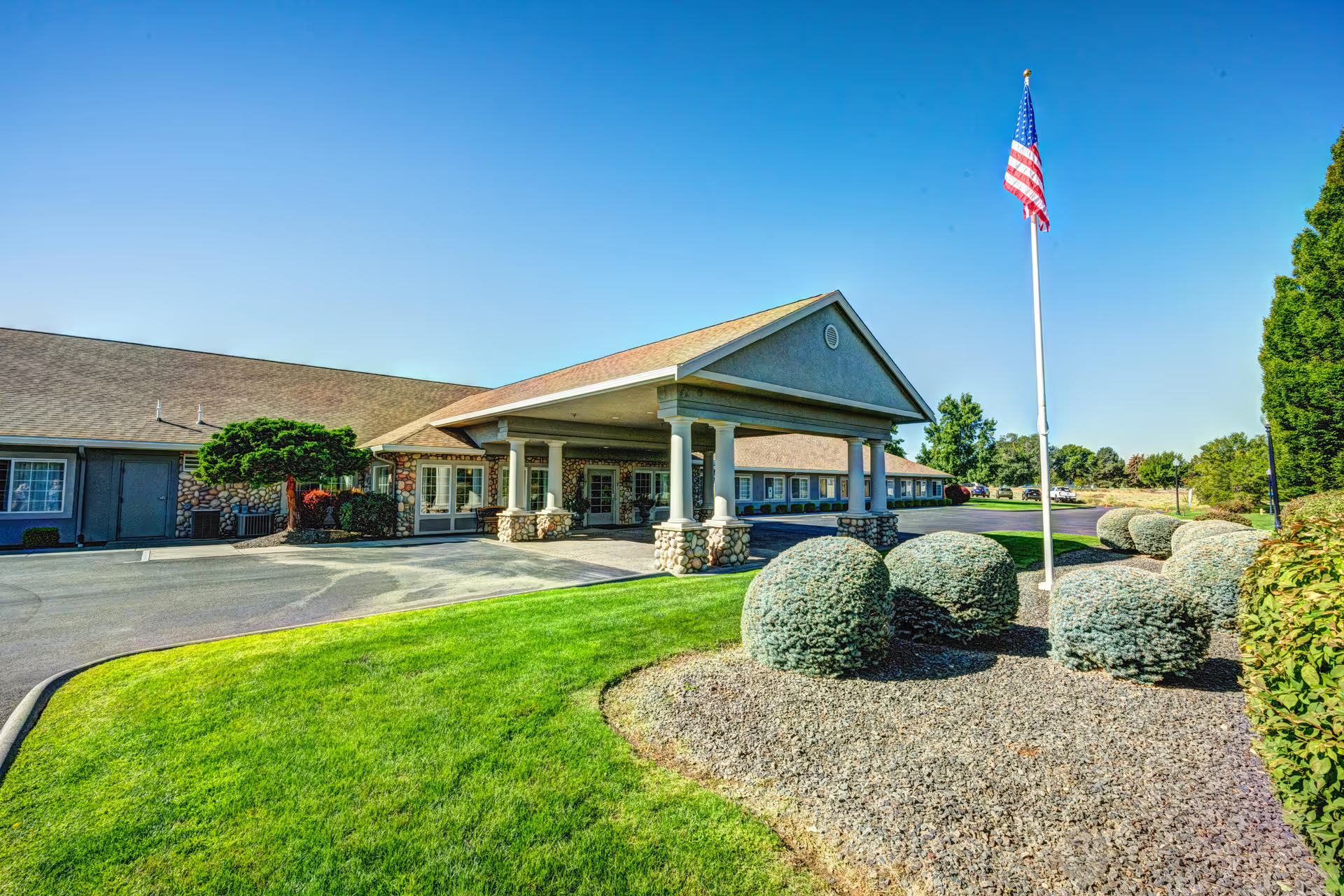
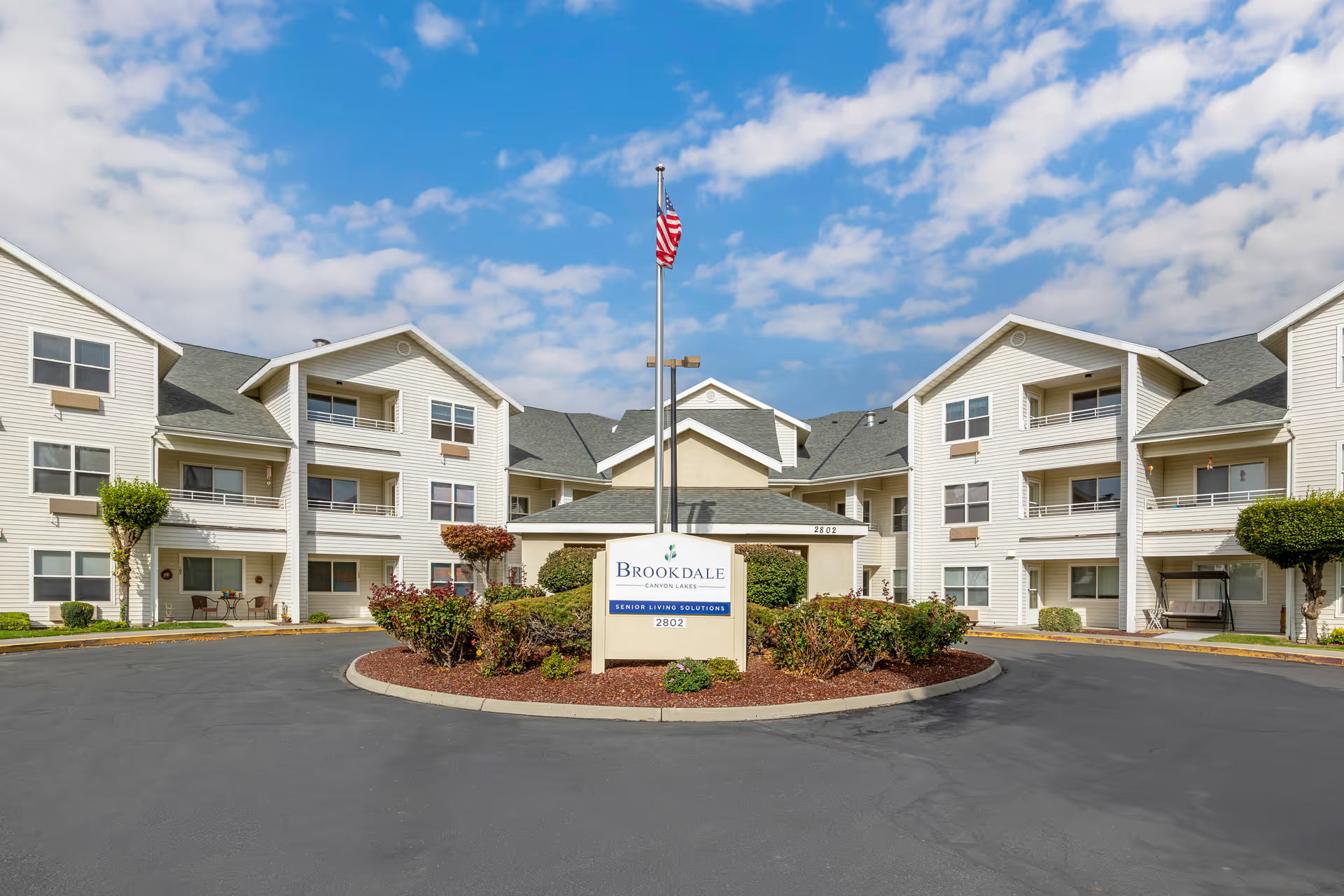
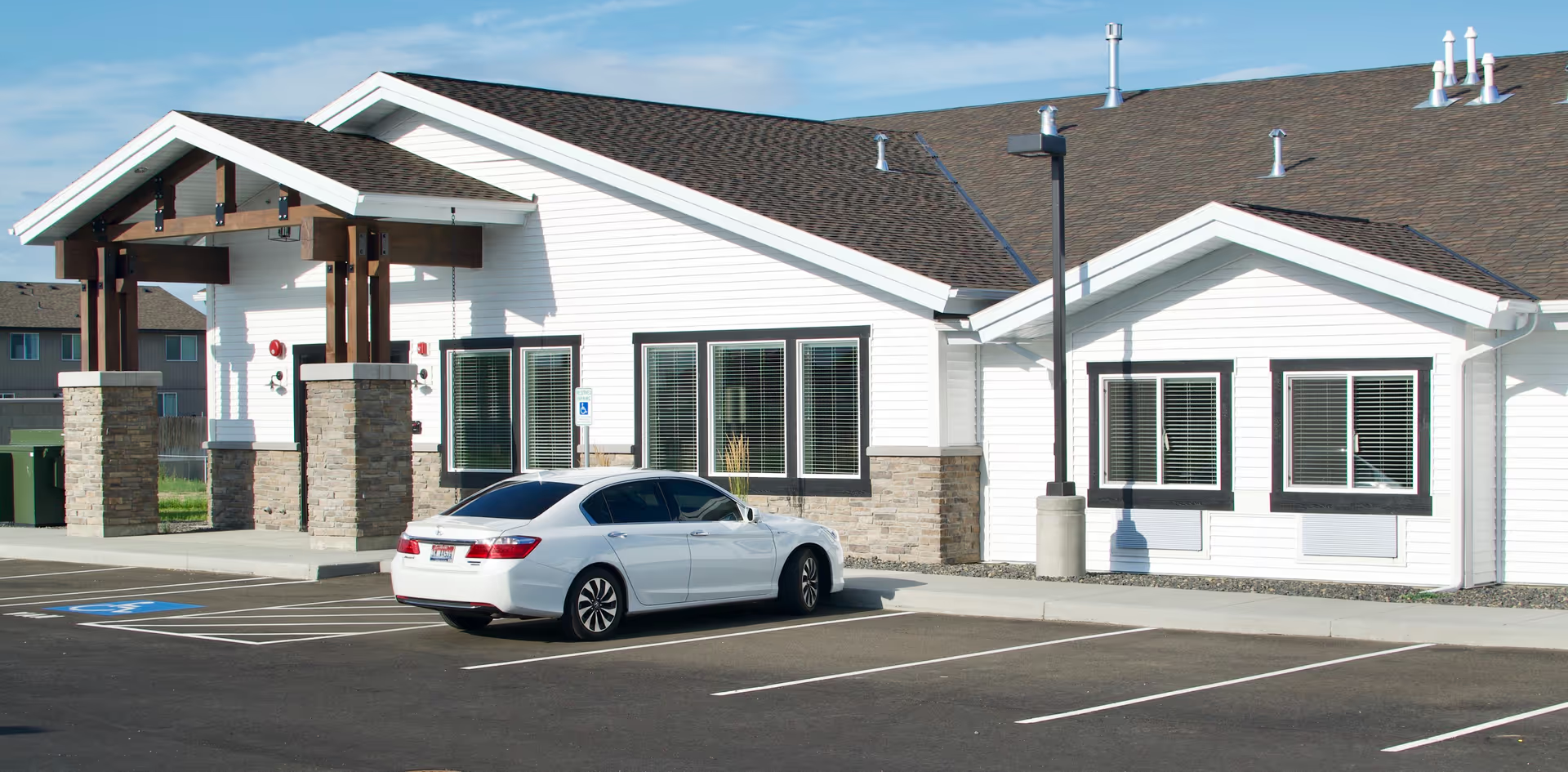
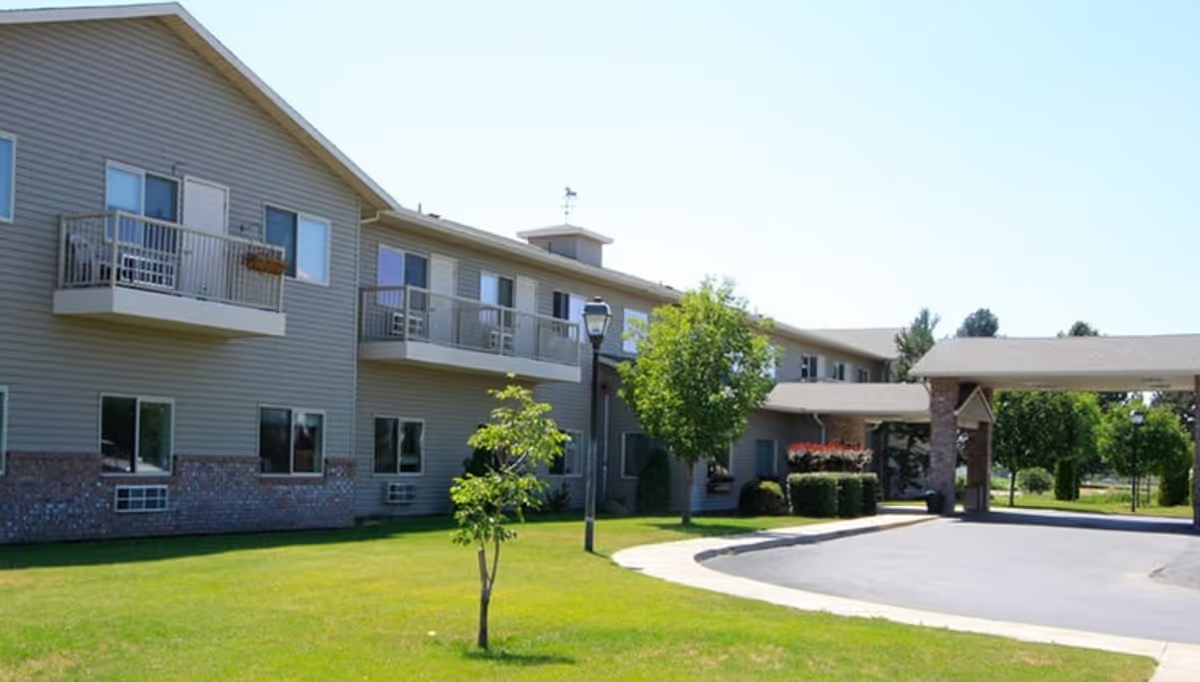
Facilities and apartment units receive largely positive comments for layout and finishes. Apartments with full kitchens and in-unit washers and dryers, recent carpeting/paint in some units, and an updated lobby and furnishings are cited as attractive points. Grounds are described as maintained and attractive in many accounts. At the same time, reviewers raise specific facility-level issues: uneven cleanliness in some hallways and refuse areas, worn carpeting in places, and variability in upkeep that suggests selective rather than comprehensive maintenance. Sound insulation between units is described as poor by some, and there are safety concerns noted about building access and the parking area that warrant verification during an on-site visit.
Staff and care impressions are mixed. Front-line personnel and maintenance technicians are frequently praised as helpful and responsive, and tours are described as informative and reassuring by some families. Conversely, many comments focus on management-level practices: frequent turnover in management personnel, inconsistent or untimely communication, and a pattern of ancillary charges and fee enforcement that residents find burdensome (examples cited include charges for small repairs, battery replacements, and aggressive late fees). There are also reviewer statements raising concerns about adequacy of care oversight and, more seriously, allegations of property mishandling; these points suggest prospective residents should ask for documentation on incident handling, property policies, and staffing oversight.
Dining-specific information is limited in the available summaries; neither consistent praise nor systematic criticism about meal service emerges. If dining service is important, request current menus, sample meals, and information on dietary accommodations during a visit.
Notable patterns and practical guidance: the community appears well-suited to independent, active older adults who value program variety and upgraded apartment finishes and who can absorb potential rent increases and ancillary fees. Conversely, individuals on fixed or limited incomes should carefully review the lease, fee schedule, and rent-increase policy before committing. Recommended due-diligence steps include obtaining a current copy of the lease and a detailed fee schedule in writing, asking about recent management changes and staffing ratios, inspecting common-area cleanliness and building access/security, and asking how complaints, property loss, and late-fee disputes are handled. These steps will help families determine whether Vintage at Richland’s active lifestyle outweighs the operational risks some reviewers describe.