Reviewers present a mixed but clear pattern of strengths and operational concerns at this community. Strengths cited consistently include attentive and friendly direct-care staff, attractive and clean common areas and rooms, and a generally pleasant dining environment with attention to presentation and seasonal decor. Many family members and residents praised individual staff members for kindness and good communication, and several found the activities program to be engaging.
Care quality is described as competent at the point of contact, with staff often characterized as caring and responsive. At the same time, reviewers raised concerns about staffing consistency on specific floors and the availability of certified personnel; these staffing fluctuations appear to affect both perceived responsiveness and the continuity of clinical oversight. There are also accounts of unilateral decisions around rehabilitation and readmission that contributed to family frustration, and at least one fall-related incident that points to potential gaps in transfer-safety and fall-prevention practices. These items suggest families should explicitly ask about staffing patterns, certification levels, and transfer protocols when evaluating the community.
Dining received divergent feedback: some reviewers called meals tasty and well prepared, while others described uneven food quality, issues with temperature control, occasional textural problems, and a menu leaning toward higher sugar and fat content. Presentation and atmosphere in the dining room were frequently praised, including table flowers and holiday decorations, but operational aspects of meal service appear inconsistent enough that prospective residents should inquire about menu options, special-diet accommodations, and how meal temperature and quality are monitored.
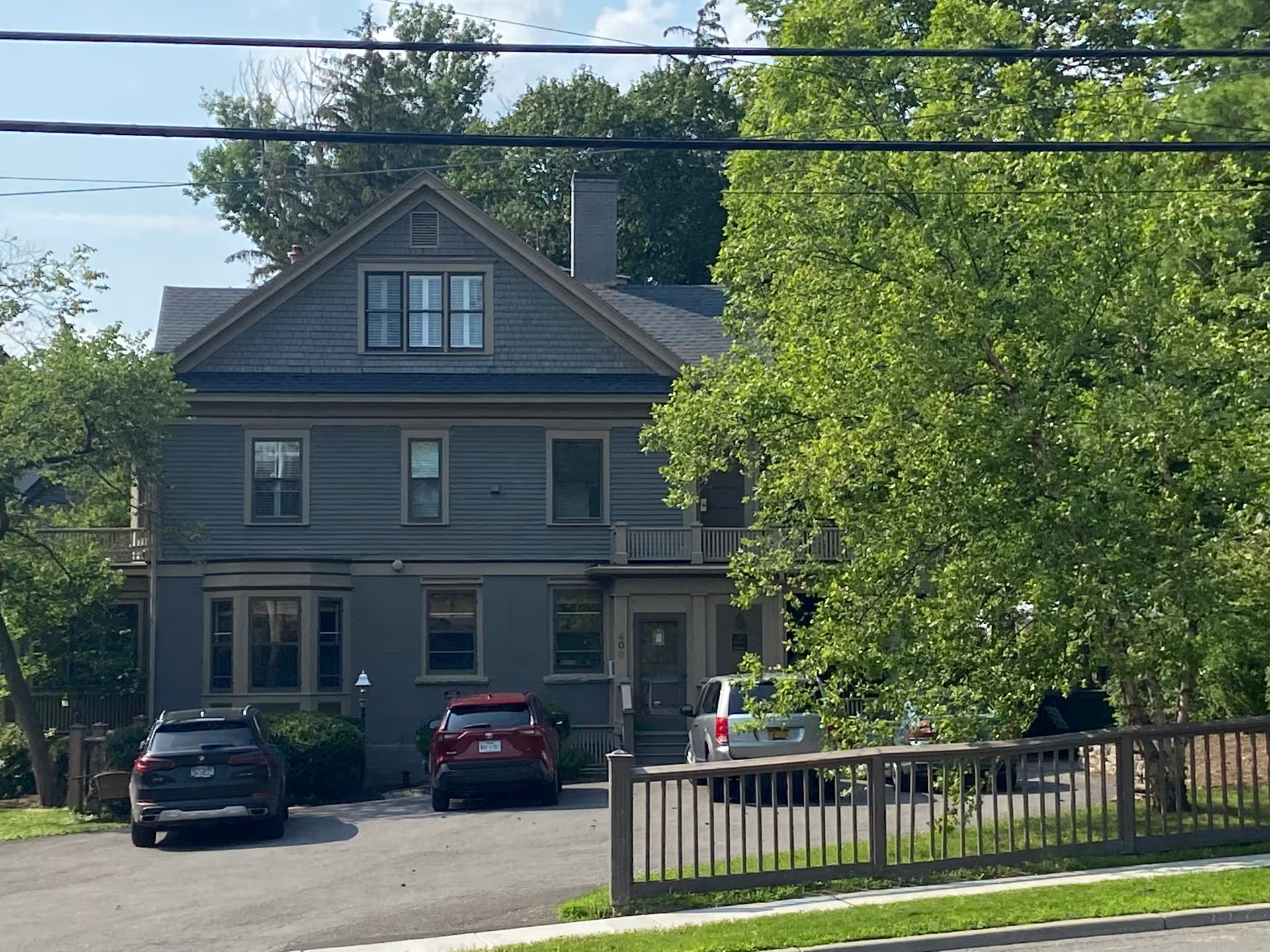
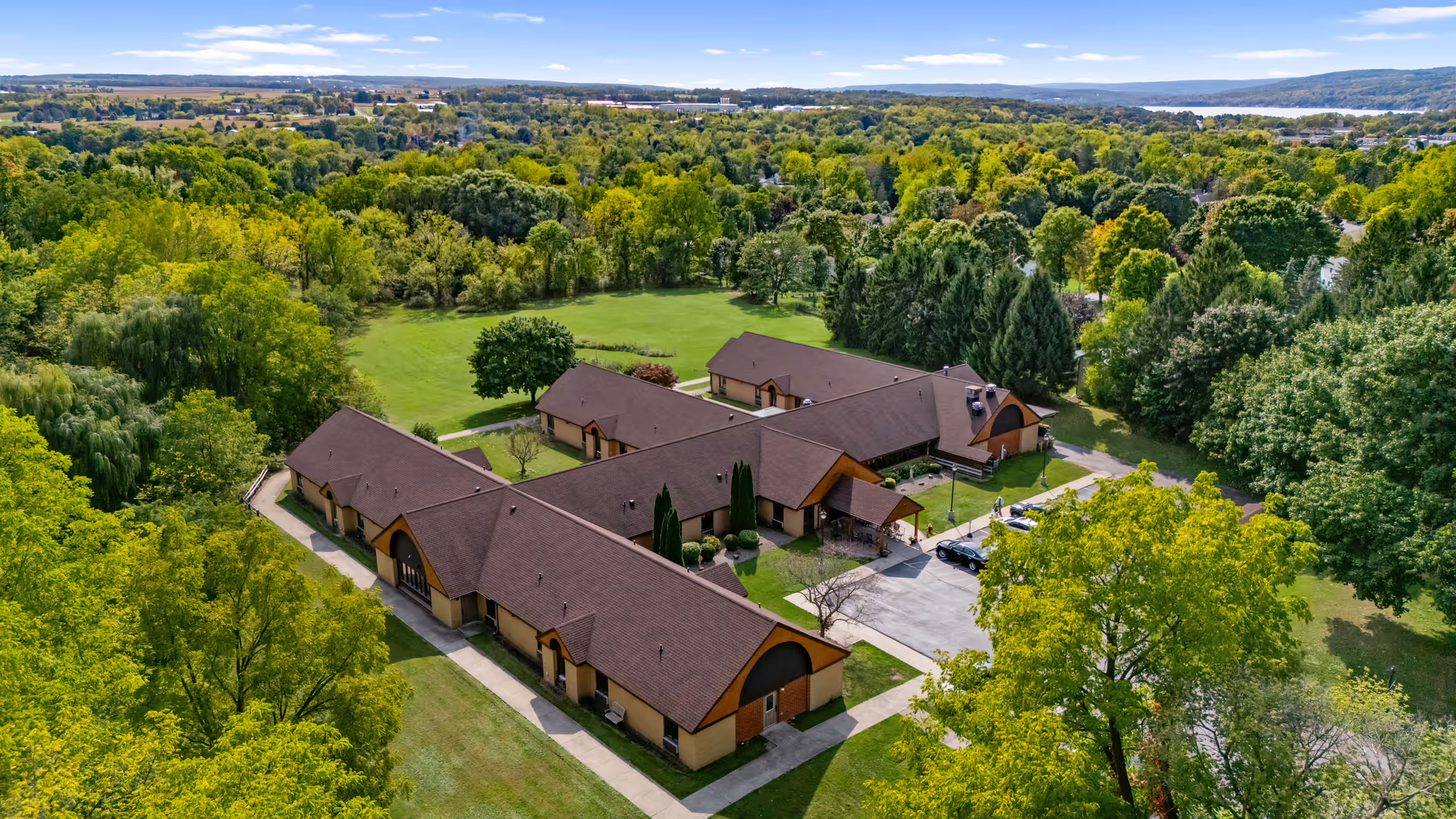
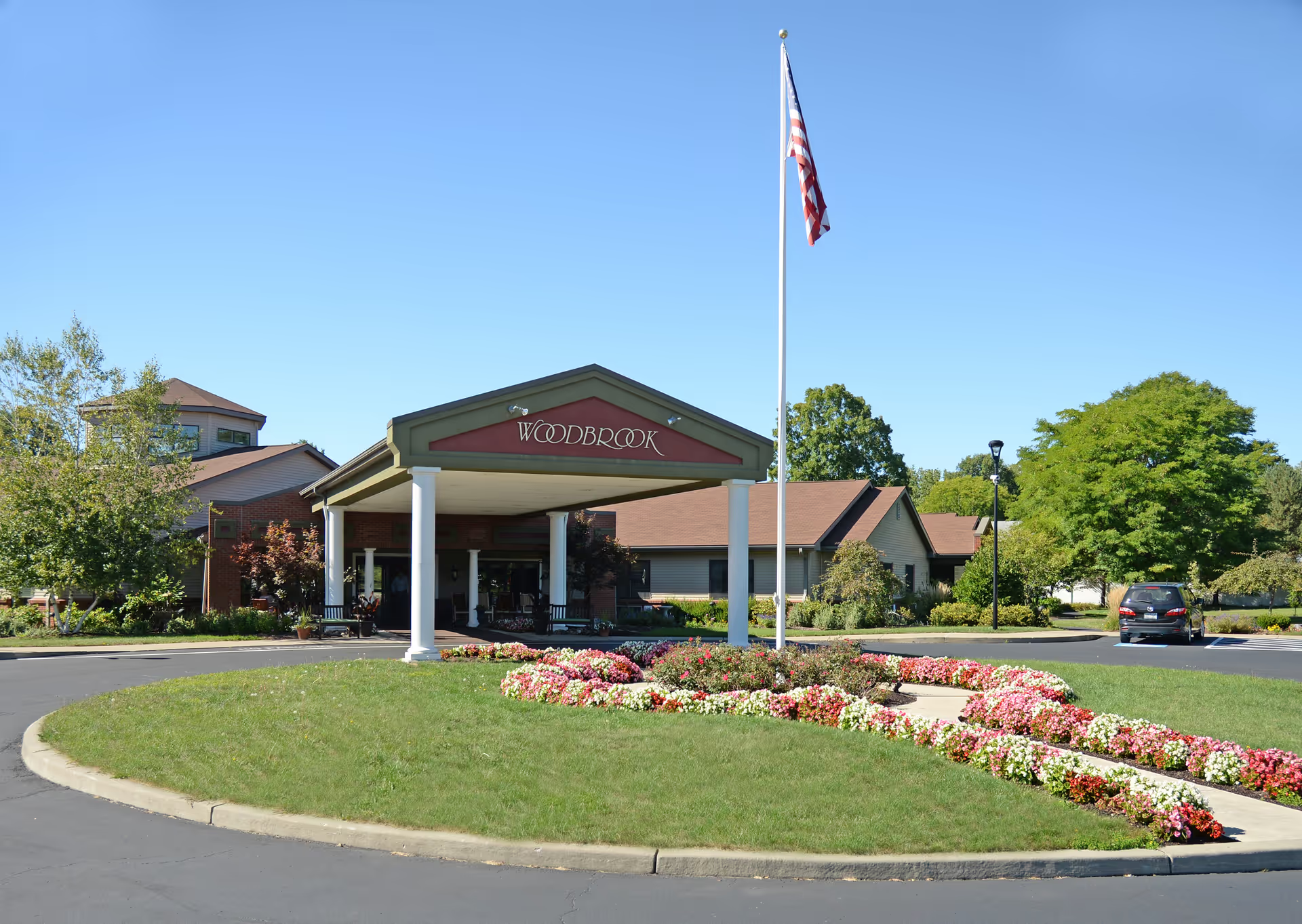
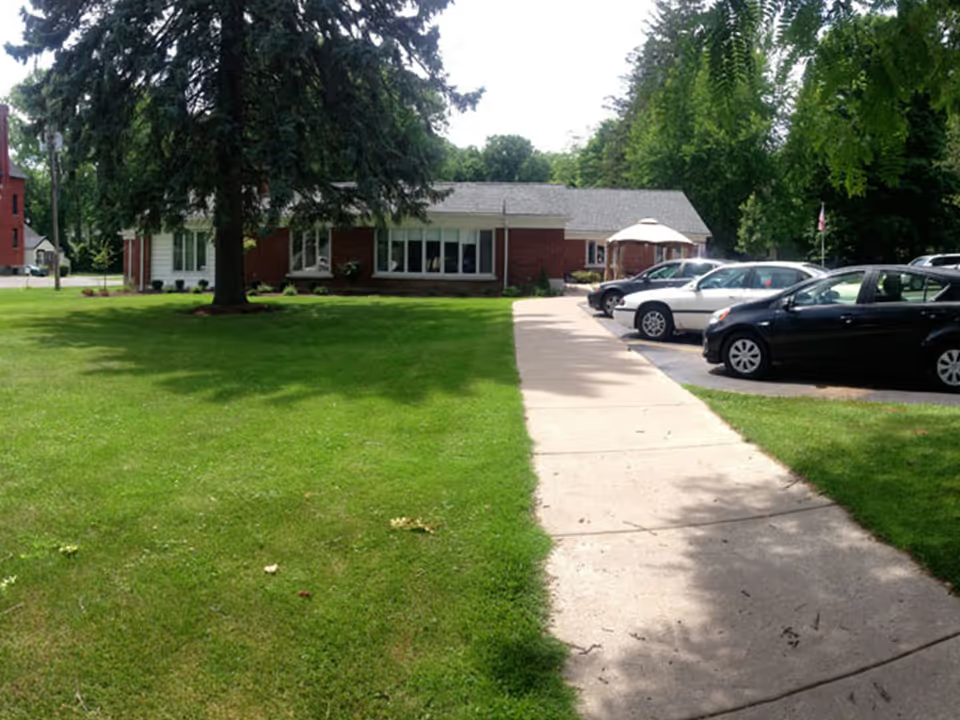
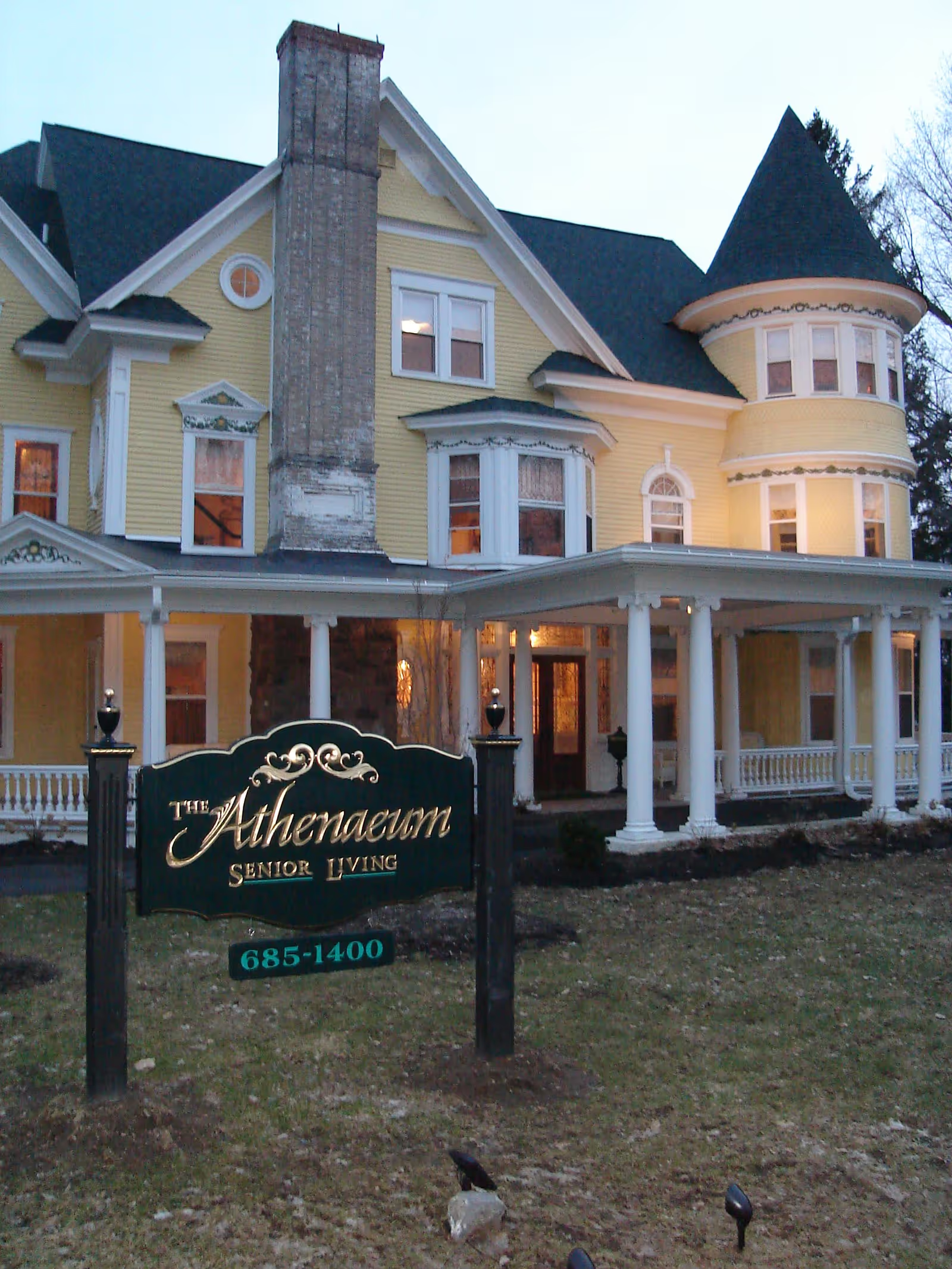
Facilities and housekeeping are a clear strength in many accounts: the building, common areas, and rooms were described as clean and well maintained. Where impressions soured, the cause was more often operational (staffing, communication, billing) than environmental.
Management and administrative practices are the most frequently cited operational weaknesses. Reviewers described uneven management responsiveness, a perception that marketing claims did not always align with experience, and disputes around billing and re-admission-related charges (examples include billing while a resident was away or changes to charges following a hospital stay). These financial and policy concerns, combined with communication gaps around clinical incidents and readmission decisions, were sufficient for some families to seek alternative arrangements.
Overall, the community demonstrates notable strengths at the bedside and in facility upkeep, but operational inconsistencies—particularly around staffing, clinical-incident communication, transfer safety, meal service reliability, and billing/readmission policies—are recurring themes. Prospective residents and families would benefit from targeted questions during a tour: staffing ratios and certification on the specific unit, written readmission and rehab policies, fall-prevention and transfer protocols, meal sampling and special-diet processes, and a clear, written billing and appeals process.