The Village at Germantown generates a mixed but generally serviceable profile across reviews. Positive commentary concentrates on aesthetics, amenities, dining, programming and certain aspects of clinical services; criticisms cluster around cost, communication and occasional lapses in staff conduct or care responsiveness. Prospective residents and families are likely to find a well-maintained, traditionally furnished setting with an active social program, but should weigh those strengths against financial and operational considerations.
Care and staff: Many reviews emphasize attentive, friendly interactions and a positive rehabilitation experience, with several families describing satisfactory long-term care outcomes and cleanliness. At the same time, a subset of accounts describe rude or inadequately attentive staff interactions and examples of care that did not meet expectations. Taken together, the pattern suggests generally good caregiving and therapy services for many residents, paired with variability in staff tone and responsiveness that can affect individual experiences.
Dining and activities: Dining receives consistent praise for menu variety and meal quality, and activities are described as varied and engaging. The community’s programming appears to support resident engagement and family visits, and reviewers frequently referenced the availability of social options and event offerings as a strength.
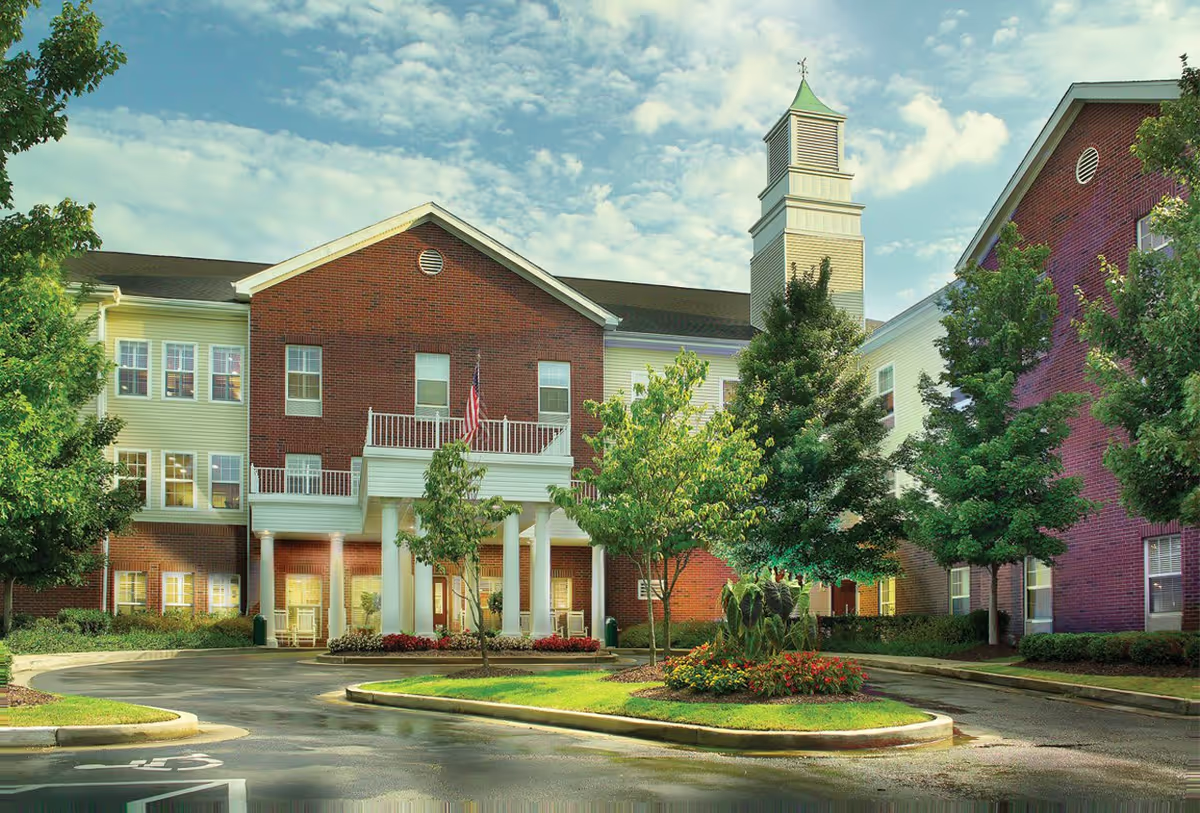
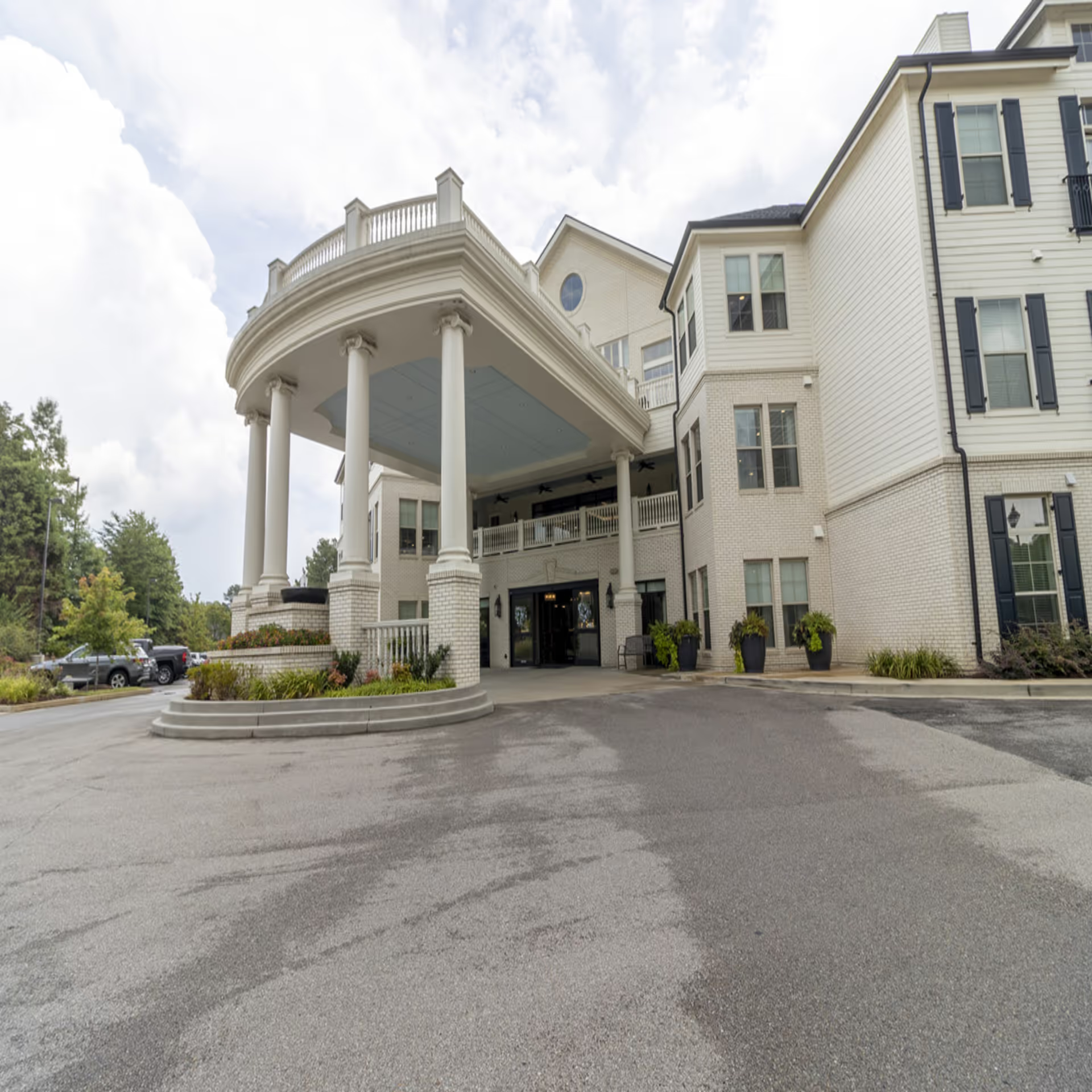
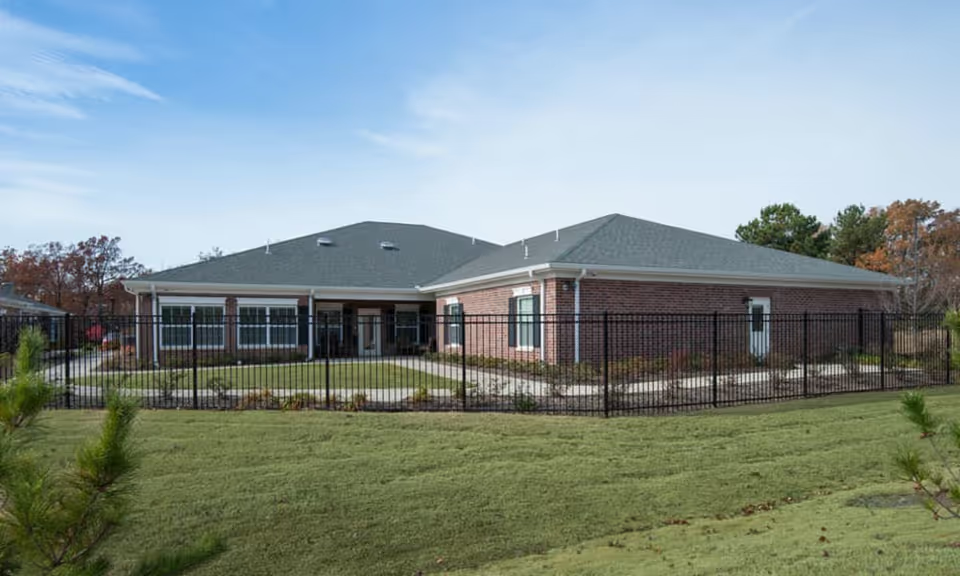
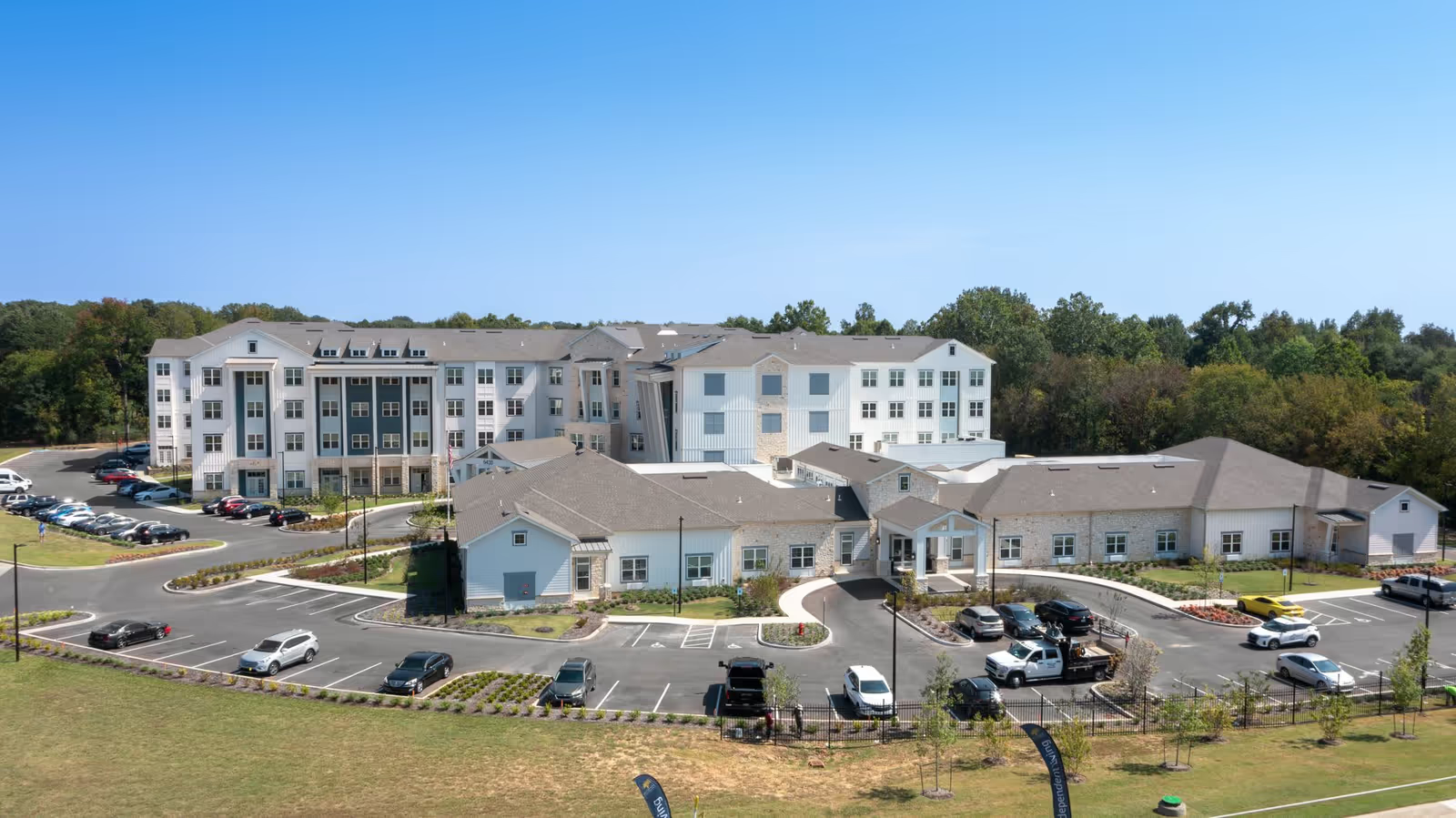
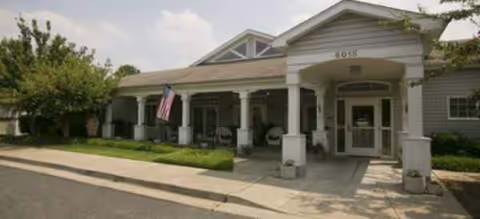
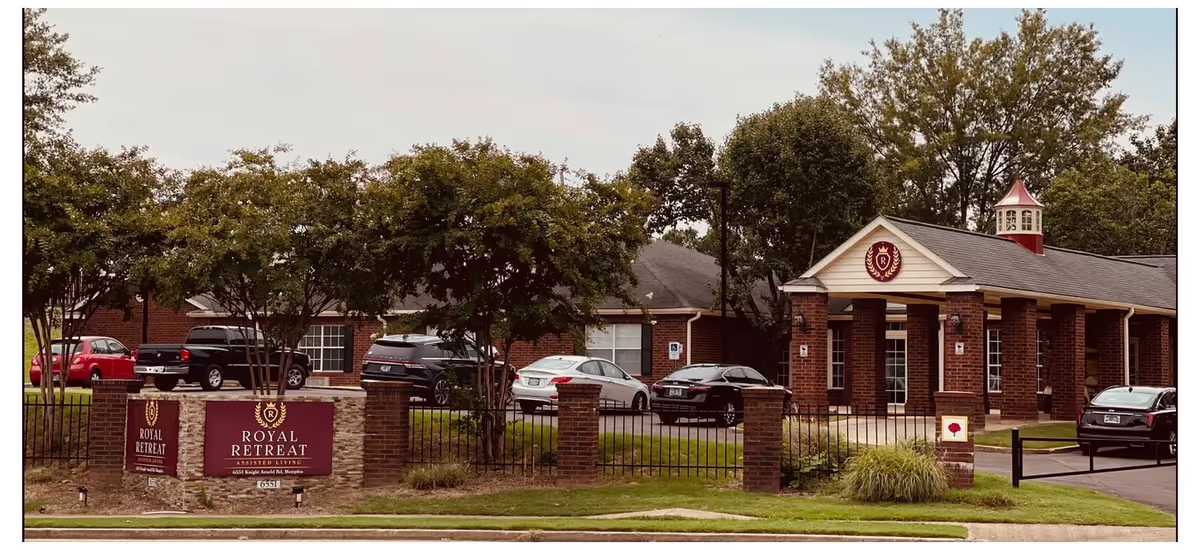
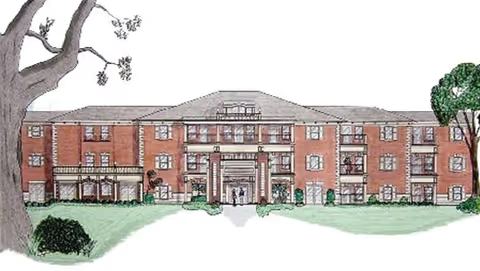
Facilities and amenities: Reviewers note attractive, traditional décor and well-maintained apartments that convey a home-like atmosphere. Amenities are described as comparable to other continuing-care retirement communities, and the property is perceived as clean and family-friendly for visits.
Management, costs and communication: A prominent theme in the critiques is cost. The community’s entrance buy-in and ongoing monthly fees are described as high; coupled with that, reviewers flagged limited clarity in fee explanations and contract details. Communication gaps with families and residents — including insufficient explanations about charges or care plans — emerged as a recurring operational weakness. These financial and transparency issues were significant enough that some prospective residents chose alternative communities.
Notable patterns and practical takeaways: Strengths center on environment, dining, activities and rehabilitation services, while weaknesses center on affordability, fee transparency and consistency of staff conduct and communication. Families considering the community should confirm fee structure and contract terms in writing, ask for examples of staffing levels and communication protocols, meet caregiving staff during a visit, and, if possible, sample dining and program offerings before committing. Doing so will help align expectations with the variability reflected across reviews.