Overall impression: Review content indicates a facility that performs strongly as a short-term rehabilitation setting. Clinical strengths are consistently emphasized, with reviewers citing skilled nursing, attentive physicians, and proactive physical and occupational therapy. The organizational emphasis on recovery and measurable rehabilitation goals is a recurring theme, making the site well suited to post-acute or time-limited rehab stays.
Care and staff: Many comments highlight professional, compassionate care from frontline clinical staff and therapy teams. The therapy programs are described as active and goal-oriented, supporting functional recovery. At the same time, a pattern of variability in staff engagement is present in the feedback: while many families describe excellent interactions, others describe lapses in responsiveness or a less consistent level of attention from certain employees. Reviewers also raise concerns about the tone of communication from some members of leadership, which can affect family experience and perceived transparency.
Dining and activities: Dining is repeatedly described in positive terms, with high-quality meals and favorable impressions of food service. Activity programming receives praise as well, with an activities director characterized as motivating and programs framed as supportive of recovery and resident engagement.
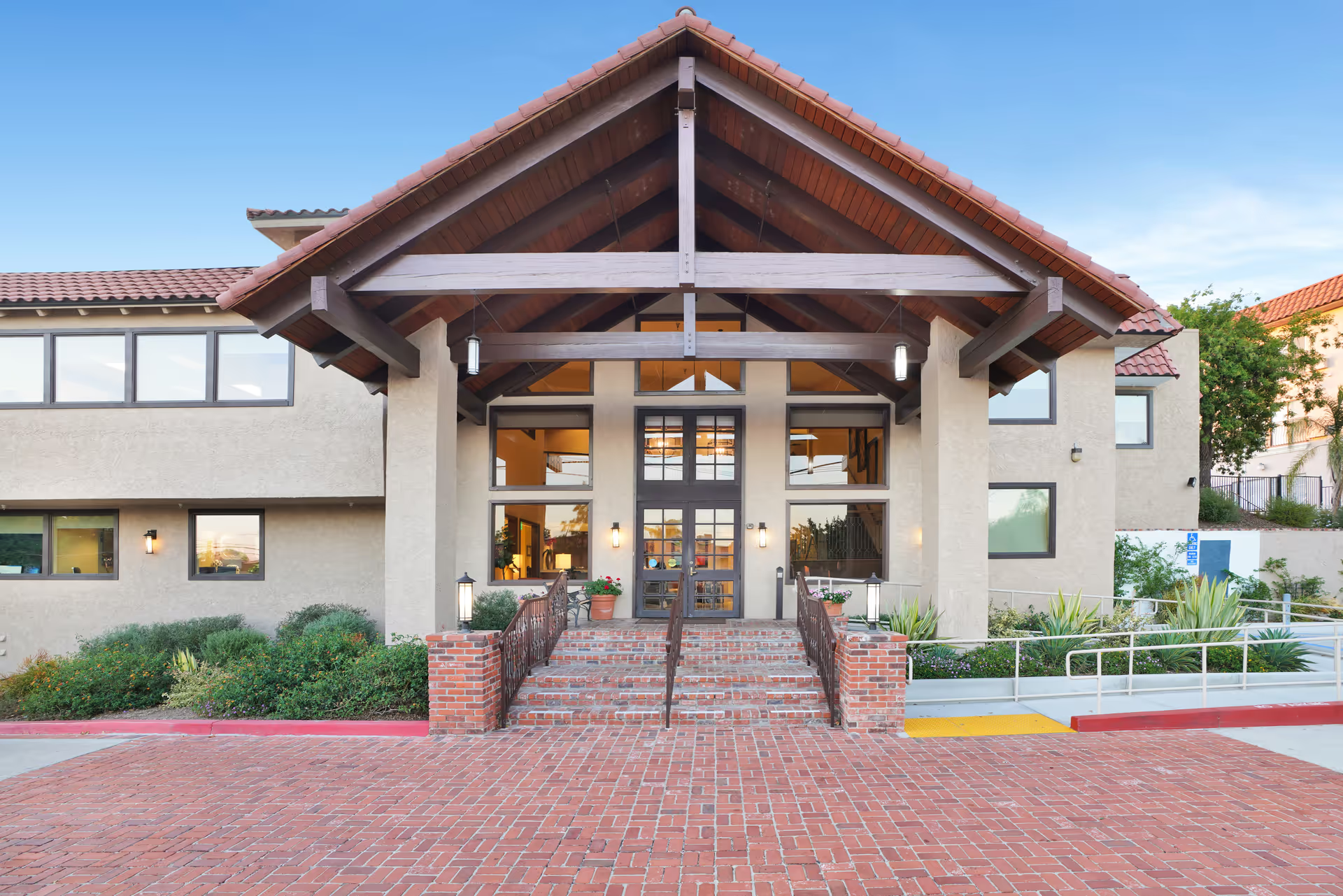
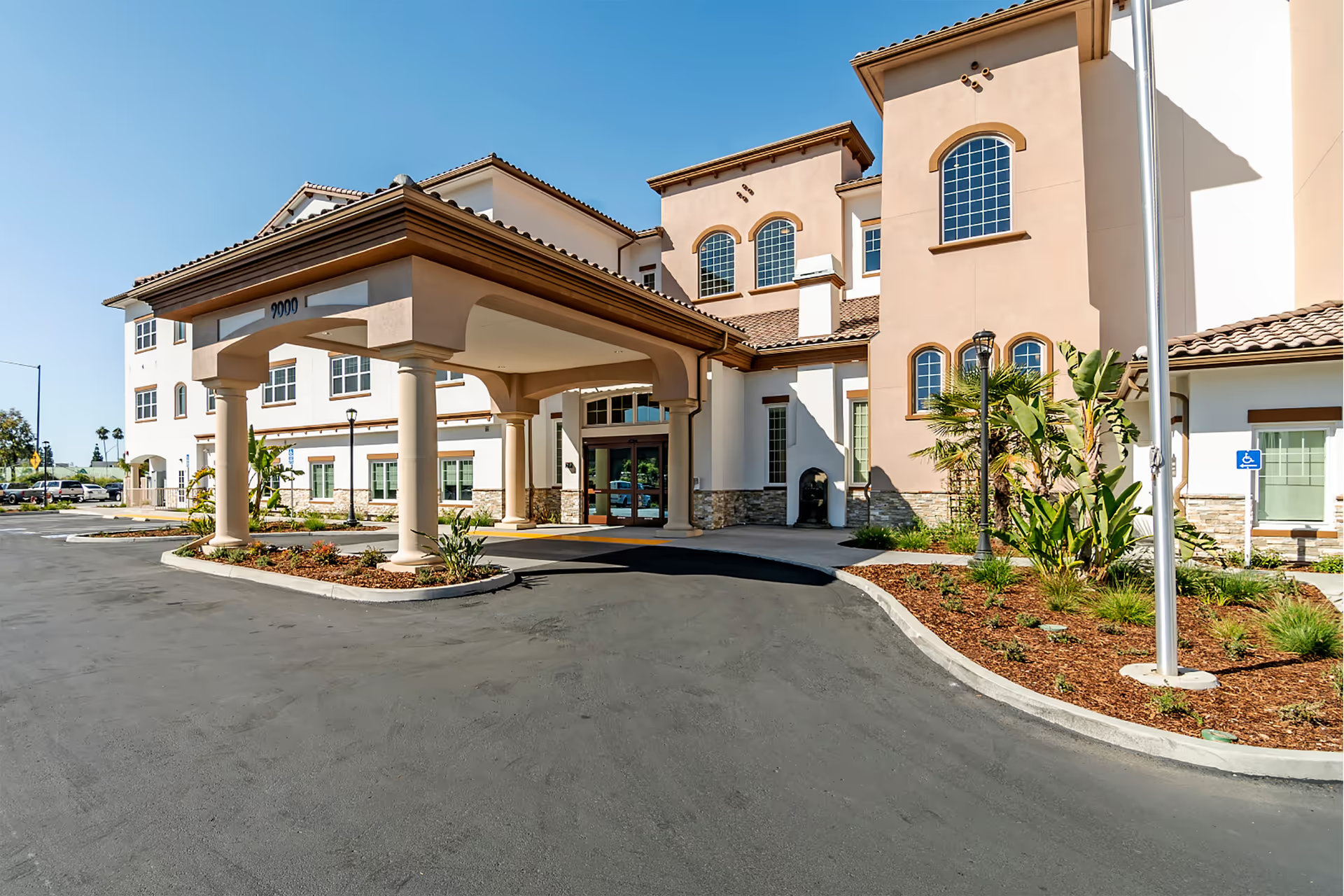
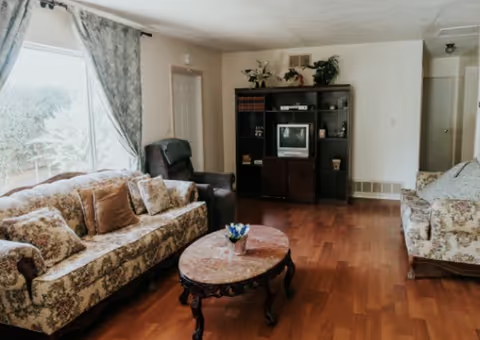
Facilities and cleanliness: The physical environment is portrayed as well maintained and immaculate. Cleanliness and facility upkeep are noted as strengths that contribute to an overall positive impression of the campus.
Management and operational patterns: Management-related concerns appear in the feedback and tend to focus on administrative responsiveness and leadership consistency. Some reviewers characterize supervisory behavior as problematic, and others use strong language about leadership competence; those reports translate into operational-level concerns about leadership stability, communication practices, and oversight. These management issues are frequently cited as the primary reason families consider the facility less appropriate for long-term residential placement.
Notable patterns and considerations for prospective residents: The dominant pattern is a high-quality rehabilitation environment with strong clinical and therapy services, excellent meals, robust activities, and clean facilities. However, variability in staff engagement and management responsiveness suggests prospective residents and families should clarify expectations around staffing consistency, leadership communications, and long-term-care programming before committing to an extended stay. For those seeking short-term, outcome-driven rehab, the facility warrants serious consideration; for long-term placement, families should perform additional due diligence regarding administrative practices and care continuity.