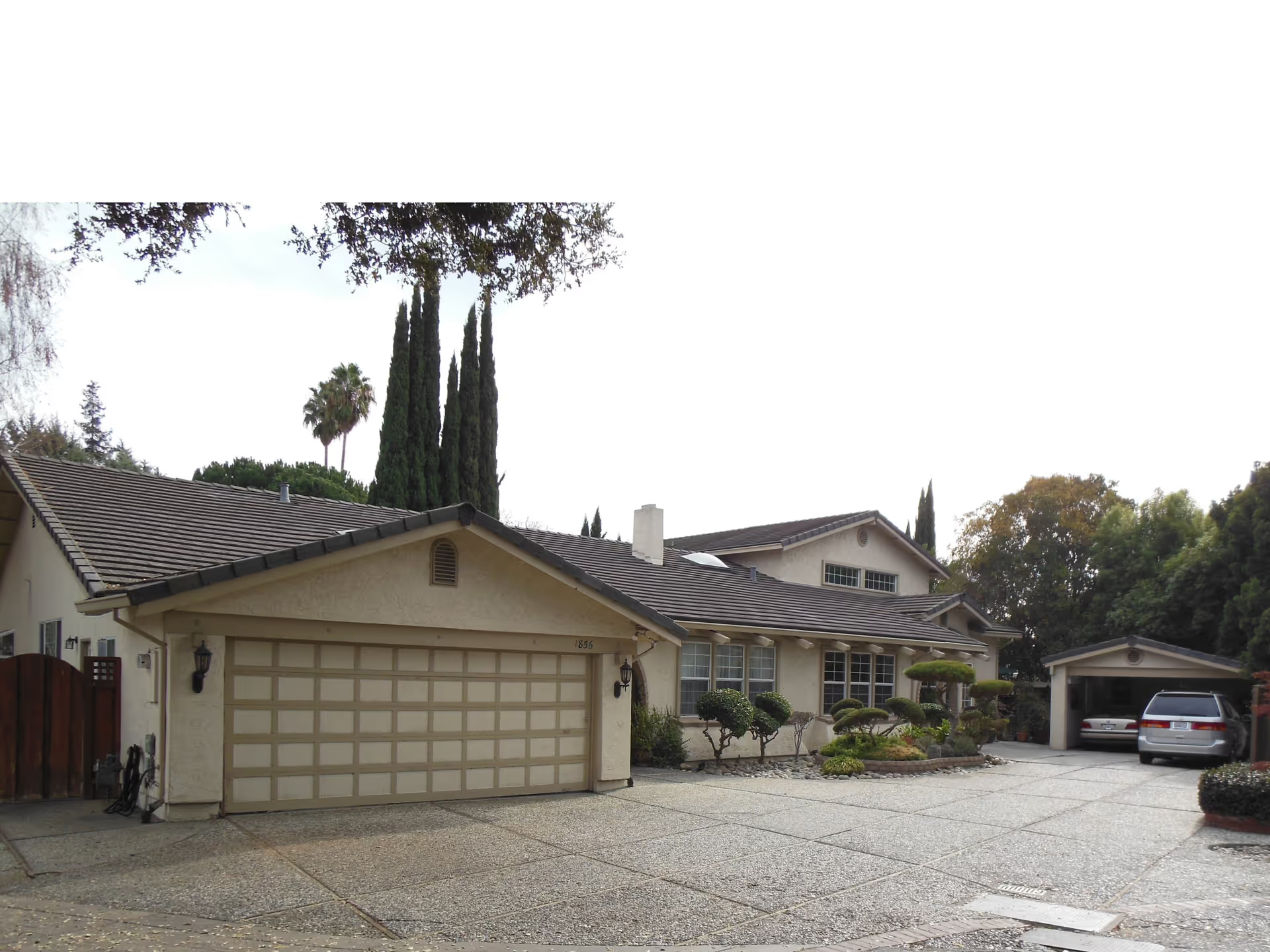
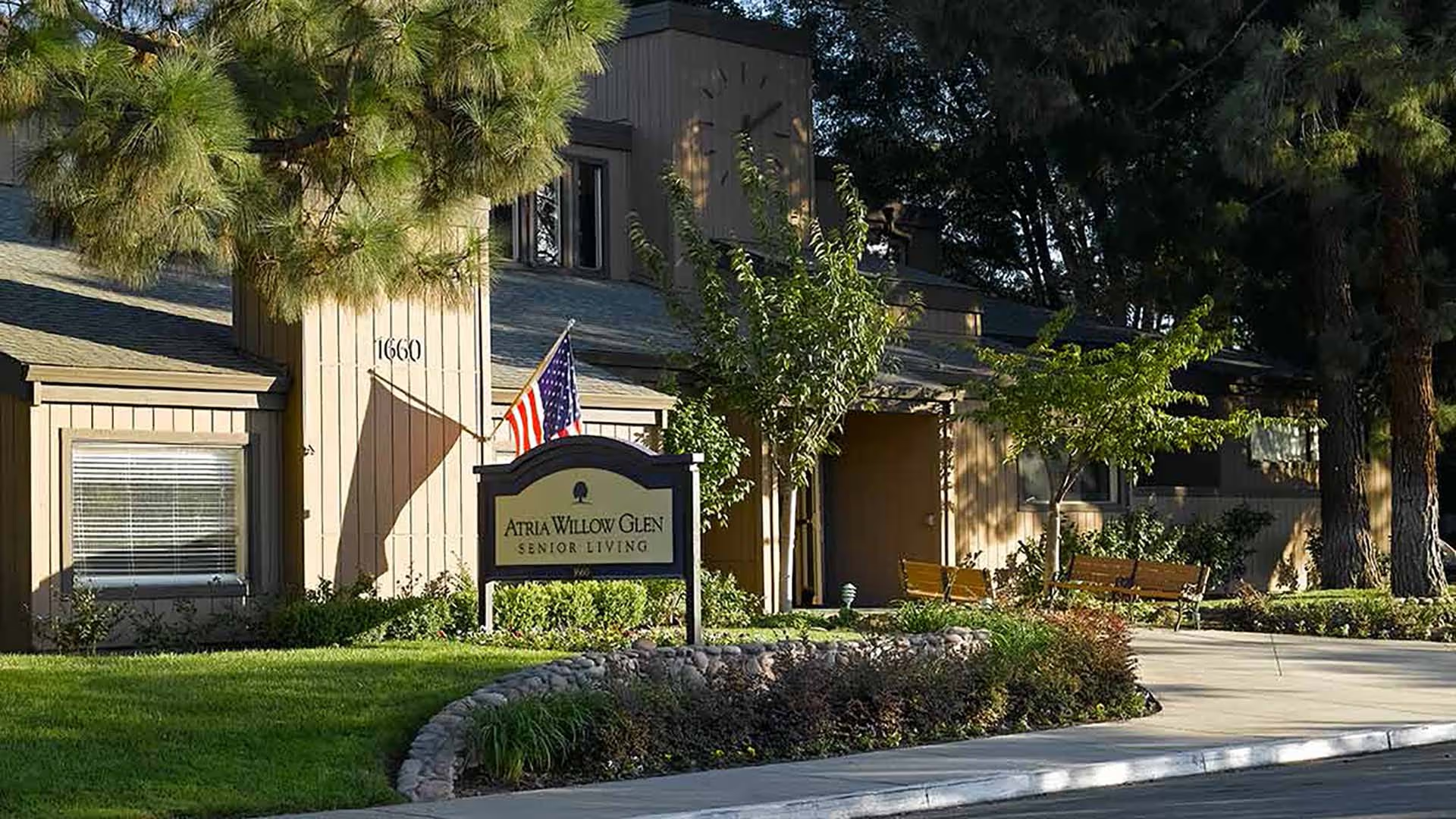
The reviews for Vasona Creek Healthcare Center present a polarized picture: several families describe highly competent, compassionate staff and strong rehabilitation outcomes, while others cite persistent operational and clinical concerns. Positive feedback centers on caring frontline aides and therapists, an active activities program, an attractive and recently remodeled physical plant, and successful short-term rehab outcomes for some residents. At the same time, recurring themes in negative feedback point to systemic weaknesses that prospective families should evaluate closely.
Care quality is inconsistent. Many reviewers praise individual caregivers and therapists for attentive, patient-focused work and observable improvement in mobility and function. Conversely, other accounts describe delays in basic assistance (dressing, toileting support, wound checks), uneven documentation, and instances where families felt clinical oversight was inadequate. Several reviewers raised serious medication-management concerns, including an alleged dosing error; such claims underscore the need to confirm medication-safety protocols and nurse availability during tours.
Staffing and staff conduct are a central pattern. Positive comments highlight friendly, encouraging aides and named staff who went above and beyond. However, numerous reviews reference understaffing, visible staff burnout, staff distracted by personal devices, and slow or unreliable responses to call buttons. Reviewers also noted gaps in RN coverage and shifting levels of clinical supervision; these operational traits appear to drive many of the care-quality discrepancies observed.
Dining, activities, and facilities receive mixed evaluations. The activities program and therapy services are frequently praised for engagement and effective rehab programming. The building, entrances, and some rooms are described as clean and well-maintained, and private rooms with en-suite bathrooms are available. At the same time, comments about inconsistent meal quality, limited diabetic-friendly options, sanitation and odor concerns in particular wings, and crowded shared rooms with occasional privacy lapses suggest variability in daily living conditions across the facility.
Management, communication, and property handling create additional areas for due diligence. Families reported difficulties reaching staff by phone, delayed or insufficient communication about clinical changes, and inconsistent follow-through on belongings (dentures, hearing aids). Some reviewers called attention to operational disorganization around scheduling and admissions coordination, while others found the admissions process smooth and staff helpful. This split suggests experience may depend on unit, shift, or individual staff assignments.
What to ask and observe: prospective residents and families should tour multiple units and request current staffing ratios and RN coverage schedules; ask about medication administration checks, incident-reporting procedures, and documentation practices; confirm dietary accommodations and sample menus; enquire about cleaning and infection-control protocols for specific wings; and verify policies for handling personal items and reimbursements. Because experiences appear highly variable, direct observation of care interactions, call-response times, and therapist schedules during a visit will be especially informative.