Care quality appears uneven across reviews. Several accounts indicate lapses in routine nursing practices that affect skin integrity and incontinence management, suggesting inconsistent repositioning and delayed attention to toileting needs. At the same time, other families describe residents who appear content and safe; this contrast points to variability in day-to-day clinical responsiveness rather than a uniform standard of care.
Staff behavior and clinical services present a mixed picture. Physical-therapy personnel and some frontline caregivers are described as courteous and effective, and families confirm clinical services are available and helpful. However, there are recurring concerns about staff accountability, communication tone, and honesty; in at least one instance an issue with resident property was raised, which highlights the need for stronger accountability and inventory controls. Prospective families should request detailed information on staffing ratios, supervision, and property-inventory procedures.
Dining and activities are relative strengths. Meal presentation was described as appealing by visitors, and residents are portrayed as engaged. Outdoor amenities include shaded seating, umbrella tables, and a sun-protective tent, which support outdoor socialization and comfort. These spaces appear to be used and appreciated by residents and families when available.
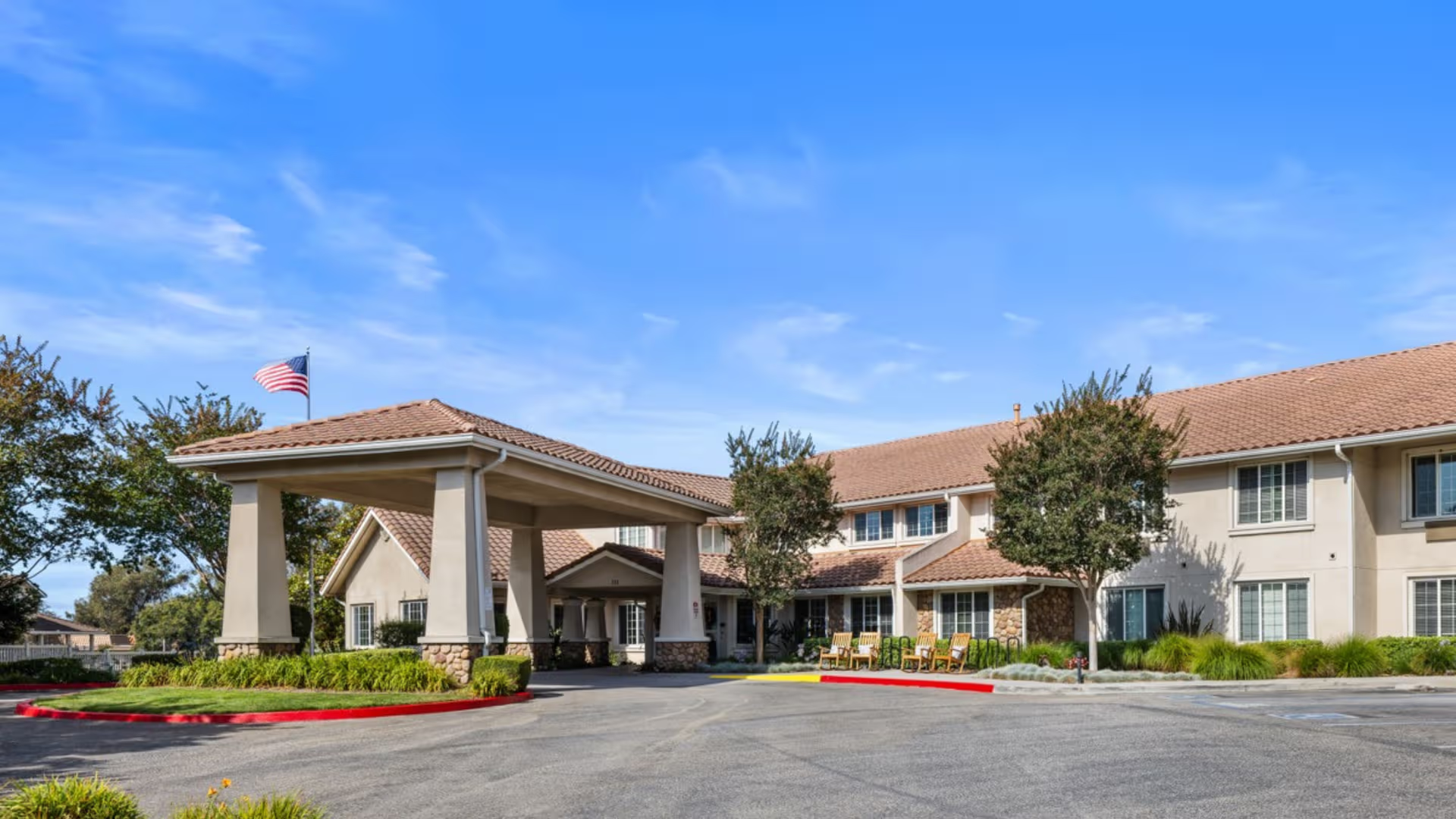
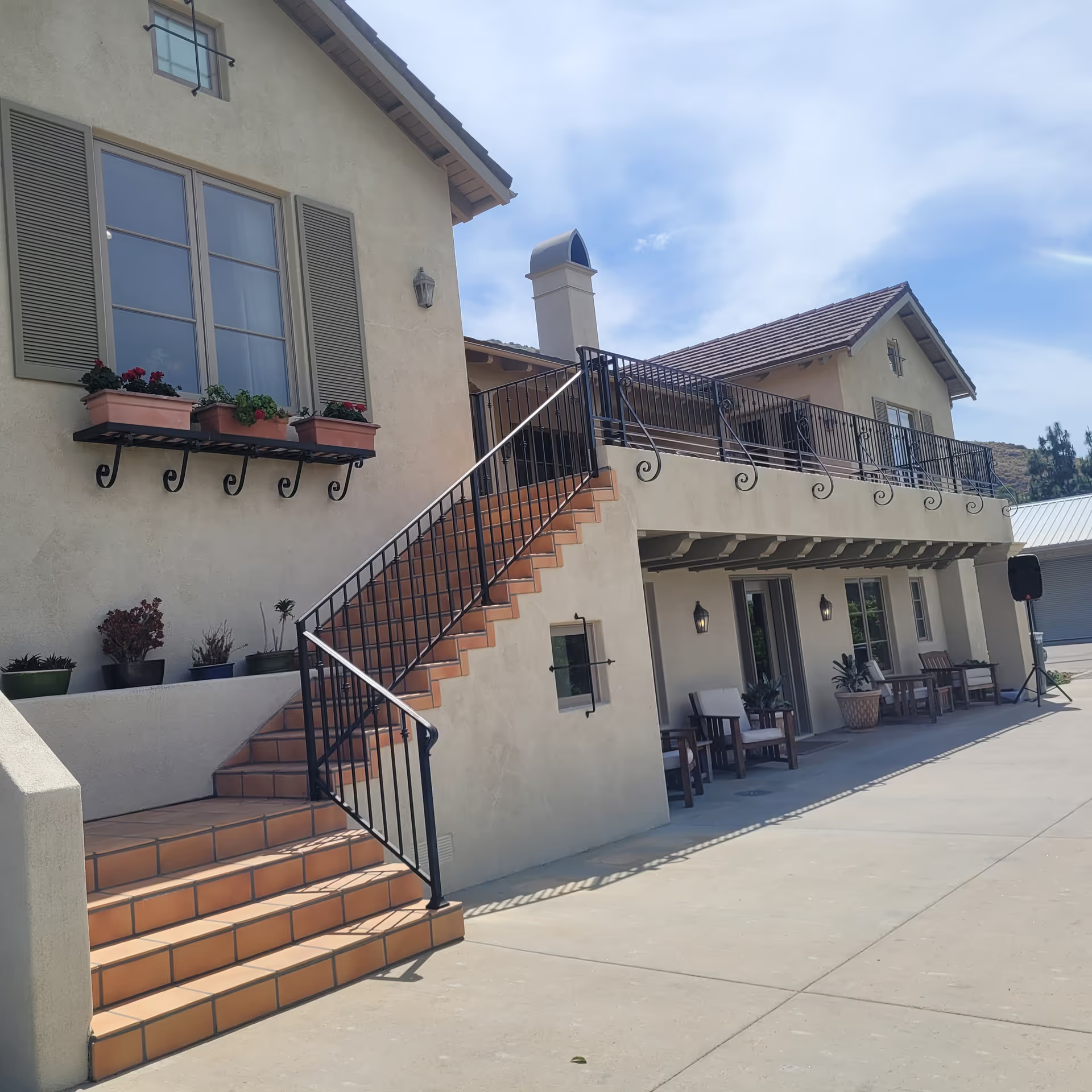
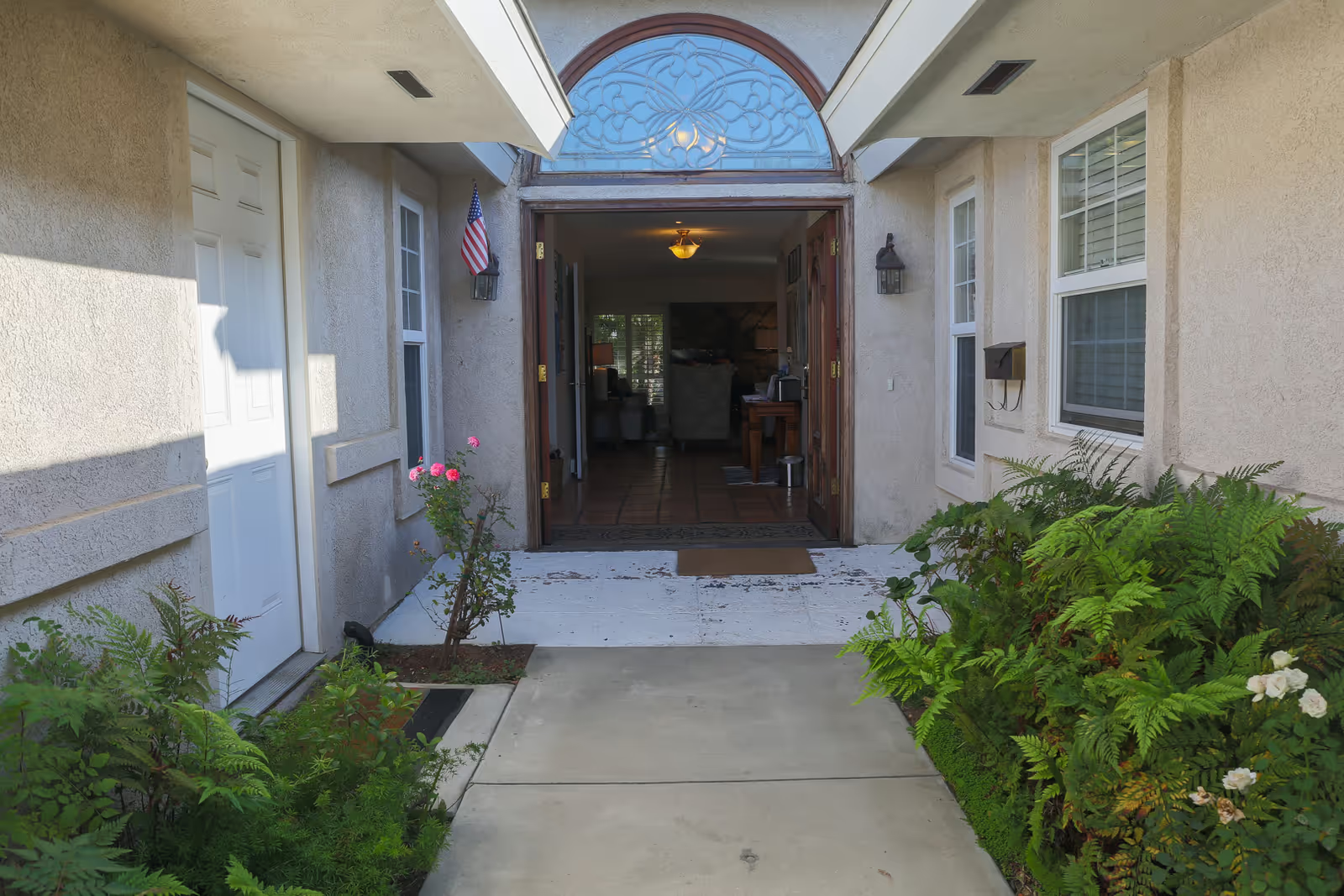
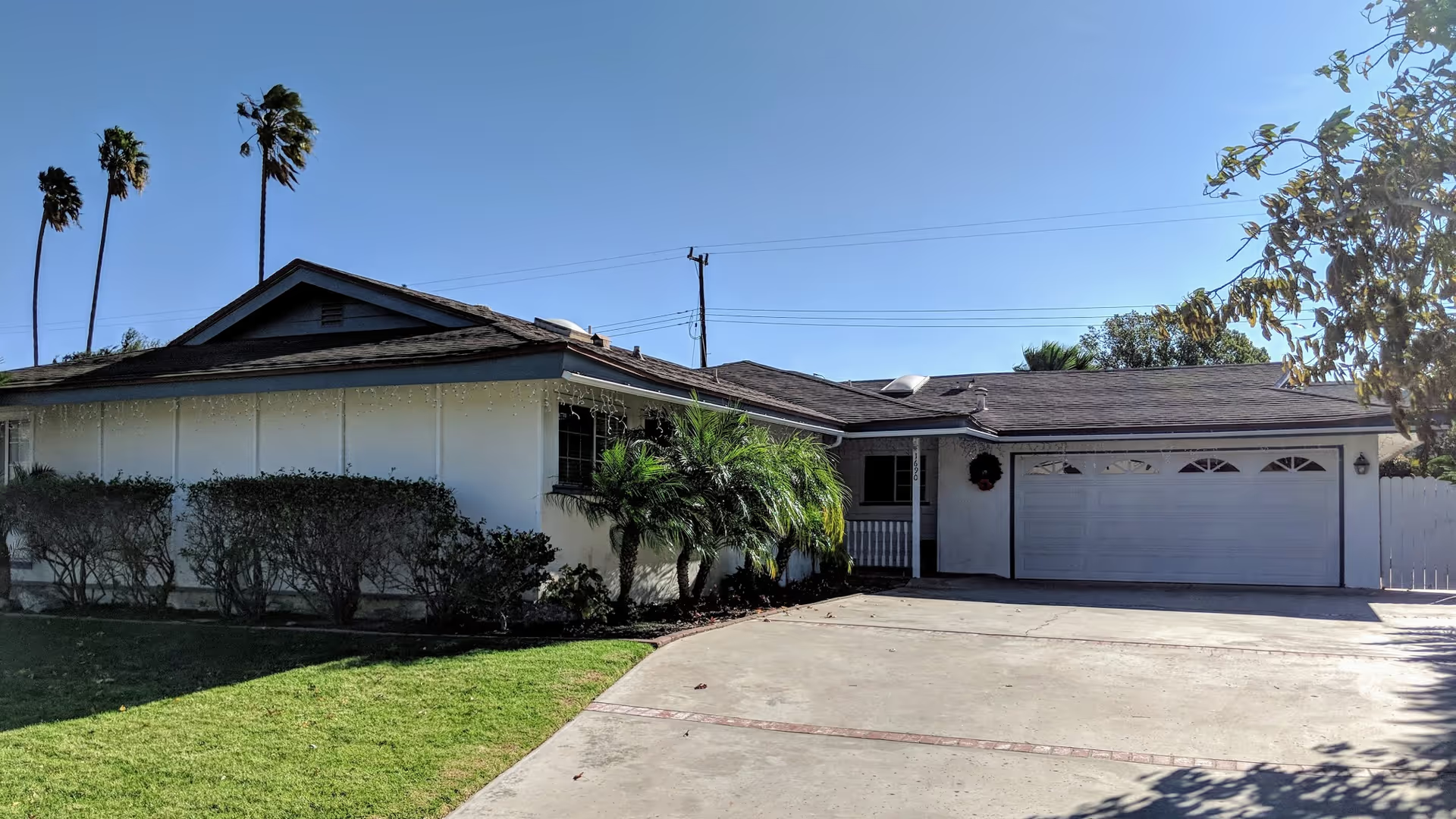
The physical plant shows both positive and negative characteristics. Common areas are often described as clean, but the building itself is older: rooms are small, interiors can be darker, and the layout can feel crowded. Reviewers expressed that the facility would benefit from cosmetic updates and continued maintenance to improve lighting and perceived openness. Cleanliness and upkeep appear inconsistent across different areas, so an on-site walkthrough is advisable to assess specific rooms and wings.
Management and policies are another area of concern. Families report gaps in communication about care issues and frustration with restrictive visitation procedures used during infection-control periods. The admission process and property inventory practices were also identified as needing improvement; those operational weaknesses intersect with family trust and satisfaction. There are also references to safety concerns for residents with cognitive impairment, indicating that dementia-specific protocols and environmental safeguards should be reviewed.
Overall pattern: experiences range from satisfied families who praise therapy staff, food, outdoor amenities, and general resident comfort, to families who describe operational and clinical inconsistencies that warrant attention. The most actionable areas for improvement are standardized repositioning/wound-prevention protocols, incontinence-care responsiveness, clearer family communication and property-accountability procedures, and targeted updates to the physical environment and dementia-safety measures. Prospective residents and families should conduct a focused visit, ask for demonstrations of wound-prevention and incontinence-care protocols, review staffing levels, and verify inventory procedures and visitation policies before making a decision.