Reviewer feedback for Grimes YN Health Care Center is mixed, with a pronounced split between strong rehabilitation outcomes and recurring operational concerns. Many accounts describe a robust PT/OT program that is well-equipped and capable of producing measurable mobility gains; several families credited therapy staff with enabling residents to regain walking ability or make substantial functional progress. Daily therapy, focused rehab plans, and activities such as weekly hairstyling are frequently cited as strengths that support both recovery and quality of life.
Nursing and front-line care receive varied assessments. Positive reports highlight attentive, compassionate nurses and responsive staff, with directors who are accessible and willing to coordinate care or room cleaning. At the same time, other reports describe inconsistent staffing levels that contribute to delays in attending to resident needs. These operational gaps manifest as slow medication administration at times, missed personal-care opportunities (for example, missed showers or delayed assistance), and missed or delayed treatments and appointments. Such variability appears to be shift-dependent: staff performance and responsiveness are frequently described as strong on some shifts and weak on others.
Safety and clinical-management themes emerge as important concerns. Reviewers noted instances that suggest gaps in safety monitoring and fall-prevention practices, including unwitnessed falls and bed-rail/monitoring questions. There are also reports of incontinence-care delays and related sanitation concerns that families found troubling. Medication-timing inconsistencies and coordination deficiencies were mentioned in several accounts and may reflect broader scheduling or staffing challenges. Additionally, there are allegations of discriminatory behavior and serious lapses in responsiveness that families requested be investigated; those claims indicate a need for transparent review and corrective action by management.
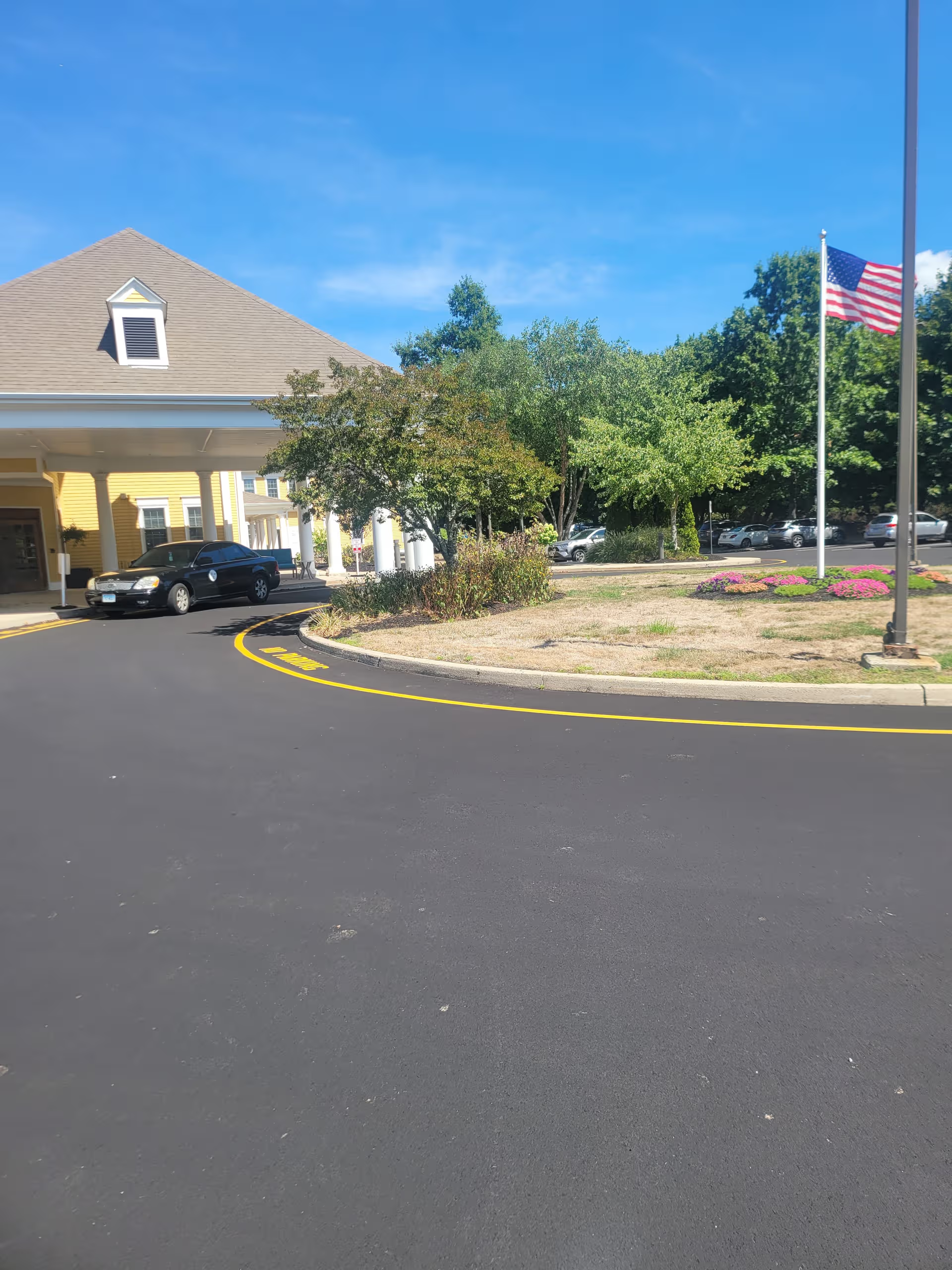
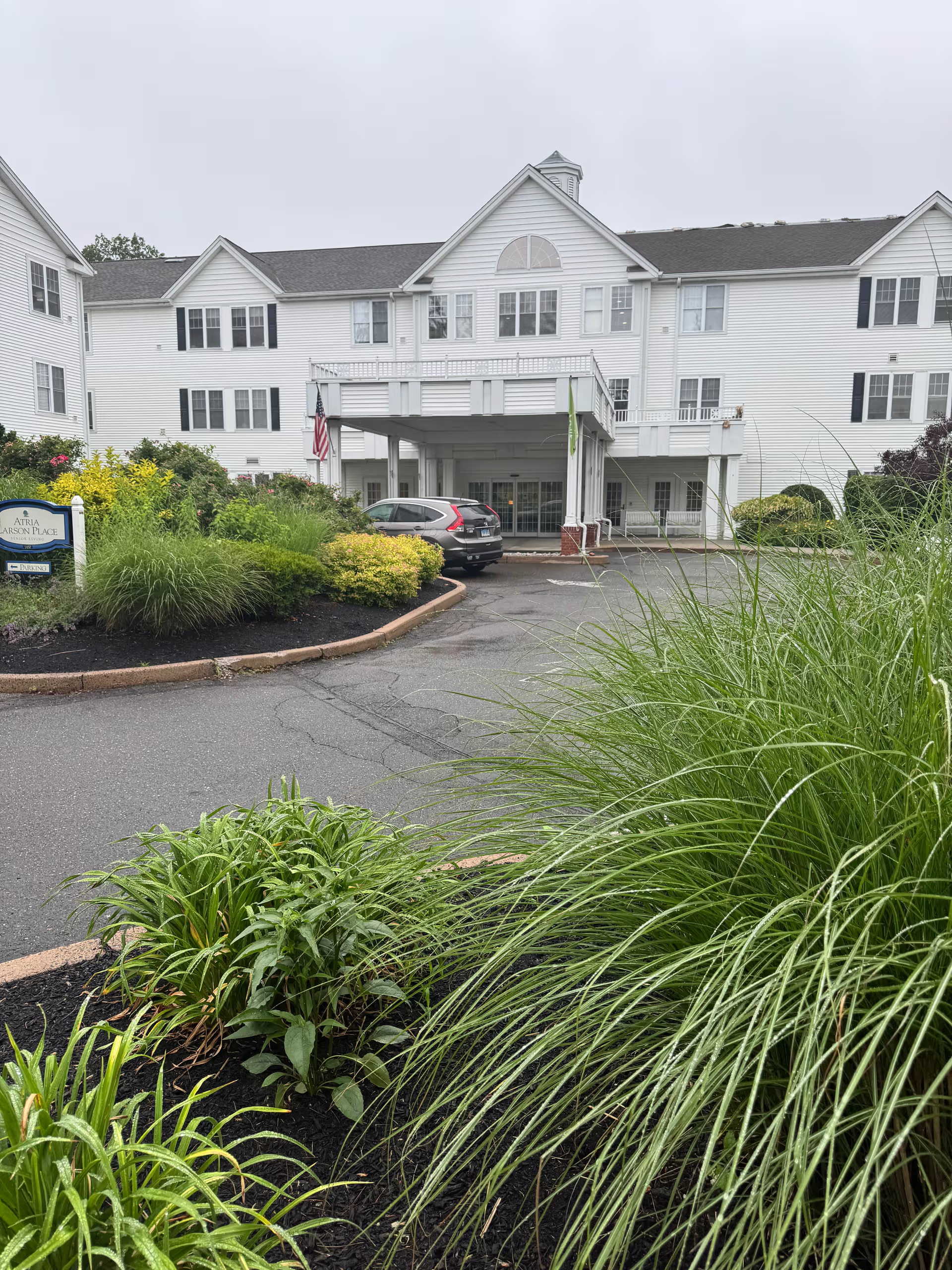
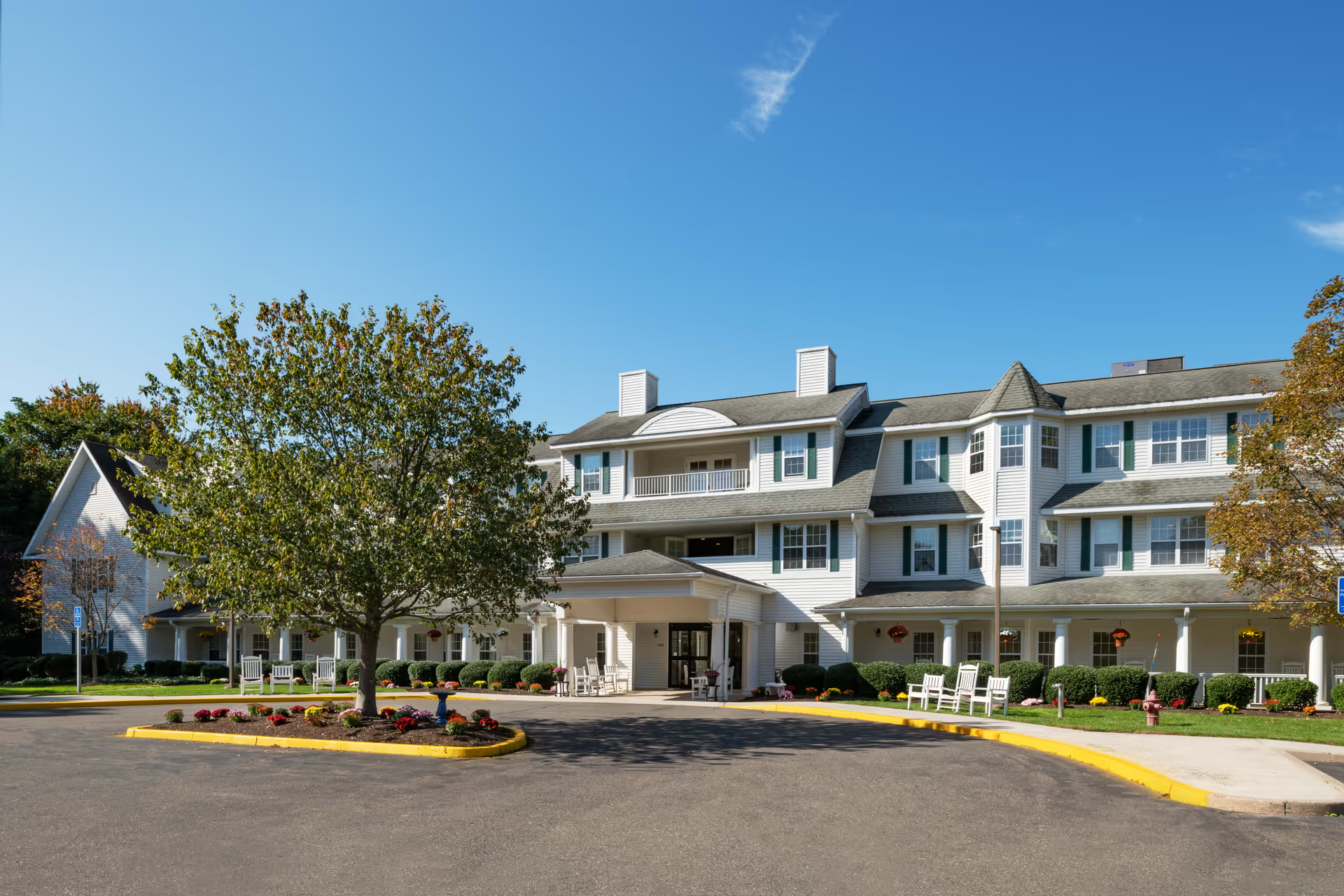
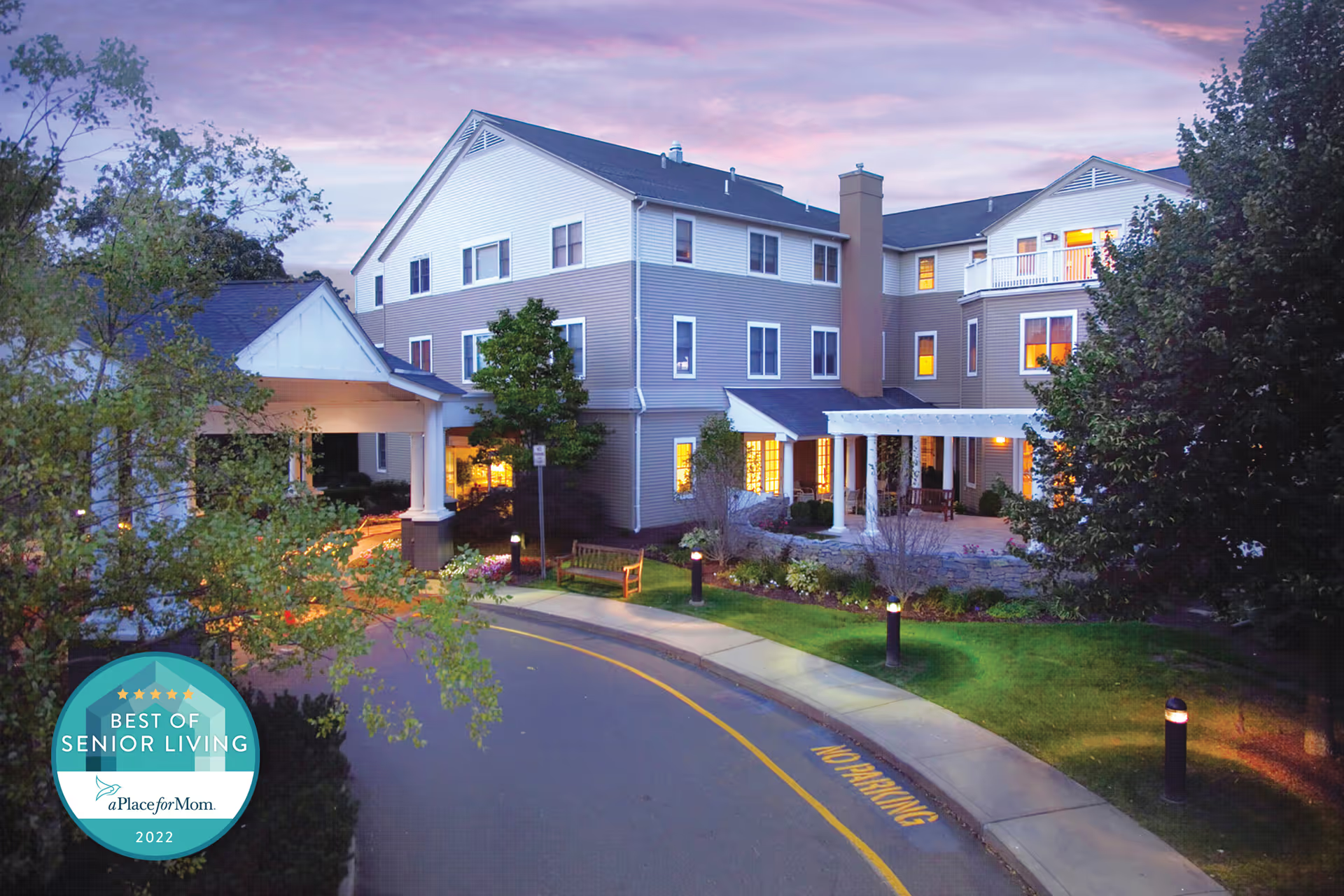
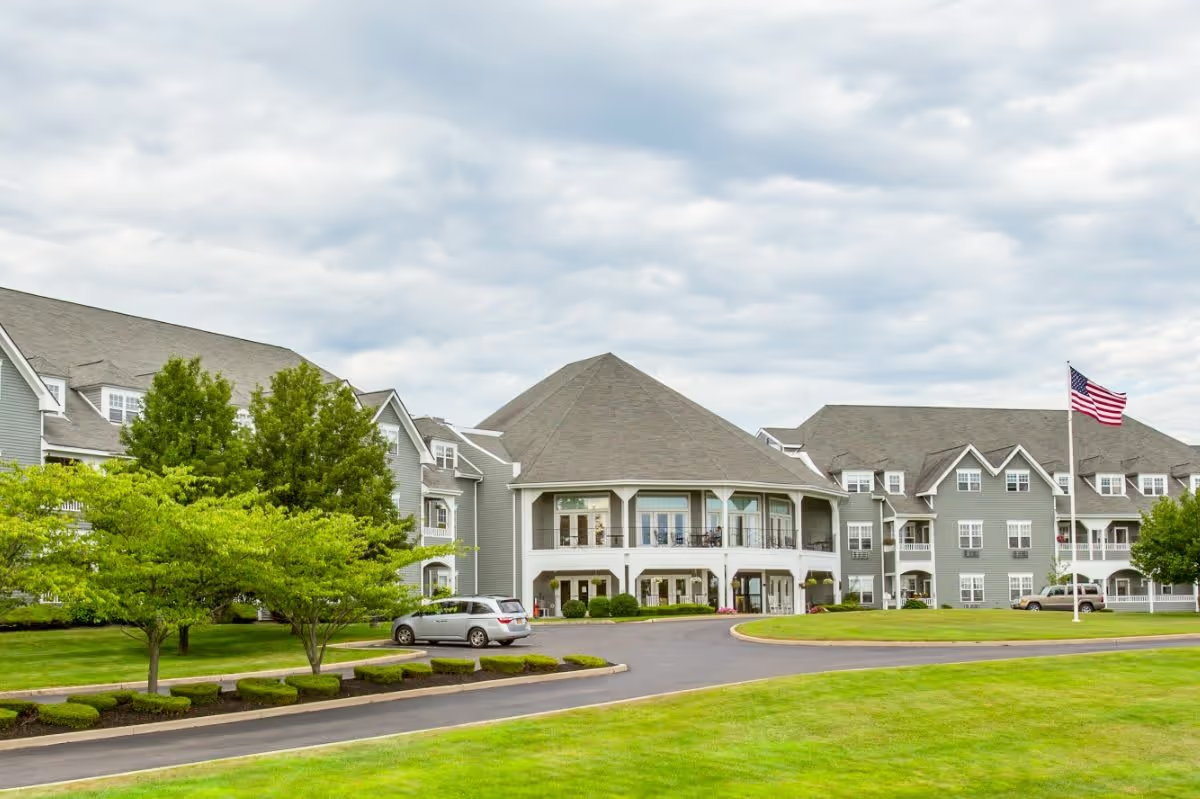
Dining, activities, and facility environment are generally described positively. Many families praised the food, the cleanliness of public areas, and a welcoming atmosphere. The facility’s therapy spaces and equipment receive favorable comments, and hospice-friendly policies and compassionate end-of-life support were noted as strengths. Recreational programming and regular grooming services contribute to resident morale according to multiple accounts.
Management and communication present a mixed picture. Some families report effective, timely engagement from directors and coordinated responses to concerns, while others encountered miscommunication, inconsistent follow-through, and emotional distress when serious issues arose. The pattern suggests that while leadership can be responsive, systemic improvements in staffing consistency, scheduling, and incident investigation would address the most frequently raised concerns.
Recommendation for prospective families: observe staffing and responsiveness across different shifts, ask about medication-administration protocols and fall-prevention systems, clarify personal-care scheduling (bathing and toileting assistance), and review how the facility documents and follows up on complaints or investigations. The center demonstrates strong rehabilitative capacity and many positive caregiving interactions, but operational variability and safety/cleanliness process gaps are recurring themes that merit direct inquiry prior to placement.