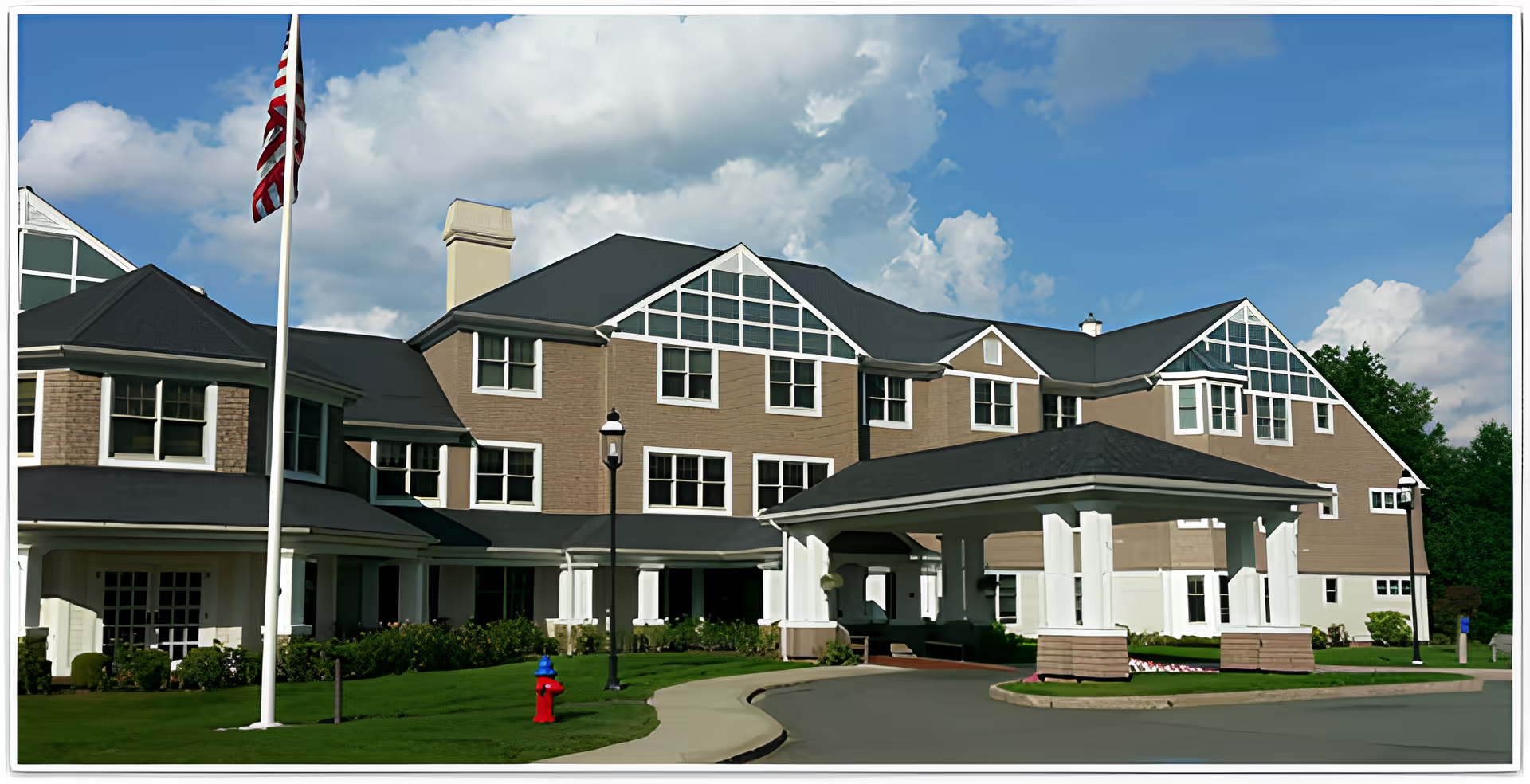
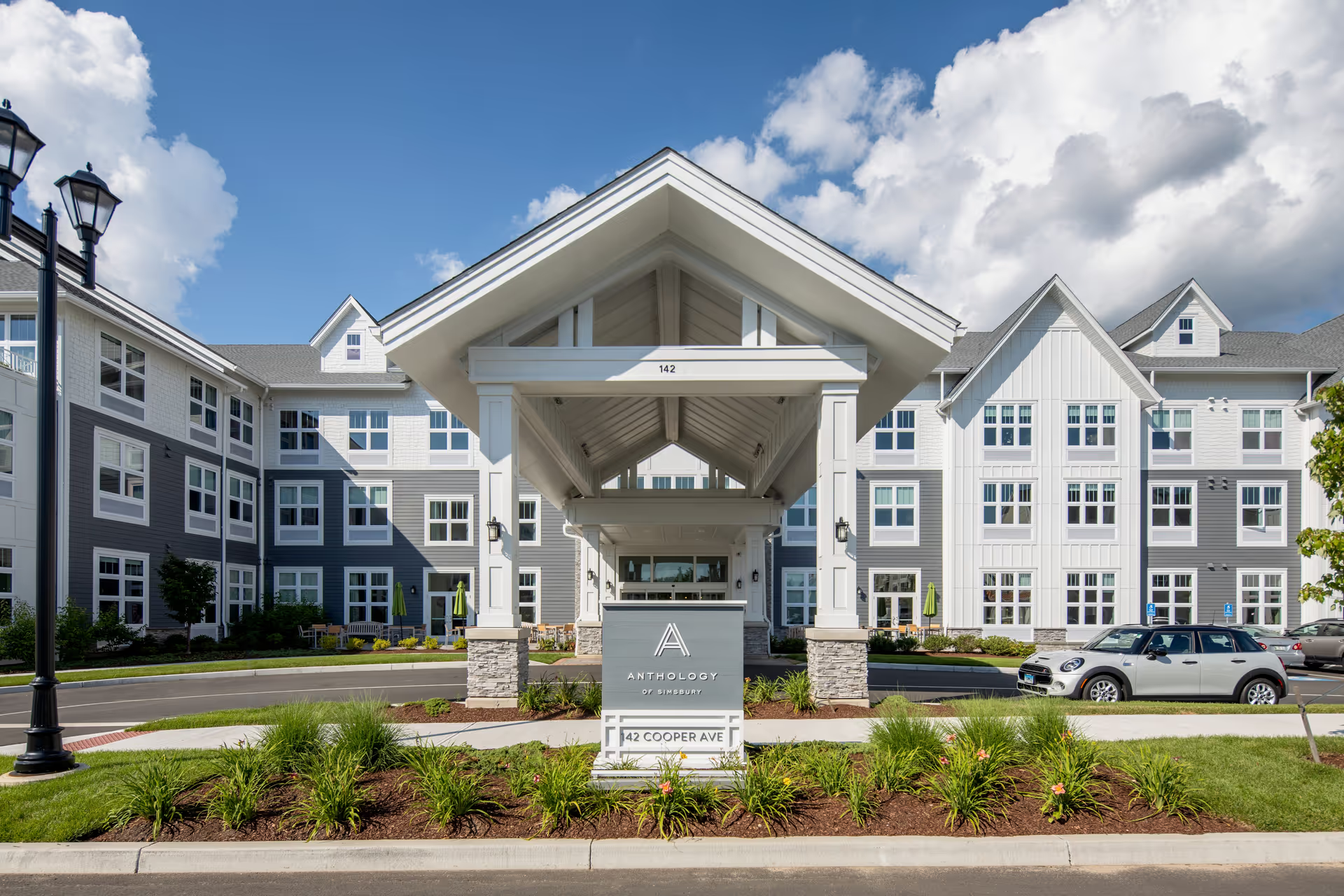
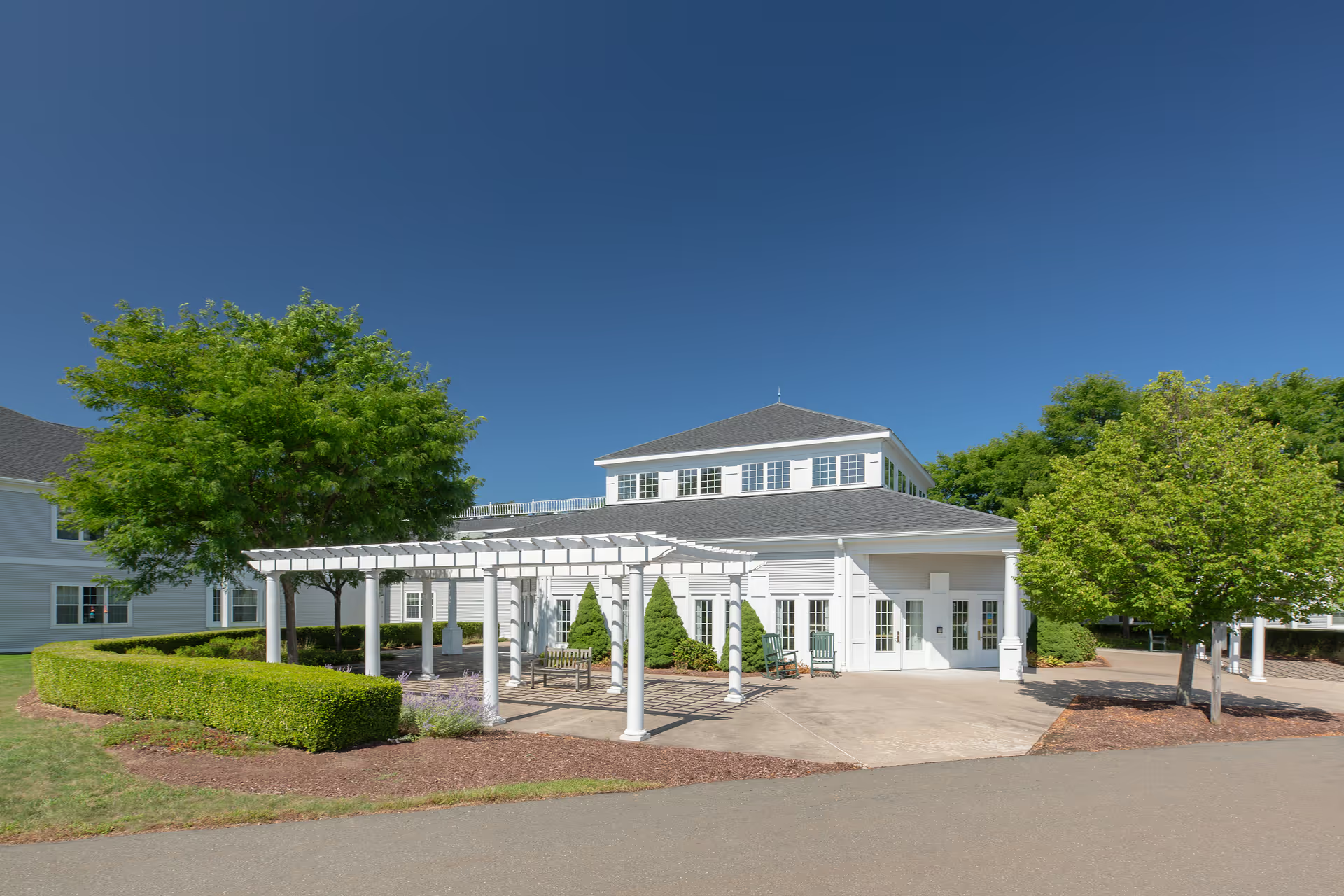
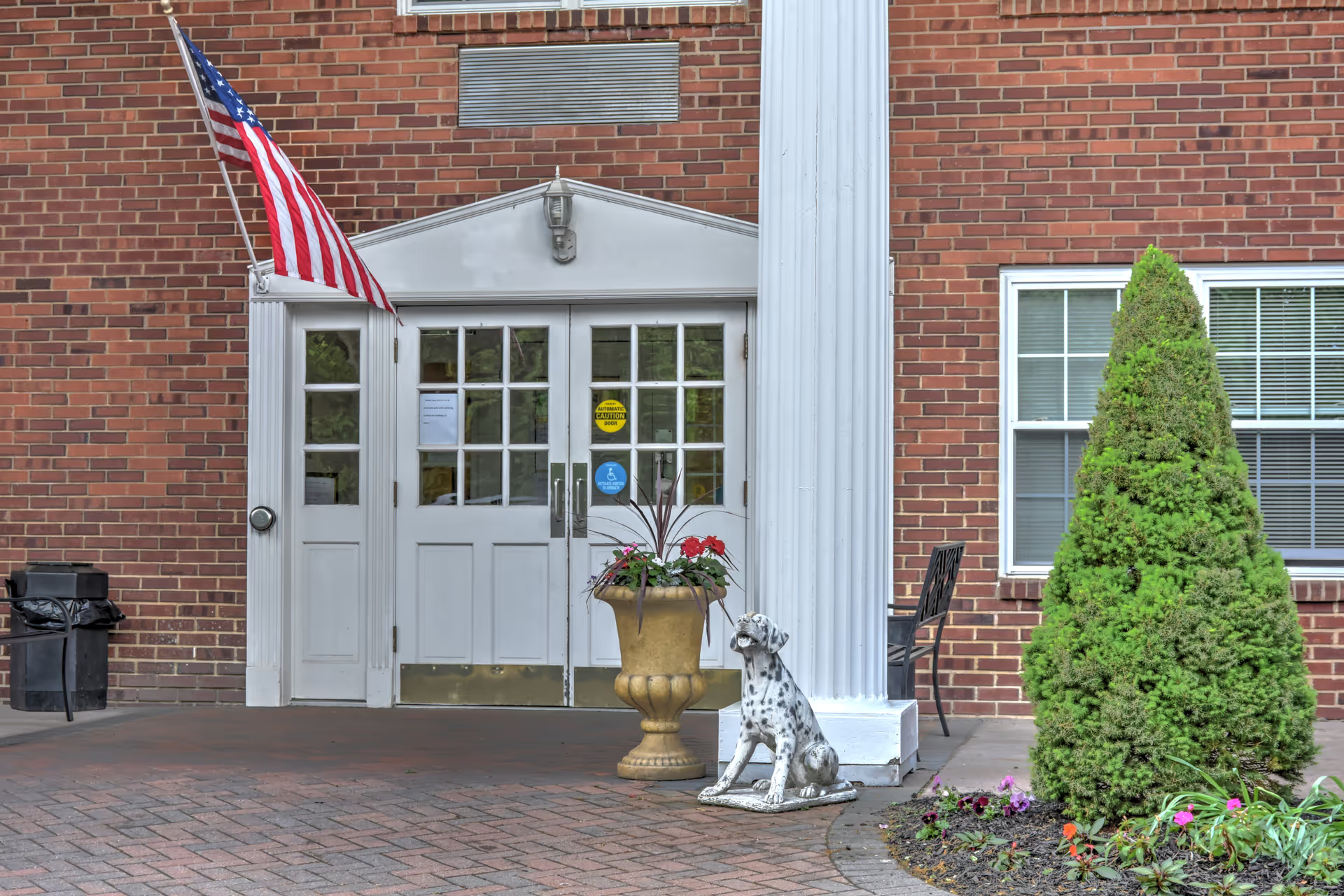
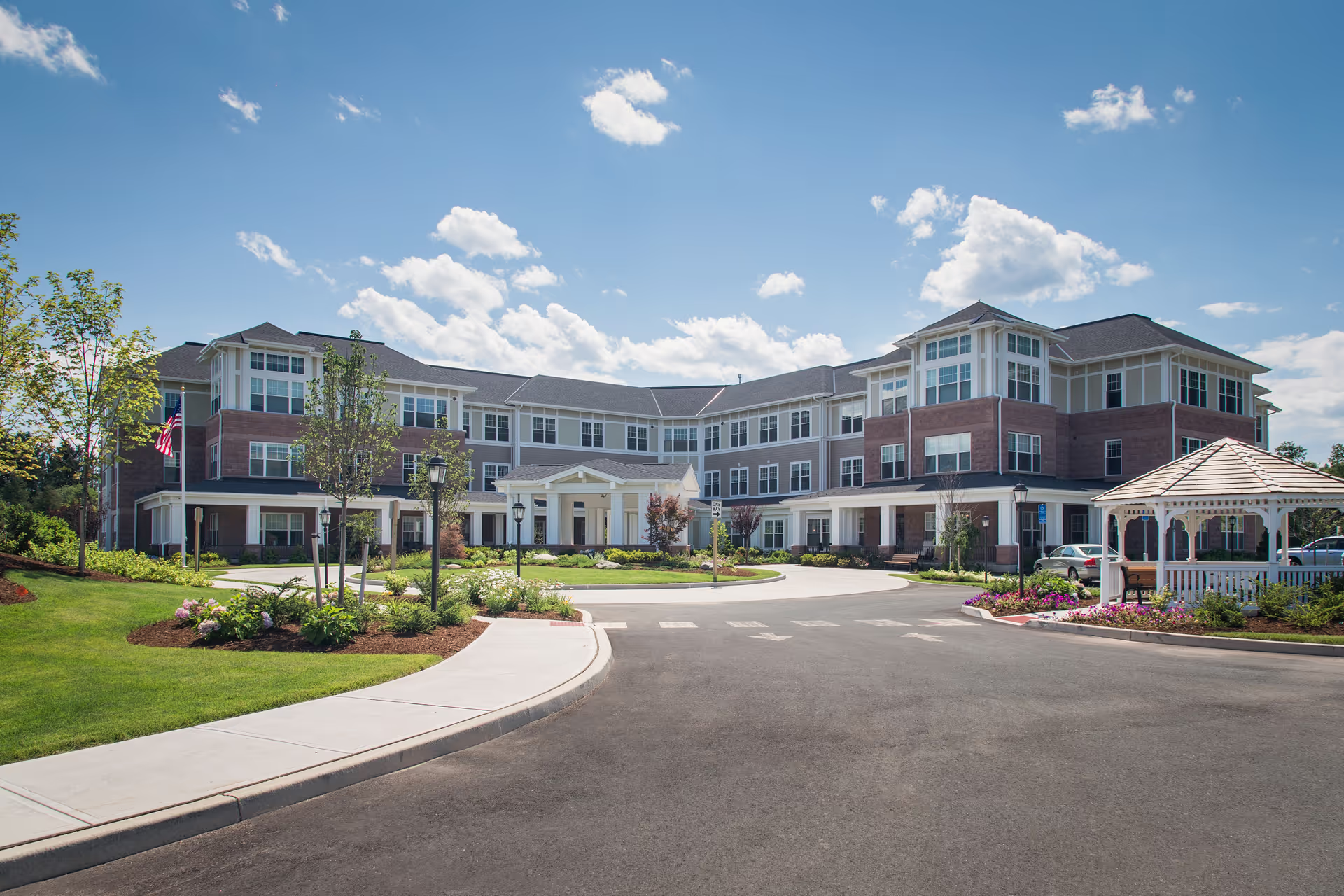
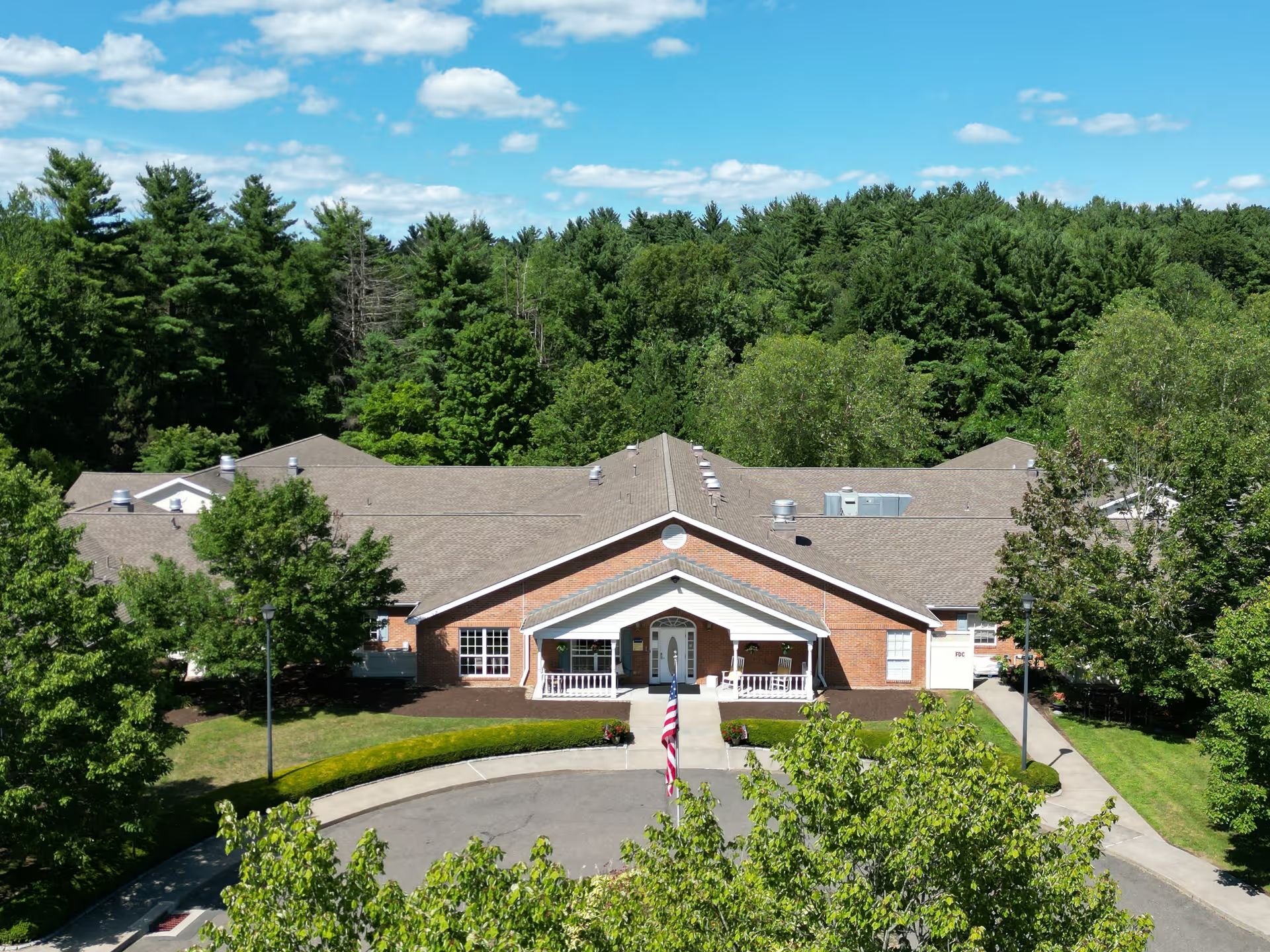
The reviews portray a facility with a clear split between the performance of front-line staff and several systemic operational weaknesses. Direct-care workers — including nurses, CNAs, and therapy teams — are frequently described as compassionate, professional, and effective, and multiple accounts highlight positive rehabilitation outcomes, strong PT/OT programs, supportive social work, and engaging activities. Renovations after an ownership change and freshly painted areas have been noted, and many families commented positively on clean rooms, a pleasant dining environment, and helpful reception/transport coordination.
Despite these strengths, recurring operational issues are a significant pattern. Staffing levels appear inconsistent, producing delayed responses to call bells and slower bedside assistance; these delays extend at times to medication administration and pain control. Several families raised concerns about wound, feeding, and tracheostomy management and described instances where clinical escalation or resuscitation response did not meet expectations. Communication breakdowns with families and unreturned calls were also common themes, as were documentation inaccuracies and problems with administrative processes such as billing and reimbursement.
Dining and activities receive mixed feedback: while many praised the cafeteria and social programming, others described uneven meal quality and failures to adhere to dietary restrictions. Facility condition comments are similarly mixed — some units are clean and recently updated, while others feel dated and exhibit sanitation and pest-control concerns. Heating and environmental-control reliability emerged as a notable environmental issue in several accounts.
Management and governance themes include variability in responsiveness to family concerns, difficulty obtaining timely administrative follow-up, and at least one set of serious financial concerns that families characterized as theft or item loss. Gaps in hospice training and end-of-life coordination were mentioned enough times to warrant attention for residents with palliative needs. At the same time, a number of reviewers indicated that care and coordination improved after ownership changes, suggesting uneven performance across time and units.
Overall, Windsor Health and Rehabilitation Center shows substantive strengths in direct caregiving and rehabilitation services, coupled with operational deficiencies that can materially affect resident experience and safety. Prospective residents and families should evaluate current staffing ratios, emergency response protocols, medication and wound-care procedures, hospice capabilities, and inventory/security safeguards during a visit; asking for recent quality metrics and speaking with the unit-level charge nurse and social worker can help assess whether the particular unit meets the resident’s needs.