The review corpus for Lake Worth Rehabilitation Center presents a broadly polarized picture. A large portion of comments describe strong clinical rehabilitation services, attentive therapy teams, and compassionate nursing staff that contribute to clear functional gains for many residents. Multiple reviewers praise the facility’s specialized services—particularly wound care and respiratory support—along with 24/7 nursing availability. Admissions and discharge processes are often described as well organized, and front‑desk staff and select leadership are frequently noted as welcoming and helpful.
Care quality and staffing are the most consistent themes on both sides of the ledger. Positive accounts emphasize professional, patient‑focused nurses and therapists who provide individualized therapy plans and good family communication. Conversely, other accounts describe slower response times to call bells, inconsistencies in medication administration and bathing schedules, and perceived gaps in weekend or after‑hours coverage. There are also isolated but serious concerns about end‑of‑life care processes and post‑event communication that prospective families should explore directly with clinical leadership.
Dining and activities are generally strengths for the facility: many reviewers report varied menus, accommodating diets, pleasant dining rooms, and an active activities program supported by a craft room, courtyard/gazebo and regular events. However, dining quality and meal delivery reliability are described as inconsistent in some reports, so menu quality may vary by shift or unit. The activities program and outdoor spaces are consistently cited as positive contributors to residents’ social engagement and well‑being.
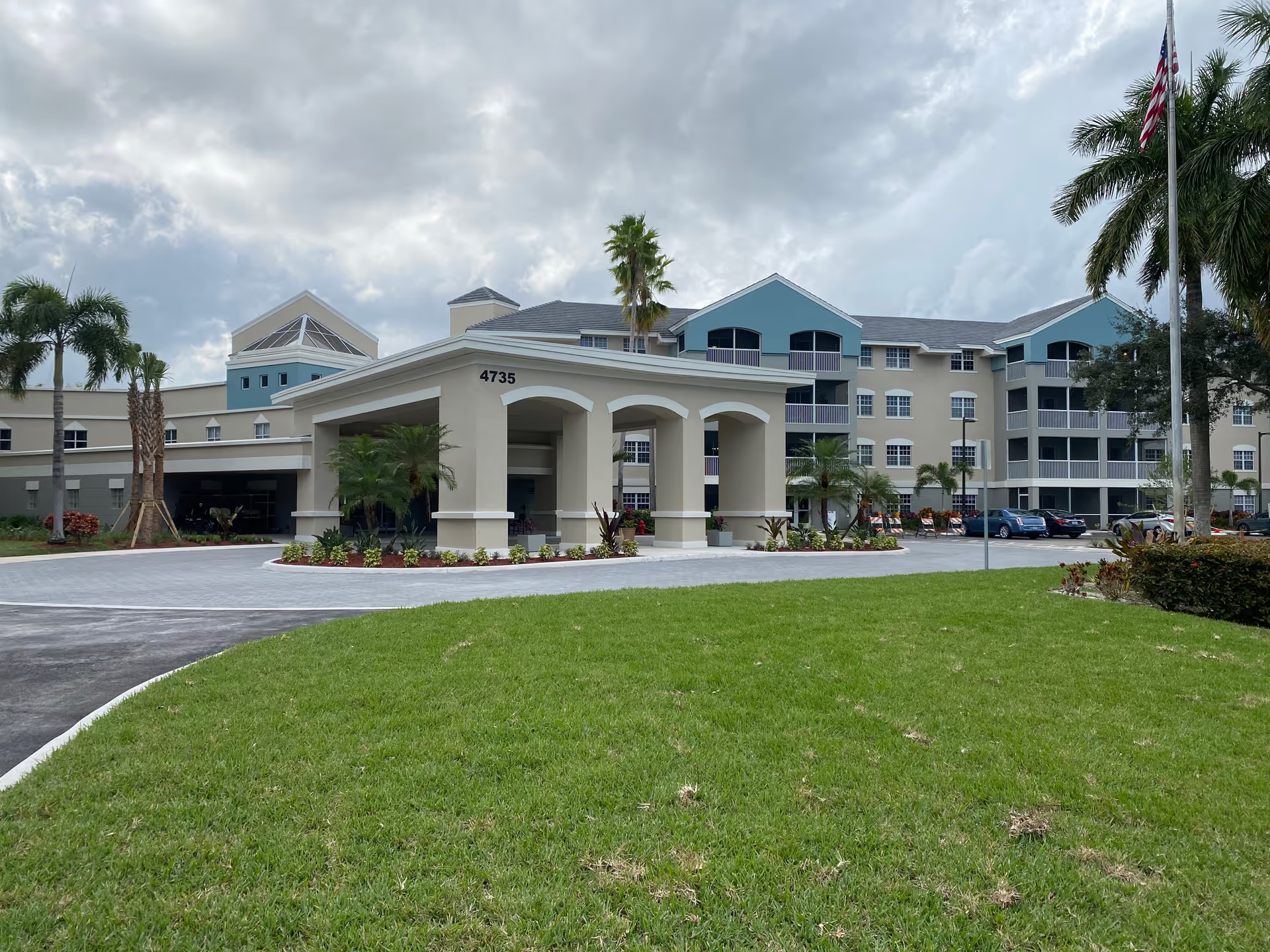
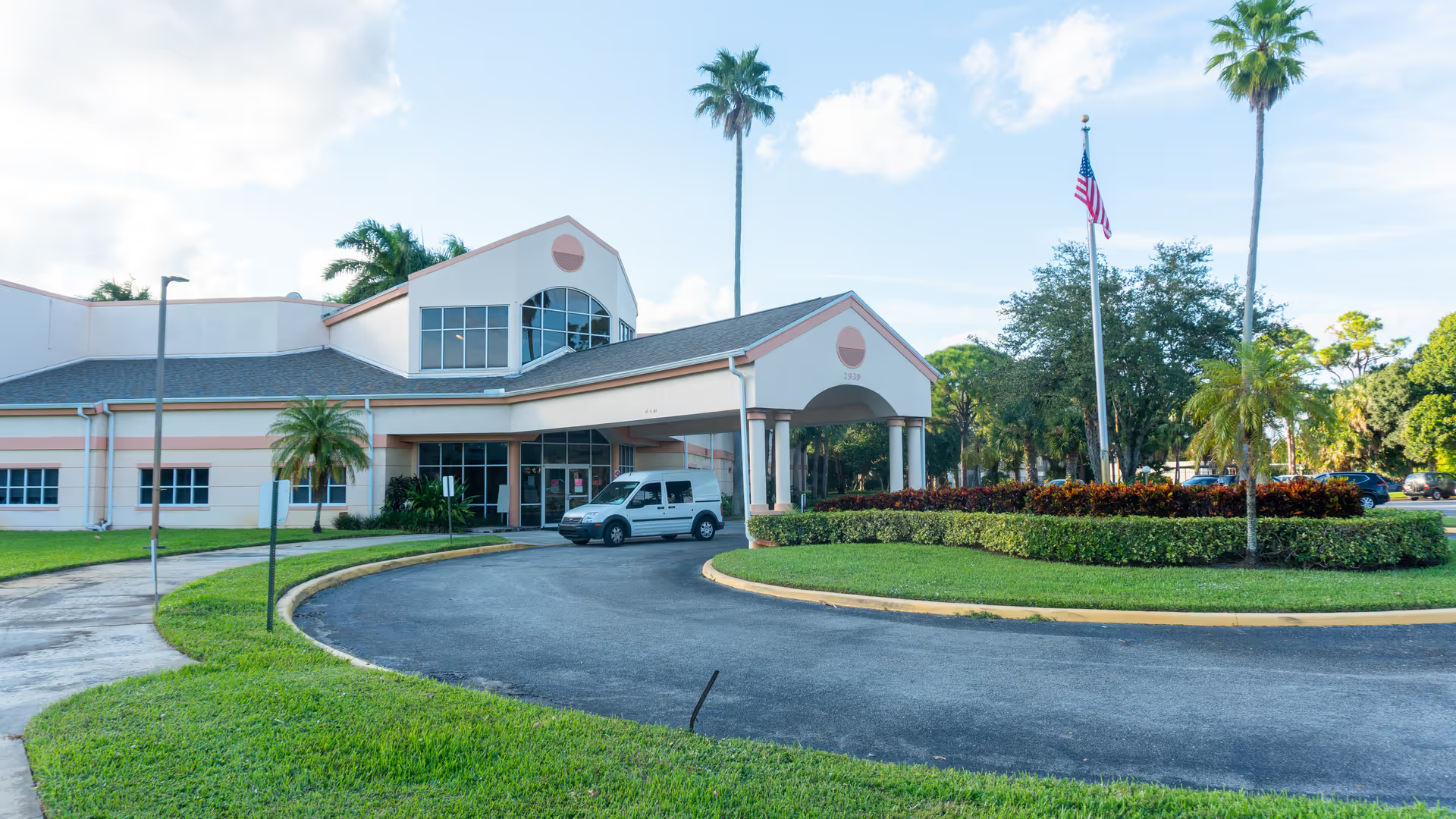
Facility condition and infection‑control impressions are similarly mixed. Numerous comments note a clean, orderly, hotel‑like environment with well‑kept common areas and rooms. At the same time, there are isolated sanitation and pest‑control concerns as well as references to worn appearance in places; these appear localized rather than facility‑wide but merit inspection during a tour. Safety and operational issues—such as multiple room transfers, transfer coordination, and the handling of personal property—emerge repeatedly as operational weaknesses.
Management and administrative themes are divergent. Several families compliment proactive leadership, organized admissions, and good communication from therapy and nursing. Others report disappointing communication from social work or administration, perceived insincerity from leadership in specific interactions, and delays or complications with billing and refunds. Visitation rules have been described as rigid in certain instances, which some families found disruptive to care planning and family involvement.
Notable patterns: rehabilitation and therapy capabilities are a clear strength and are often cited as reasons for positive outcomes. At the same time, recurring operational concerns center on responsiveness, clinical consistency (medication, bathing), staffing coverage variability, and property/sanitation issues in specific areas. Prospective residents and families would benefit from an in‑person tour that includes observation of call‑bell response, review of current staffing levels (including weekend coverage), discussion of therapy schedules and expected session duration, clarification of visitation policy, review of infection‑control and pest‑management practices, and direct questions about billing and refund procedures. This will help reconcile the facility’s substantial clinical strengths with the operational inconsistencies noted in the reviews.