The aggregated reviews present a mixed picture of South Dade Nursing and Rehab Center. Positive accounts emphasize effective rehabilitation services, organized therapy teams, and caring bedside nursing; other accounts raise significant operational and communication concerns. This creates a polarized overall impression in which strong clinical and social supports coexist with weaknesses in administrative and facility-level processes.
Care quality and clinical services receive both praise and criticism. Many comments highlight competent, attentive rehabilitation (physical and occupational therapy) and individual staff members—nurses and therapists—who provide organized, compassionate care and clear updates about progress. Conversely, there are repeated concerns about inconsistent clinical follow-up, delays in physician oversight or visit coordination, and variability in basic care tasks. Several accounts describe problems that imply gaps in care continuity and timely clinical response, including issues with hydration and meal monitoring and follow-up after discharge or treatment episodes.
Staffing and interpersonal conduct are described as highly variable. Numerous accounts note staff who are kind, nurturing, and communicative; others describe rude or unhelpful interactions, delays in responding to family inquiries, and lapses in professionalism. This inconsistency appears to be one of the main drivers of divergent family experiences: where teams are engaged and coordinated, outcomes and satisfaction are positive; where coordination and tone are lacking, families report greater concern about resident welfare.
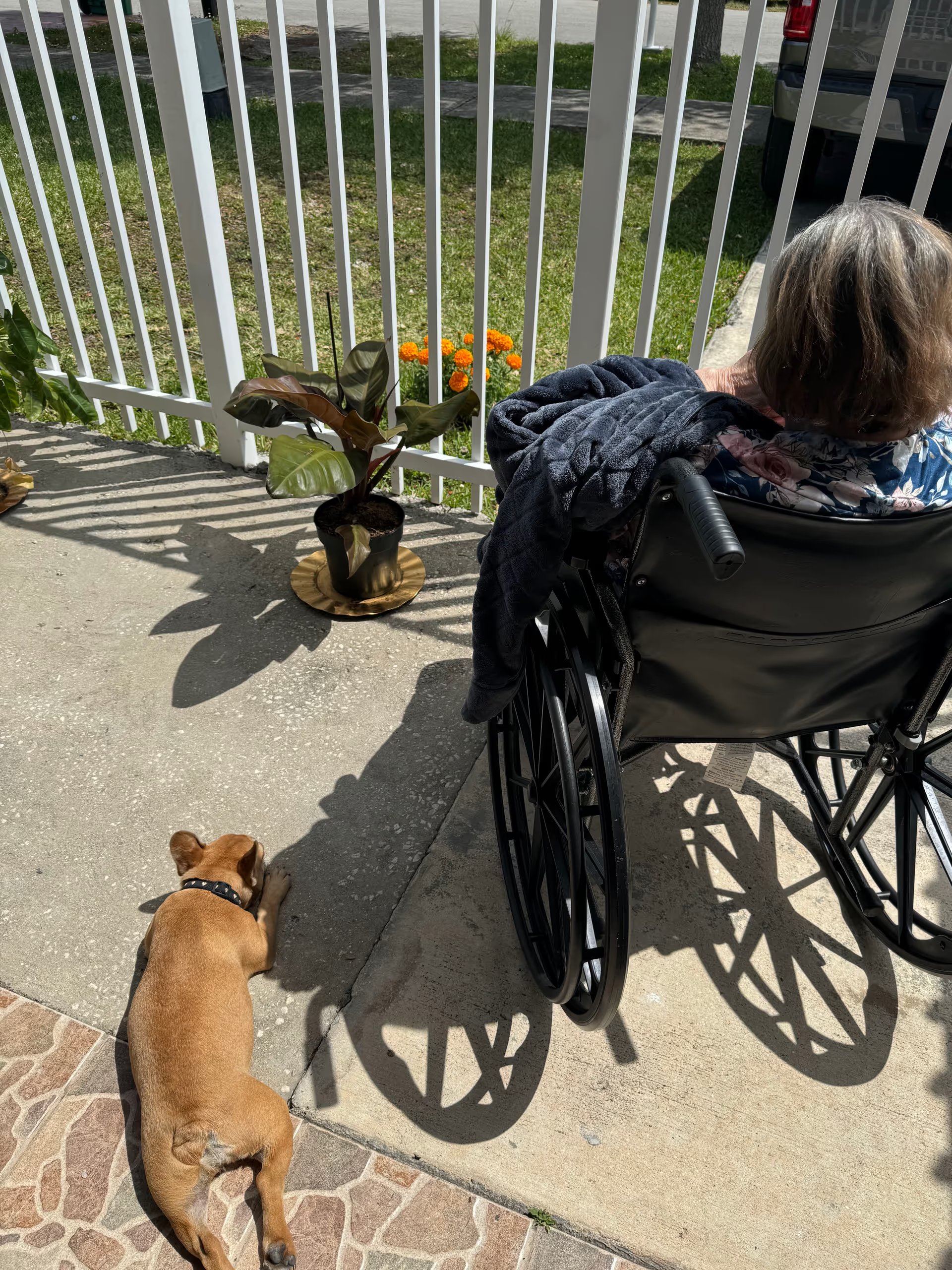
Dining and activities are generally cited as strengths. The facility offers an active programming schedule (music, exercise, bingo) and an activity calendar, which families found meaningful. Meal service is described as acceptable with culturally familiar options that some residents appreciated. At the same time, multiple reports suggest uneven monitoring of meal intake and hydration for residents who need assistance, which ties back to broader staffing and care-continuity concerns.
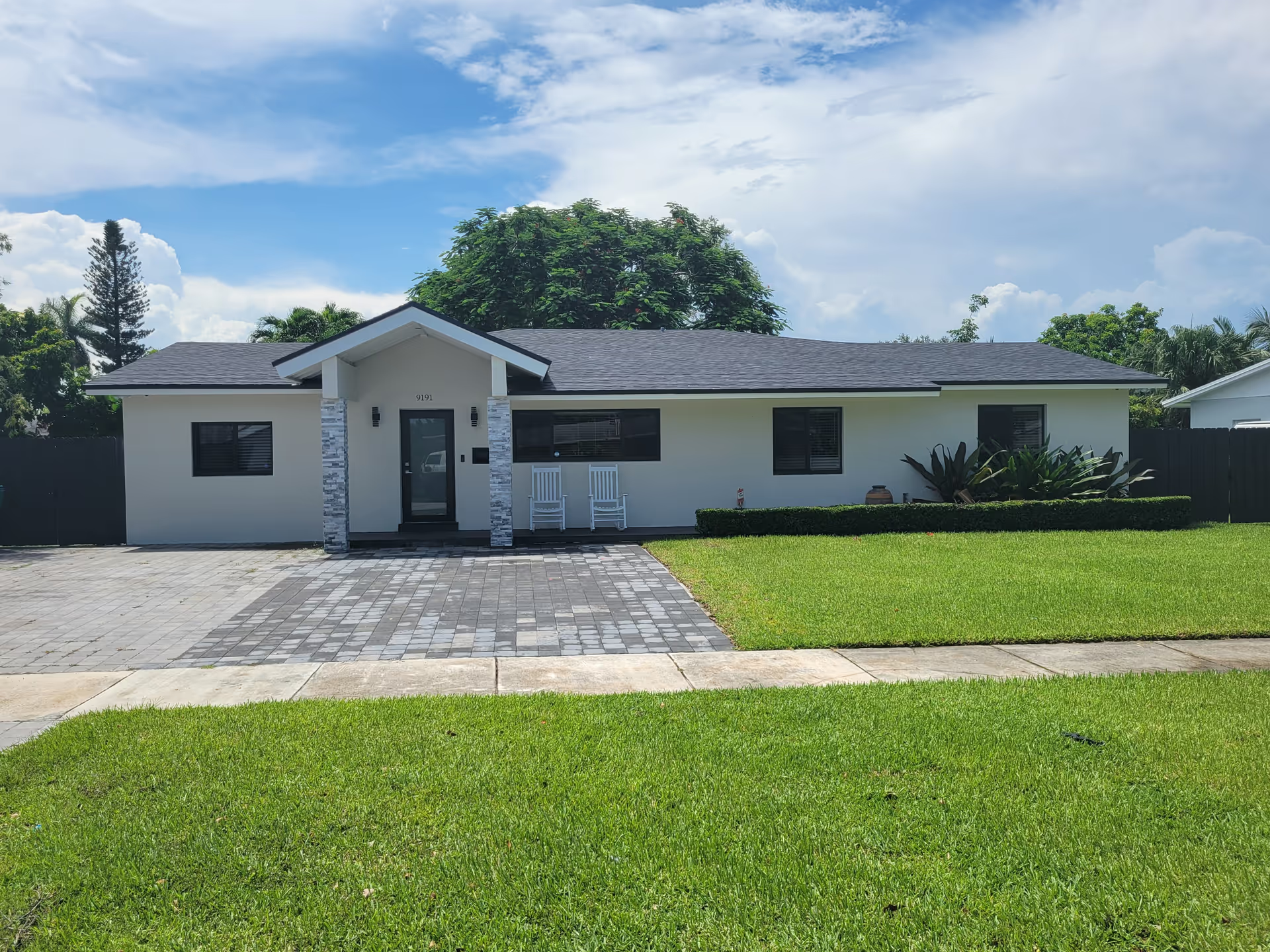
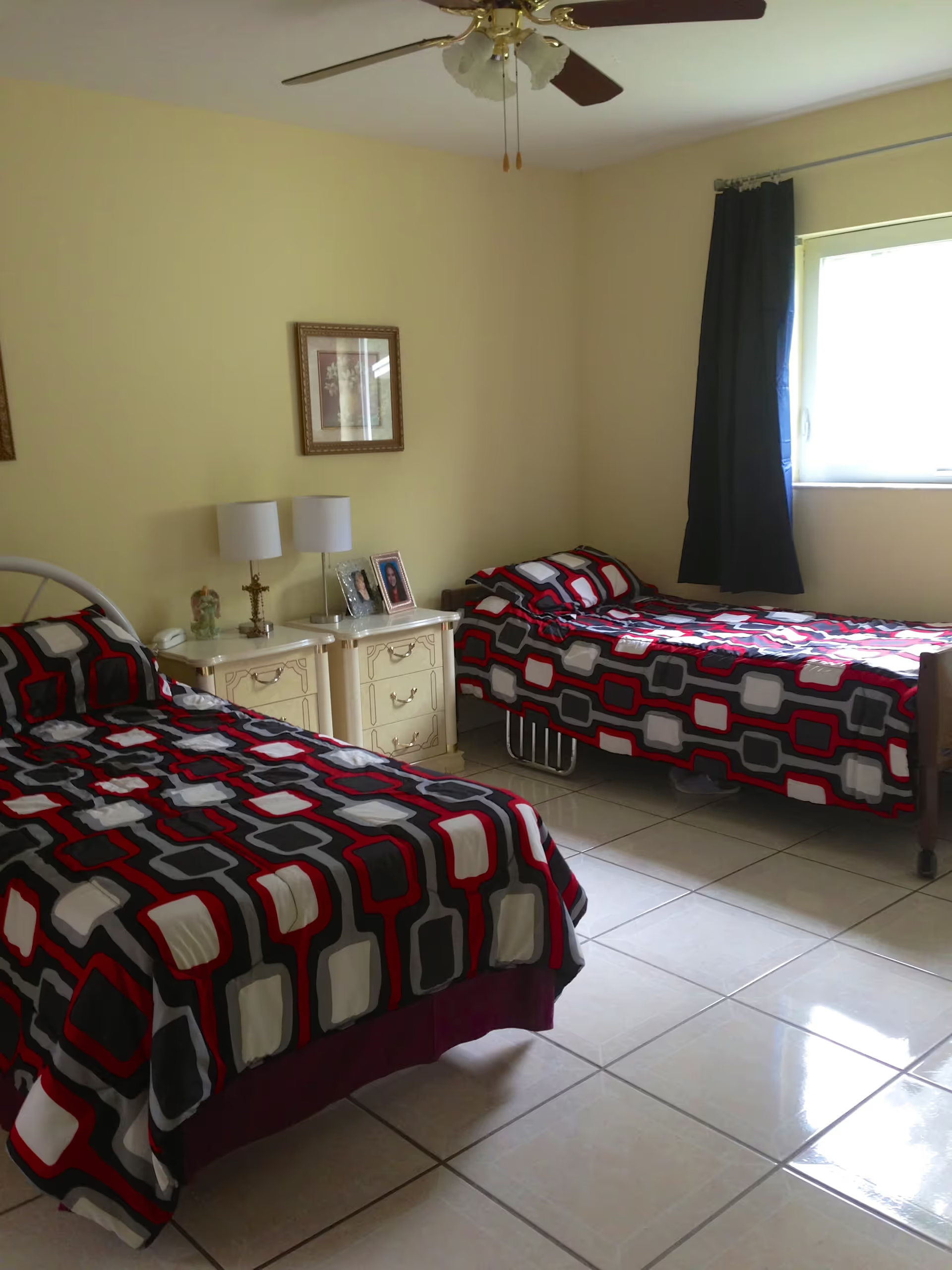
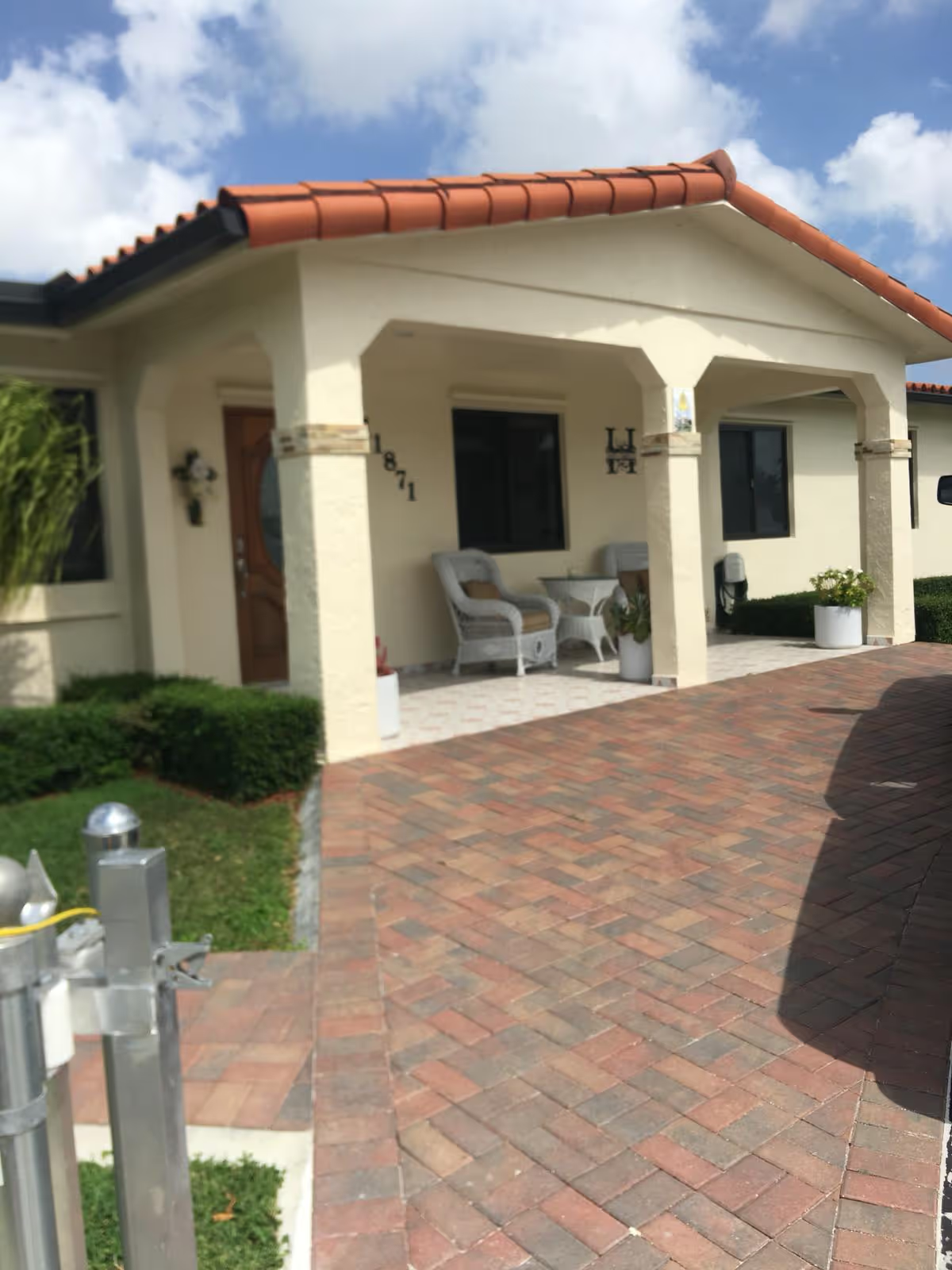
Facility condition and management surfaced as another split area. Several notes describe clean, maintained zones and an active remodeling program, while others point to infrastructure deficits such as repair needs, visible wear, and sanitation concerns in certain units. Administrative processes also drew criticism: phone responsiveness, discharge coordination, and billing/financial communication are recurring problem areas. There is a serious, isolated theme involving allegations of financial or identity misconduct referenced in the feedback, and at least one mention of a formal consumer complaint; this should be treated as a high-priority inquiry for prospective families.
In summary, South Dade Nursing and Rehab Center appears to provide robust rehabilitation services and has staff who deliver compassionate care in many cases, supported by a meaningful activities program and accessible visiting arrangements. However, variability in staff conduct, lapses in administrative and clinical follow-up, intermittent sanitation and maintenance issues, and at least one allegation of financial/identity misconduct are important patterns to investigate further. Prospective residents and families would benefit from direct inquiries about staffing levels, clinical follow-up protocols, infection-control and incontinence-care practices, maintenance plans, and the facility’s processes for financial security and incident reporting before making placement decisions.