Experiences at Anderson Mill vary considerably. Many short-term rehabilitation patients and families describe meaningful progress, with physical and occupational therapy frequently singled out for encouragement, professionalism, and support in rebuilding mobility and independence. Other accounts describe inconsistent care, particularly for residents who need frequent assistance or have difficulty communicating. Families have raised concerns about delayed responses to call lights, personal-care needs, and changes in health status, as well as medication timing, skin and wound care, and fall prevention. Individual accounts also describe serious health deterioration and concerns following a resident’s death; these reviews cannot establish causation, but they point to the importance of clinical monitoring and timely escalation. One family alleged that a staff member struck a resident during a transfer.
Staff interactions are a notable strength in many accounts. Nurses, CNAs, therapists, activity staff, receptionists, and social-services personnel are often praised for kindness, patience, and practical help. Several families describe staff who answer questions, help residents feel welcome, and support family involvement. At the same time, other accounts describe uneven staff conduct, difficulty reaching the appropriate person, delayed callbacks, and inconsistent information about care plans, appointments, or discharge arrangements. Some families say that regular visits and advocacy helped them stay informed and address concerns.
Dining and activities receive mixed feedback. Residents and families sometimes describe meals as plentiful, appealing, or suited to individual preferences, while others cite repetitive menus, cold or unappealing food, and difficulty meeting prescribed dietary needs. Activities are more consistently viewed positively: reviewers describe engaging programs, social opportunities, and activity staff who help residents feel included. Therapy outcomes are also frequently praised, though some accounts report limited treatment time, missed sessions, or therapy that did not feel individualized.
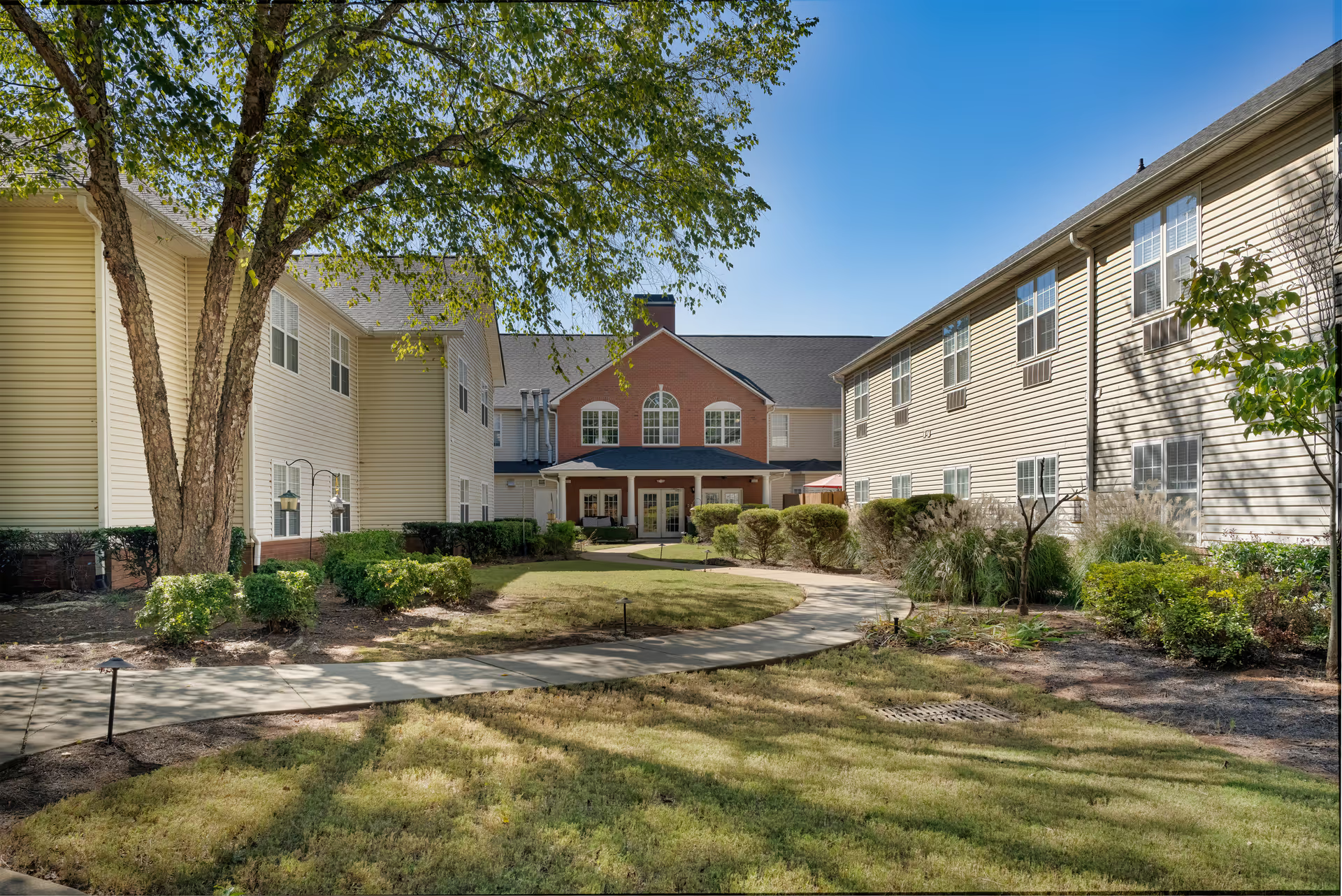
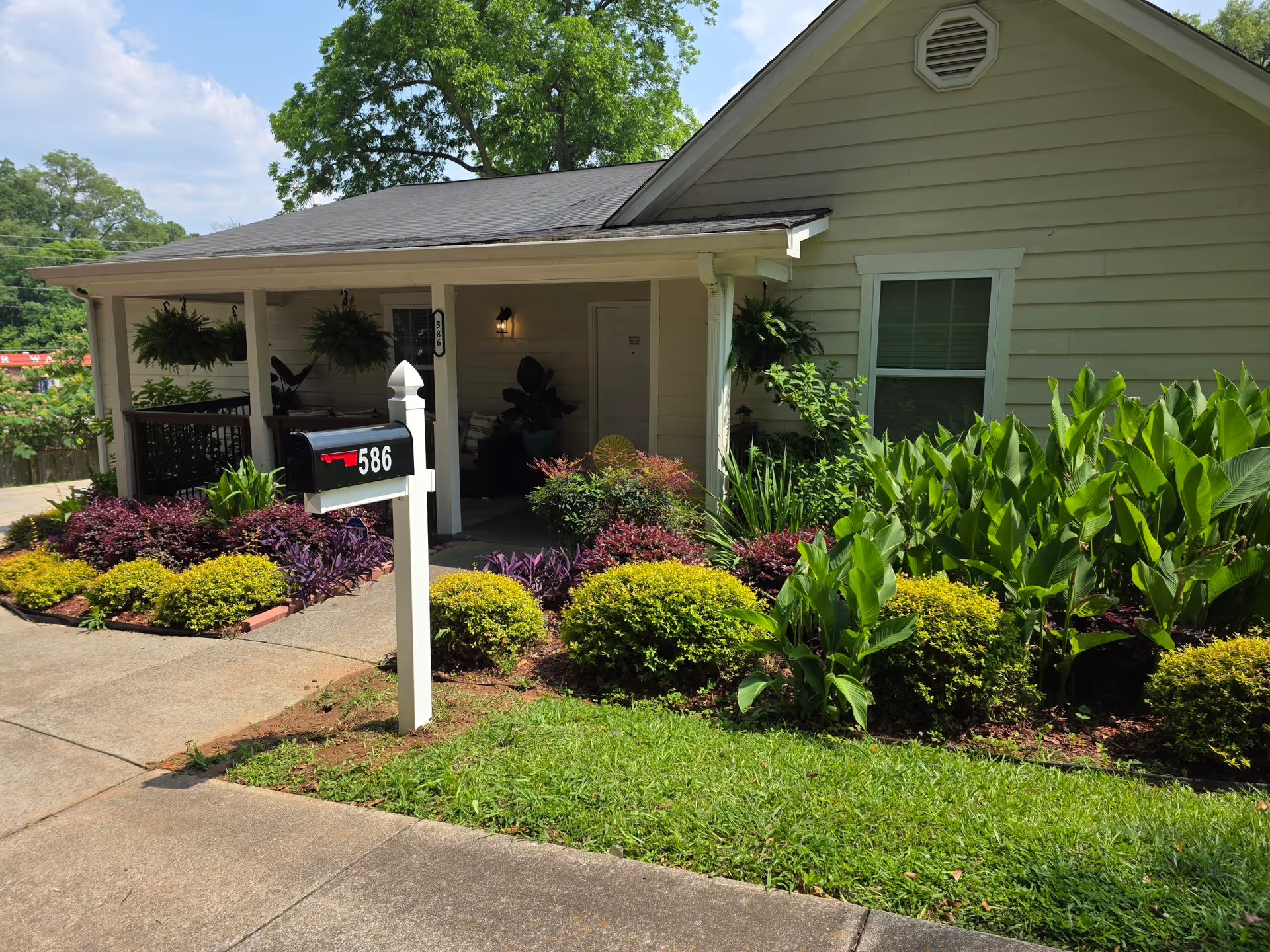
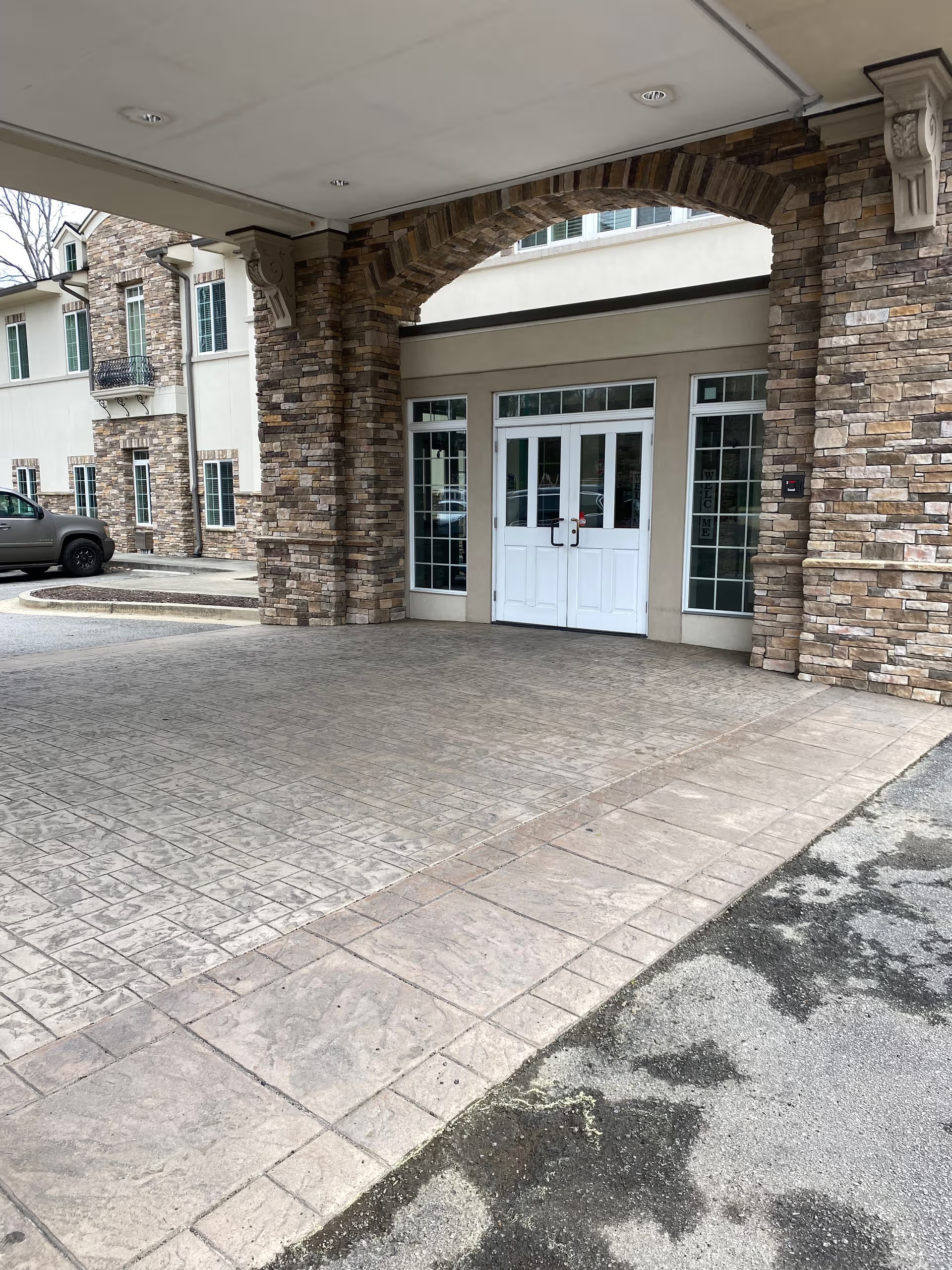
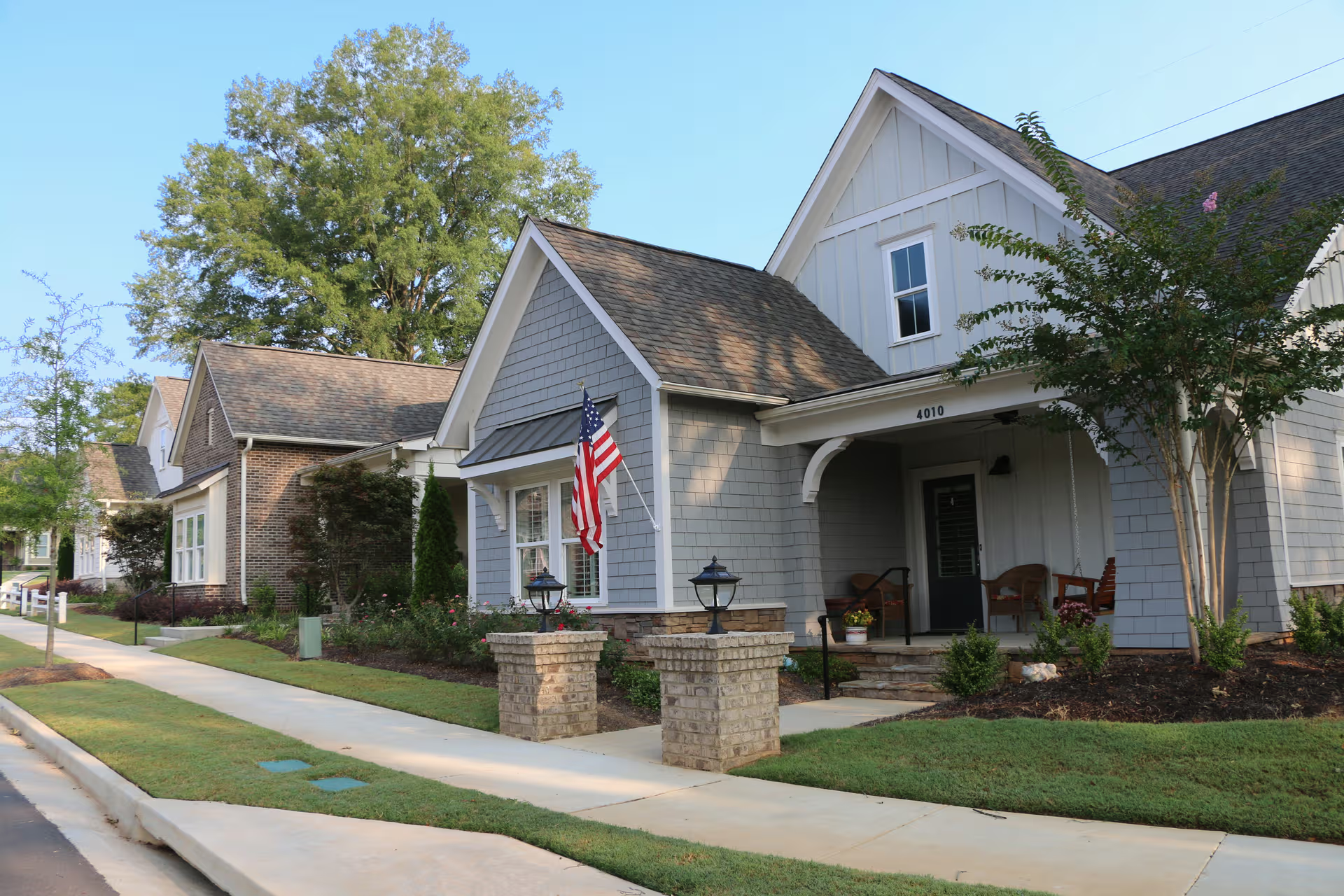
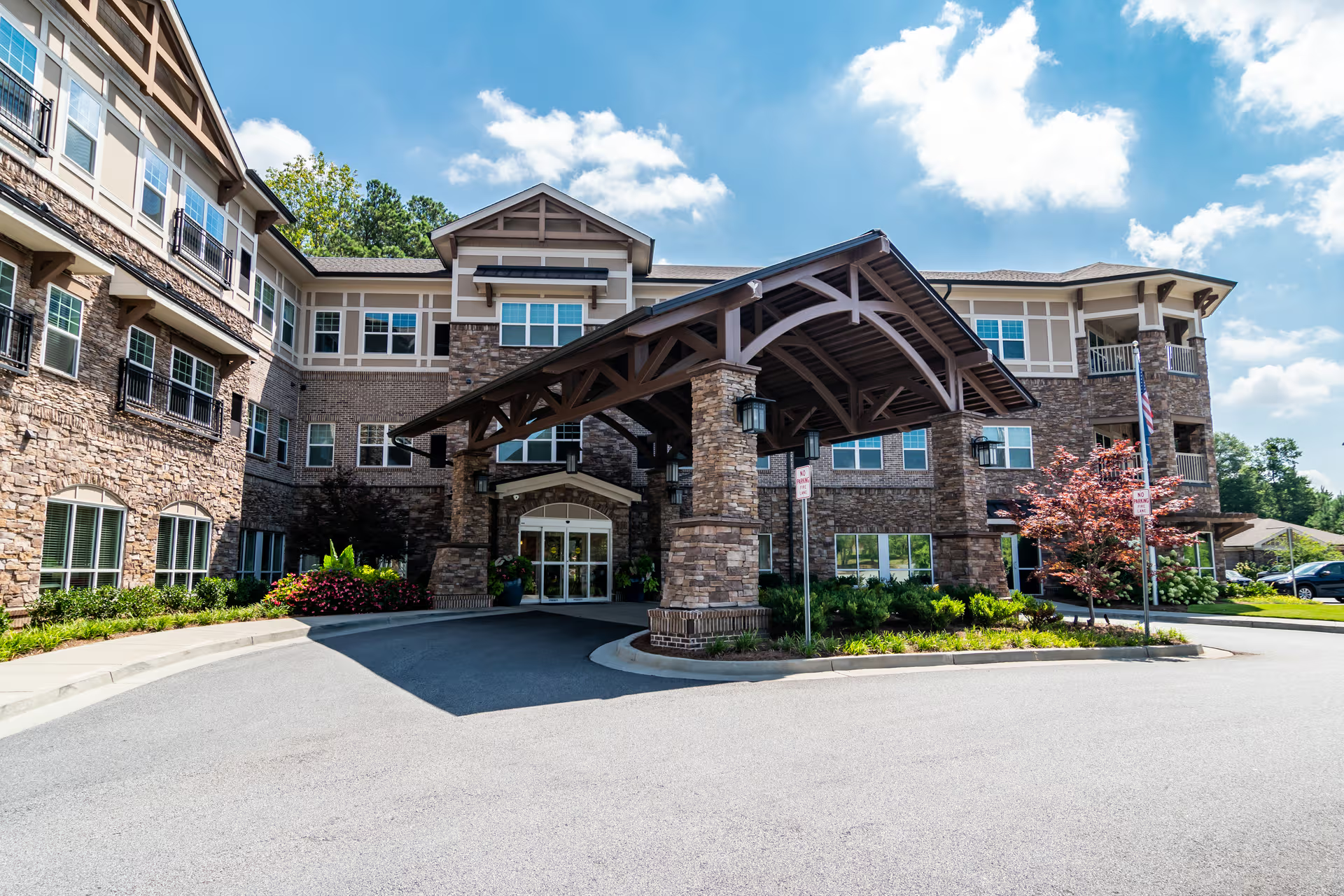
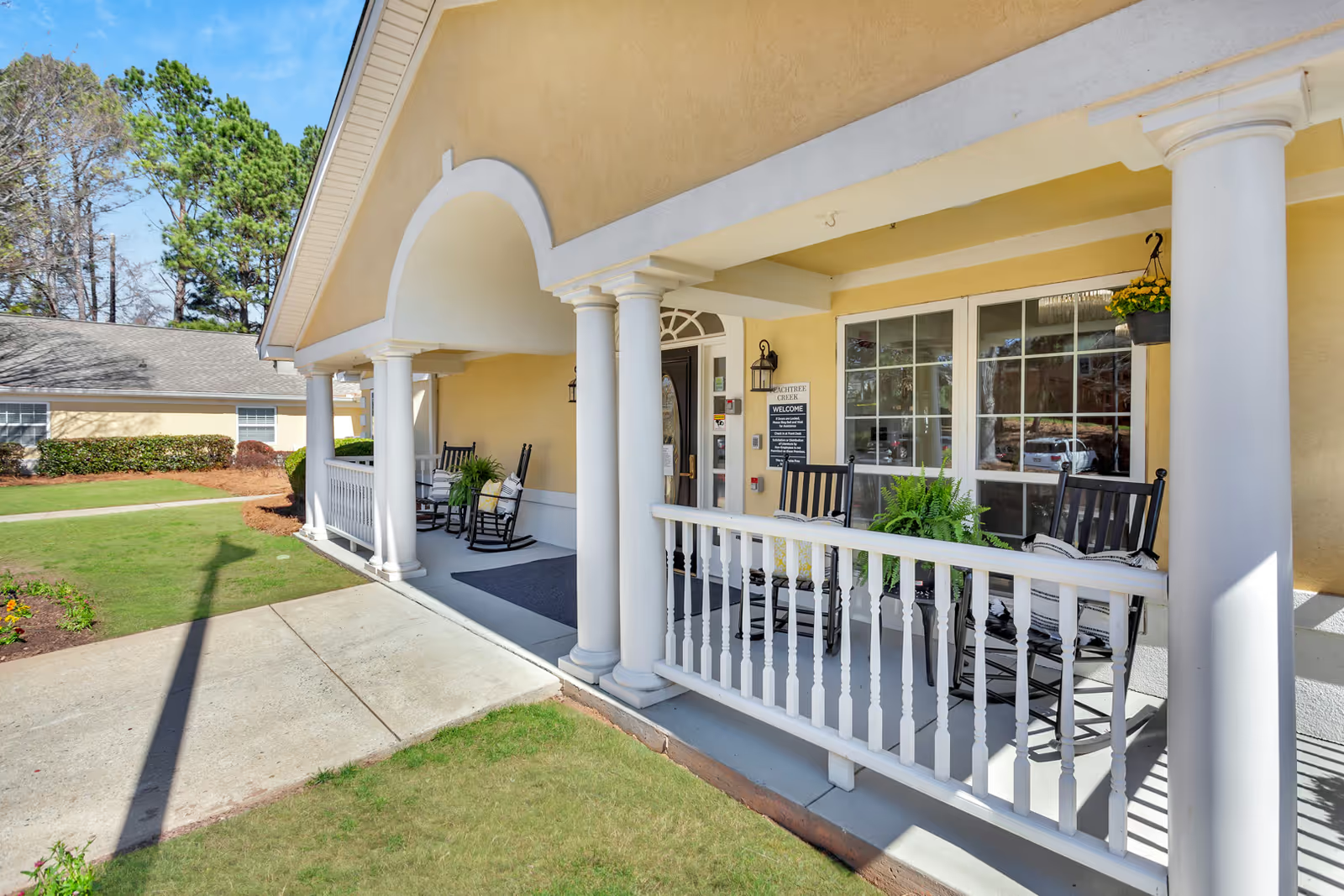
The physical environment is another area of mixed impressions. Some visitors describe clean, welcoming rooms and common areas, while others note inconsistent bathroom and room cleanliness, odor or pest-control concerns, and insufficient attention to maintenance. The building and furnishings are often characterized as older, with some reviews mentioning renovation work. Shared rooms can be crowded and noisy, and privacy may be limited. Visitor check-in and facility security are appreciated by some families, though visitation scheduling has caused frustration, particularly during periods of infection-control restrictions. Prospective residents and families may wish to assess the room and bathroom arrangements, ask about staffing and response practices, review medication and dietary procedures, and clarify how the facility communicates clinical changes and coordinates therapy, appointments, and discharge.