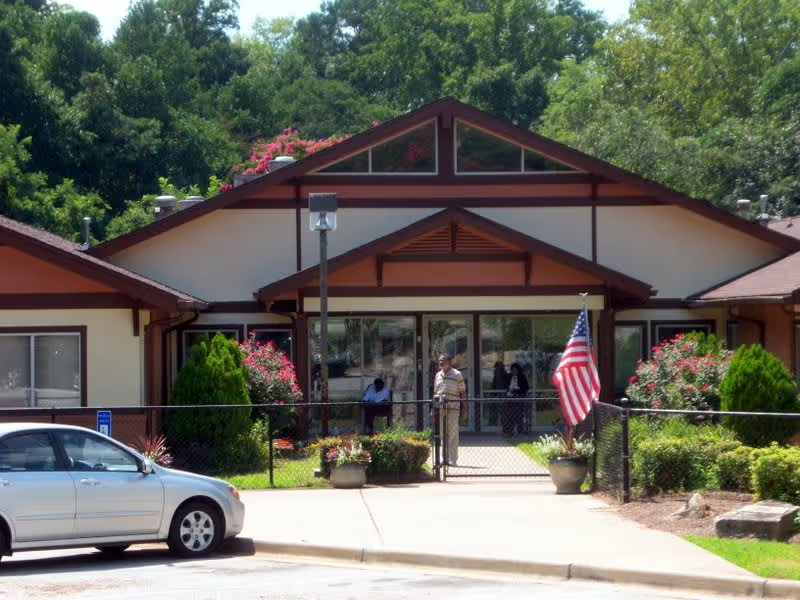
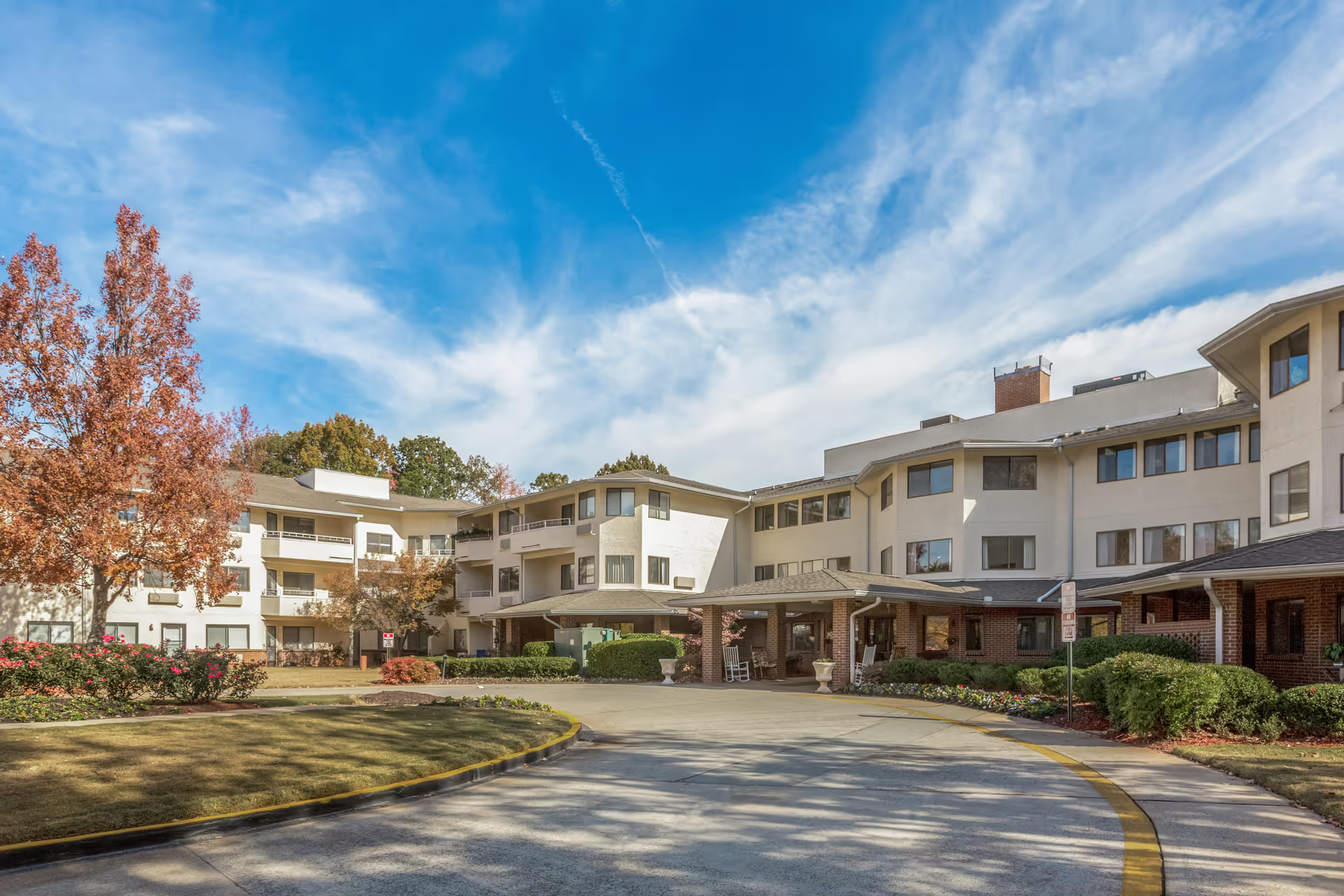
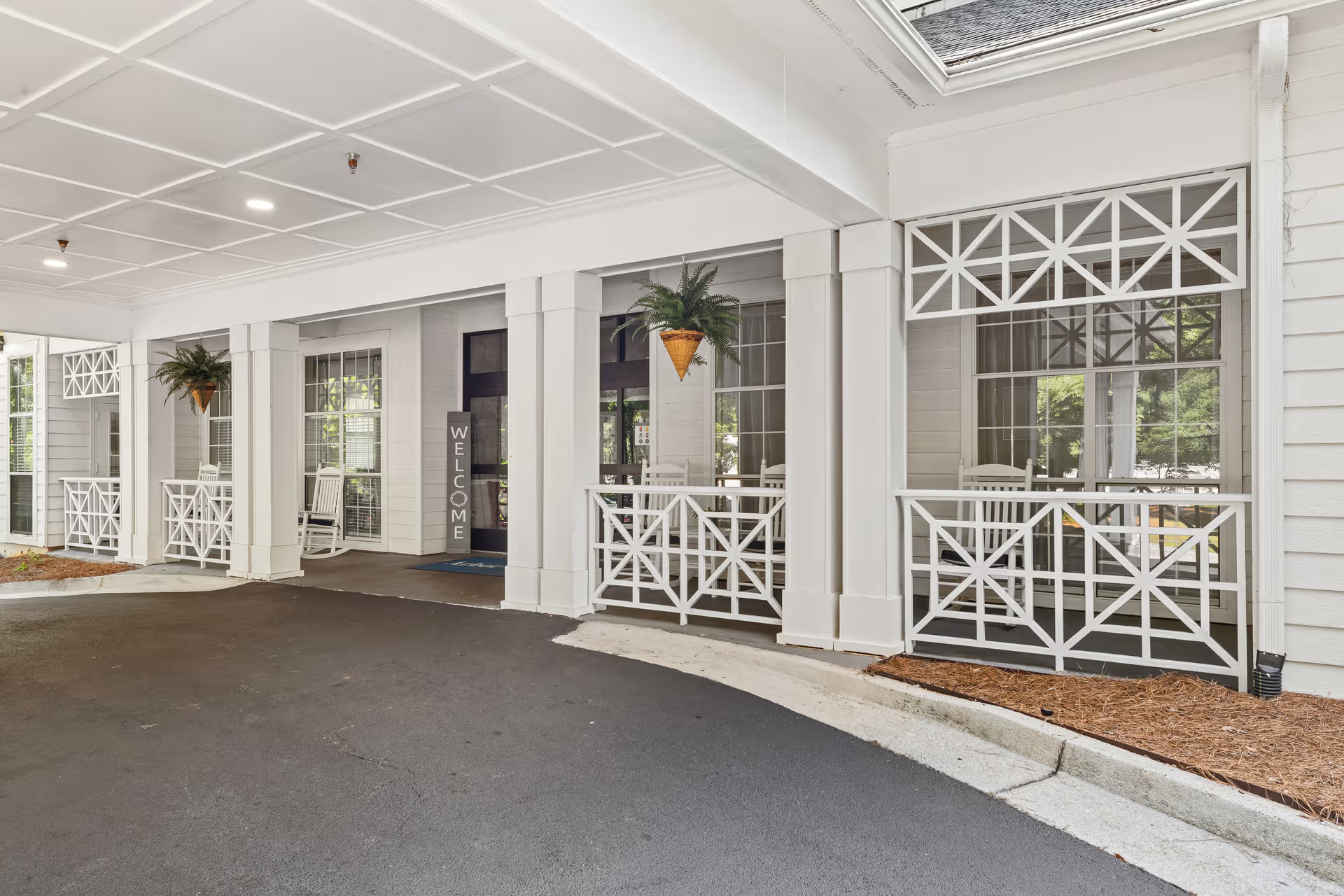
Across the reviews there is a mixed but coherent picture of clinical strengths alongside persistent operational weaknesses. Strengths most consistently described include competent nursing and rehabilitative therapy teams — several families credit PT/OT and skilled RNs/LPNs with observable functional improvement — and a structured wound-care program that includes regular NP involvement. Many reviewers also praised engaging activities, pleasant outdoor landscaping, helpful front-desk staff, and logistical conveniences such as proximity to transit and ease of Medicare/Medicaid admissions.
Clinical care quality appears variable. Positive accounts cite effective therapy, attentive wound management, and compassionate CNAs and therapists. At the same time, a number of reviews raise specific clinical-process concerns: medication administration and documentation problems, delays in responding to call requests, and isolated failures in respiratory or other device management. These patterns have led to hospital transfers and family escalations in some instances. Staffing pressure is a recurring theme; nurses and CNAs are frequently described as overworked, which reviewers link to longer response times and inconsistent execution of routine care tasks.
Day-to-day care and resident support show similar variability. There are multiple mentions of attentive, kind caregivers and above-and-beyond efforts by particular staff members. Conversely, others describe inconsistent bathing and grooming practices, delayed incontinence care, irregular bed changes, and housekeeping variability between rooms. Maintenance responsiveness is generally noted as a positive, but room condition and renovation needs are reported in parts of the building, creating an uneven physical environment.
Dining and social programming are also mixed. The facility offers a range of activities and several families praised meal accommodations and staff flexibility with diet preferences. However, food quality and meal-service timing are inconsistent in other accounts, with concerns about cold meals and service lapses cited as a notable frustration for some families.
Management and communication show polarized experiences. Some reviewers commend clear, communicative charge nurses and an administrative team that resolves issues; others describe an administrative emphasis on bed management or financial priorities and poor family communication, including delays in important notifications. Issues such as misplaced personal belongings, charting errors, and occasional miscommunication about room availability point to gaps in operational controls.
Notable patterns for prospective families: the facility demonstrates real clinical capabilities, particularly in therapy and wound care, and many staff deliver compassionate care. However, variability in staffing, medication/documentation practices, room-level housekeeping, and family communication are significant recurring themes. Prospective residents and families should consider evaluating current staffing levels, medication-administration protocols, safety measures for roommate placement, housekeeping schedules, and recent quality/inspection records during a tour. Direct questions about wound care involvement, therapy schedules, and how the facility handles urgent call responses and family notifications may clarify whether the current operating practices match a family's needs.