Chulio Hills Health and Rehab elicits a mixed but informative profile. Strengths cluster around clinical rehabilitation and respiratory care: reviewers consistently praise a skilled respiratory team with 24/7 coverage and successful ventilator‑weaning cases, along with a proactive therapy department that produces measurable functional improvements. Nursing staff, many families describe, can be attentive and supportive, and social‑work and administrative staff receive specific positive mentions for responsiveness and family communication.
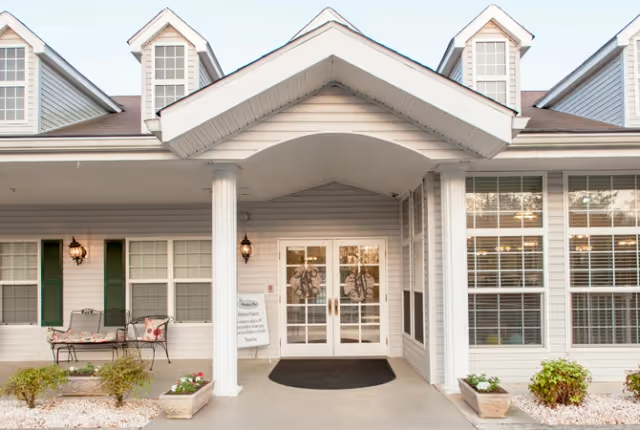
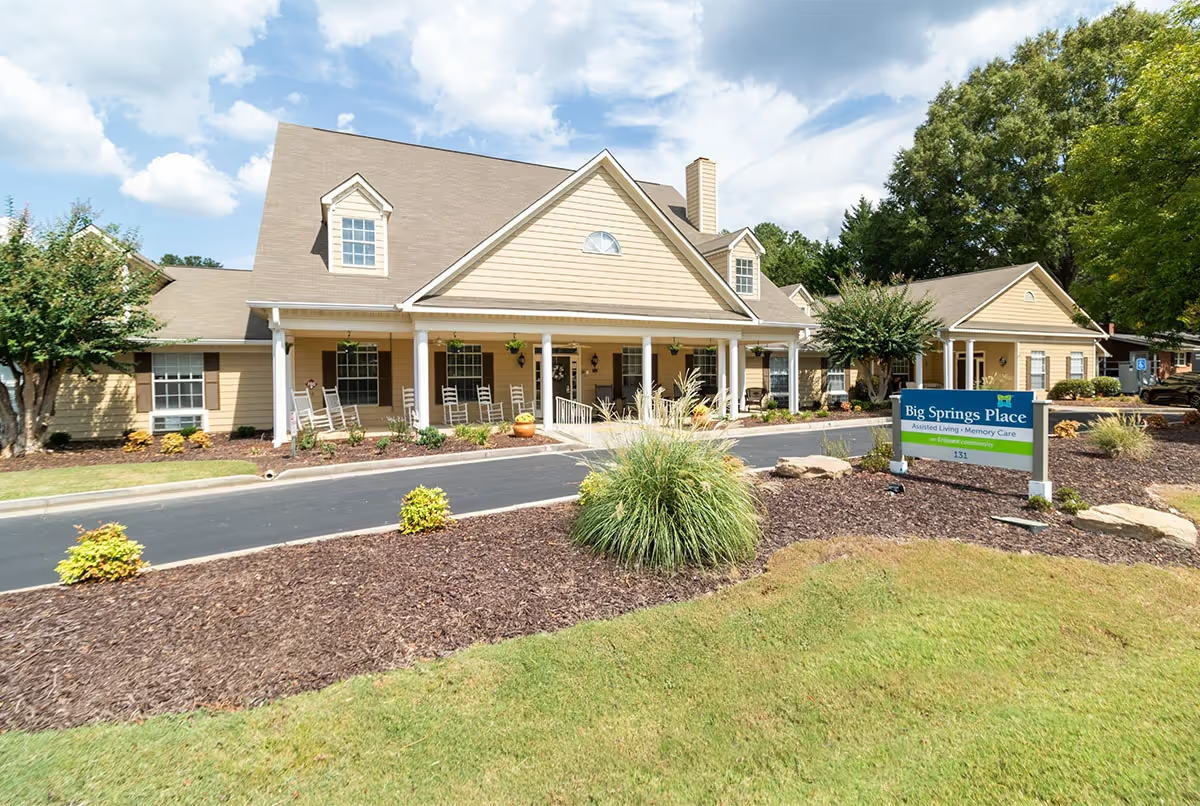
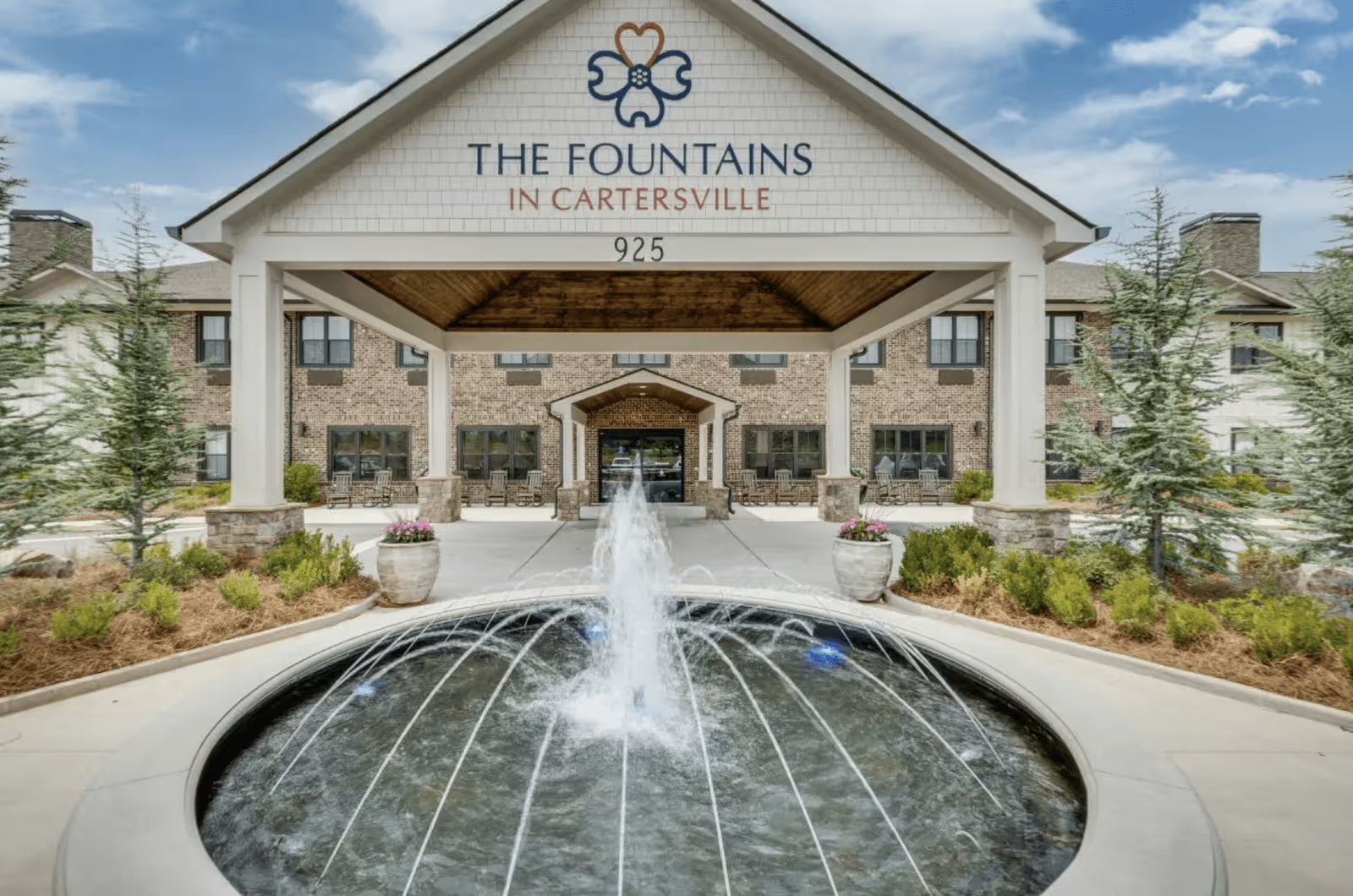
Daily life aspects are often noted positively. Dining is described as nutritious and accommodating, with kitchen staff responsive to preferences and some residents gaining weight under the program. Recreational programming is active and varied — music visits, bingo, arts and crafts, and at least one larger weekly activity were cited — and the facility maintains an accessible activity room and onsite amenities such as a beauty shop. The physical environment is generally perceived as clean and well maintained, and several reviewers characterize the atmosphere as family‑like and welcoming.
However, there is notable variability in operational consistency. Multiple reviewers describe uneven staff responsiveness and turnover that can affect continuity of care and residents’ familiarity with caregivers. Communication gaps were raised regarding physician updates and family notifications, which can complicate decision making and clinical oversight. There are concerns about medication and oxygen management practices that warrant direct clarification with facility leadership. Security practices for personal belongings and valuables were also questioned by some families.
Other patterns to consider: professionalism and tone vary across staff roles, with isolated accounts of unhelpful or abrupt interactions alongside many reports of compassionate care. Activity availability can be curtailed during infection‑control events or quarantine, and private room availability appears limited, which may be important for families preferring single occupancy. While many reviewers report a clean, well‑kept facility, a few note inconsistencies in maintenance and sanitation in certain areas.
Recommended next steps for prospective residents and families: schedule a clinical meeting to review respiratory and medication protocols, ask about staff turnover and continuity plans, tour both common and resident rooms to assess private‑room options, and inquire about valuables handling procedures and communication practices for clinical updates. These targeted questions will help verify the strong rehabilitation and respiratory capabilities while clarifying operational inconsistencies raised by families.