Feedback about Warner Robins Rehabilitation Center is mixed, reflecting a combination of well-executed therapy and family communication alongside operational gaps that affect daily care. Positive comments emphasize effective rehabilitation services, supportive caregiving staff, good food, and a generally warm atmosphere. At the same time, there are recurring operational issues that prospective residents and families should evaluate carefully.
Care and staff: Many accounts describe staff who are warm, friendly, and willing to provide assistance, with routine twice-daily help and frequent therapy sessions that residents found beneficial. Conversely, several accounts indicate variability in nursing practice and timeliness of responses. Specific operational concerns include delayed responses to call signals, occasional lapses in personal-care assistance, and reported delays in medication administration. Together these suggest uneven performance across shifts or staff assignments rather than a uniform standard of care.
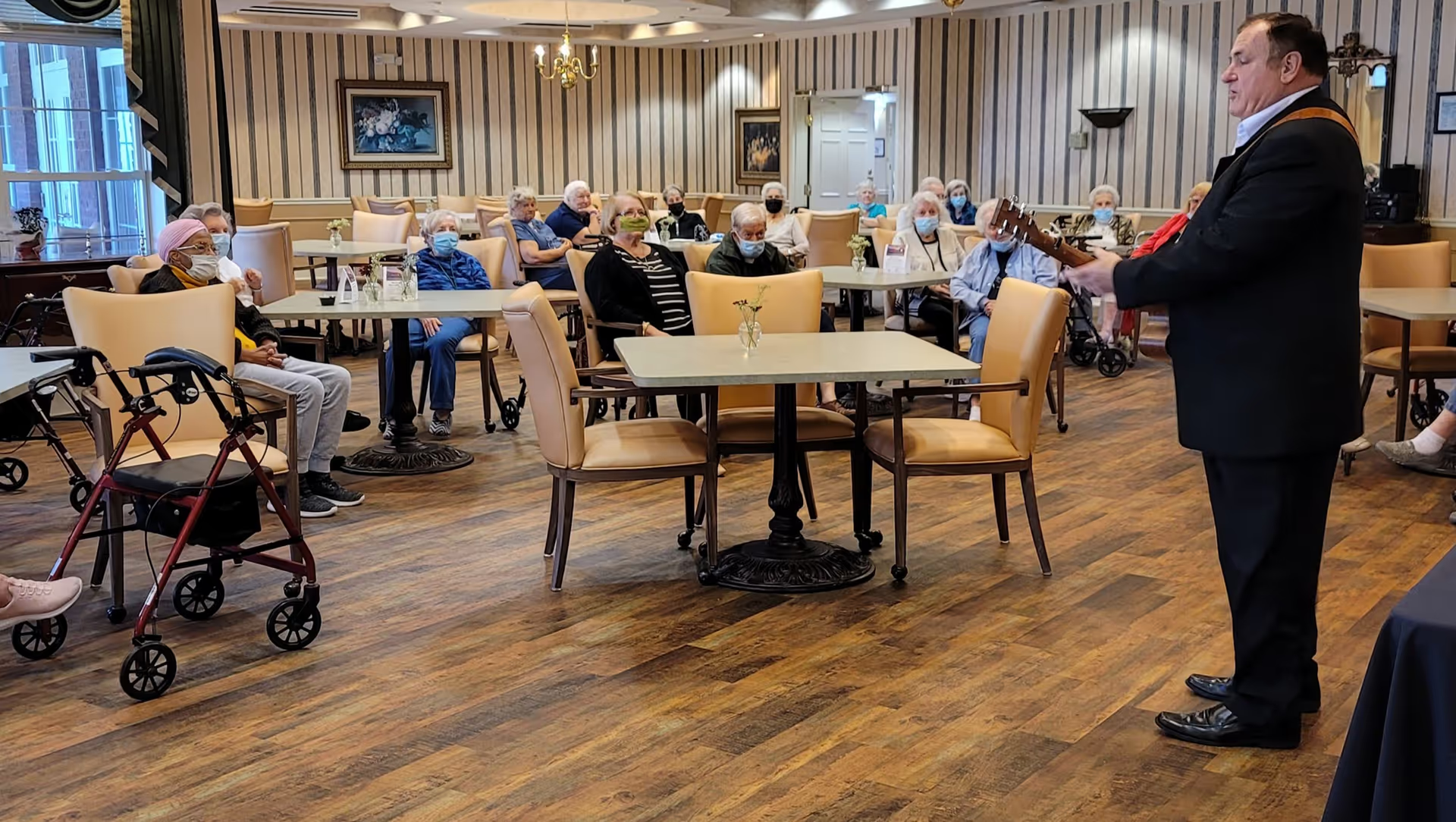
Dining and activities: Dining is frequently noted as a strength — meals are described as good and well-received. The facility provides scheduled social programming including church services, bingo, and other activities; therapy participants generally report positive experiences with physical therapy. However, activity participation is not consistently facilitated for all residents, and some residents did not engage in the available programming. Prospective residents should confirm activity scheduling and the level of assistance provided to support participation.
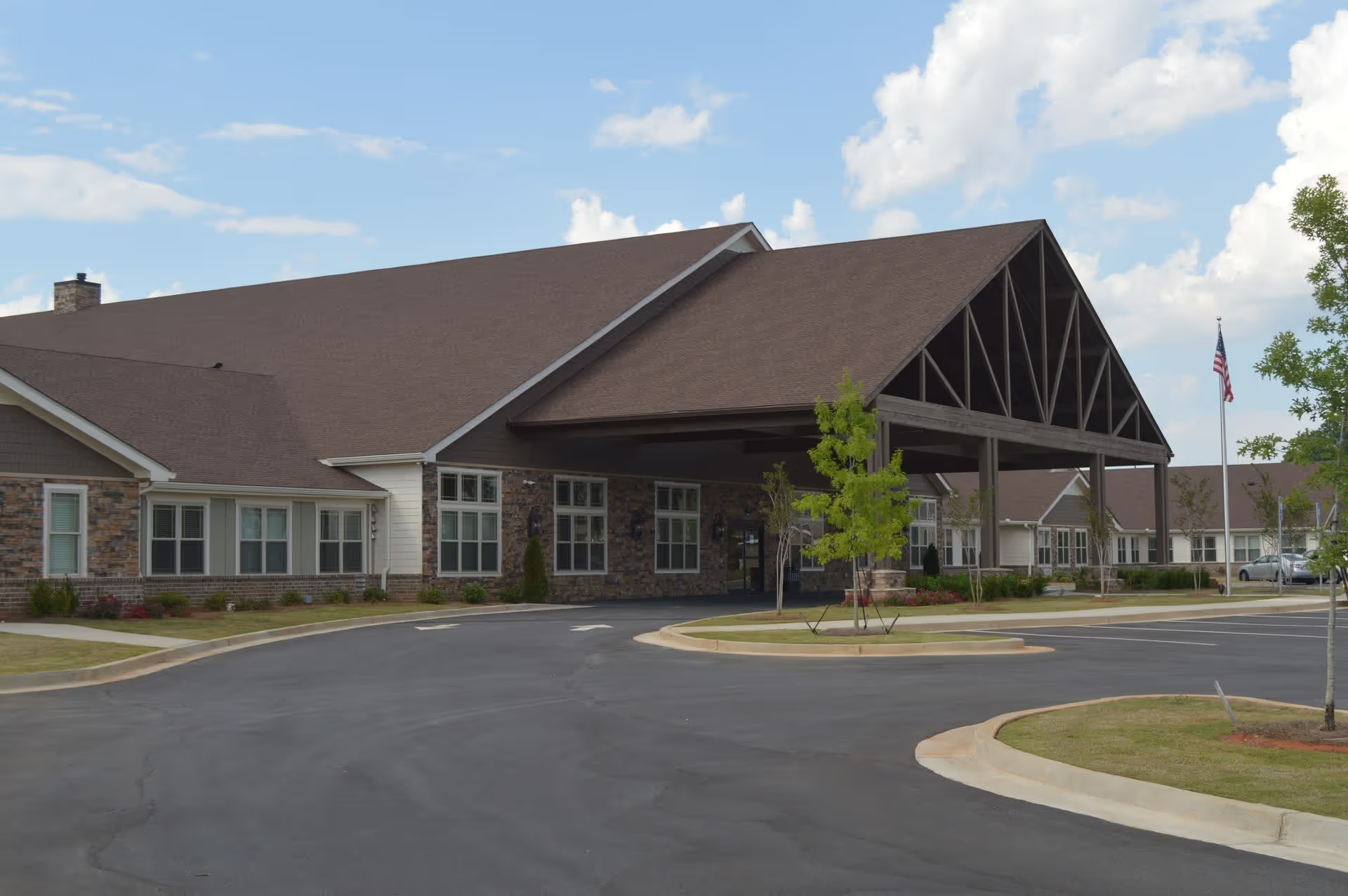
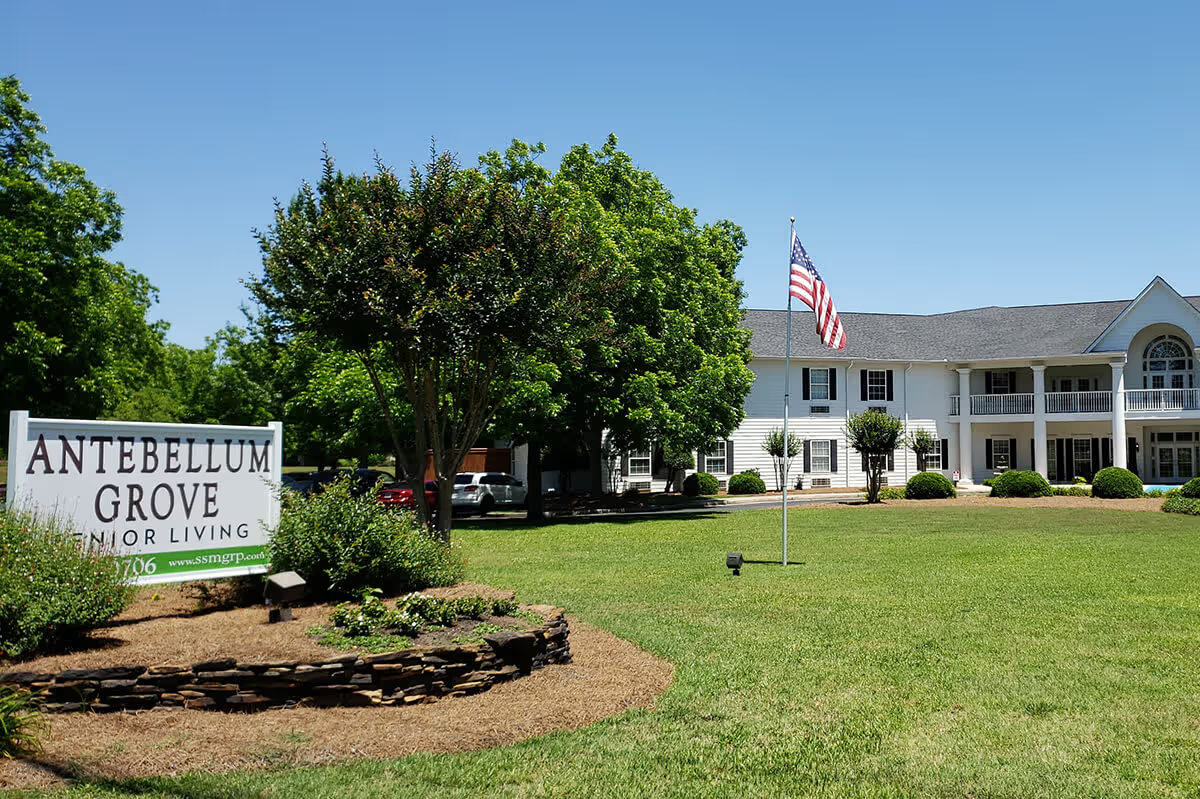
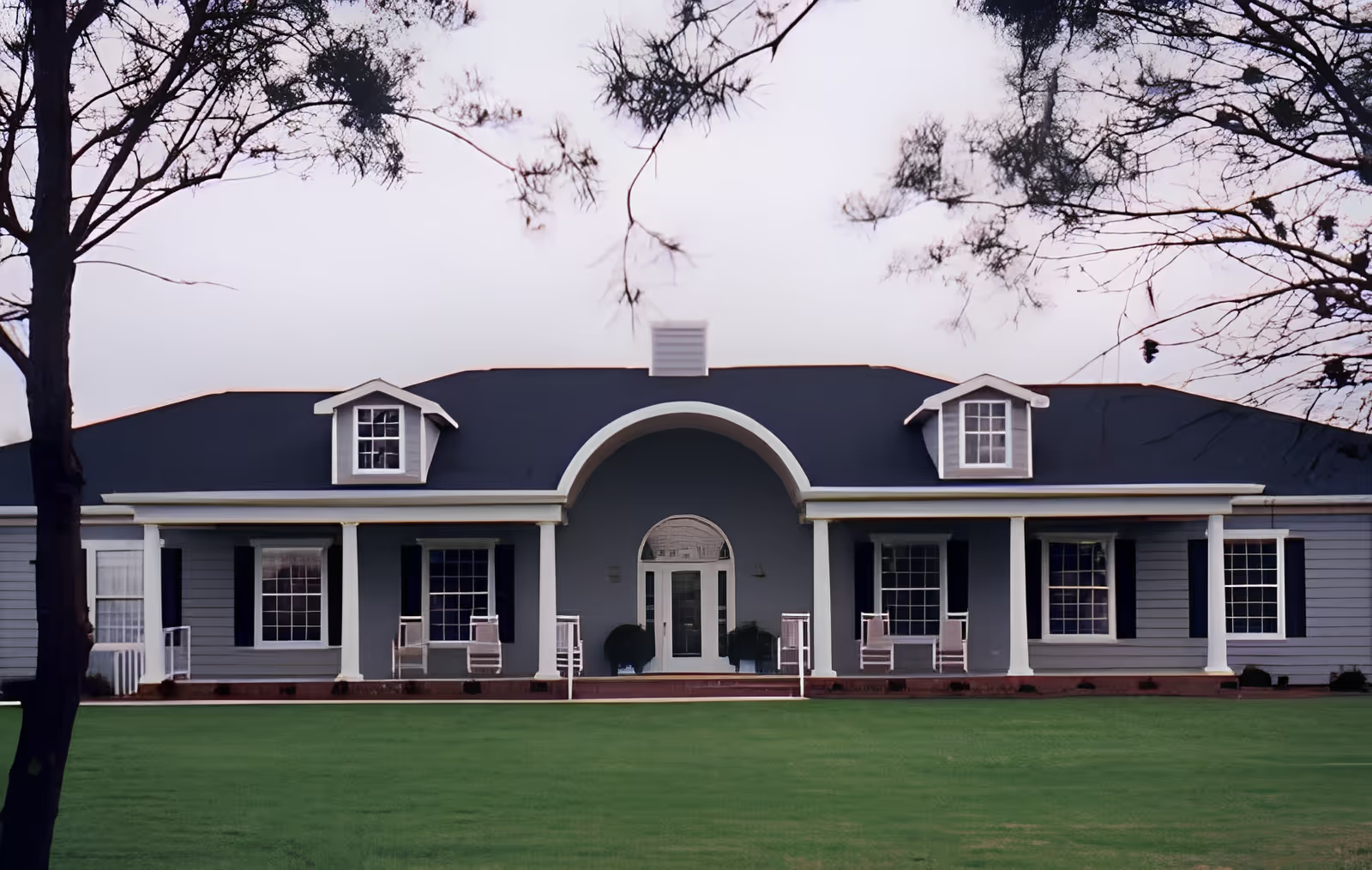
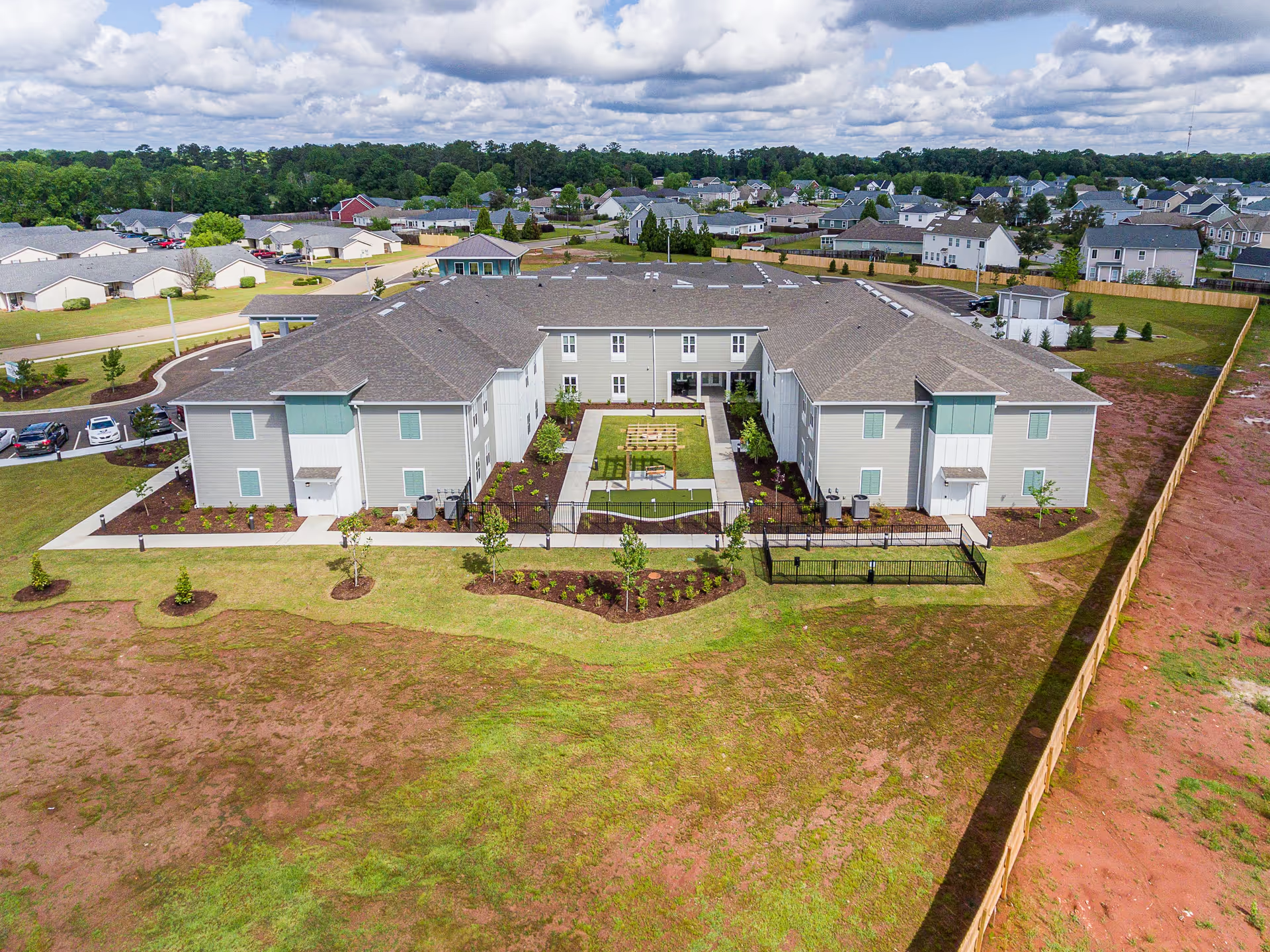
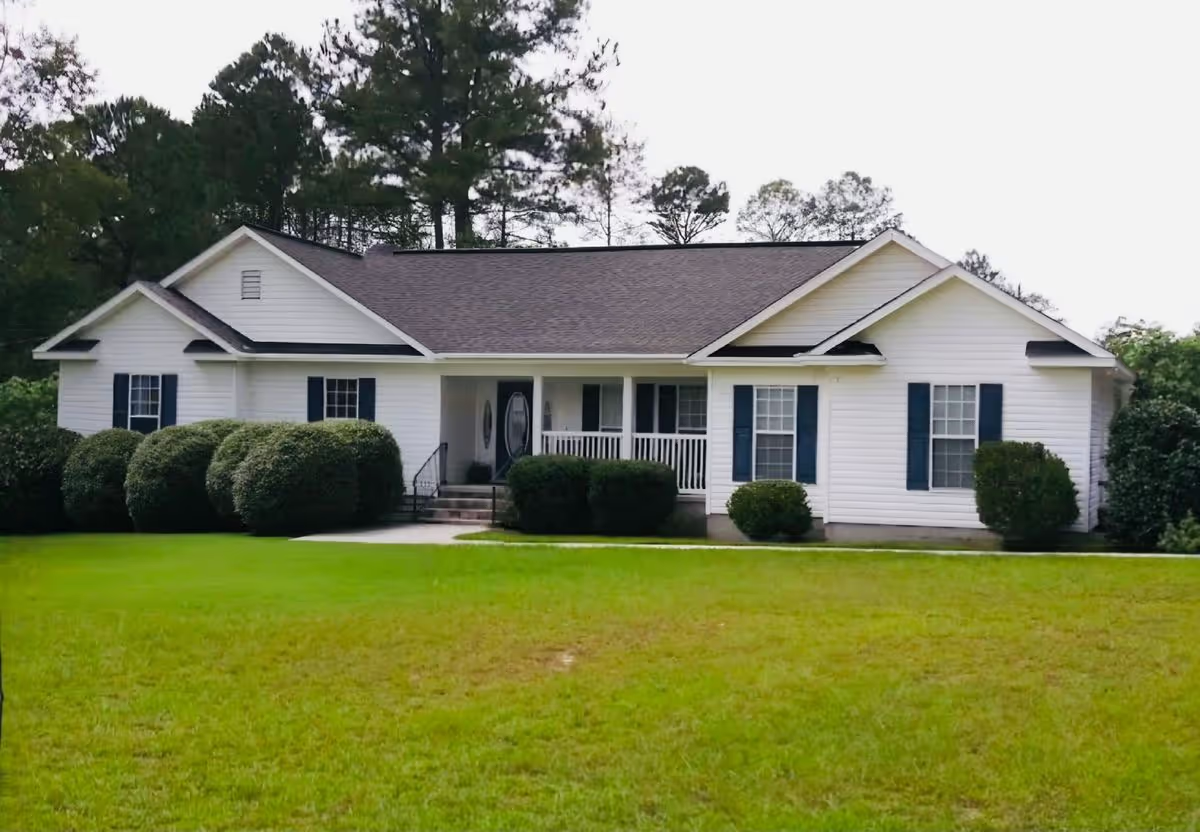
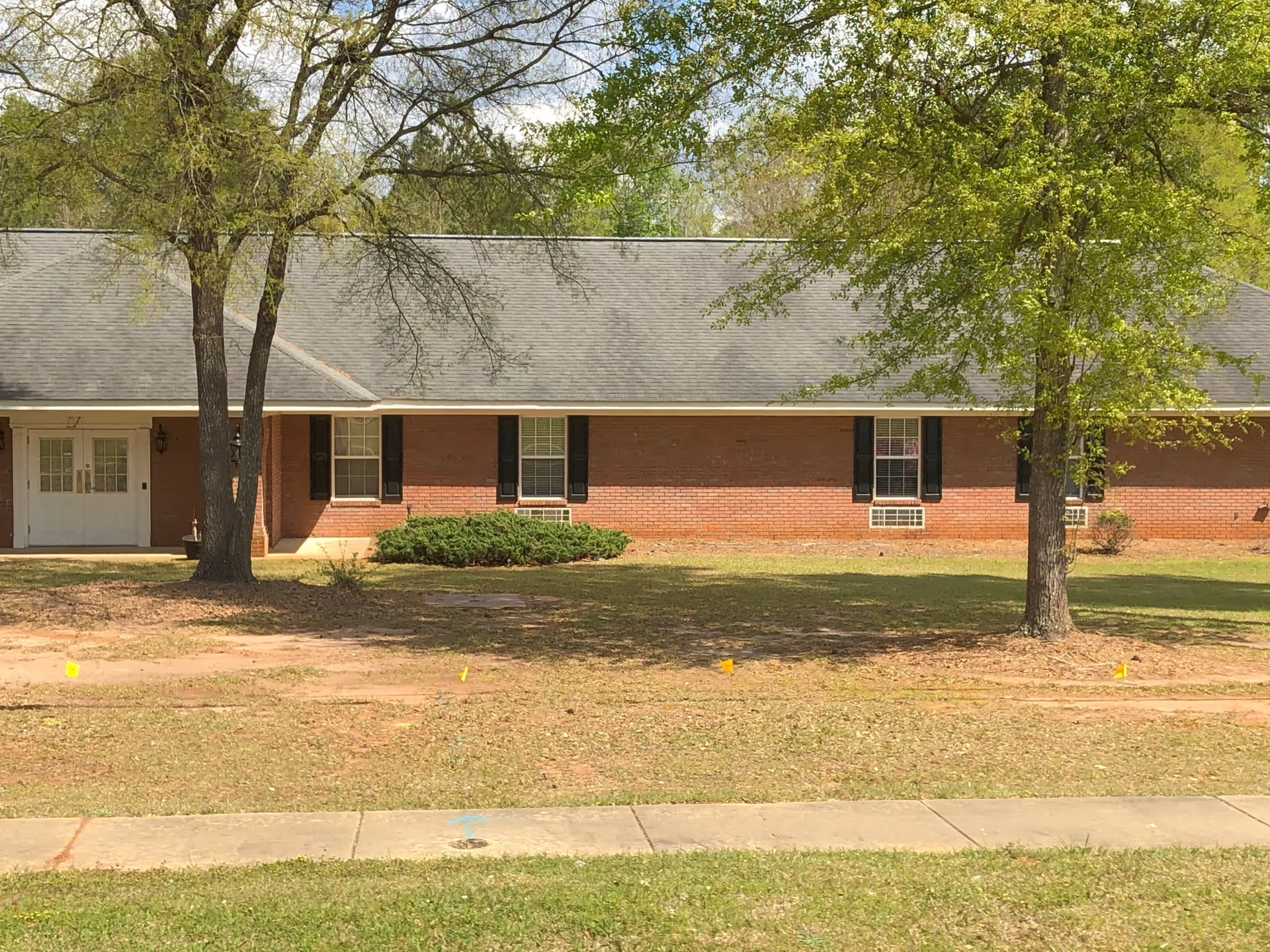
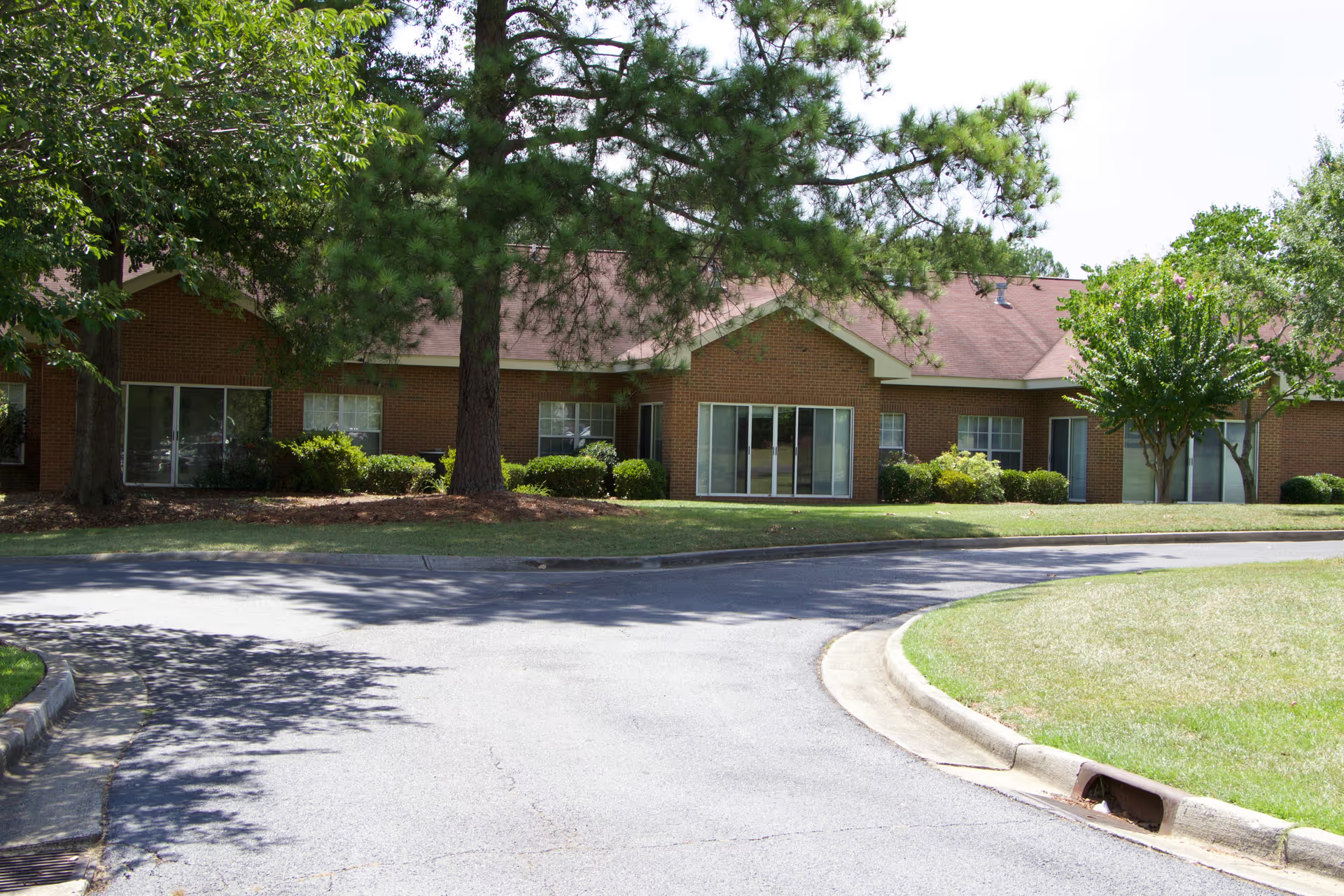
Facilities and cleanliness: Some reviewers praise room size, cleanliness, and an uplifting environment, while others report sanitation and odor-control concerns in parts of the facility. Roommate dynamics were also raised as an operational issue affecting privacy and the ability of staff to deliver care without interruption. These contrasting observations point to variable environmental maintenance and unit-level differences.
Management and notable patterns: Administrative interactions are characterized as adequate by some, and the facility provides regular family updates, which families value. At the same time, the facility is described as relatively expensive, and the operational weaknesses above — responsiveness, medication timeliness, inconsistent personal-care practices, and sanitation variability — are important management areas to address. The overall pattern is one of strengths in therapy, food, and staff friendliness, paired with operational inconsistencies that may affect daily comfort and safety.
Recommendations for prospective families: When evaluating this facility, ask about staffing levels by shift, protocols for call-response times and medication administration, incontinence-care procedures, housekeeping schedules and odor-control practices, roommate assignment policies, and how activity participation is supported for residents with varying needs. Observing a mealtime, visiting during different shifts, and requesting recent inspection or quality metrics may help clarify how consistent the positive aspects are and whether the operational concerns have been addressed.