Reviewer sentiment for The Care Center of Honolulu is mixed, with many families and residents praising interpersonal care and clinical strengths while others express operational and consistency concerns. Positive accounts emphasize compassionate, attentive caregiving; a strong therapy department including respiratory expertise; and clinical nursing leadership that is proactive. Conversely, a recurring operational theme is staffing shortfalls that appear to affect wait times, responsiveness, and continuity of care.
Care quality is described as variable. Numerous accounts highlight effective, outcome-focused rehabilitation and strong respiratory and skilled-nursing expertise, often crediting specific therapists and nurse managers. At the same time, other accounts describe unclear rehabilitation outcomes or inconsistent therapy availability and scheduling, suggesting variability in how therapy services are delivered and coordinated for different patients.
Staffing and staff behavior are central themes. Strengths include many individual staff members who are described as kind, attentive, and collaborative, plus an approachable reception and admitting team. Weaknesses cluster around persistent understaffing, shift-to-shift inconsistency in nursing coverage, long call-response times, and broader concerns about staff conduct or responsiveness. These operational issues appear to drive the greatest dissatisfaction where they occur.
Dining and activities present a mixed picture. The facility’s kitchen and dining staff are frequently characterized as accommodating, and activities and social programming are generally viewed as engaging and home-like. However, several accounts criticize inconsistent meal quality, repetitive menus, and overly salty or uniform meal choices, indicating variability in resident dining experiences.
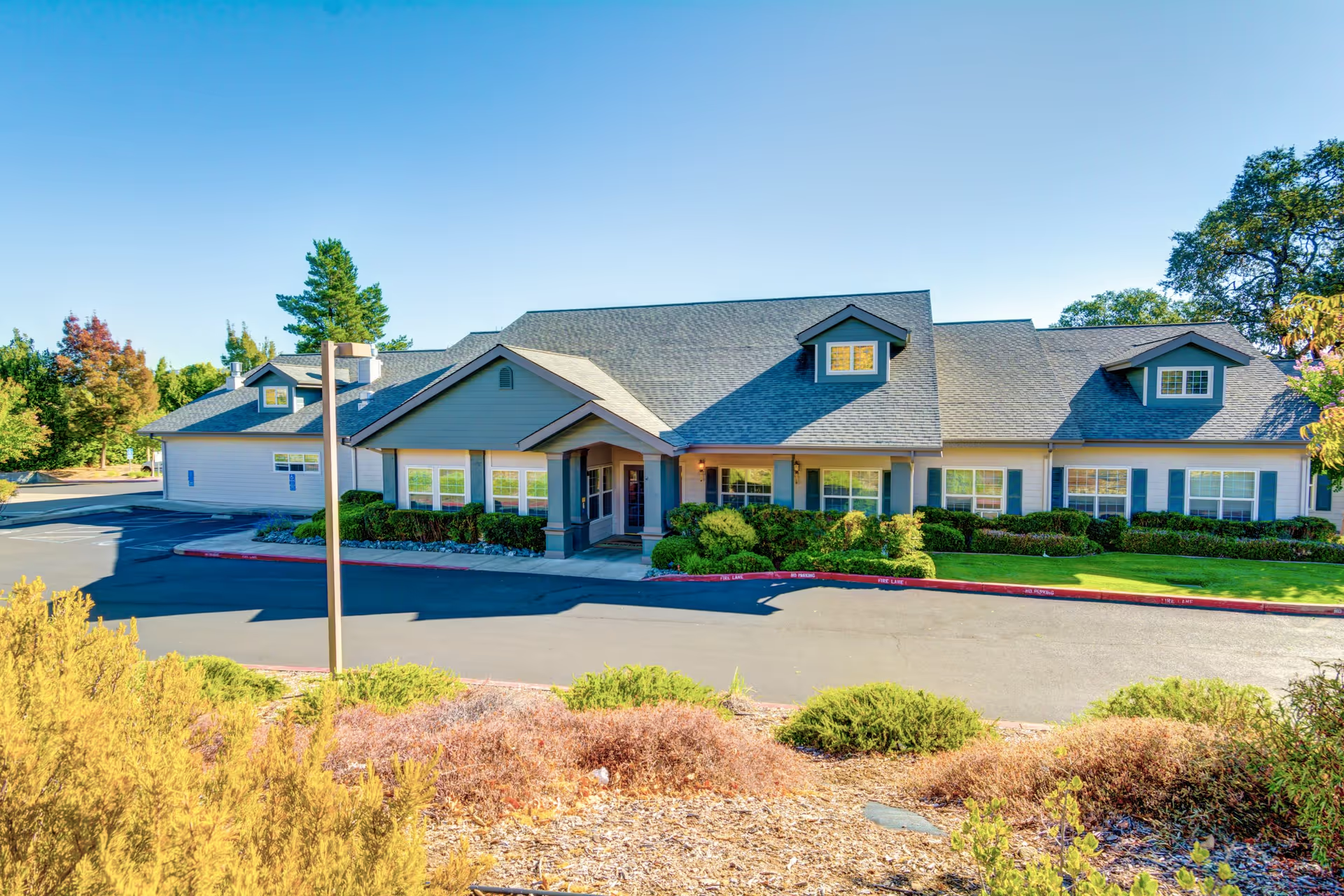
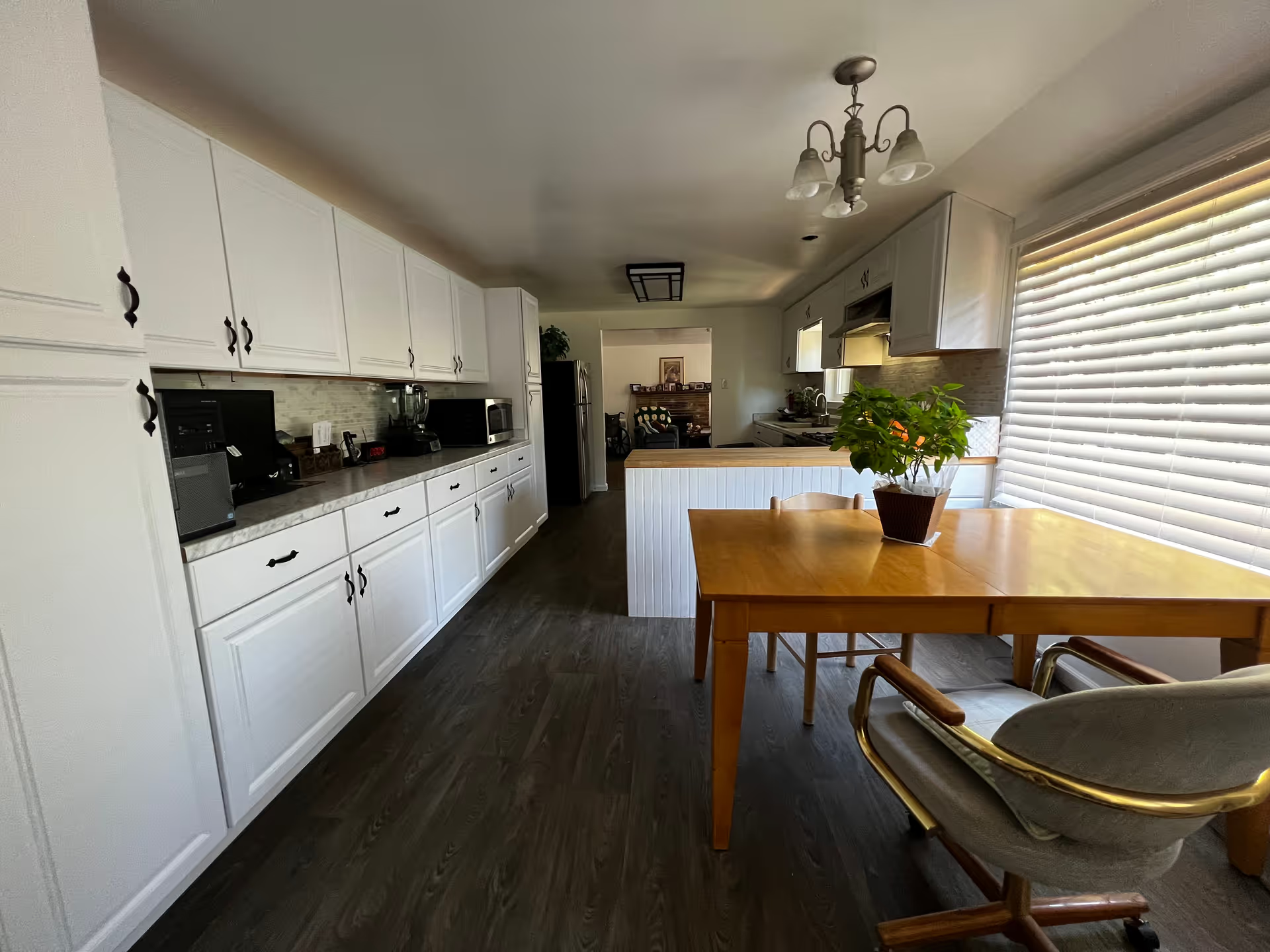
Facilities and environment combine positive and negative elements. Common areas and public spaces are frequently described as clean and pleasant, and management is actively pursuing renovations and improvements. Patient rooms and some unit areas are noted as older and showing wear, and noise in resident rooms or wards is a repeated operational concern that can affect resident comfort and sleep.
Management and administration receive largely positive comments about responsiveness and improvement efforts, including proactive nurse managers and visible facility upgrades. At the same time, operational gaps — notably in care coordination, timely medication handling, and consistent therapy scheduling — indicate areas for management focus. Prospective residents and families should weigh the facility’s clear interpersonal and clinical strengths against the documented variability in staffing, responsiveness, meal consistency, and room condition when making placement decisions.