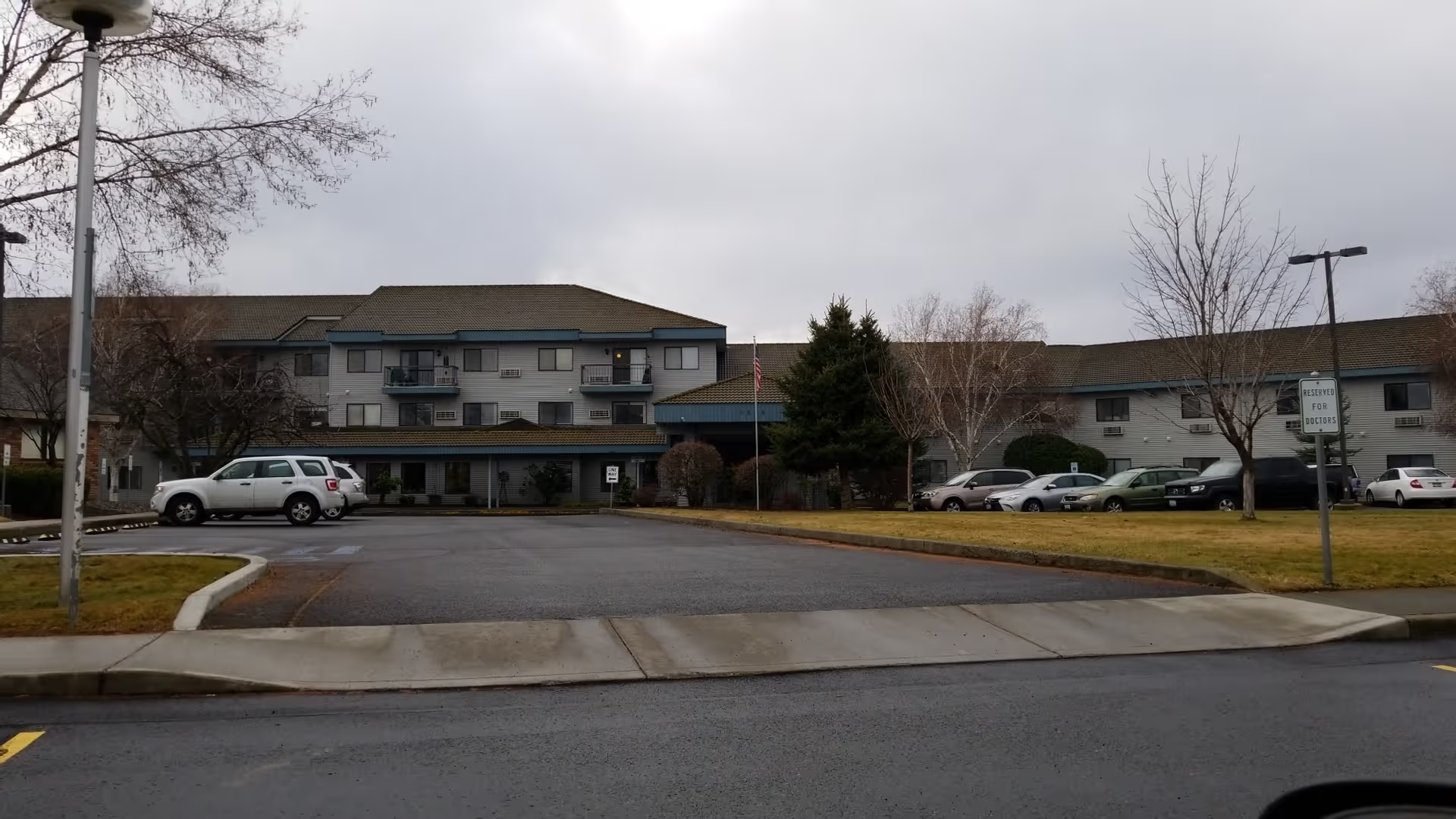
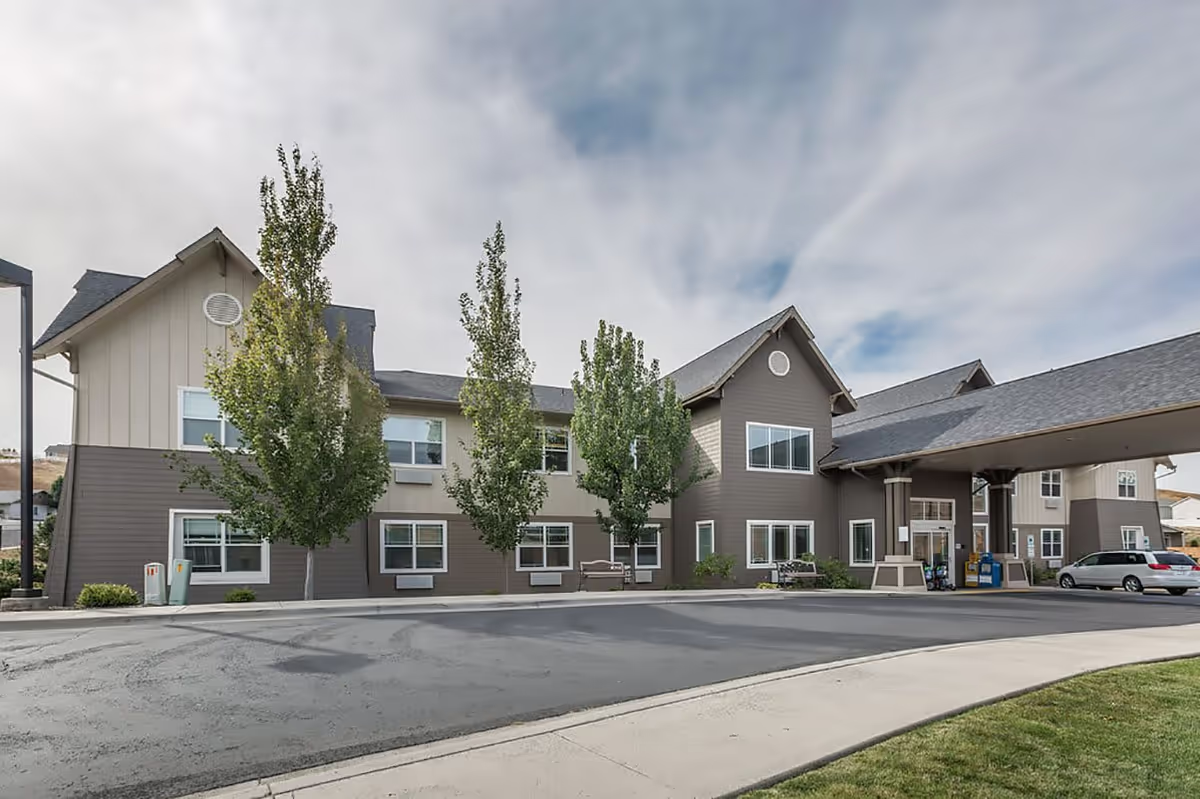
Overall impression: Reviews for Cascadia of Lewiston are mixed, with a clear split between accounts that praise the facility’s interpersonal care and those that raise operational and clinical concerns. Many families and residents describe attentive, respectful caregivers, strong therapy and rehabilitation support, and a clean, comfortable environment. At the same time, a subset of reviews describes significant clinical and administrative lapses that warrant careful consideration during a placement decision.
Care quality and clinical concerns: Positive accounts emphasize compassionate bedside care, knowledgeable caregivers, and strong medical/therapy support that contributed to noticeable improvement for some residents. Conversely, several reviewers raised concerns about the management of complex clinical needs — notably wound care and diabetes-related dietary accommodations. These critiques suggest inconsistent adherence to clinical protocols for some residents, and a few accounts escalated to serious clinical outcomes. Prospective families should ask the facility for specific clinical policies, staffing ratios for skilled nursing shifts, and examples of how complex wounds and dietary needs are managed and monitored.
Staffing, communication, and staff conduct: Staff are frequently described as friendly, caring, and respectful; many families praised individual caregivers and the facility’s approach to end-of-life care. However, recurring operational issues include perceived understaffing and variability in staff availability, which reviewers linked to delays in care and inconsistent follow-through on care plans. Several reviewers also mentioned miscommunication between staff and families. These patterns indicate potential gaps in shift coverage and in family-staff communication protocols — items to review with management during a tour (e.g., how shift changes are handled, how family concerns are escalated, and how care updates are communicated).
Dining, activities, and therapy: Dining receives mixed feedback. Multiple reviewers praised the quality and presentation of meals and desserts, yet others reported unreliable meal timing (including late dinners) and insufficient dietary accommodation for residents with clinical needs such as diabetes. Rehabilitation and therapy services are a clear strength in many accounts: therapy staff and preparatory training were noted as helpful in discharge and recovery. Information about recreational programming and broader activity offerings was limited in the available summaries; families should request a sample activities calendar and therapy goals when evaluating placement.
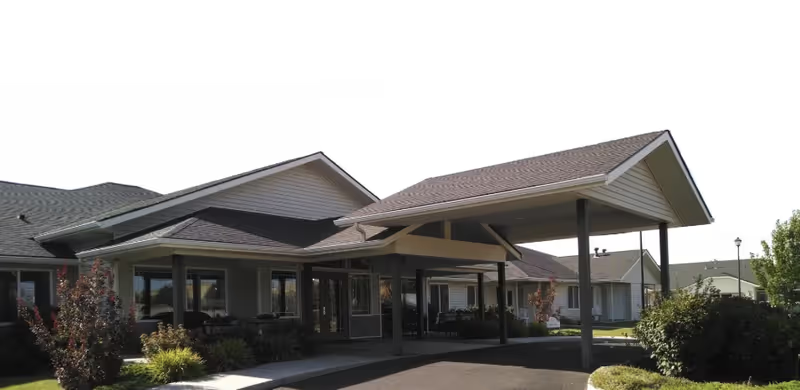
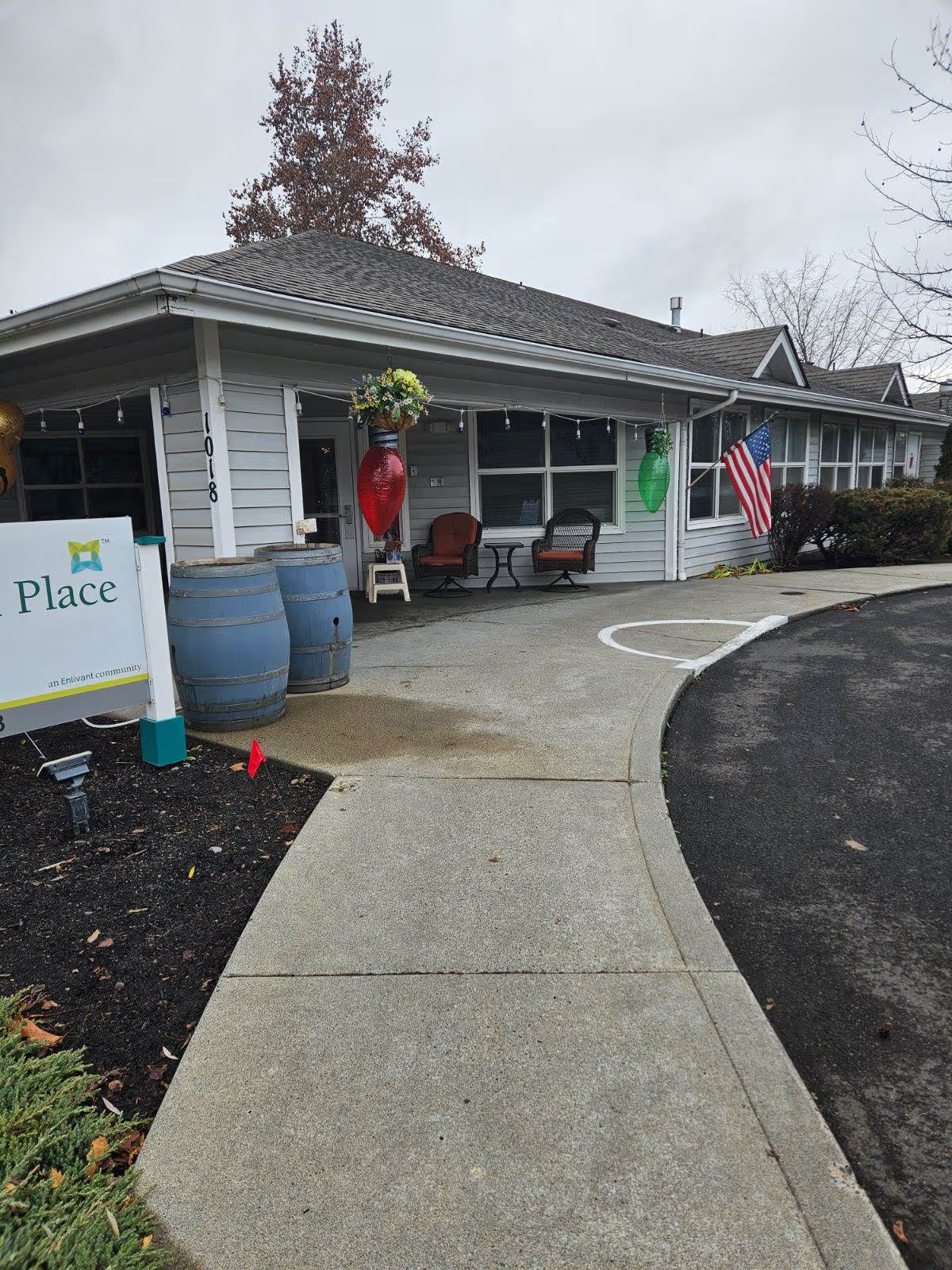
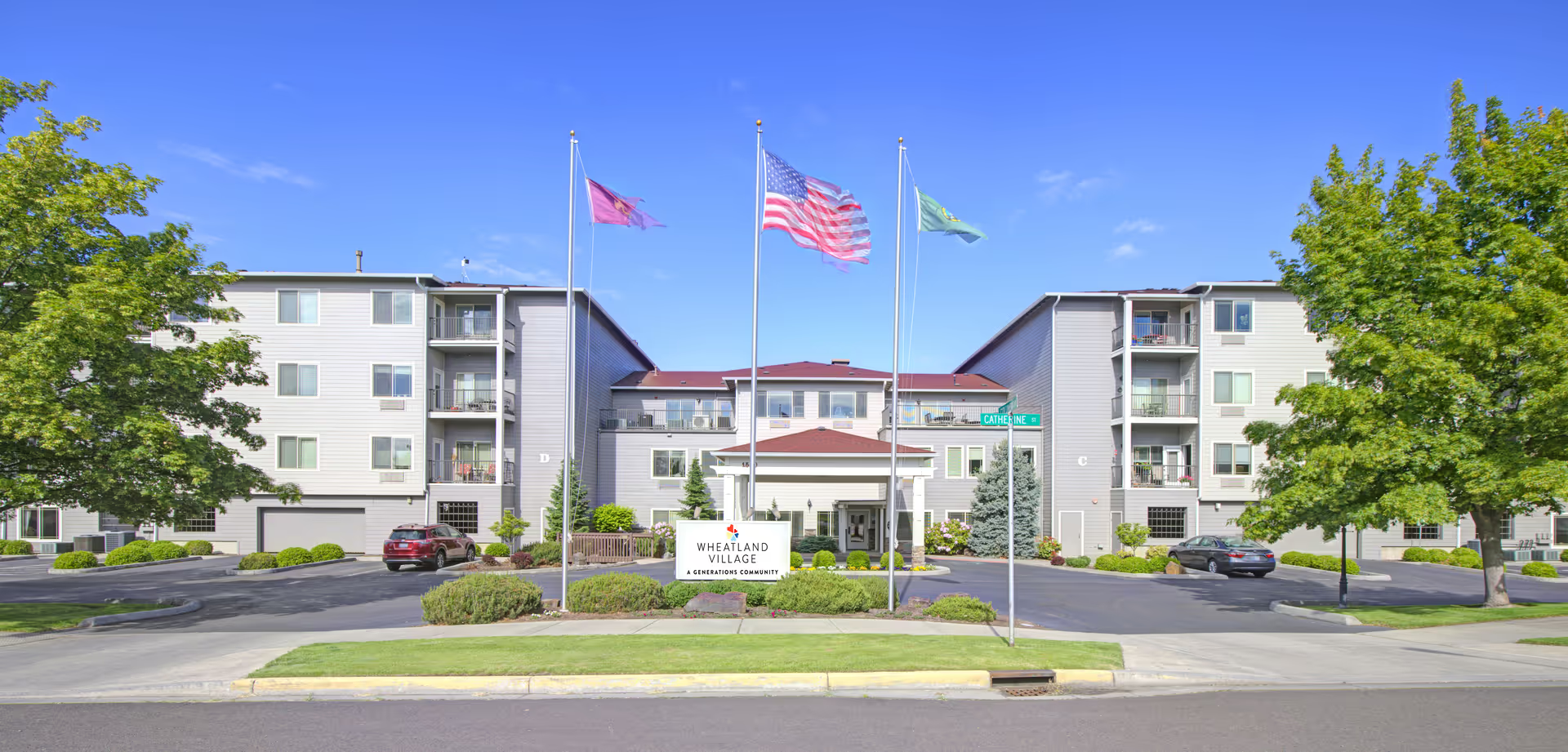
Facilities and management: Physical facilities are described positively — clean, well-appointed rooms and a pleasant atmosphere were commonly noted. Management impressions are mixed: some reviewers complimented management and staff responsiveness, while others described difficulty interacting with administration or dissatisfaction with leadership decisions. This points to variability in administrative responsiveness and consistency in policy enforcement. Prospective residents should discuss grievance procedures, family-care conferences, and how the facility addresses and documents complaints.
Notable patterns and guidance: The reviews present a polarized picture: strong interpersonal care, good rehab outcomes, and clean surroundings on one side; and intermittent but serious clinical and operational lapses on the other. When considering this facility, ask targeted questions about clinical oversight (wound-care protocols, diabetic meal planning, nursing supervision), staffing levels and turnover, meal schedules and dietary planning, and evidence of quality audits or corrective actions. Request references from current families, review recent inspection or complaint history, and consider an in-person visit during mealtime and a change-of-shift to observe staffing and communication in practice.