Overall impression: Reviews present a mixed but largely clinical picture: Cascadia of Nampa is frequently praised for clinical strengths—particularly rehabilitation services—and for maintaining a clean, modern environment. Families and residents often describe staff as friendly and professional, and many note strong therapy outcomes, effective intake assistance, and helpful coordination around insurance and discharge planning. At the same time, recurring operational issues—chiefly related to staffing, communication, and dining—appear to temper the overall experience for some residents.
Care and clinical services: The facility's rehabilitation and physical therapy program is a consistent strength. Reviewers use terms such as "excellent" and "phenomenal" for therapists and cite measurable functional gains and rapid progress. Nursing staff are also described positively in many comments, with several families noting prompt clinical attention and knowledgeable care. However, clinical quality is sometimes affected by staffing patterns: high turnover and periods of understaffing are associated with longer waits for assistance, limited one‑on‑one attention, and occasional challenges in arranging physician visits. These operational pressures appear to create variability in resident experience despite a generally capable clinical team.
Staffing, communication, and management: Administration and intake staff receive positive mention for being helpful and informative, and some families praised specific staff who "go above and beyond." Conversely, there are repeated observations of inconsistent family communication—difficulty reaching the front desk, delays in returning calls, and gaps in updates about the resident's status. Turnover among direct‑care staff is cited as a contributor to confusion about routines and inconsistent enforcement of unit rules and visitation controls. Transparency around billing and what services are included—especially therapy copays and private‑pay expectations—was identified as an area for clearer upfront disclosure.
Dining and nutrition: Dining impressions are mixed. Many reviewers praised the quality and variety of meals, dietitian involvement, and the availability of alternatives. At the same time, reviewers raised concerns about food temperature at service, occasional blandness, portion sizes, and texture suitability for residents with chewing or swallowing needs. Families reported that dietary adjustments are possible when communicated, but that consistency in meal delivery and appropriate preparation for vulnerable eaters could be improved.
Activities and resident life: The facility offers activities and special events—examples include movie nights, popcorn, and open dining areas—that some residents find engaging. Reviewers noted an active therapy/exercise space and programming that supports recovery. Nonetheless, a subset of residents and families described limited daily engagement or boredom, and an institutional feel in some parts of the facility that can make it less homelike for long‑term residents.
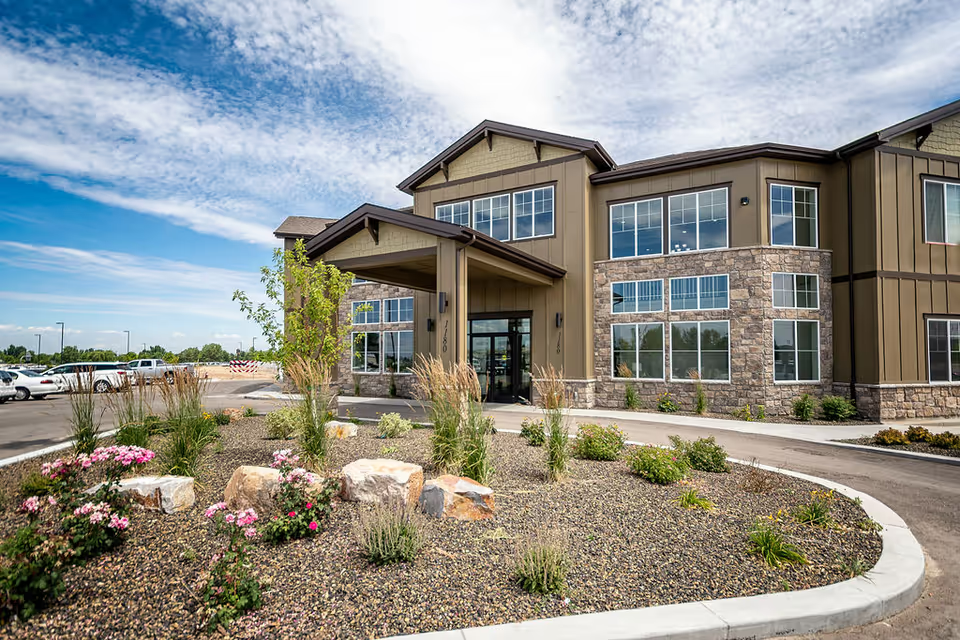
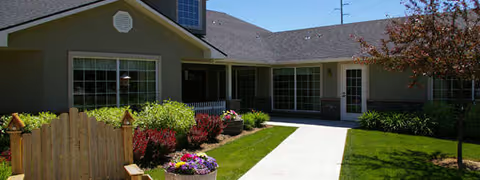
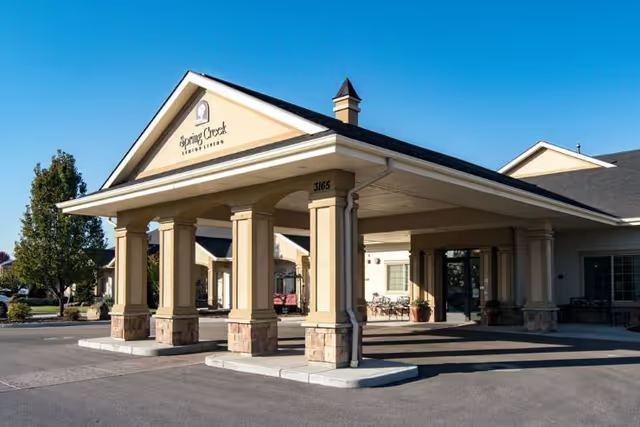
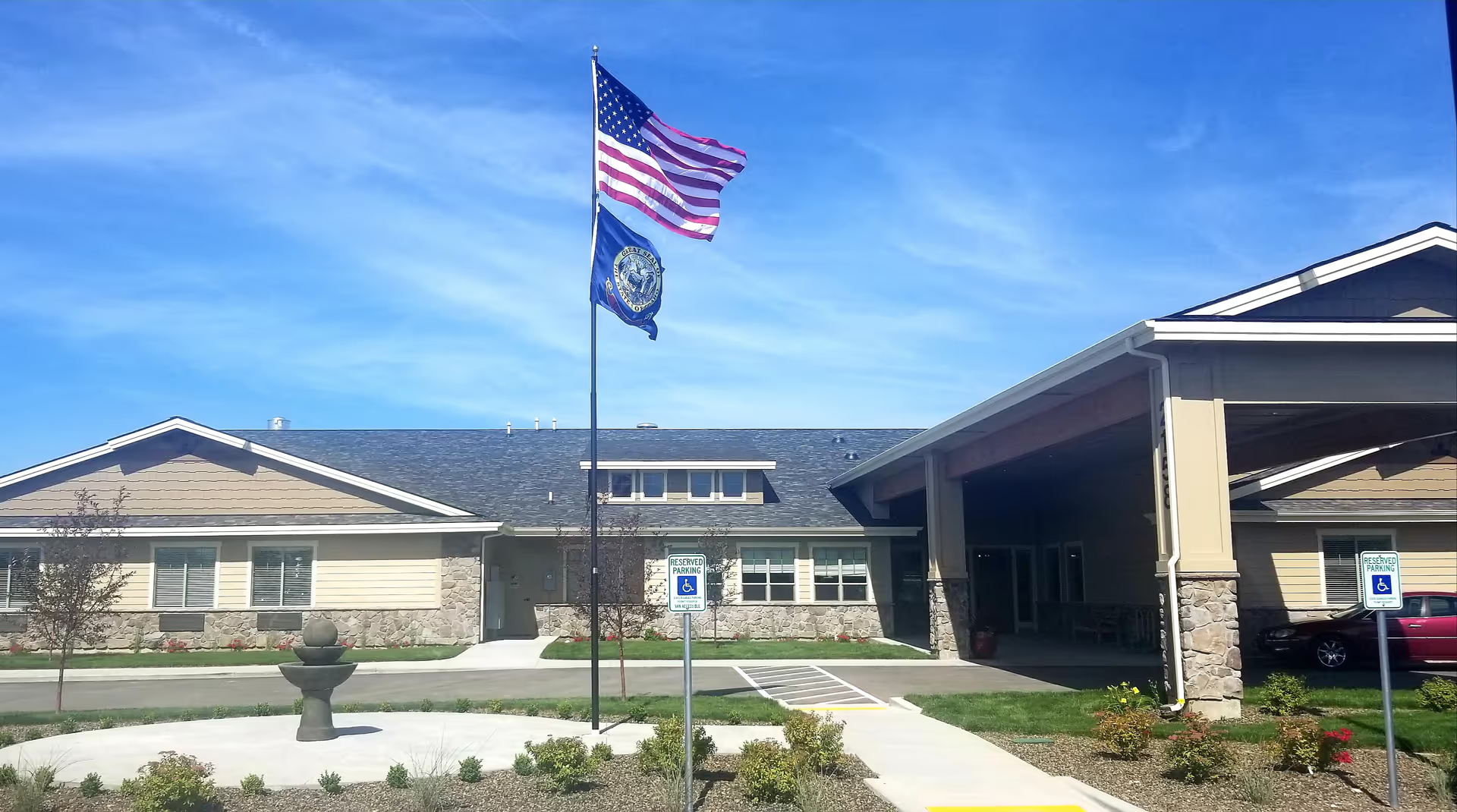
Facilities and housekeeping: The building and rooms are commonly described as very clean, new, and well maintained, with private rooms and en‑suite bathrooms highlighted positively. There are occasional housekeeping follow‑through concerns (for example, items left in rooms), and a few mentions of transient odor issues that were resolved. Overall the physical plant and equipment—including new therapy machines and a large exercise room—are seen as assets.
Notable patterns and recommended focus areas: The dominant pattern across reviews is a strong clinical and rehabilitation program combined with operational variability. Key areas for improvement would be staffing stabilization and scheduling to reduce response delays; clearer, more consistent family communication and front‑desk responsiveness; improved transparency about billing and which services are bundled; and consistent meal service practices that address temperature, texture, and portion concerns. Addressing these operational traits would better align the overall resident experience with the facility's clinical strengths.