Experiences at Community First Medical Center vary considerably. Many accounts describe kind, capable clinicians who provide attentive care, explain procedures, and support patients through surgery, recovery, and serious illness. Positive feedback is especially prominent for individual nurses and teams in inpatient, ICU, outpatient surgery, bariatric and nutrition services, imaging, and rehabilitation. Some patients also describe prompt emergency care and effective treatment. Other accounts raise concerns about clinical assessment, symptom monitoring, medication management, and delays in responding to changing needs. A subset describes serious outcomes or decisions they believe were not adequately explained; the reviews alone cannot establish the clinical circumstances or cause. Overall, the accounts point to uneven experiences across departments and shifts rather than uniformly poor or uniformly strong care.
Emergency-department access is the most consistent concern. Patients and families describe long waits for triage, evaluation, test results, beds, and discharge, including waits while experiencing significant symptoms. Reviewers also describe periods when staff appeared stretched and patients remained in hallways or temporary spaces. Reports of missed updates, unclear plans, delayed responses to call buttons, and difficulty reaching clinicians or obtaining family updates recur across emergency and inpatient settings. Some patients praise staff members who were attentive and reassuring, but communication and responsiveness appear inconsistent.
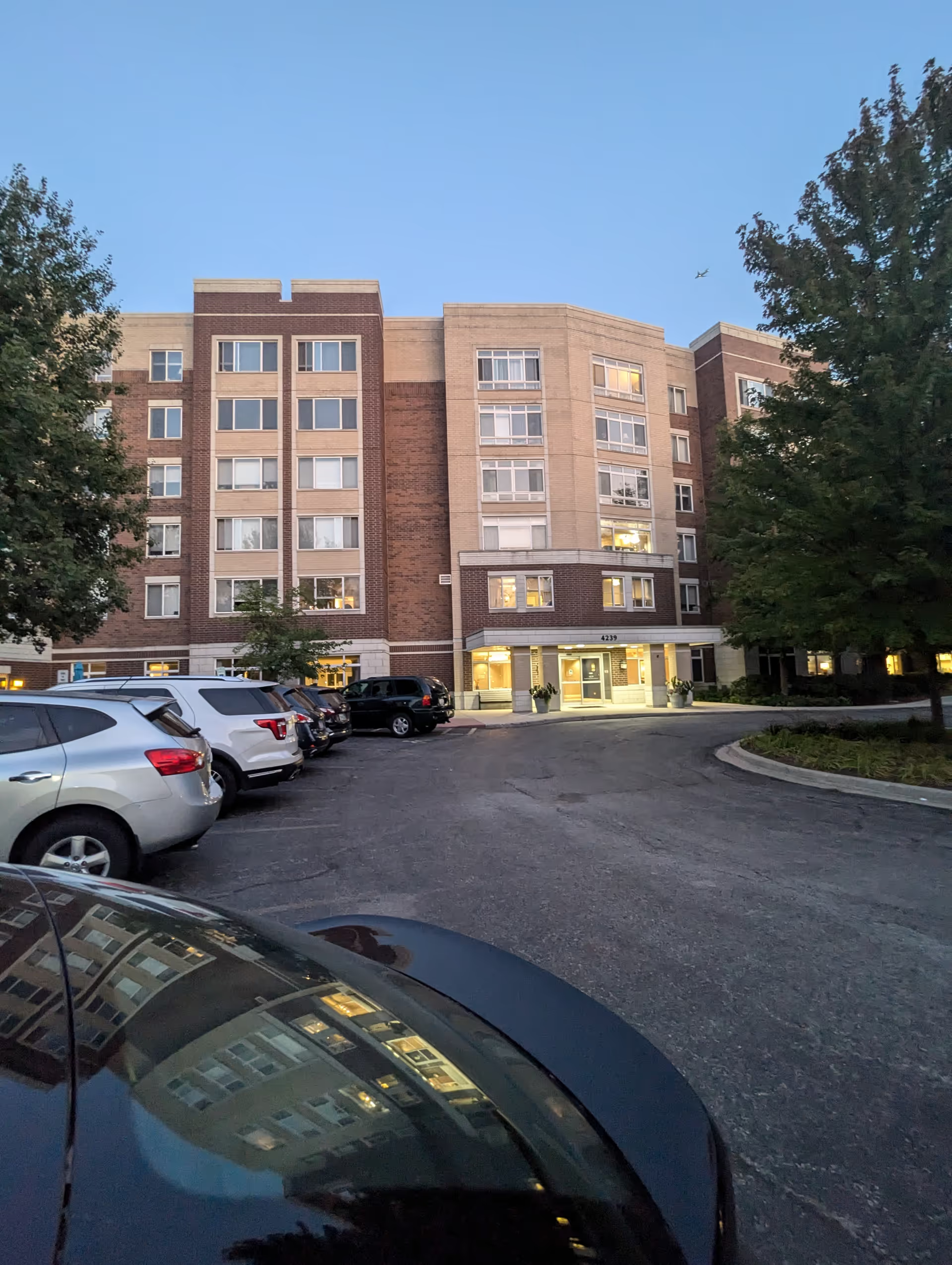
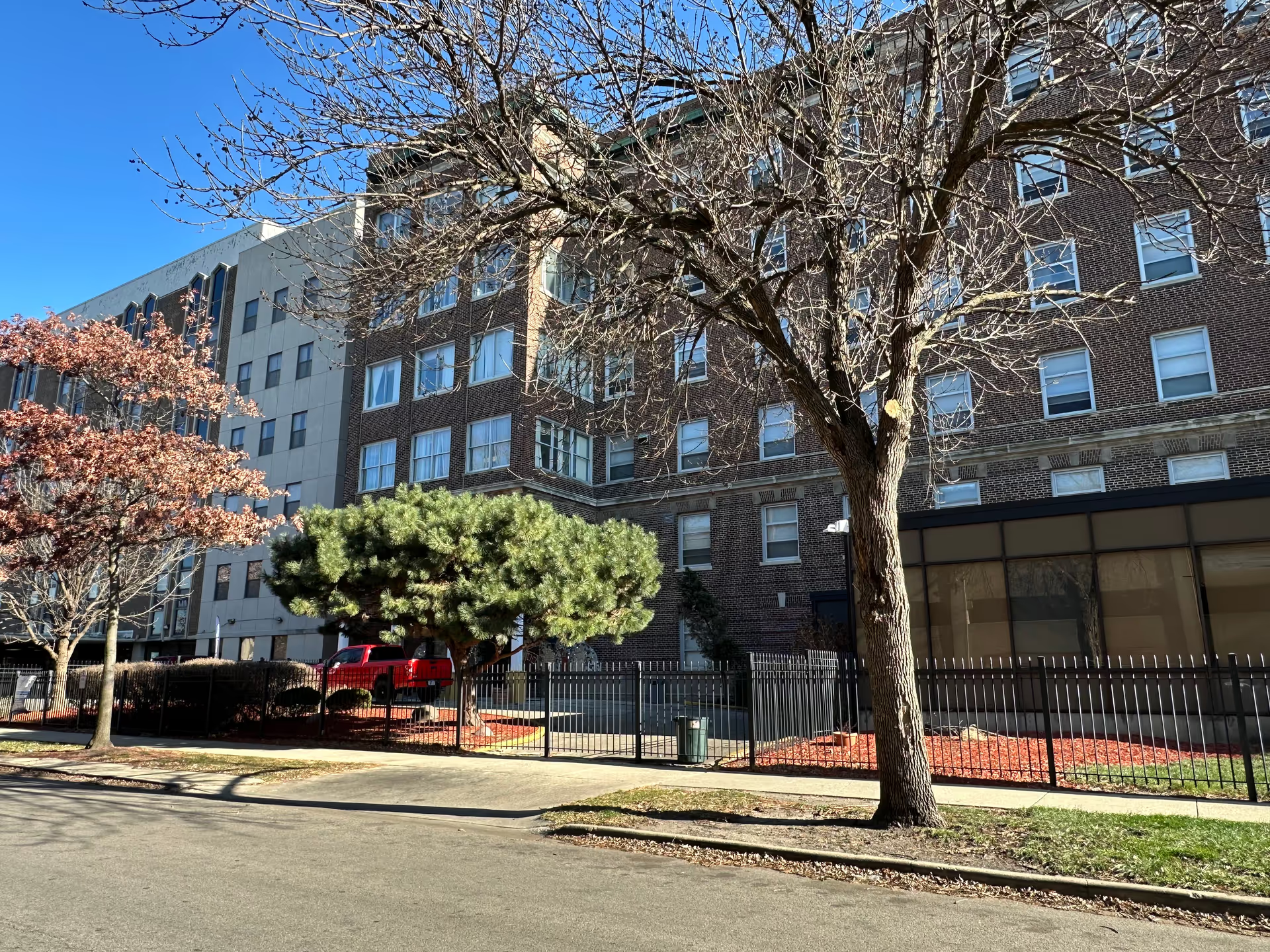
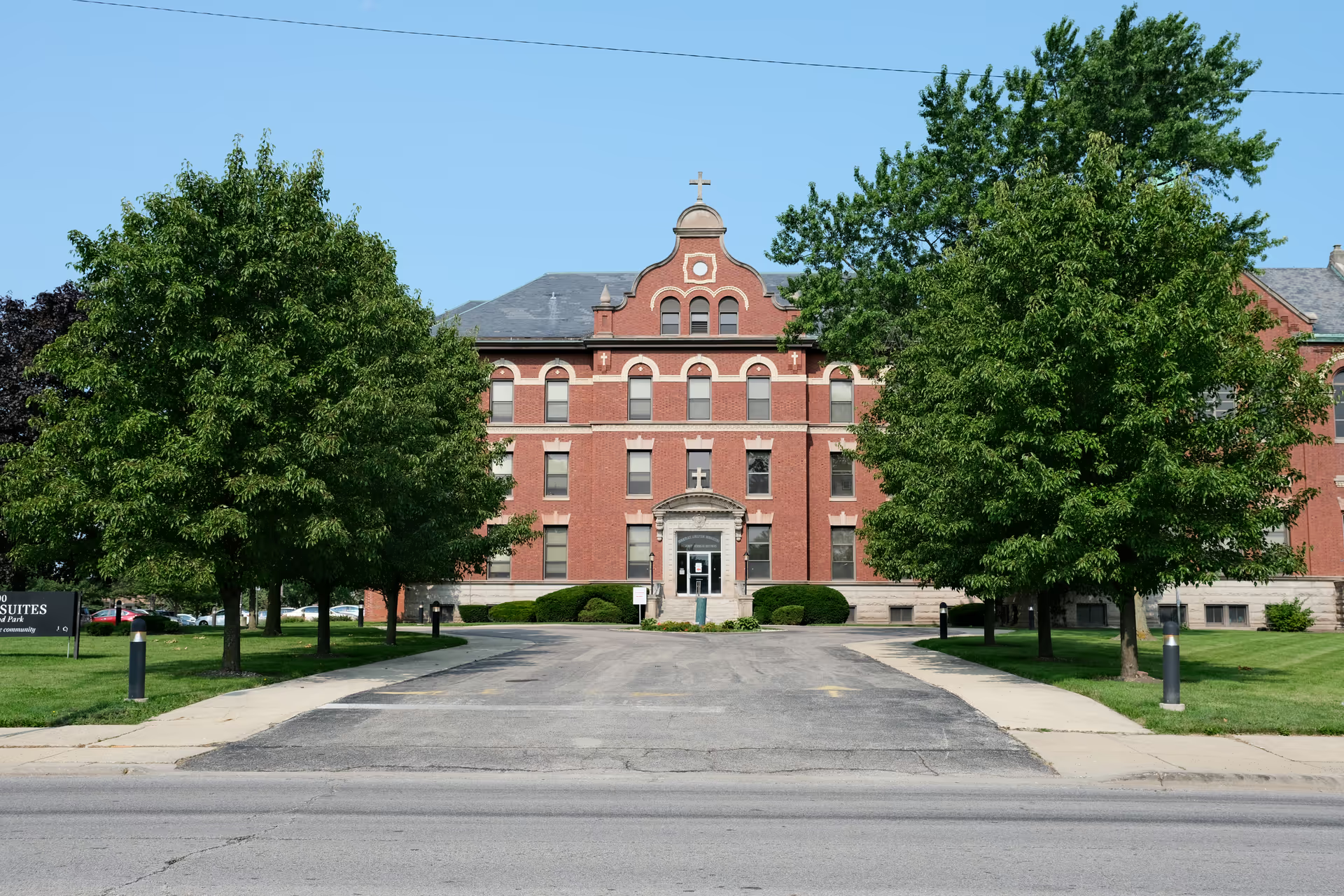
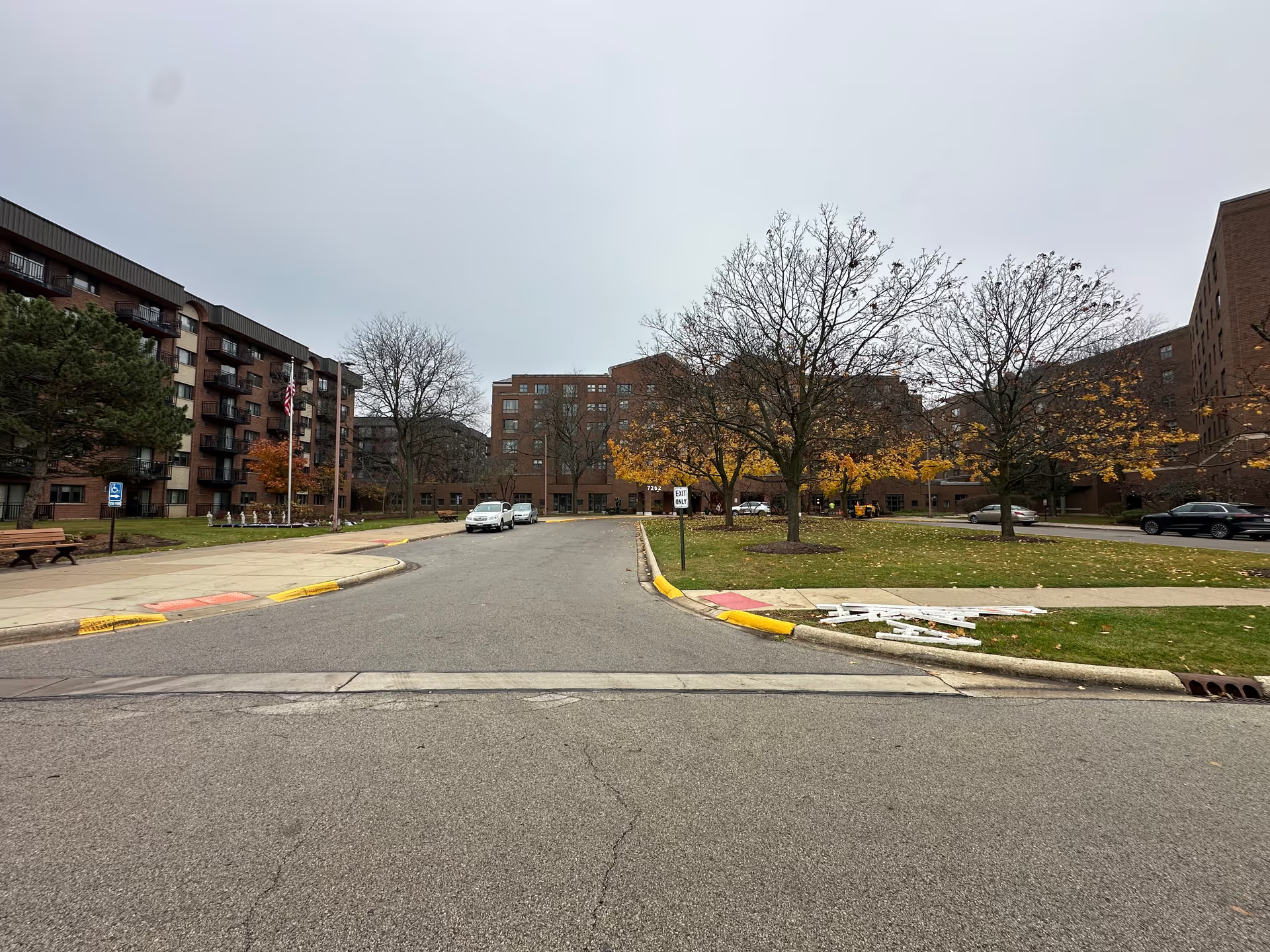
The physical environment is frequently described as dated, with concerns about worn rooms, unreliable or outdated equipment, cleanliness, ventilation, air conditioning, and other basic amenities. Some accounts describe clean rooms and comfortable stays, showing that conditions may differ by area or visit. Dining feedback is mixed: a few patients complimented food or cafeteria options, while others describe delayed meals, limited choices, or difficulty receiving requested items. Reviews provide little information about organized activities; comments focus mainly on clinical care, procedures, and rehabilitation.
Operational and administrative concerns extend beyond bedside care. Reviews describe problems with appointment scheduling, unavailable or malfunctioning services, referrals, records, follow-up, billing, insurance processing, and resolving charges or collections. Discharge and transfer coordination, privacy practices, and consistent personal-care assistance are additional areas raised by families. Taken together, the reviews suggest that strong individual staff members and successful specialty or procedural experiences coexist with broader concerns about capacity, facility upkeep, communication, and administrative reliability.