Overall impression: Reviewers convey a largely positive view of Southfield Wellness Community, particularly highlighting compassionate caregiving, engaged management, and a generally well-maintained environment. Families and long-term residents frequently described respectful interactions and predictable relationships with staff, and a number of accounts emphasize successful care outcomes even in complex or advanced-age cases.
Care and staff: The dominant theme is that nursing and CNA staff are caring and knowledgeable. Reviewers note staff who know residents and families by name and who provide dignified treatment. There are mentions of long-tenured staff and leadership that is accessible and responsive to questions, which supports continuity of care and trust. At the same time, a pattern of inconsistent responsiveness appears: while many families received prompt attention and clear communication, others experienced delays in responding to requests or follow-up, indicating variability across shifts or units.
Dining, sanitation and safety: Several reviewers praised the facility’s general cleanliness and upkeep, but others raised sanitation concerns related to dining service and communal items. These comments point to intermittent lapses in utensil/food-service oversight and indicate a need for more consistent dining-service checks. Separately, there are concerns aligned with resident safety monitoring—specifically around skin integrity and supervision—that suggest opportunities to strengthen protocols for inspection, documentation, and timely follow-up after findings.
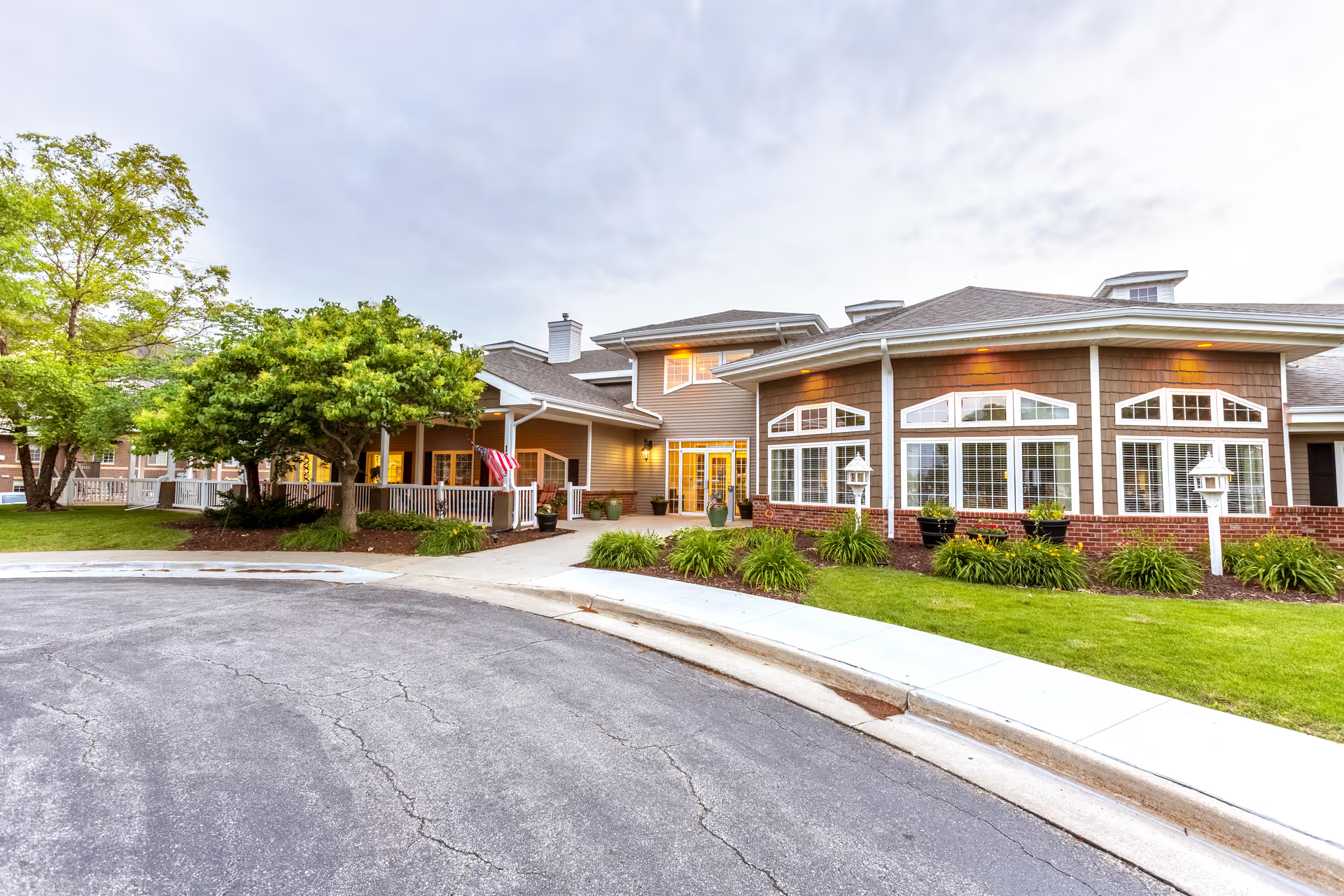
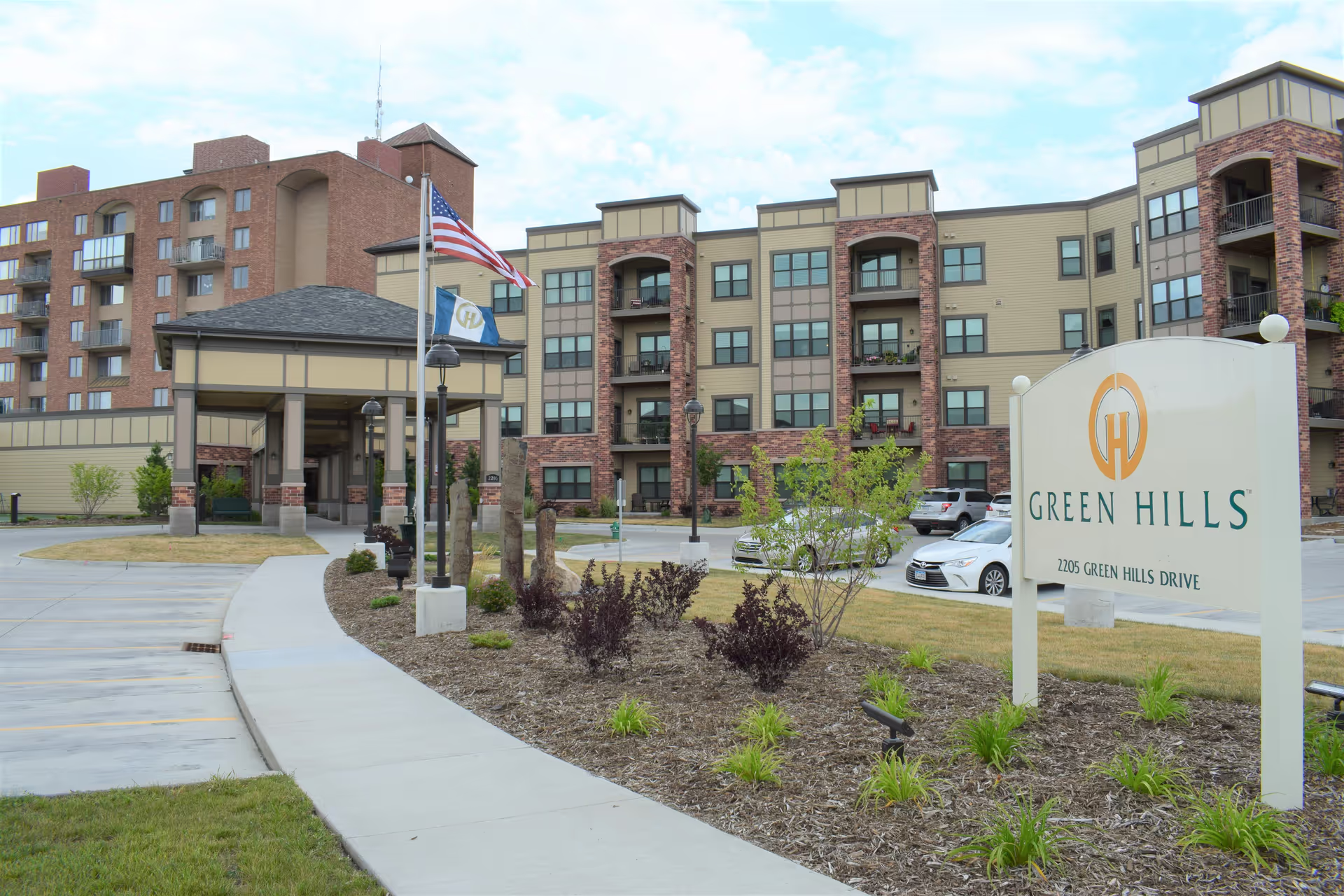
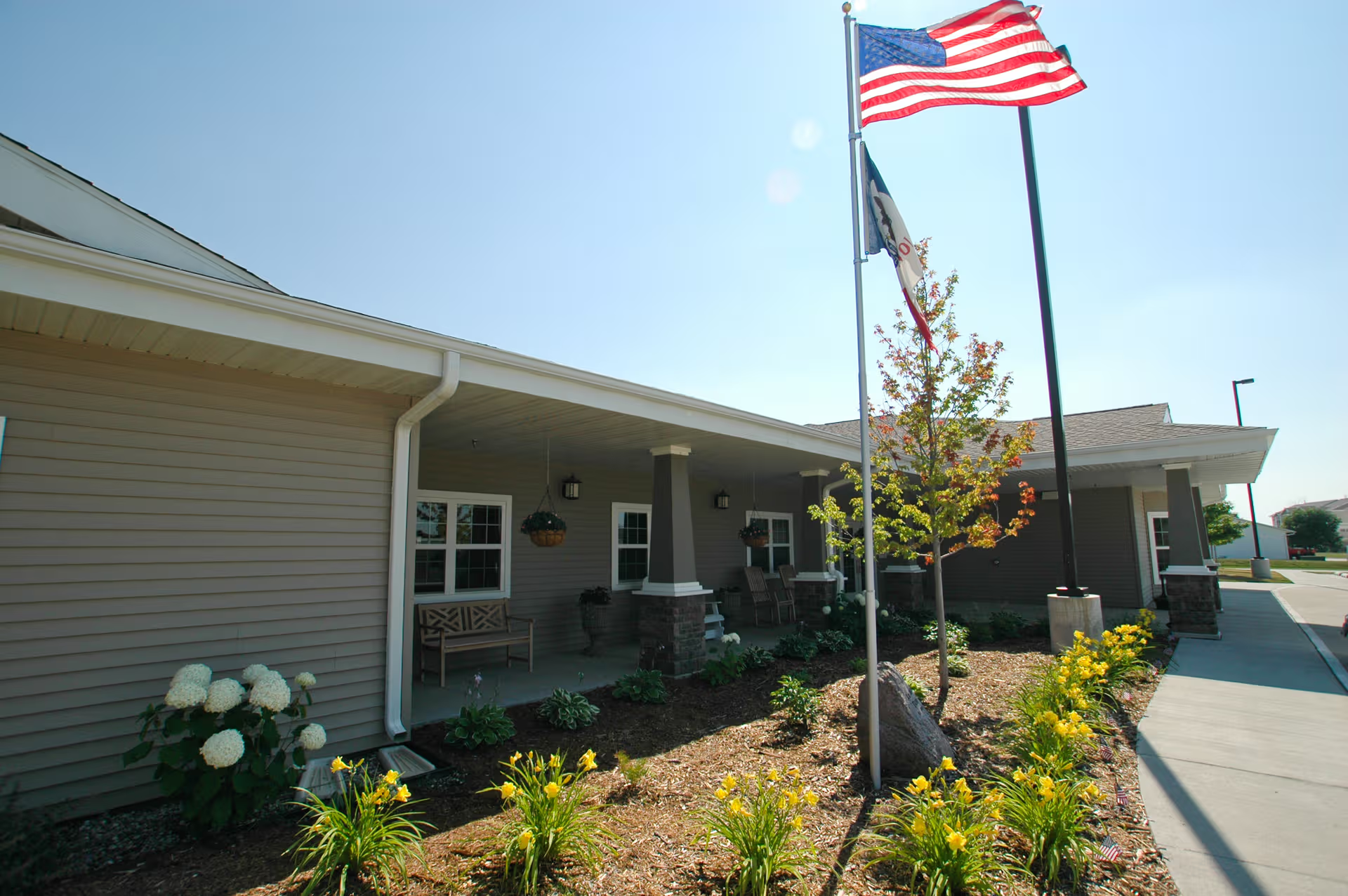
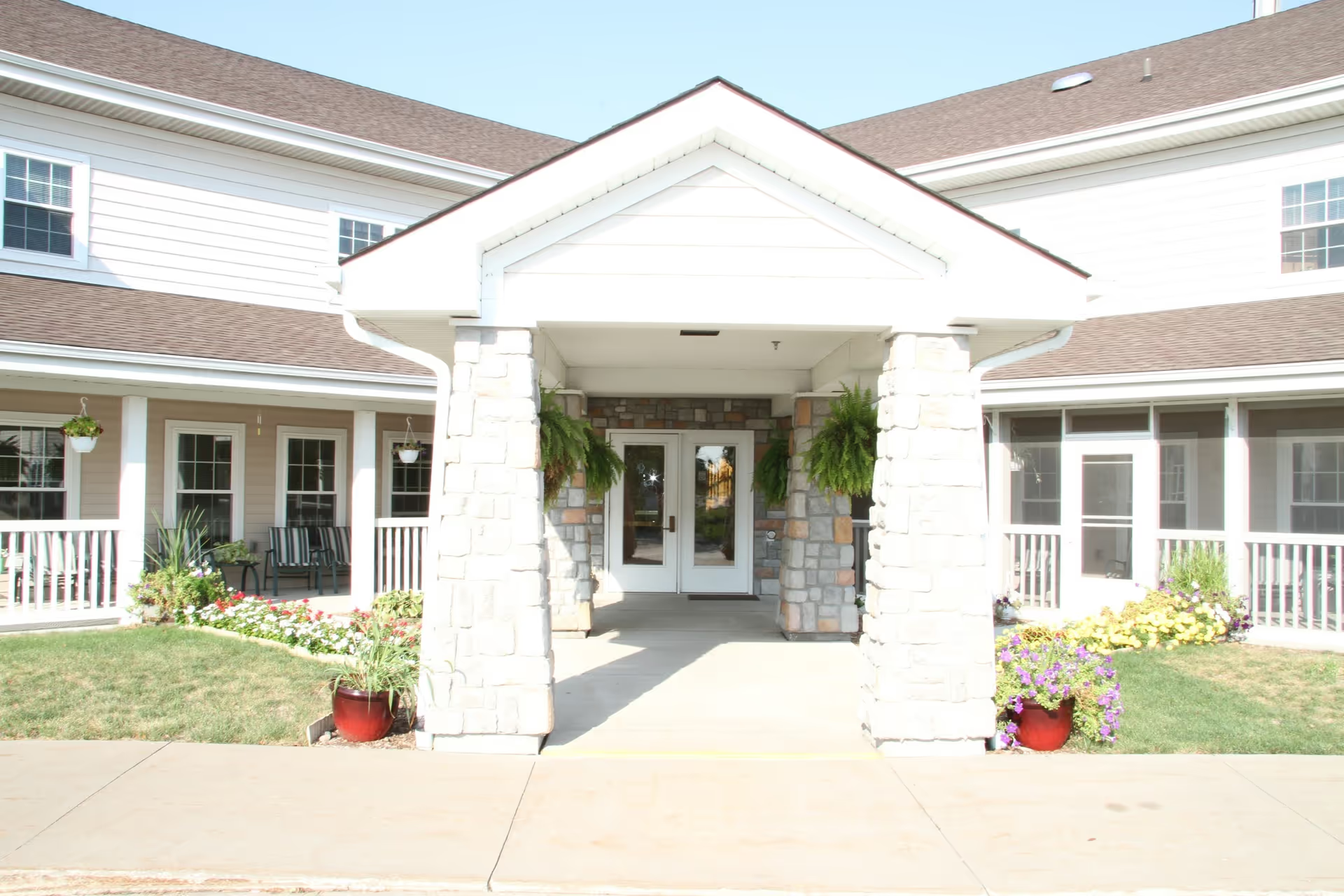
Facilities, activities and management: The physical environment is described as clean and well managed, and management is generally viewed as attentive and engaged with families. Activities and daily life were not a dominant thread in these summaries; however, the positive tone around staff relationships and facility upkeep suggests an acceptable level of day-to-day programming and environment for residents. Management’s responsiveness is a clear strength when engaged, but the facility would benefit from standardized processes to reduce variability in care delivery and incident follow-up.
Notable patterns and takeaways: The overall pattern is one of a facility with strong relational care strengths—compassionate staff, stable teams, and hands-on management—paired with operational inconsistencies in responsiveness, dining-service sanitation oversight, and safety-monitoring protocols. Prospective residents and families can reasonably expect attentive, respectful caregiving and a clean facility, while also asking specific questions during tours about how the community enforces dining sanitation checks, documents and follows up on skin and safety concerns, and measures responsiveness across shifts.