Overall impression: Reviews describe Future Care Canton Harbor as a facility with consistently positive interpersonal care and robust therapy and activity offerings, alongside a generally clean environment. Families and residents frequently emphasize compassionate nursing and aide attention, supportive respiratory care, and active engagement from therapy staff. The social‑work and administrative processes that support transfers and family communication (including teleconference updates) are cited as strengths.
Care and staff: Clinical care is portrayed as a key strength. Reviewers identify specific nurses and aides by name and convey trust in the nursing team and respiratory staff. Staff are characterized as attentive, supportive, and respectful; many accounts describe quick responses and a welcoming, family‑like atmosphere. That said, reviewers sometimes note that staff appear busy, which can translate into variable availability during peak periods.
Dining: Dining receives mixed feedback. Several reviewers say the food is acceptable or good, but a recurrent concern is meal temperature and presentation — meals arriving cold or not to resident taste. This pattern suggests opportunities for improvements in meal delivery timing, temperature control, and menu satisfaction.
Activities and therapy: The activity program is a clear positive, with regular offerings such as bingo, live music, church services, and off‑campus trips. Onsite therapy services are described as effective and instrumental in recovery for many residents. There is an indication that some residents with higher acuity or limited mobility participate less, which points to potential to expand adaptive or bedside activities.
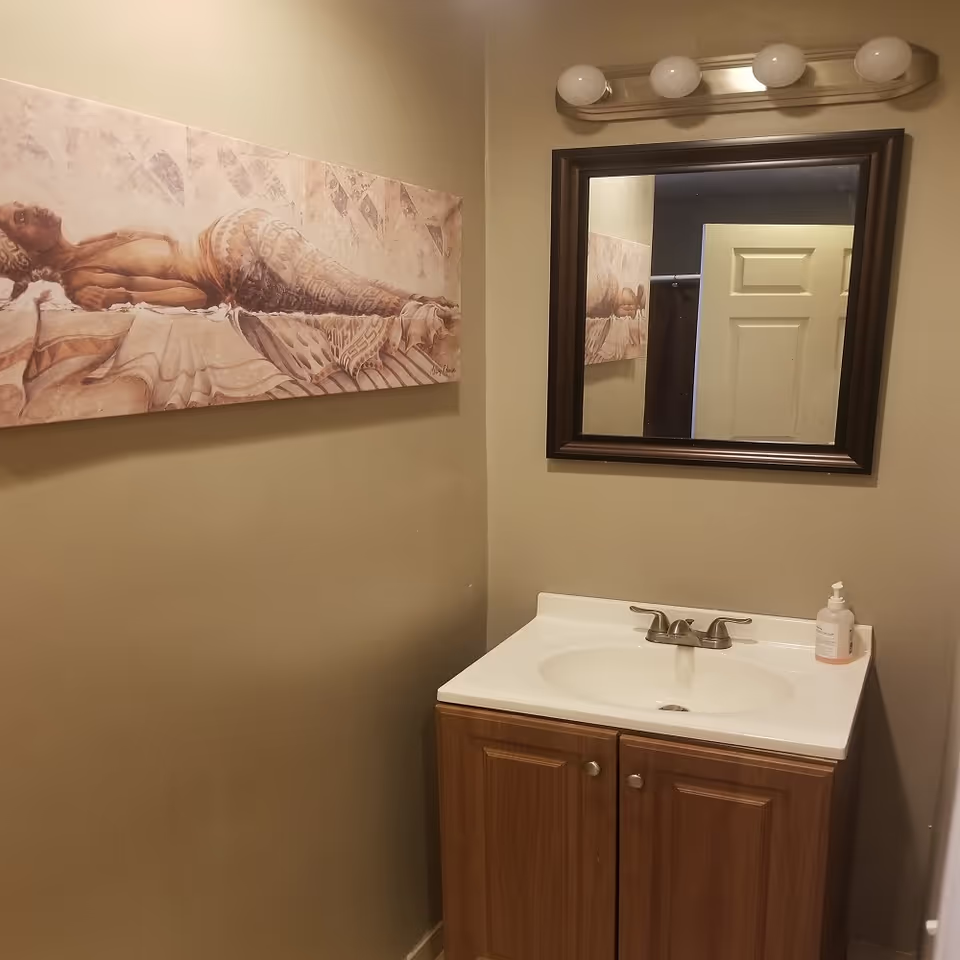
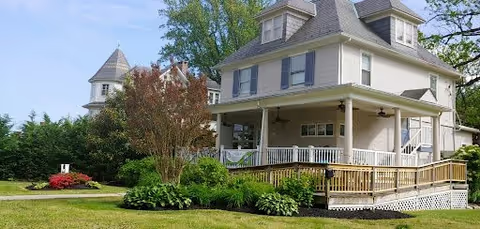
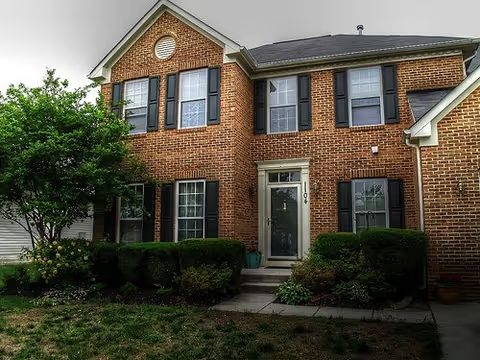
Facilities and housekeeping: Cleanliness and housekeeping receive favorable comments; rooms and common areas are described as well maintained. The physical footprint of resident rooms is noted as small, so prospective residents should weigh room size and storage against other strengths of the facility.
Management and communication: Management and support services are viewed positively where social workers assist with transitions and staff provide family teleconference updates. These operational supports are highlighted as helpful during admissions, transfers, and care planning.
Notable patterns and guidance: The dominant themes are reliable, compassionate hands‑on care, strong therapy and activities, and good cleanliness. The primary operational concerns to investigate further in a tour or intake conversation are meal‑service consistency (temperature and taste), room size and storage, and staffing patterns during busier periods. Prospective residents and families who prioritize attentive clinical staff and an active program will likely find the facility suitable; those who place high importance on private room space or consistently hot, restaurant‑style meals should discuss these specifics with management before committing.