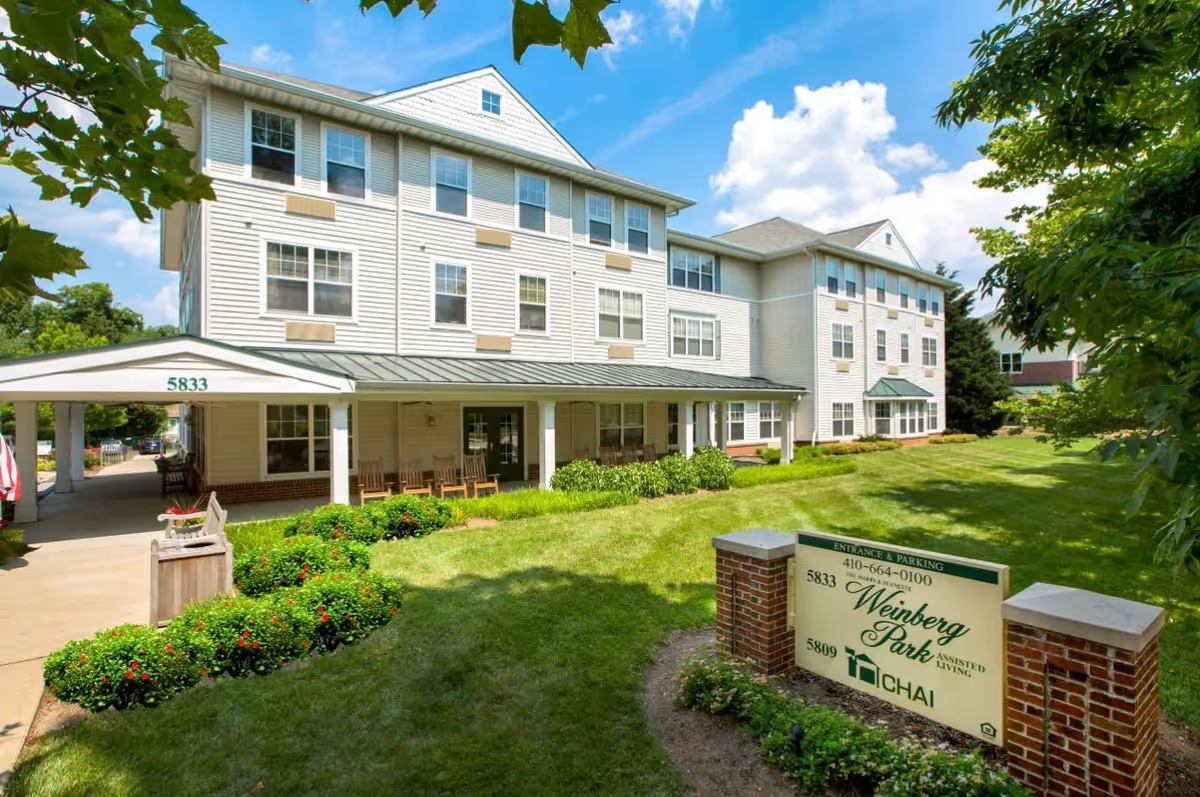
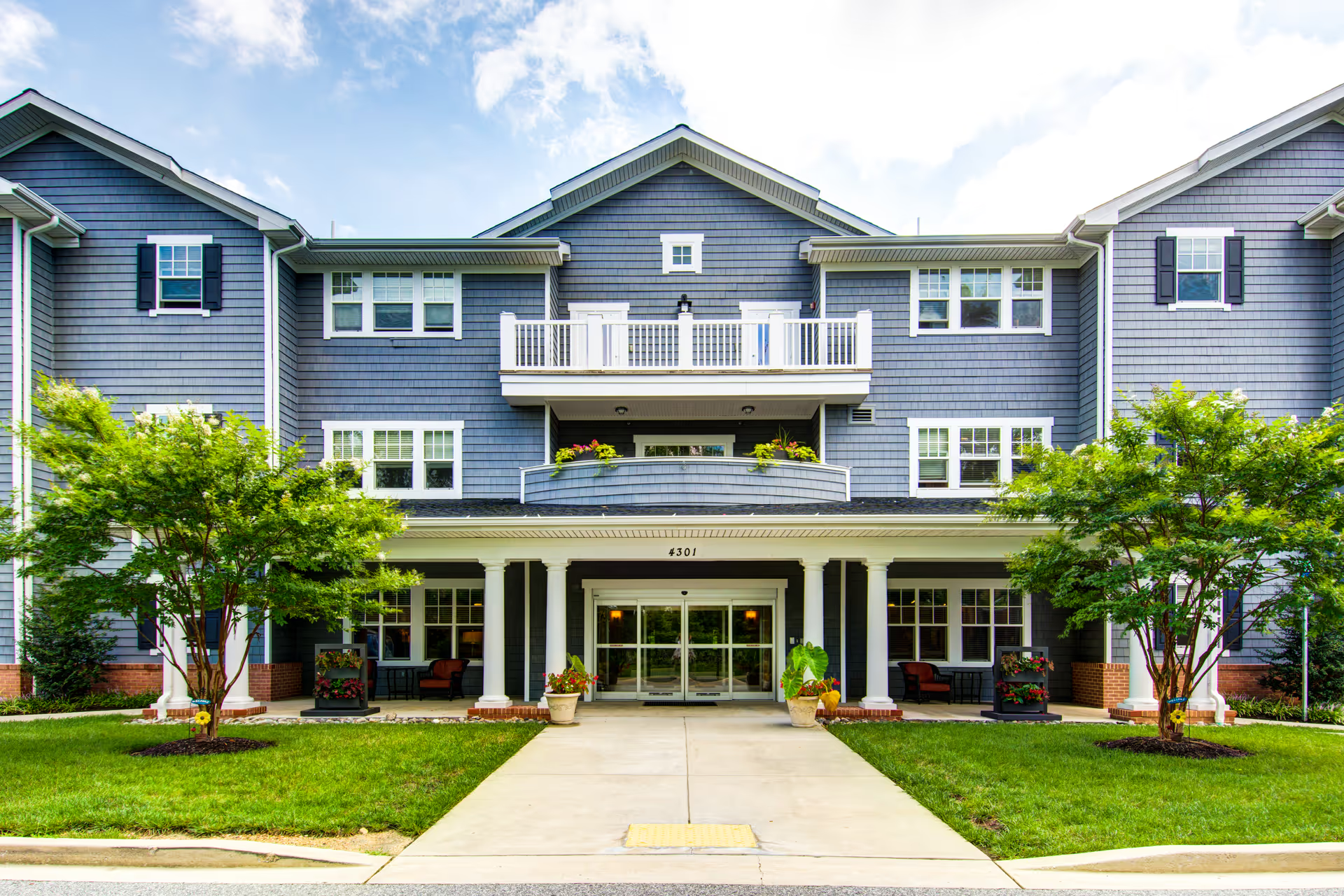
Reviewer commentary about Levindale Hebrew Geriatric Center & Hospital is notably mixed, with clear strengths in clinical rehabilitation and many accounts of compassionate bedside care alongside substantial operational concerns. Families and some clinicians describe skilled therapy programs, competent physicians, effective respiratory/ventilator management, and nursing staff who provide attentive, family-centered support. The facility’s physical environment is often characterized as clean and well-maintained, with comfortable rooms (including in-room televisions), accessible parking, and available guest dining.
Care quality and clinical oversight receive both praise and criticism. Positive accounts cite successful rehabilitation outcomes, effective medication management in certain cases, and meaningful social-work engagement. Conversely, reviewers raise concerns about inconsistent clinical oversight: medication-administration gaps, missed doses, delays in addressing acute medical needs, and instances where wound-care or infection issues required hospitalization. These concerns point to variability in clinical reliability rather than a uniform level of practice across all shifts and units.
Staffing and staff conduct present a clear pattern of variability. Day-shift staff and therapists are frequently described as attentive, skilled, and compassionate; several families highlight individual clinicians and social workers by name. However, multiple comments describe inadequate staffing levels, high turnover, and reduced responsiveness at night or on weekends. Additional operational issues include concerns about staff tone or conduct at points of contact (for example, front-desk interactions) and uneven adherence to protocols such as restraint use and privacy handling.
Dining, housekeeping, and daily living services are similarly mixed. Some reviewers praise the food, guest-meal availability, and a generally clean facility; others describe inconsistent meal temperature and limited dietary accommodations, particularly on weekends. Sanitation and basic care practices are another area of divergence: while many note clean common areas, other accounts describe lapses in room-level cleaning, inconsistent bathing and dressing routines, and incontinence-care delays that raise infection-control concerns.
Facility systems and management emerge as recurring themes. Families report challenges with billing and insurance communication, supply and inventory delays (for example, bandages and other essentials), and unclear visitation or cultural-practice communication. There are also mentions of weak coordination around discharge planning and case management. Together, these operational weaknesses contribute to a perception of inconsistent quality and variability in the family experience.
Notable patterns for prospective families include: (1) strong rehabilitation and some excellent clinicians who can produce good outcomes, (2) reliable daytime staffing but more variability overnight and on weekends, and (3) operational gaps in communication, supply management, and certain aspects of basic care. For those considering Levindale, visiting during multiple shifts, asking about staffing ratios, wound-care and medication-administration protocols, call-bell response metrics, dietary accommodation policies, privacy procedures, and discharge coordination may help clarify whether the facility’s strengths align with the prospective resident’s needs.