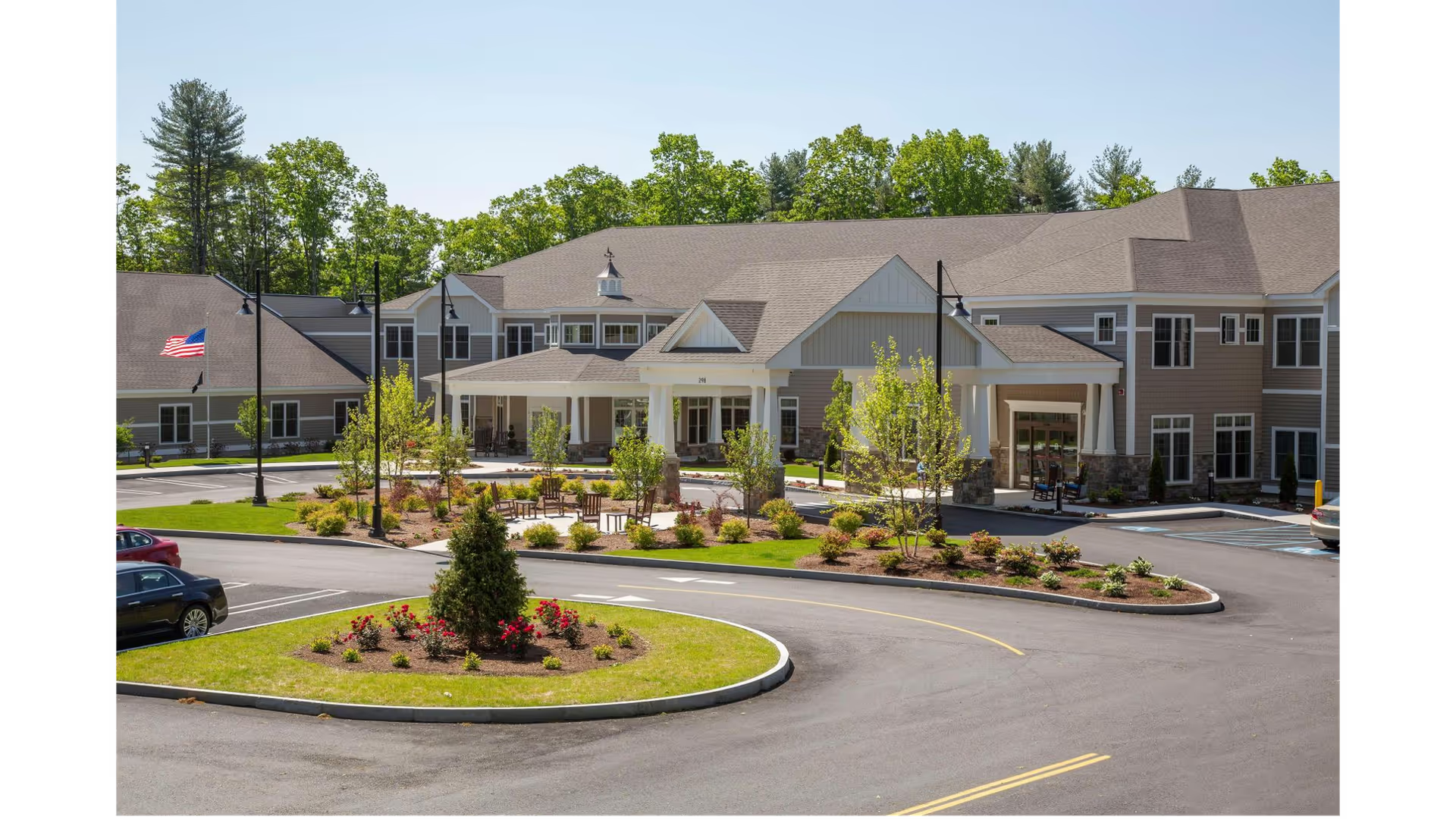
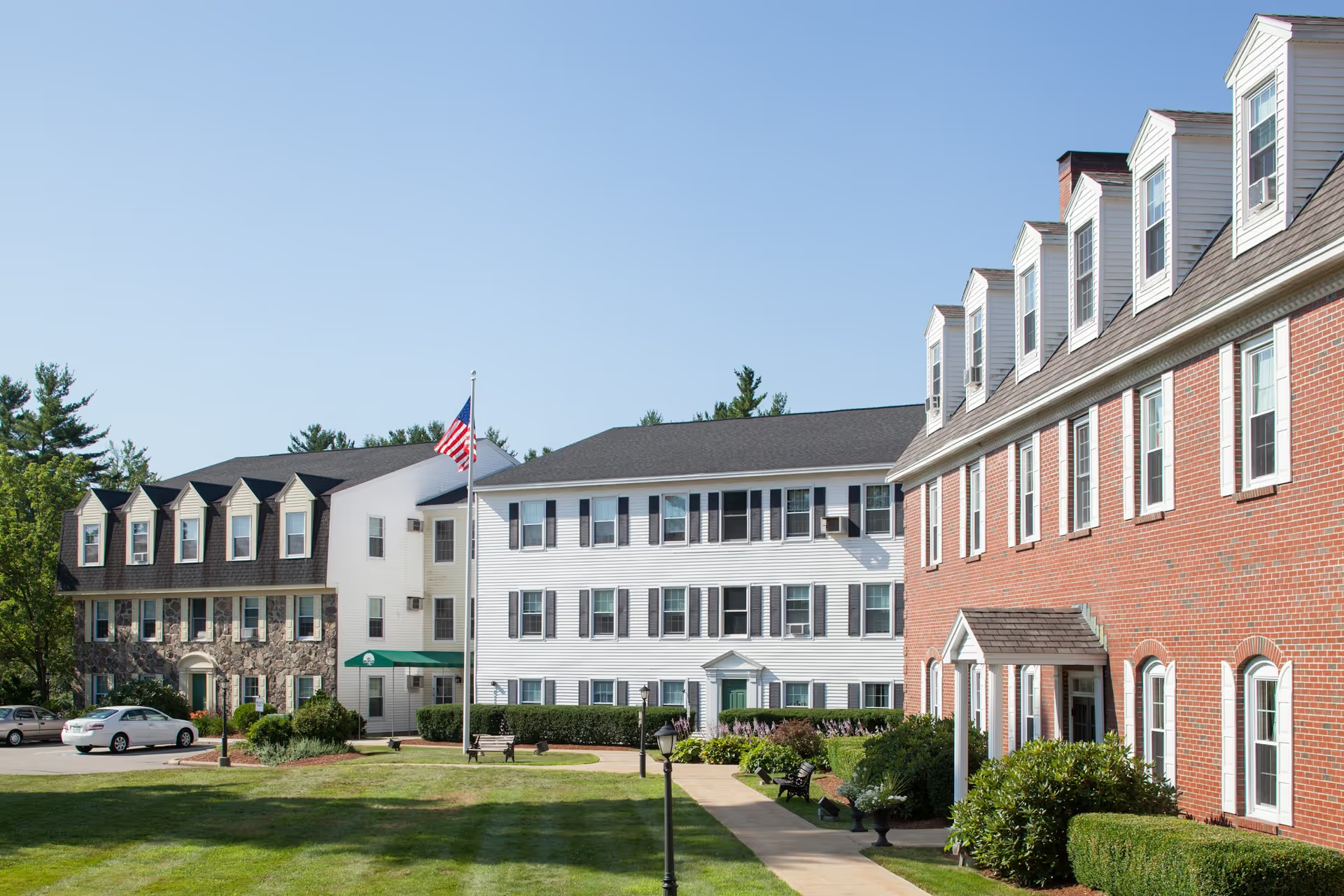
Reviews for Brigham Health and Rehabilitation Center are mixed, with a clear split between strong praise for frontline caregiving and recurring operational and facility concerns. Many accounts highlight compassionate, skilled staff members and supportive social-work relationships that foster close family partnerships and a home-like atmosphere in parts of the building. At the same time, several operational patterns — particularly around staffing, maintenance, and communication — are raised repeatedly and merit attention from prospective families.
Care and staffing observations are the most polarized. Daytime staff are frequently described as responsive, professional, and attentive; social workers are noted as supportive and effective partners in care planning. However, reviewers also describe inconsistent staffing levels (notably overnight) and delays in attending to resident needs. These issues are framed as broader gaps in staff conduct oversight and resident-safety monitoring rather than isolated incidents. Families also raised concerns about the facility’s clinical leadership responsiveness in certain situations.
Dining and programming produce similarly varied impressions. Some residents and families appreciate personalized meals and active programming with volunteer involvement. Conversely, others note small portion sizes, perceived budget constraints affecting food service, and limited ability to meet specific dietary needs. Activity offerings are described as engaging in some units but inconsistent across the facility; meaningful, regular programming may depend on the unit and staff availability.
Facility condition and infection-control topics appear frequently. Reviewers cite cluttered hallways, lack of private family meeting spaces, crowded common areas, and areas in need of repair. There are also references to sanitation and infection-control concerns in shared bathrooms and general odor concerns in some locations; these indicate maintenance and housekeeping practices that may be uneven across the campus.
Management and communication are another recurring theme. Several families expressed frustration with communication around end-of-life events and hospice coordination, and some perceived a focus on financial considerations over individualized care. These comments point to potential weaknesses in escalation pathways and family communication protocols rather than uniform behavior by front-line staff.
Overall pattern and guidance: the facility appears capable of providing compassionate, person-centered care in settings where staff and social-work teams are well supported, but there are operational inconsistencies that prospective residents and families should evaluate. Recommended steps before placement include an in-person tour focused on unit-level differences, asking about overnight staffing ratios and recent staffing stability, reviewing infection-control and housekeeping procedures, confirming dietary accommodation processes and portion policies, discussing activity schedules and volunteer involvement, and clarifying leadership communication processes for clinical changes and end-of-life coordination. These targeted inquiries can help identify whether the strengths observed by many families are present in the specific unit under consideration and whether the operational gaps have been addressed.