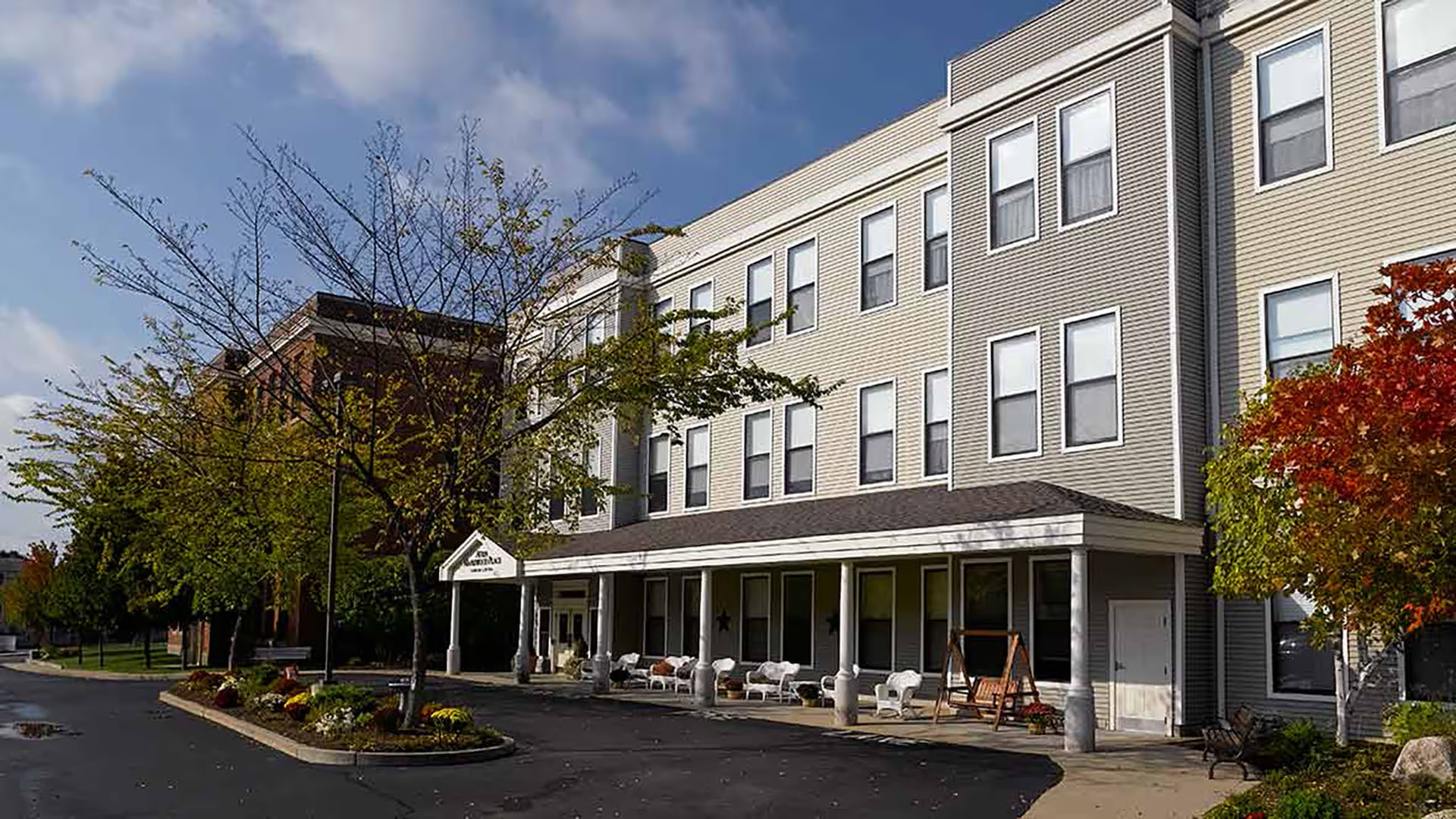
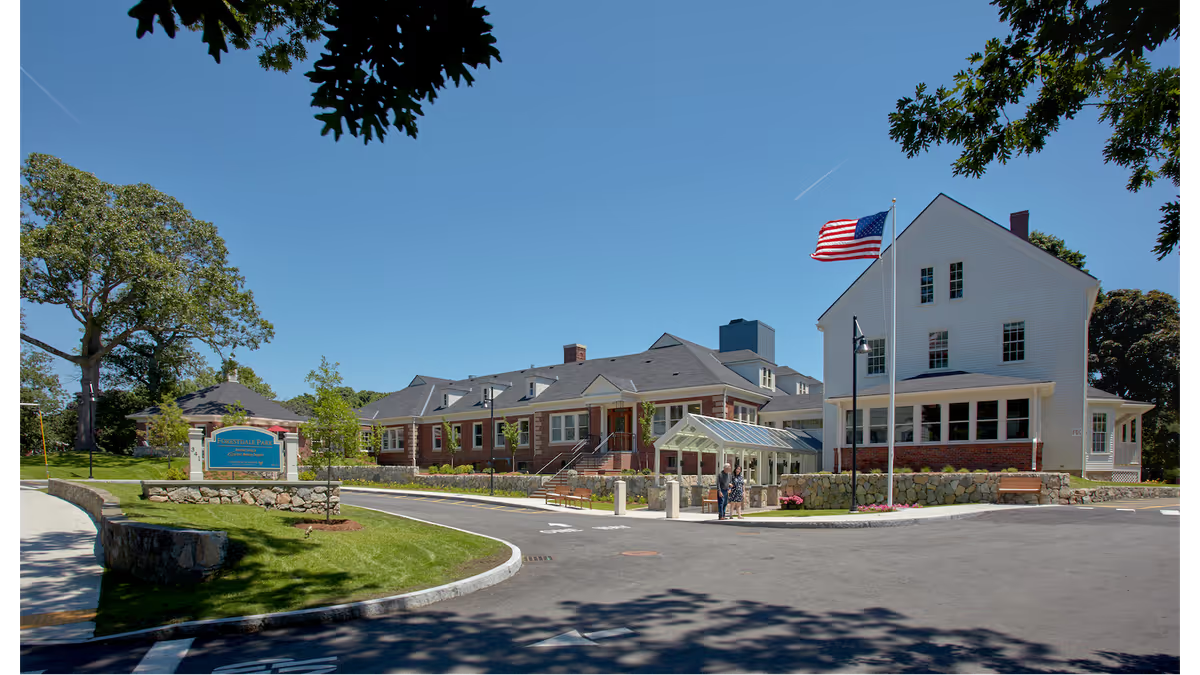
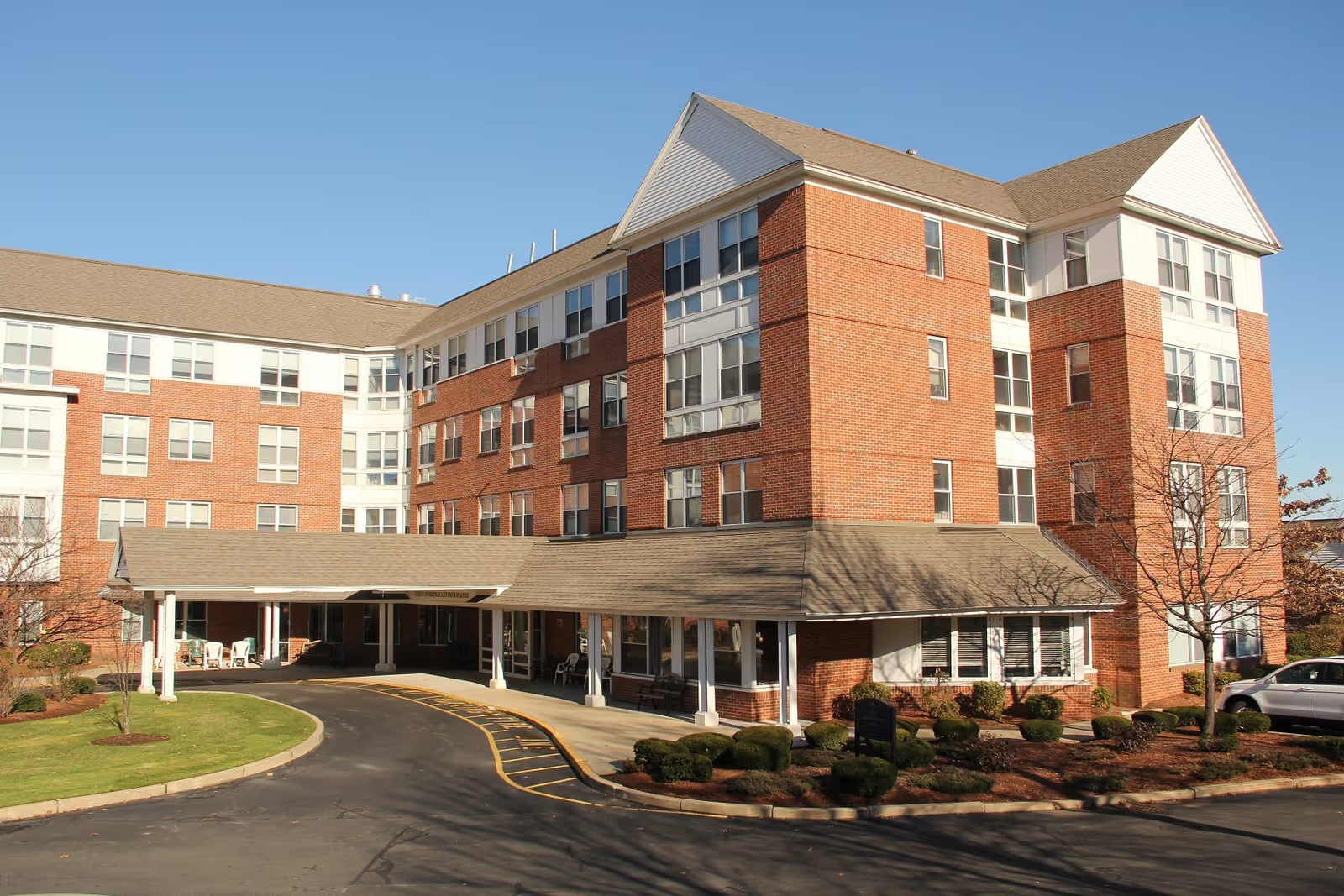
The reviews present a mixed picture of West Revere Health Center: several families describe strong clinical and rehabilitative outcomes and an engaged activities program, while others raise operational concerns that could affect resident comfort and clinical stability. Positive remarks focus on compassionate direct-care staff, a responsive nursing presence when problems are identified, and an effective therapy team that has supported successful short-term rehab outcomes. Social services assistance and customer-service interactions are also highlighted as helpful during transitions, and some reviewers describe comfortable, clean rooms and a pleasant facility ambience with seasonal programming.
Care quality shows notable variability. Many reviews praise CNAs and therapists for hands-on care and progress during rehabilitation, but other accounts indicate delays in attending to basic needs and inconsistencies in medication and feeding procedures. There are recurring mentions of incontinence-care delays and inconsistent linen/laundry practices, which, together with sanitation concerns in some areas, have contributed to caregiver unease. Some reviews describe instances where infection control and clinical follow-up were judged inadequate, suggesting gaps in the facility’s clinical-incident response and physician engagement.
Dining and nutrition are similarly mixed. Several residents and families find the food enjoyable and the dining staff polite, but others cite interruptions to meal service, delays or cold trays, and handling practices that undermine meal continuity. One reviewer noted therapy services limited by insurance coverage rather than facility capability, which may affect the intensity and duration of rehabilitation for some residents.
Activities are a clear strength for many reviewers. The activities department is credited with keeping residents engaged through crafts, holidays, and cognitive activities like books and word searches; one staff member is specifically credited with markedly improving the program. That said, the availability and quality of activities appear to vary by shift and staff assignment, producing an inconsistent experience for some residents.
Facility- and operations-level issues recur in the feedback. Cleanliness and sanitation in common areas and some rooms, laundry and linen-change consistency, and odor concerns were repeatedly mentioned as areas needing improvement. Understaffing is described as a contributor to delayed responses and lapses in routine care. Communication and care-plan coordination between families and staff also emerge as recurring themes; some reviewers describe prompt issue resolution and strong teamwork, while others report miscommunication or difficulty getting clear answers about a resident’s status.
Management response appears uneven: several reviewers commend staff for resolving problems quickly and for being supportive to caregivers during transitions, whereas other accounts suggest systemic staffing and process gaps that limit consistent performance. Notable patterns are variability by shift or individual staff member, operational weaknesses around sanitation and incontinence care, and strong pockets of clinical and activities excellence.
For prospective residents and families, the facility offers demonstrable strengths in therapy, compassionate direct care, and an active activities program, but decision-makers should probe operational issues during a visit. Suggested topics to address with management include current staffing levels and shift coverage, infection-control and clinical-follow-up protocols, medication-administration procedures, laundry and linen-change schedules, meal-service continuity, and how the facility documents and communicates care-plan changes. Observing a meal service, an activity session, and a room tour during different shifts can help assess consistency and fit.