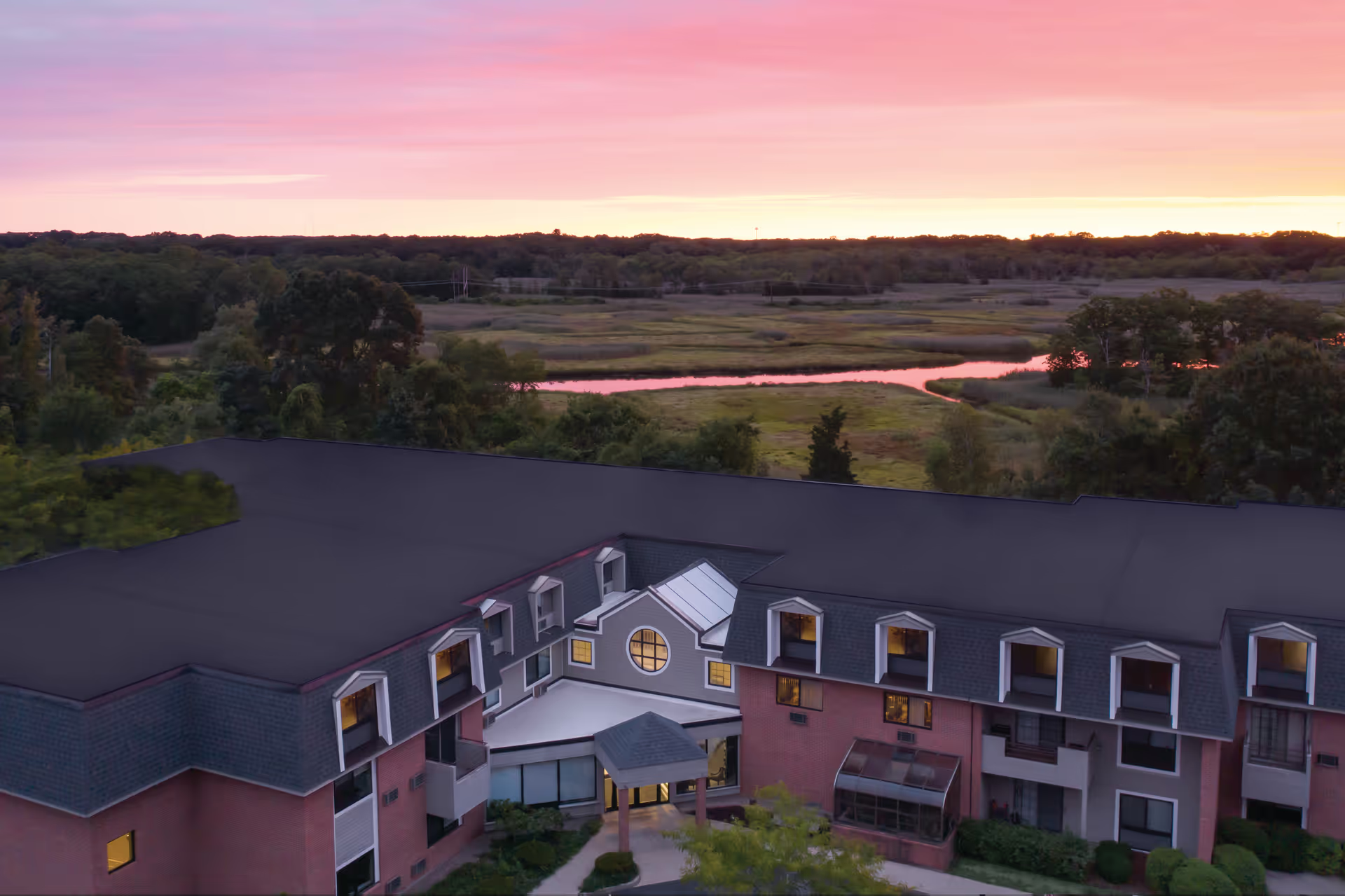
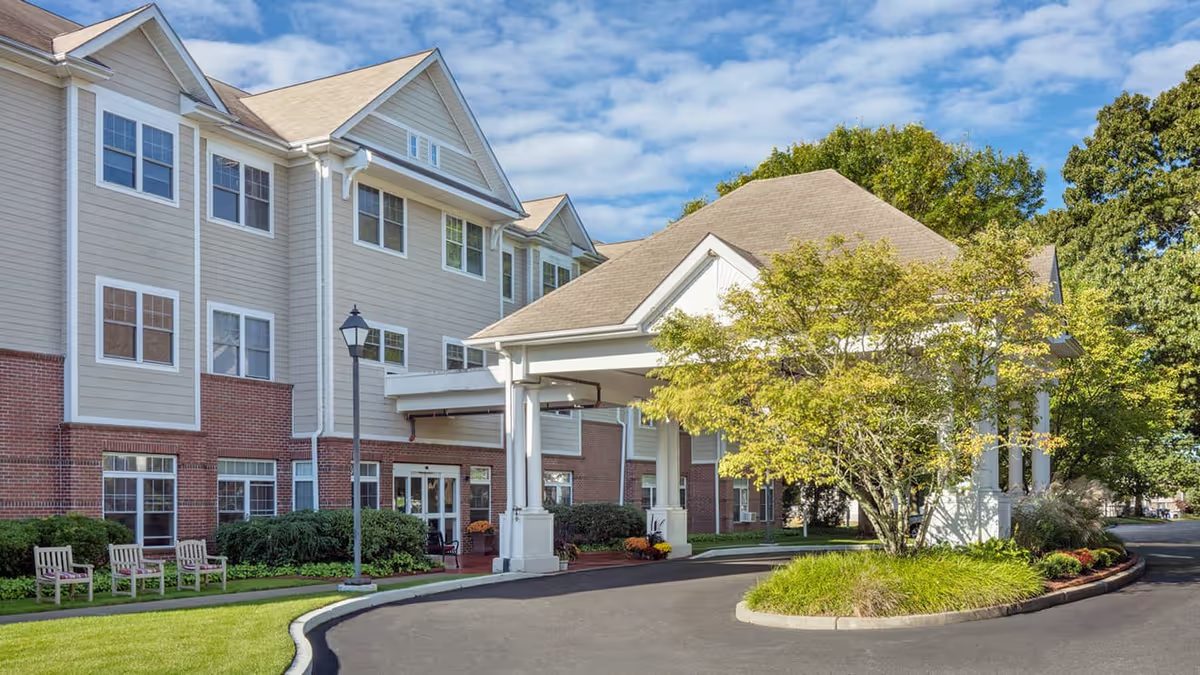
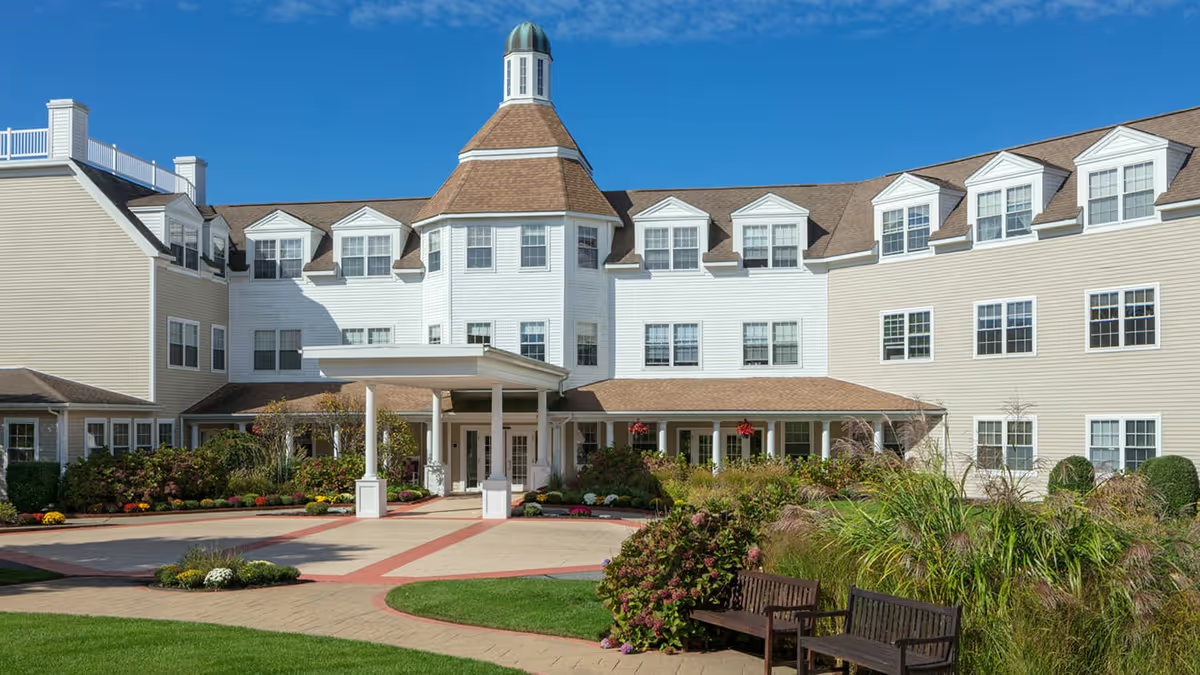
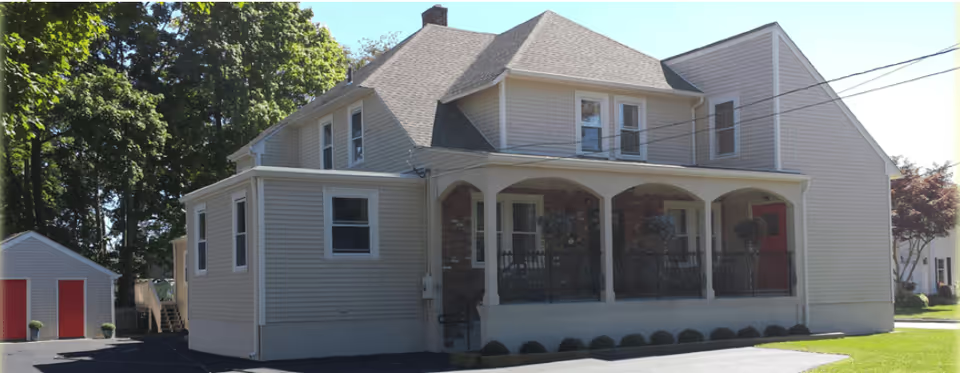
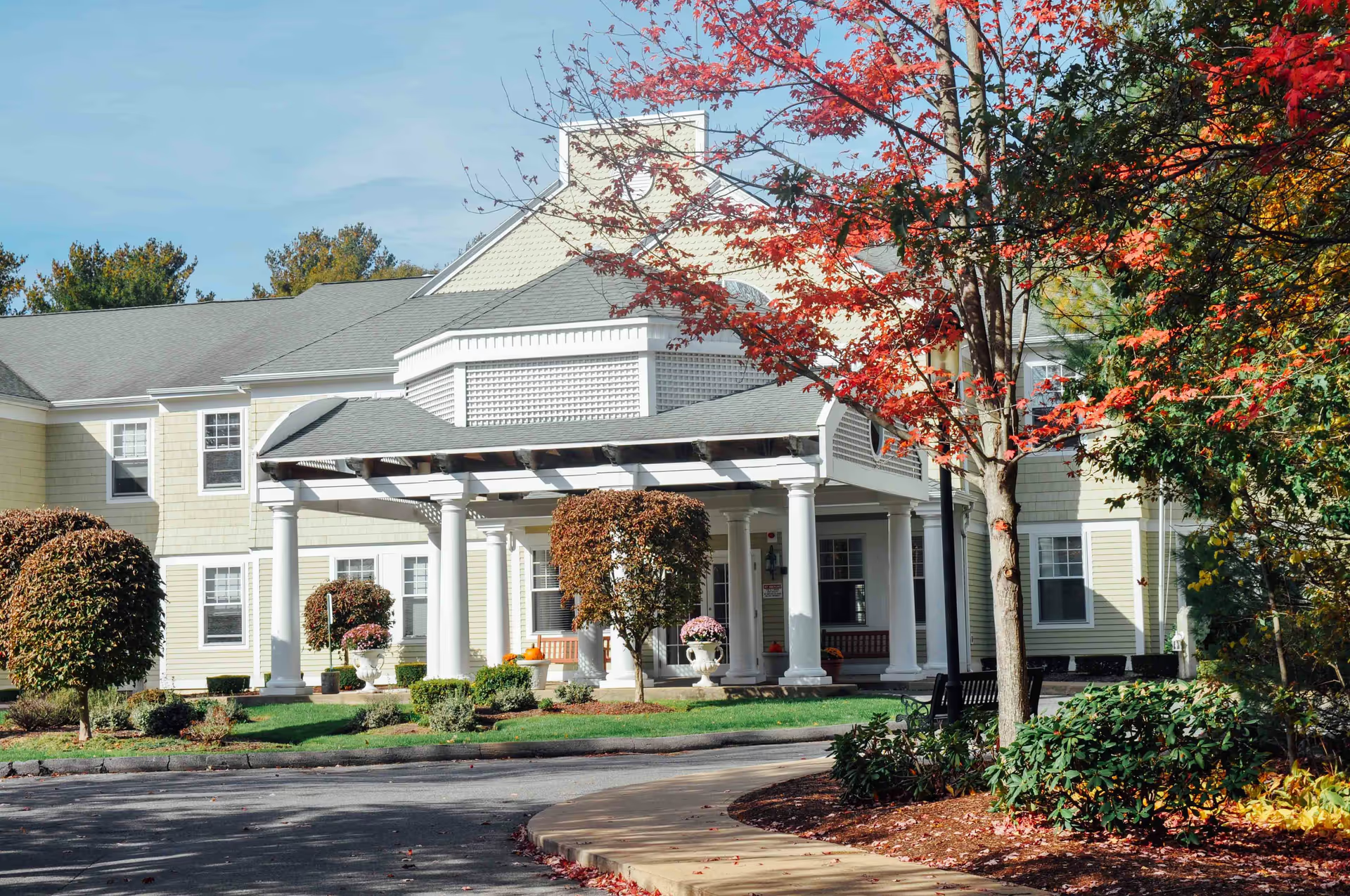
Reviews of Clifton Rehabilitation Nursing Center describe a facility with several clear strengths alongside notable operational inconsistencies. Many families and former residents praise the therapeutic services, citing strong physical and occupational therapy programs that supported recovery and improved mobility. Nursing staff and CNAs are frequently described as compassionate and professional, and multiple comments highlight attentive concierge and admissions processes that ease transitions into the facility. The environment is generally described as clean and well maintained, with pleasant common areas, multiple dining venues, an on-site salon and pub, outdoor seating with a water view, and a smaller, less institutional scale that some families find comforting.
Activity programming and community engagement are consistently noted as assets. Reviewers mention regular, engaging events — including family-oriented celebrations — that promote resident involvement and social interaction. Dining quality and accommodations for special diets are described positively in many accounts, and housekeeping and facility presentation receive repeated commendation.
Counterbalancing these positives are patterns indicating variability in clinical oversight and operational practice. Several accounts raise concerns about inconsistent monitoring and responsiveness to changing clinical needs, which is reflected in reports of wound/burn management issues and weight loss in some residents. There are also indications of weaknesses in water-temperature safety controls and in infection-control or outbreak response protocols. Relatedly, family communication is uneven: while some families describe regular updates and proactive staff, others describe delayed or inadequate communication regarding complications.
Rehabilitation services receive mixed feedback: while many families praise therapy effectiveness, a subset of reviews describes shorter-than-expected sessions, limited focus on specific rehabilitative goals such as joint range-of-motion, and questions about documentation and billing for therapy time. Concerns about medication and procedure administration practices are also raised, suggesting a need for clearer protocols and oversight. Several reviewers associate a decline in culture or operational consistency with a change in ownership or management, noting effects on staff morale and overall priorities.
For prospective residents and families, the facility offers strong programming, amenities, and many examples of high-quality, compassionate care. At the same time, the pattern of variability in clinical monitoring, safety controls, infection response, and administrative transparency suggests it is prudent to ask specific operational questions during tours or admissions: inquire about water-temperature safety checks, wound-care and incident-reporting protocols, infection-control procedures, staffing ratios for clinical monitoring, therapy session scheduling and documentation, and how management addresses family communication and complaints. These targeted questions can help assess whether the facility’s strengths align with an individual resident’s clinical and psychosocial needs.