Whittier Westborough Transitional Care Unit appears to be a facility with a clear clinical emphasis on post-acute rehabilitation. Reviewers consistently praise the breadth and intensity of the therapy services: physical and occupational therapy programs are described as skilled, encouraging, and a central strength of the stay. Many families and residents credit the therapy teams with measurable progress and note a high degree of professional coordination around rehabilitation goals.
Nursing and direct-care staff draw mixed but specific feedback. Several accounts describe staff who are compassionate, available, and willing to advocate for residents; these staff members are highlighted as a key positive factor. At the same time, there are repeated operational concerns: language barriers with some clinicians and nutrition staff; inconsistent responsiveness to call requests; variability in interpersonal tone; and occasional gaps in follow-up care such as wound- and repositioning-related management. Staffing levels and weekend coverage are identified as contributors to slower response times and uneven care experiences.
Dining and nutrition receive uneven evaluations. Many reviewers commend the menu variety and pleasing meal options, while others report inconsistent food quality and issues with preparation or seasoning. Communication with nutrition services is also impacted by language barriers for some families. These patterns suggest the facility can provide good dining experiences but that consistency and coordination around individualized nutrition plans may require clarification at admission.
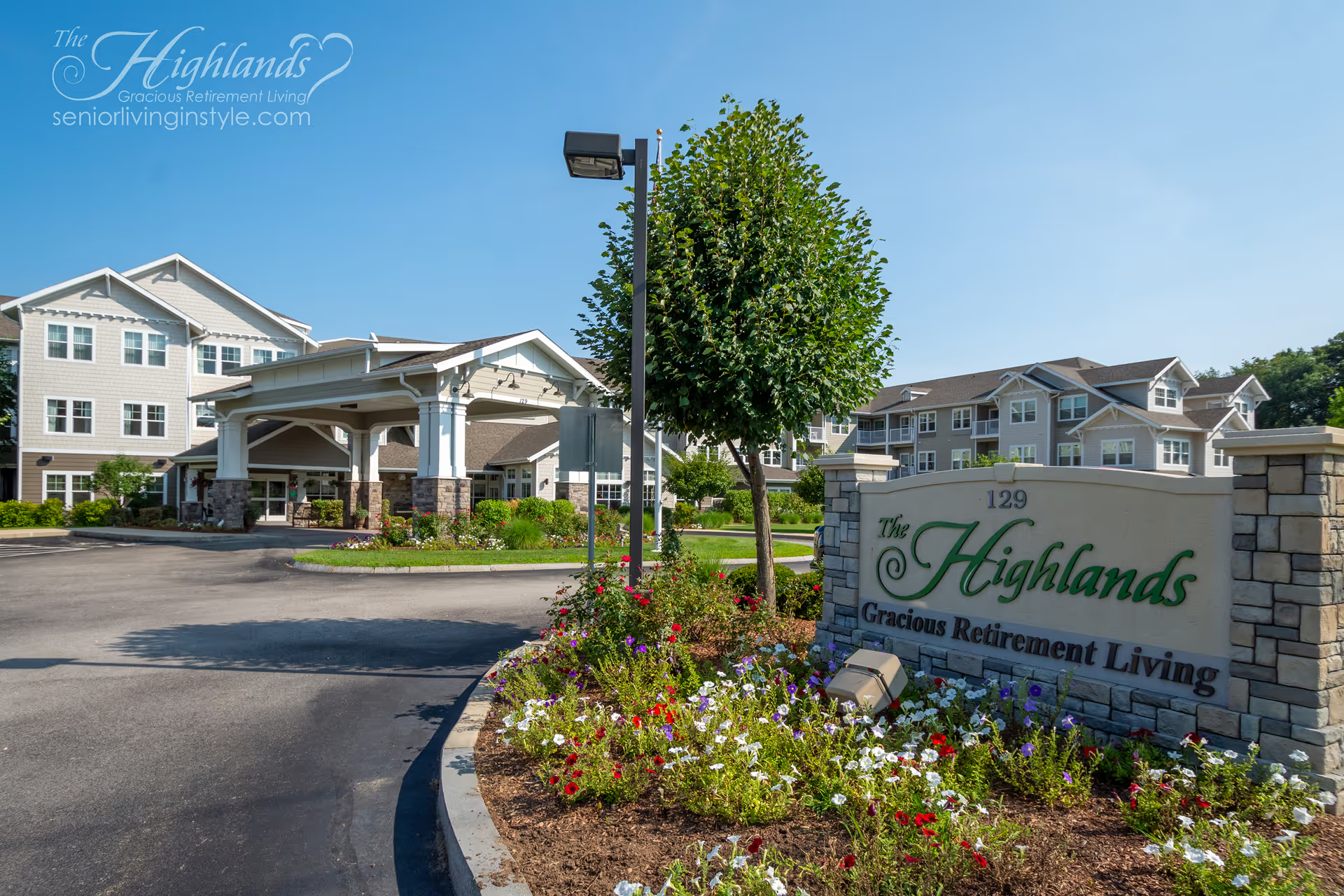
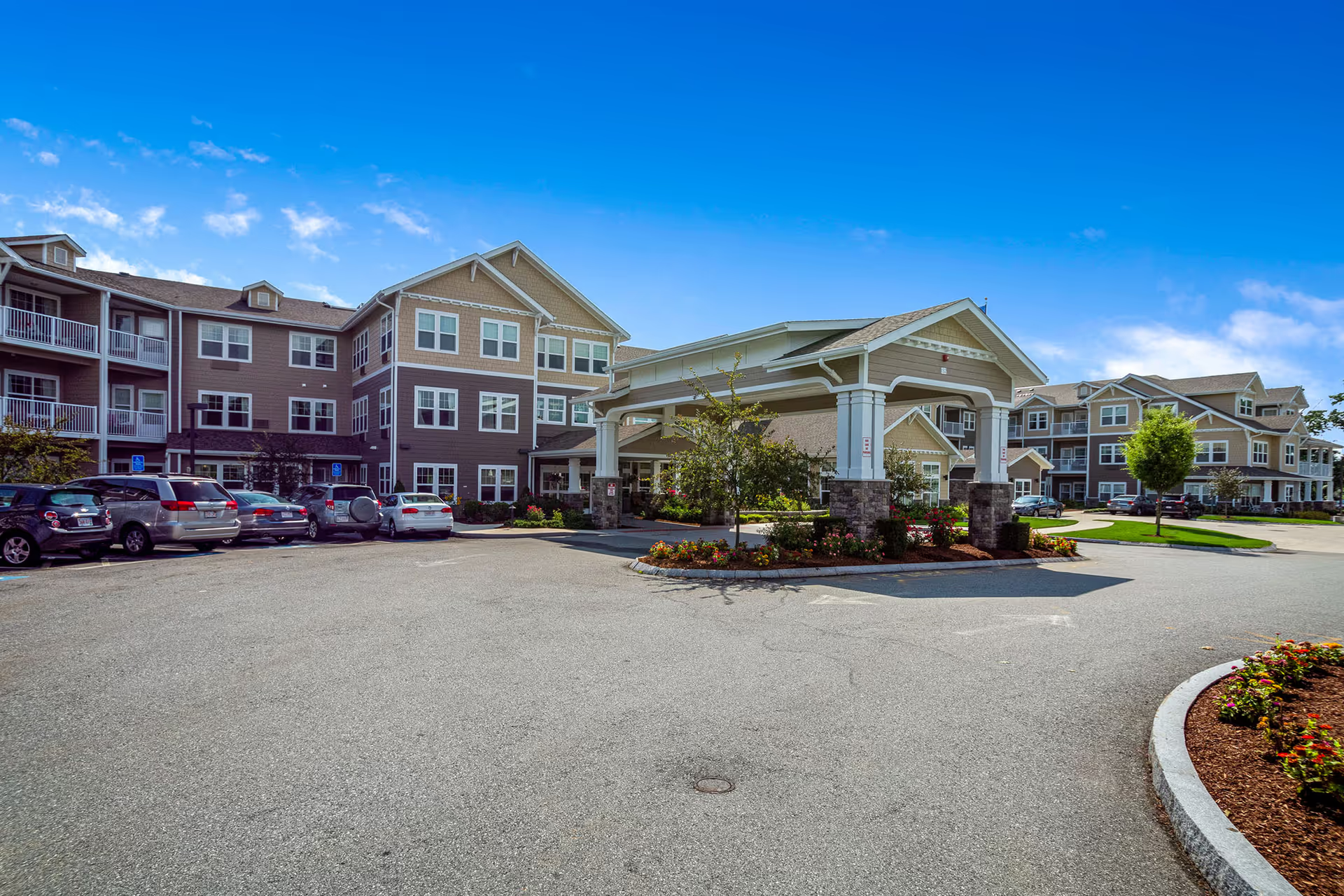
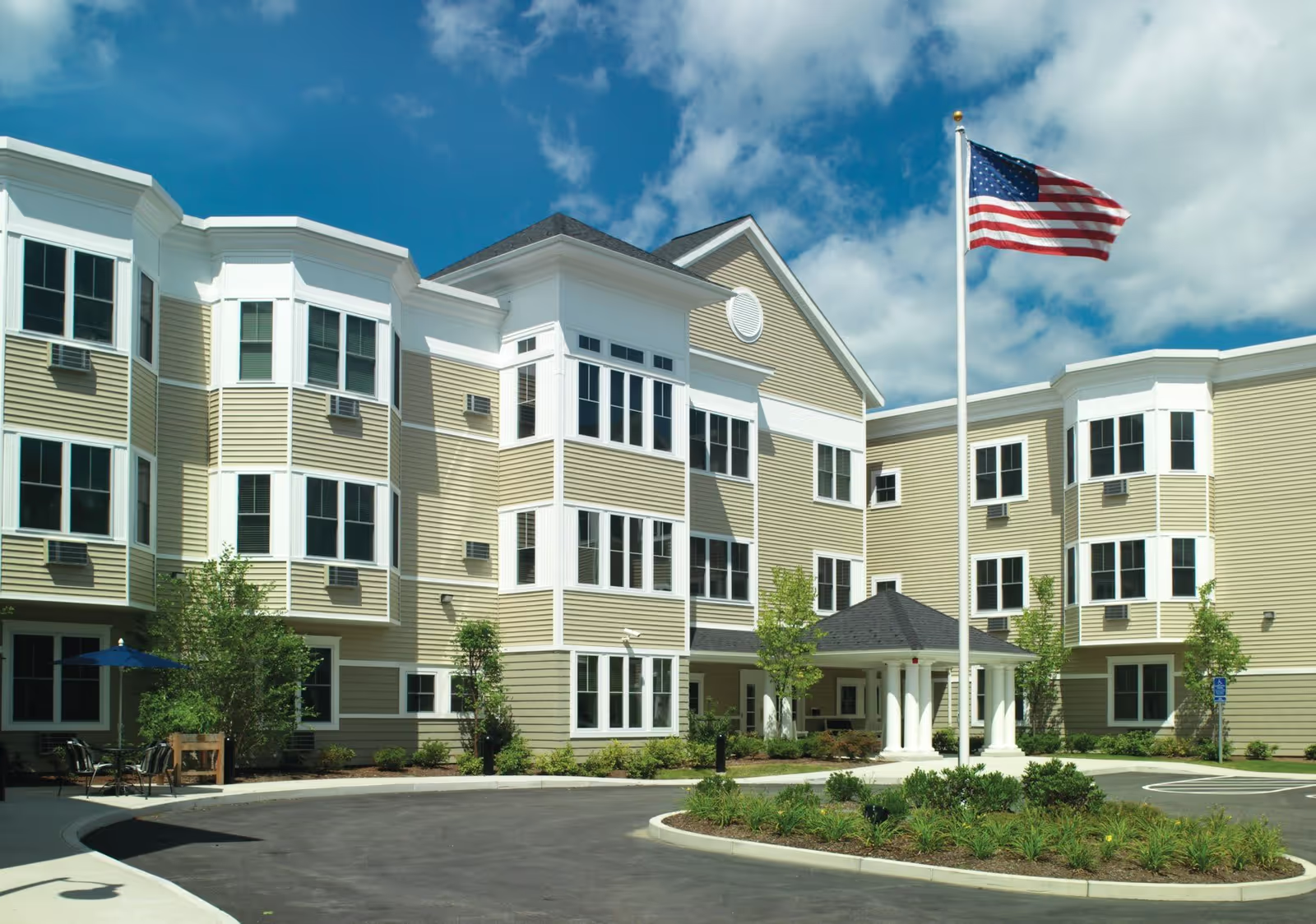
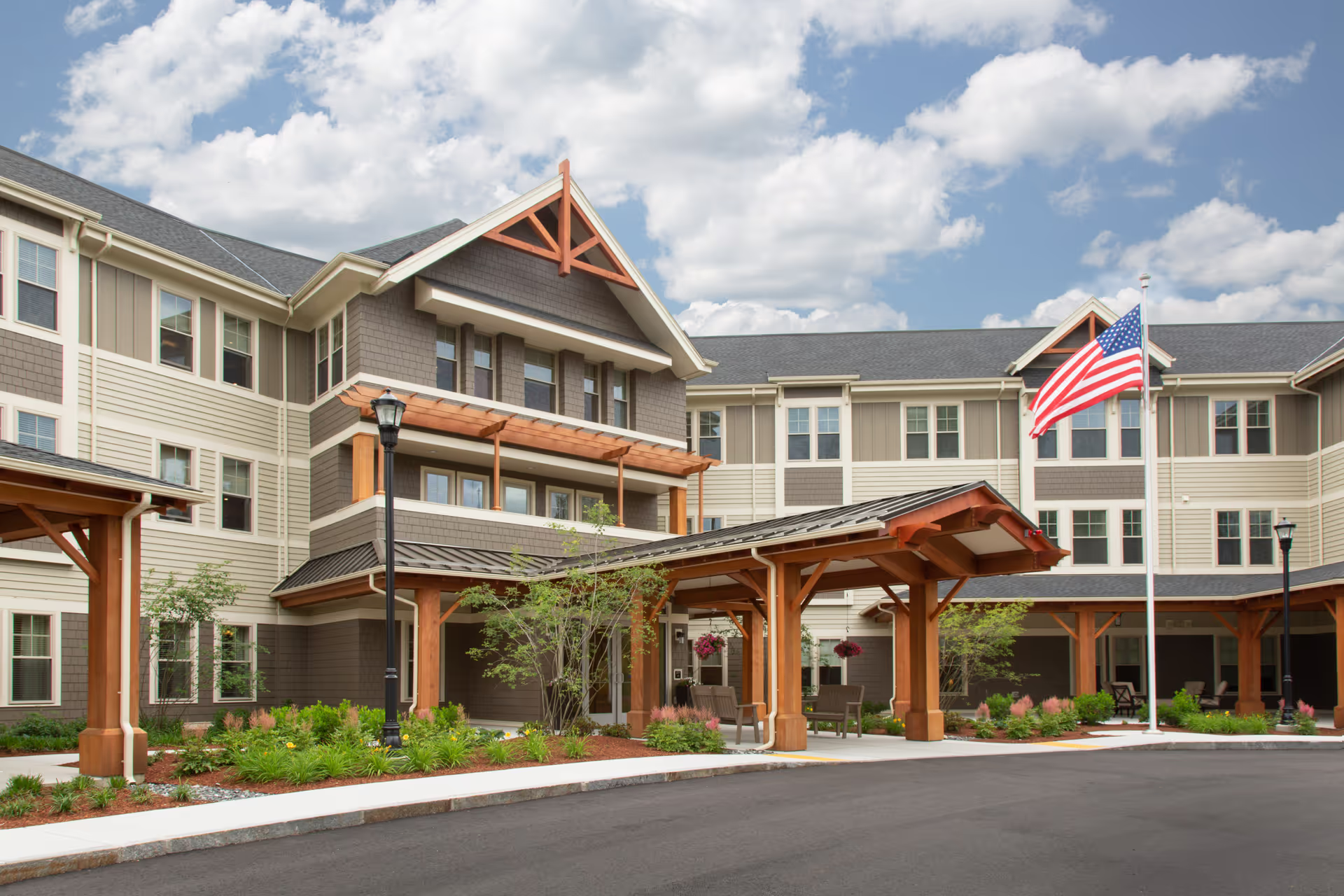
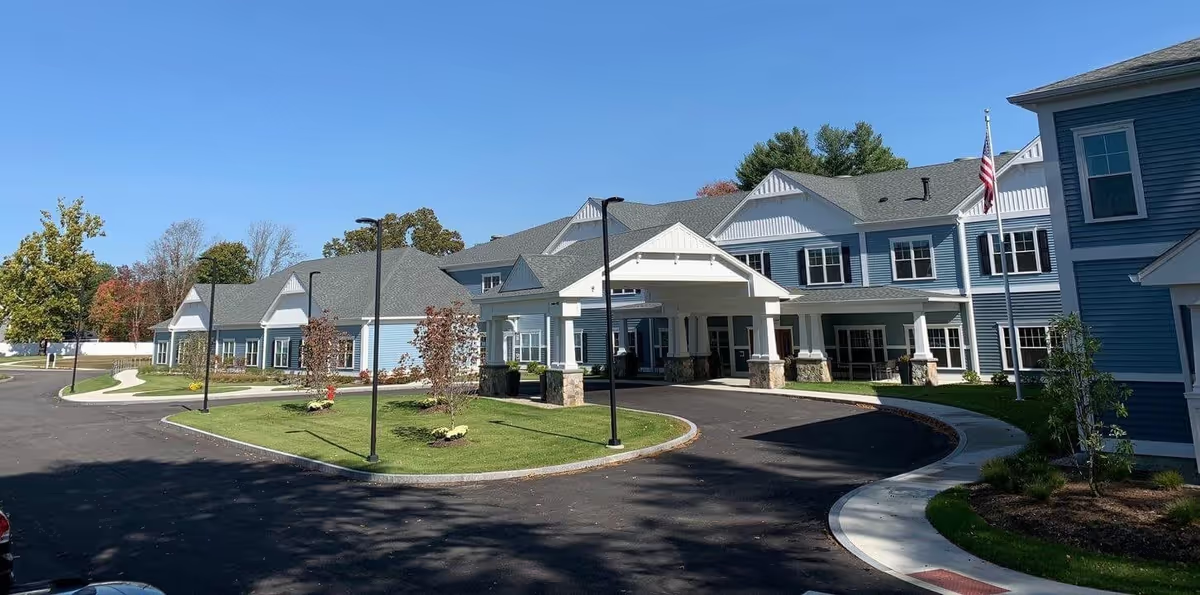
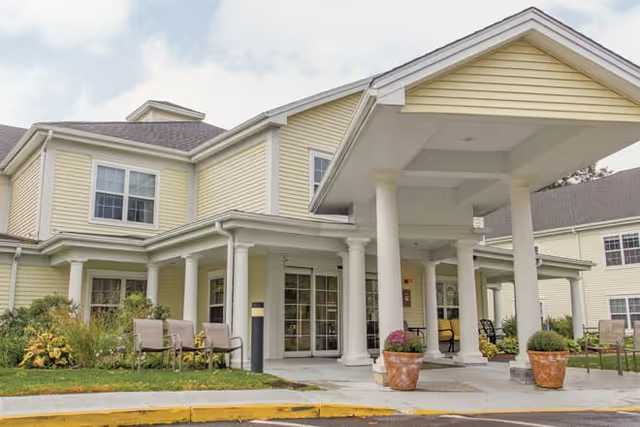
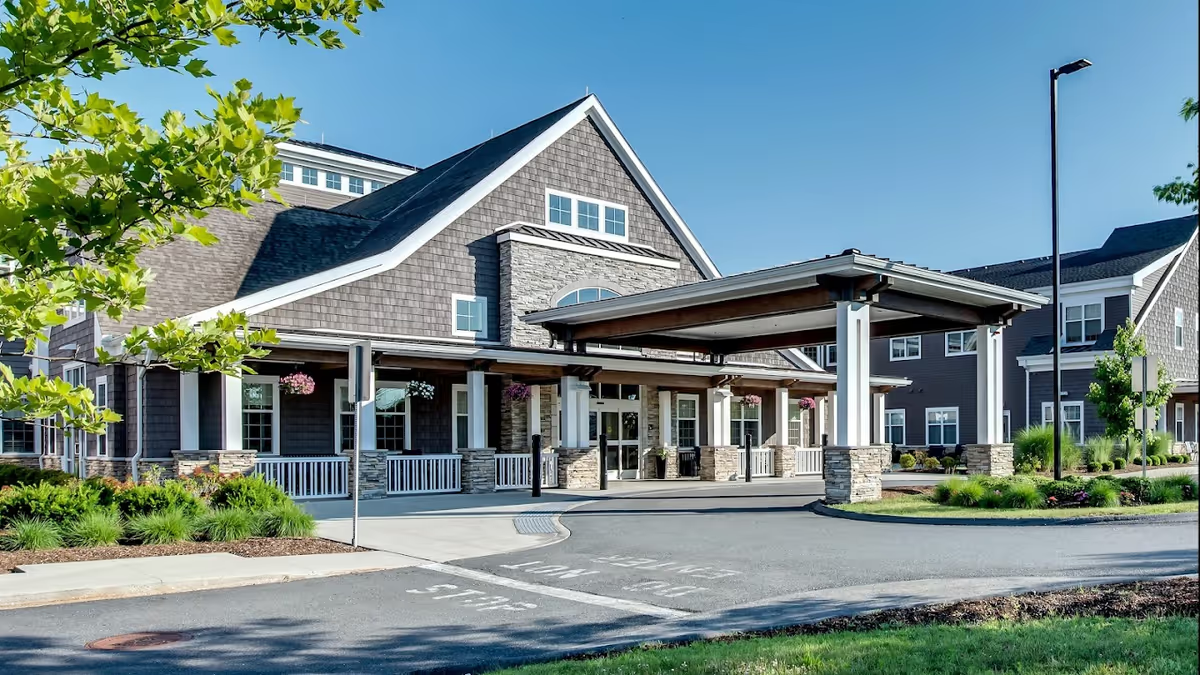
The physical environment and amenities present both strengths and limitations. The building and rooms are often described as clean, attractive, and well maintained, with convenient parking and pleasant views. At the same time, limited on-site amenities (including laundry) and a relatively small-room footprint are repeatedly noted. Activity programming is present but appears limited compared with the facility’s strong rehab focus.
Management and administrative patterns warrant attention. Multiple reviewers describe confusing policies, inadequate explanation of care plans, and families left to coordinate discharge planning. There are also reports that insurance considerations affect discharge timing. More serious operational concerns include billing and personal-property transaction control weaknesses; families considering this facility should verify administrative practices and documentation processes before admission.
Overall, Whittier Westborough demonstrates notable strengths in rehabilitation services, therapy staff, and the physical environment. Prospective residents and families who prioritize intensive rehab and a well-maintained facility may find it appropriate. However, it is advisable to confirm language capabilities of assigned clinicians, staffing levels (including weekend coverage), protocols for immobility and wound care, nutrition planning, amenity availability, and administrative safeguards (billing and personal-property handling) during the intake process to reduce the risk of the variability described above.