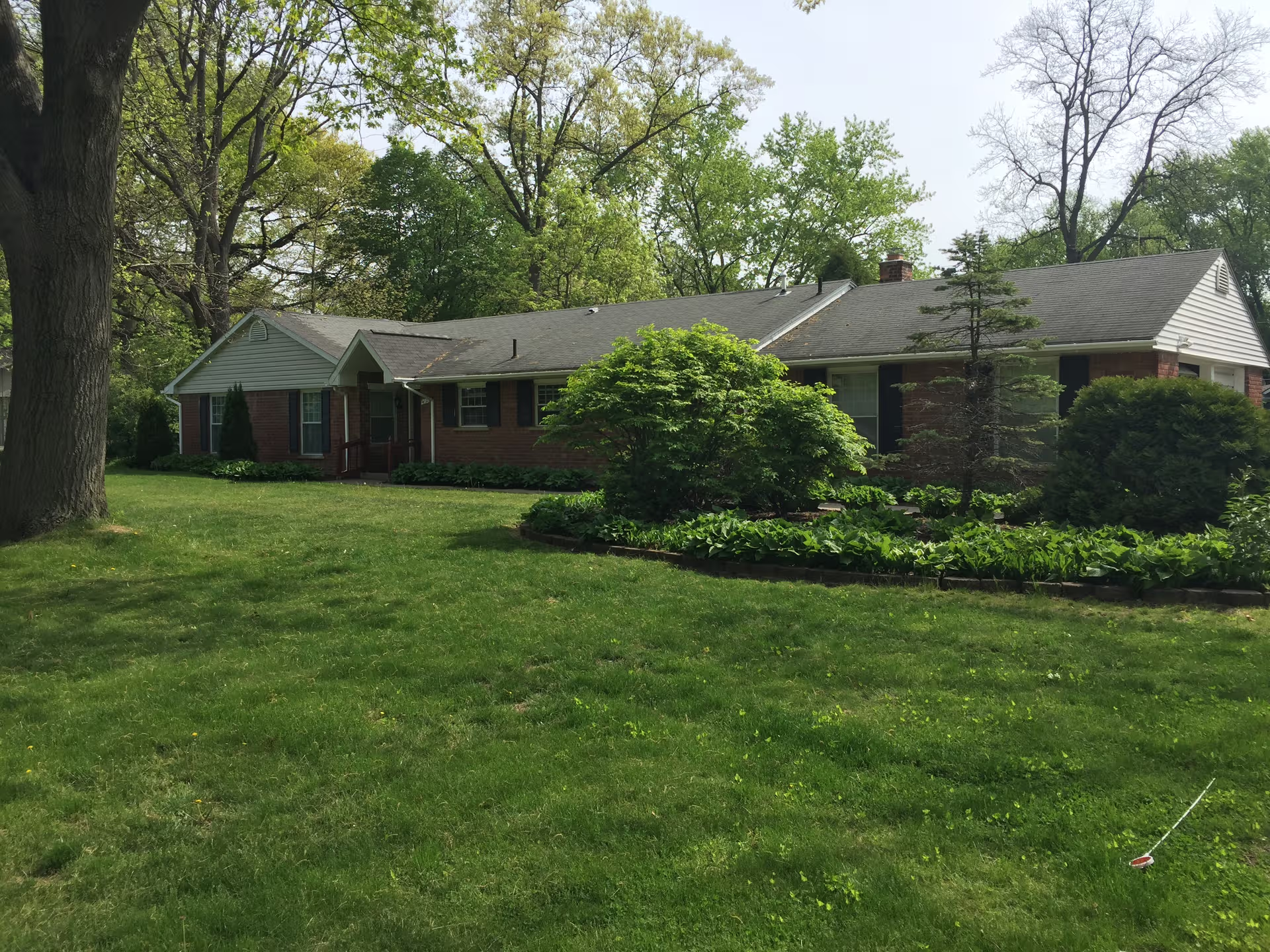
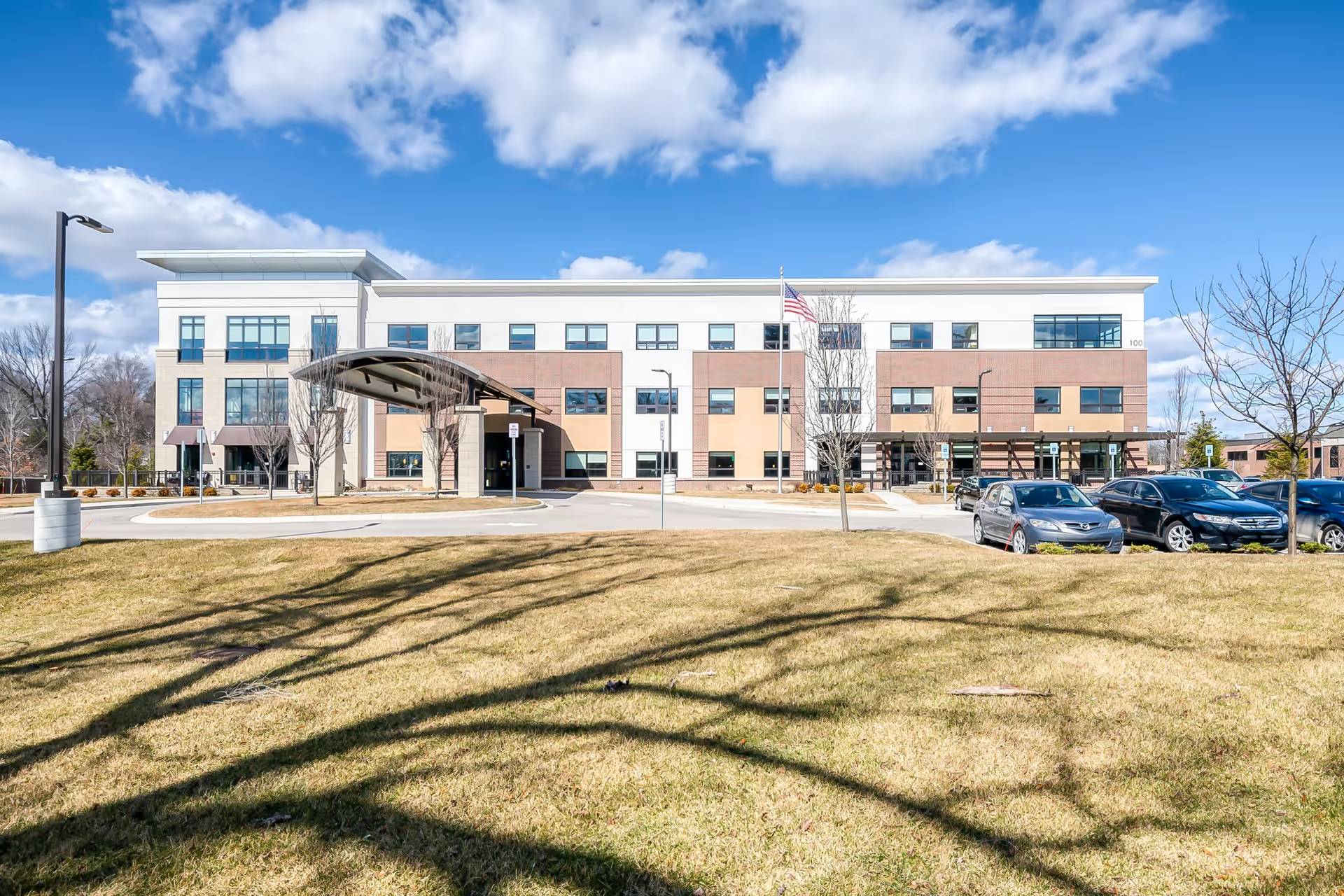
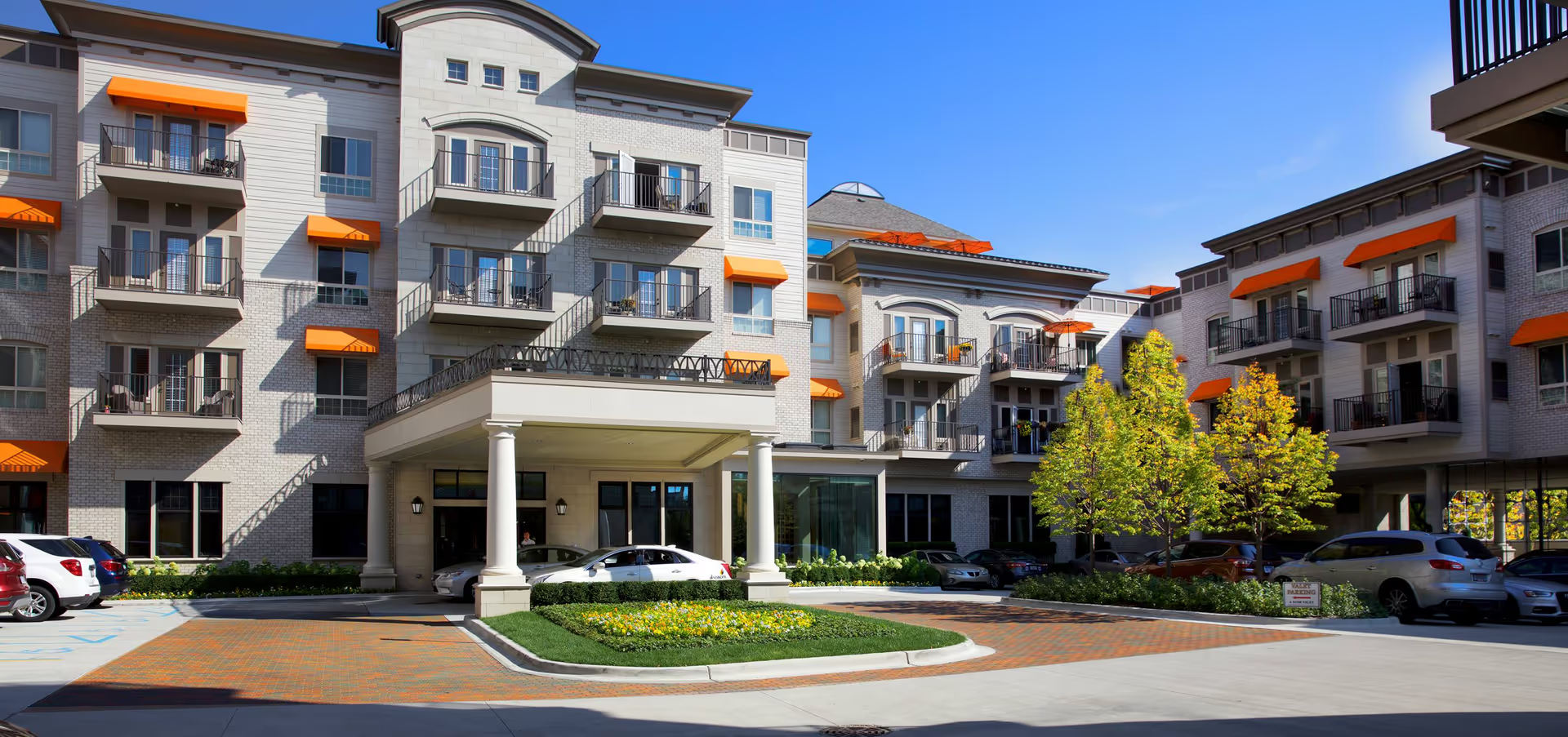
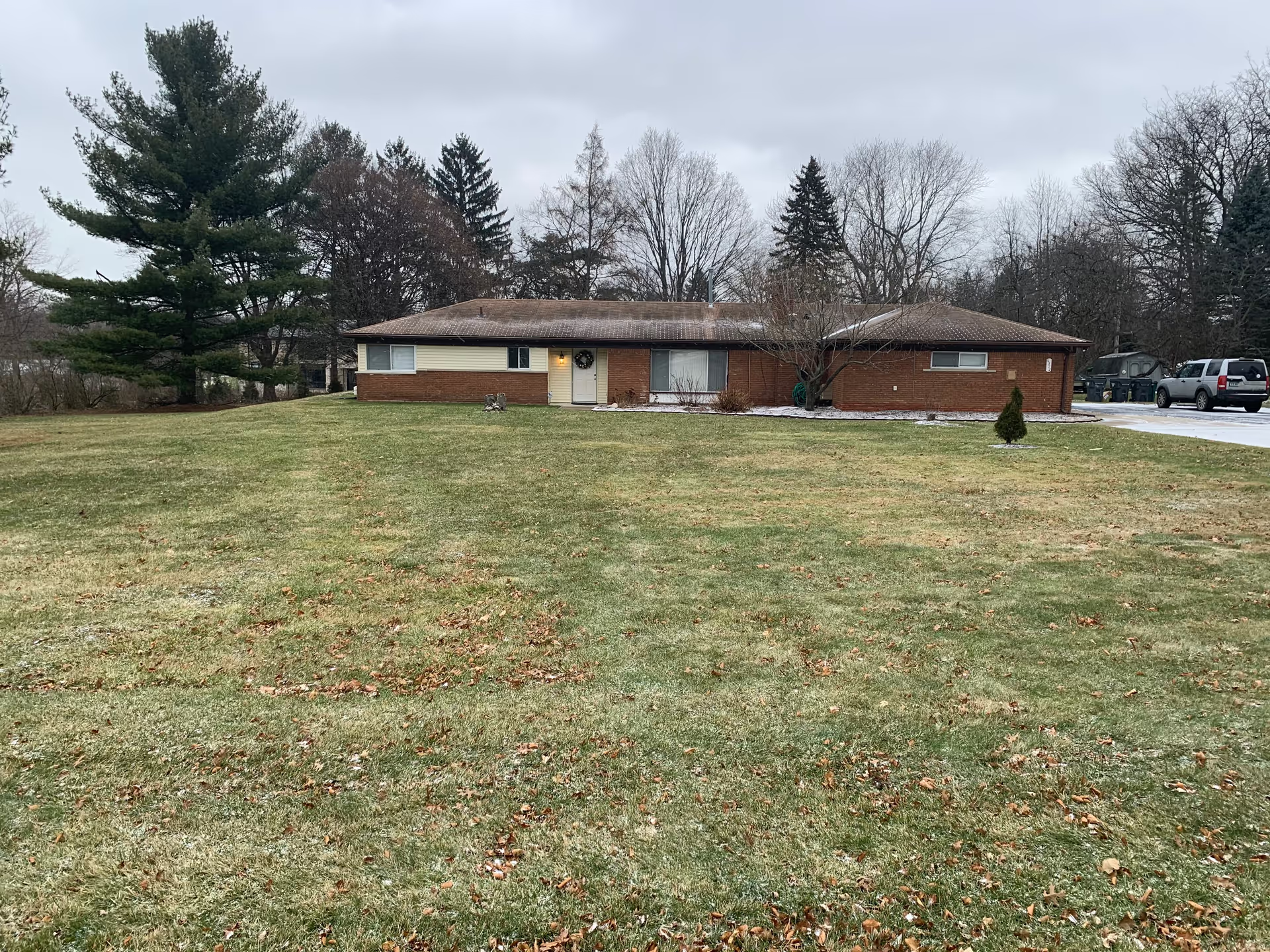
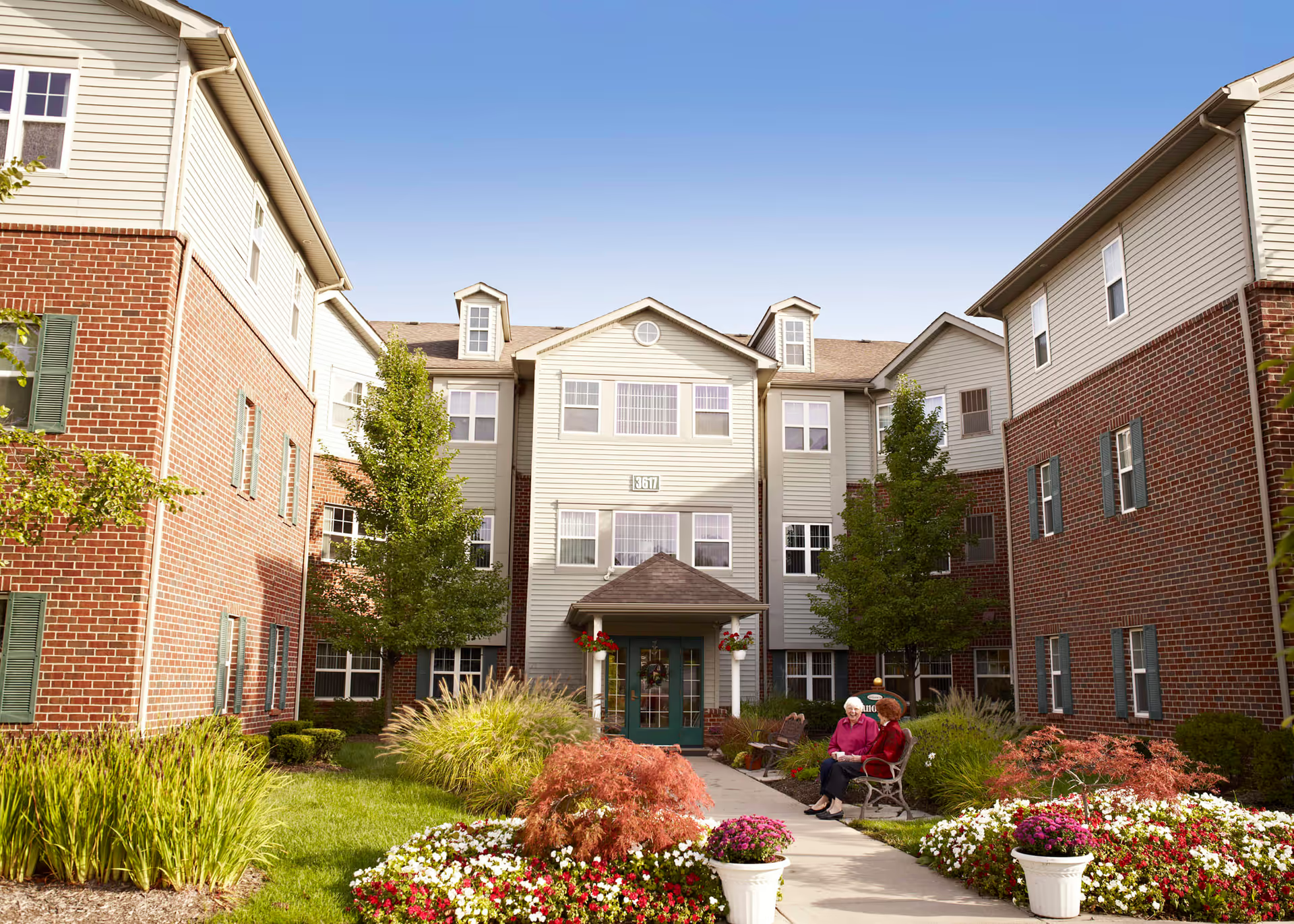
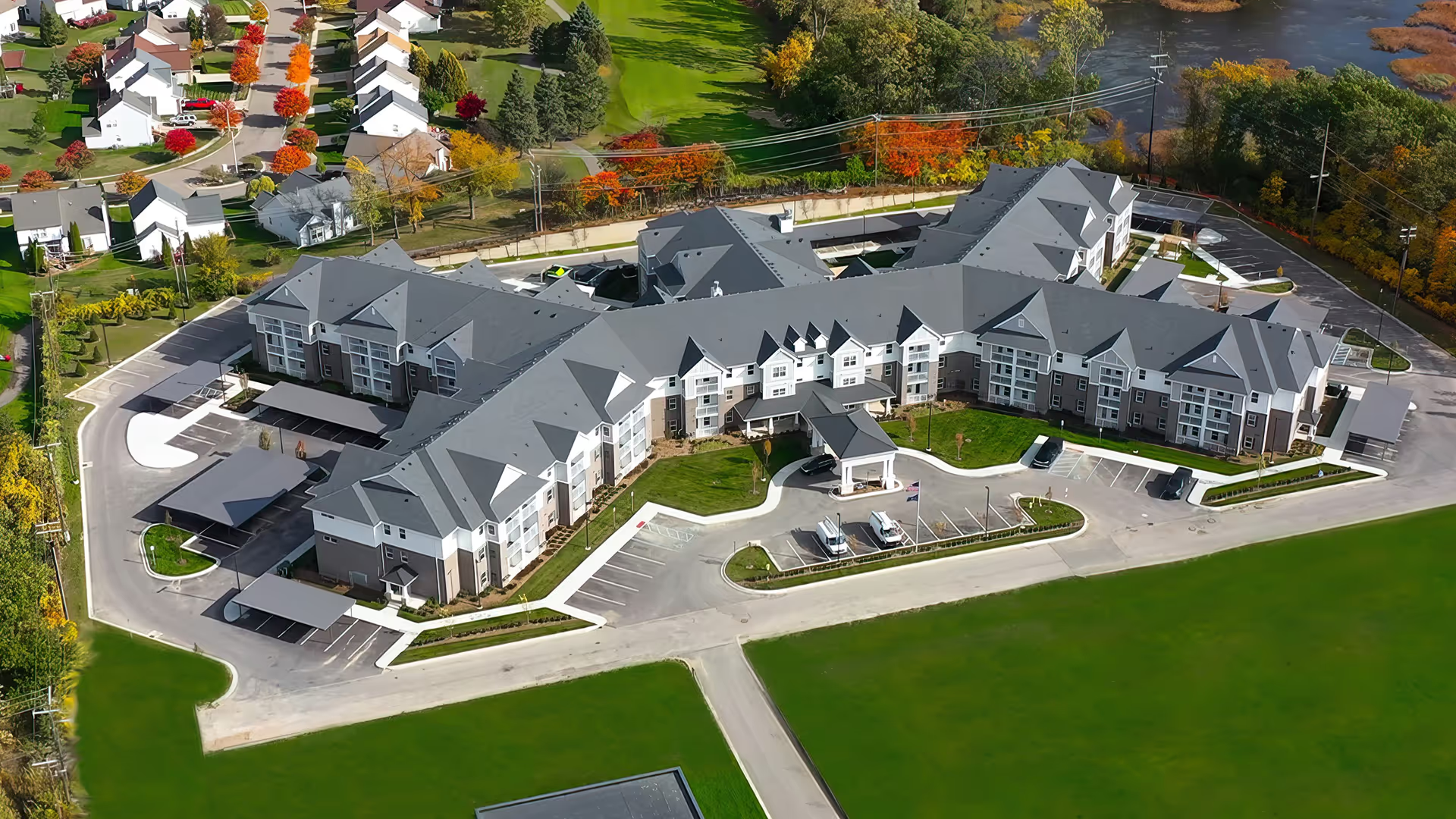
Reviewers present a strongly mixed picture of care at Woodward Hills. A consistent strength across comments is the rehabilitation program: physical and occupational therapy staff are repeatedly described as skilled, motivating, and effective at improving mobility and facilitating discharge home. Many families also praised the dining program, noting varied, deli-style or gourmet menus, pleasant bistro offerings, and frequent social food events. The facility’s physical environment is frequently highlighted as an asset — landscaped grounds, coordinated, hotel-like rooms with attractive views, a welcoming lobby/concierge, and a range of communal spaces that support social activity.
Care and staffing are the most variable domains. Positive accounts describe compassionate nurses, attentive CNAs, helpful social workers, and strong discharge planning. However, a substantial number of accounts point to inconsistent staffing levels, frequent use of agency or temporary personnel, and high staff turnover. Those operational patterns are linked to delayed responses to call lights, inconsistent bathing and linen-change routines, and variable hands-on caregiving quality. Several families raised concerns about medication administration and documentation, including missed or incorrect doses and related clinical consequences; these comments suggest gaps in medication-management controls and clinical supervision.
Facility-wide operational issues also emerge as recurring themes. Cleanliness and sanitation are described inconsistently: some reviewers call the building spotless and odor-free, while others describe sanitation concerns in certain bathrooms, pantries, or hallways. Communication with families and administration is another divided area — some reviewers praised proactive case management and clear discharge planning, whereas others reported poor follow-up, absent written responses from leadership, and limited family updates. Billing and insurance processes were cited as problematic in a number of accounts, with claims of denials, confusion, or perceived overbilling.
Safety and clinical oversight concerns appear in multiple reviews, including fall-prevention, wound-care follow-up, and end-of-life/hospice coordination. A few serious individual accounts describe hospital readmissions and concerns following a resident’s death; these are not the predominant pattern but are significant when they occur and point to the importance of verifying clinical processes during tours. Management and culture issues are also described: reviewers note organizational disorganization, director-level staffing changes, and a perceived operational focus on census or financial targets rather than consistent bedside coverage.
For prospective residents and families the pattern is clear: Woodward Hills offers a high-quality rehabilitation environment, attractive physical amenities, and strong aspects of dining and activities, but experience can vary widely depending on unit staffing and leadership stability. Recommended topics to address during an inquiry or tour include current staffing ratios and use of agency staff, medication-administration checks and pharmacy oversight, routine schedules for bathing and linen changes, infection-control and sanitation audits, physician and advanced-practice coverage, family communication pathways, and billing/insurance clarification. These targeted questions can help assess whether the facility’s strengths align with an individual resident’s clinical and oversight needs.