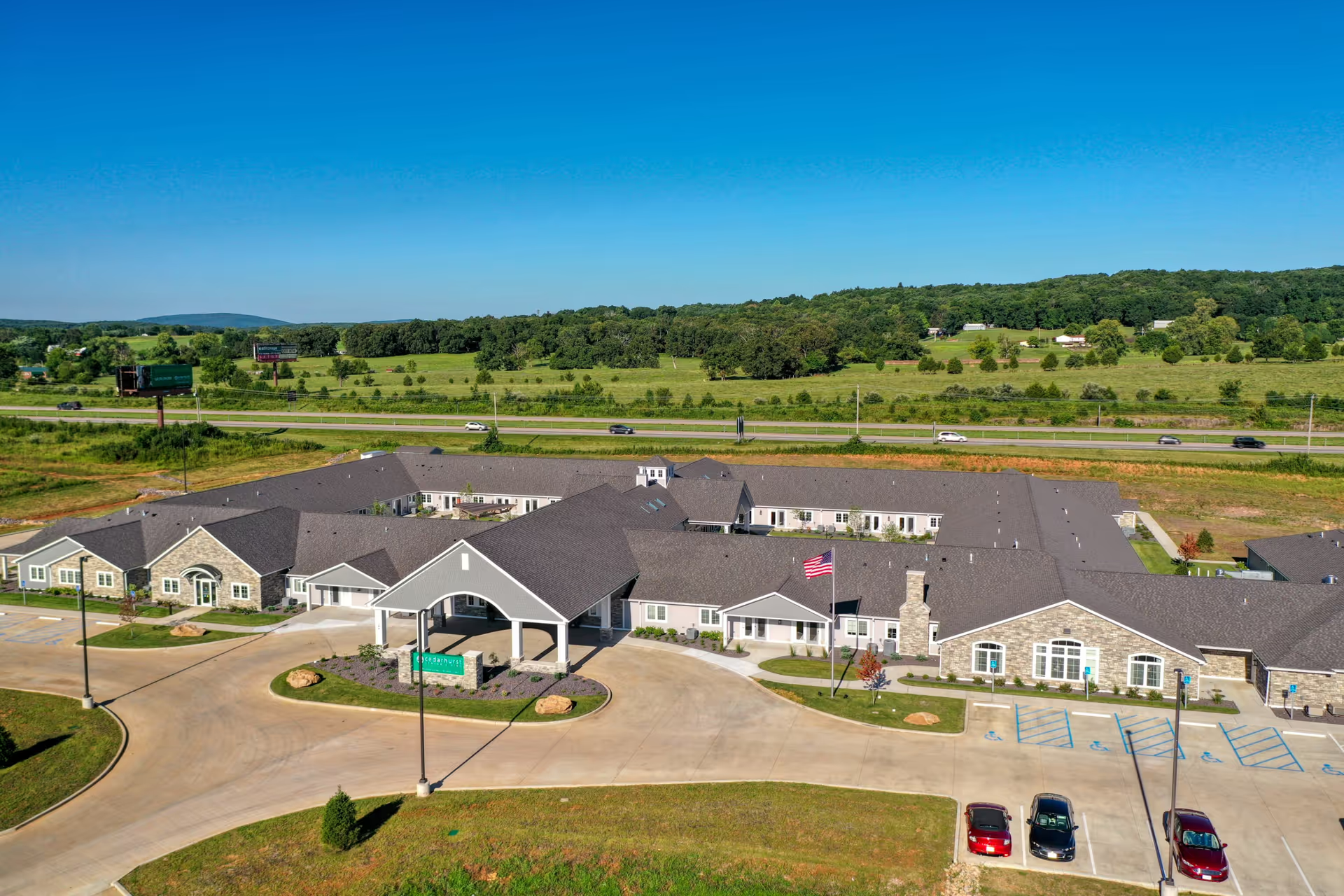
Reviews of Woodland Hills–A Stonebridge Community present a mixed picture: many families praise individual caregivers and the therapy department, while others describe recurring operational shortcomings that affect reliability of care. Positive feedback centers on long-tenured nursing staff, compassionate aides, respect for resident privacy, active safety monitoring, and a therapy team that supports successful transitions. Several families also highlighted clear communication from staff and administrators who resolved issues promptly, and generally sufficient meal portions.
Care quality observations vary by period and unit. Early reports emphasized a strong therapy focus and attentive nursing; later reports described decreased responsiveness to requests (notably slow call-light response) and delays in medication delivery. There are specific concerns about clinical escalation pathways and oversight by attending physicians or contract clinicians, which families felt contributed to unnecessary hospital transfers in some cases. Direct-care reliability is uneven: some residents receive attentive, consistent care, while others experienced inconsistent bathing, linen changes, and delays in incontinence-related care.
Staffing and training emerge as central themes. The facility retains some long-standing, well-regarded staff members and several named caregivers were praised for compassion and professionalism. At the same time, reviewers described high turnover and variability in CNA performance, suggesting gaps in training, supervision, or staffing levels that affect day-to-day care consistency. Therapy services were repeatedly described as a strong point, which may be useful for residents with rehabilitation goals.
Dining and activities receive limited but generally positive mention: families reported adequate portions and some satisfaction with meal service. The reviews do not provide extensive detail on the broader activities program beyond therapy; prospective families should ask about scheduled social and recreational programming during a visit.
Facility maintenance and hygiene commentary is mixed. Some families endorsed monitored safety and privacy protections, while others noted inconsistent linen management and broader sanitation concerns such as missed showers or delayed linen changes. Reviewers also identified gaps in incident documentation and communication with families when safety events occurred. One review referenced a state investigation and an allegation involving managerial conduct, which underscores the need to review the facility’s regulatory history and incident-resolution processes.
Management impressions are polarized. Several administrators and staff members were singled out for positive responsiveness and problem resolution; conversely, other comments described concerns about leadership tone and public interactions with staff. This pattern suggests variable leadership behavior across shifts or over time rather than a uniformly consistent management approach.
Notable patterns: family experiences cluster into two broad categories—those who encountered steady, compassionate care with strong therapy support, and those who experienced operational failures tied to staffing, communication, and clinical escalation. For prospective residents and families, recommended inquiries during a visit include current staffing levels and turnover rates, medication delivery protocols, wound-care and physician oversight processes, bathing/linen schedules, incident-reporting practices, and recent regulatory history. Observing multiple shifts and speaking with families of current residents can help clarify whether the strengths or weaknesses described here reflect ongoing practice at the facility.