Overview Reviews of Windsor Gardens Care Center are polarized: many families and patients describe attentive, compassionate caregivers and effective rehabilitation services, while others describe operational inconsistencies that materially affected trust and satisfaction. Several reviewers praised the admissions team, the administrator and director of nursing for accessibility and problem resolution, and highlighted a capable clinical team with wound-care and rehab strengths. At the same time, recurring operational issues — particularly around housekeeping, medication timeliness, security, and staffing — appear to be primary drivers of negative experiences.
Care quality and clinical responsiveness Clinical care is described as a mix of strengths and gaps. Positive accounts emphasize skilled nursing, successful short-term rehab outcomes, and a full care-team approach that helped residents return home. Conversely, other accounts describe delays in medication administration, inconsistent assistance during procedures such as dialysis, and concerns about follow-up after clinical incidents. These patterns suggest variability in shift-to-shift clinical responsiveness and the need for standardized medication and emergency-response protocols.
Staff and management Staff competence and tone are frequently cited in both directions. Many reviewers commend compassionate CNAs, engaged nurses, and a proactive administrator who addresses family concerns. However, there are consistent comments about inconsistent professionalism, instances of rude conduct, and concerns about staff vigilance. Staffing instability and turnover — including management decisions that lead to rapid staff changes — were linked to variability in day-to-day care. Where leadership is active and communicative, families report better experiences, indicating management practices materially influence resident outcomes.
Dining and nutrition Dining impressions vary. Some residents and families describe acceptable meals and pleasant dining experiences, while others note unclear meal presentation, interrupted service, and worries about weight loss or inadequate intake. These contrasting accounts point to inconsistent nutrition monitoring and meal-service continuity across units or shifts rather than a uniform program strength or failure.
Activities and social programming The facility offers social lounges and recreation offerings that some residents find engaging. Positive experiences are tied to dedicated activity staff and vendor-led programs that foster resident bonding. However, concerns about recent activity leadership changes, perceived budget cuts, and unprofessional conduct by a new activities director suggest program quality and oversight are uneven. Families should assess current activity staffing and schedules during a tour.
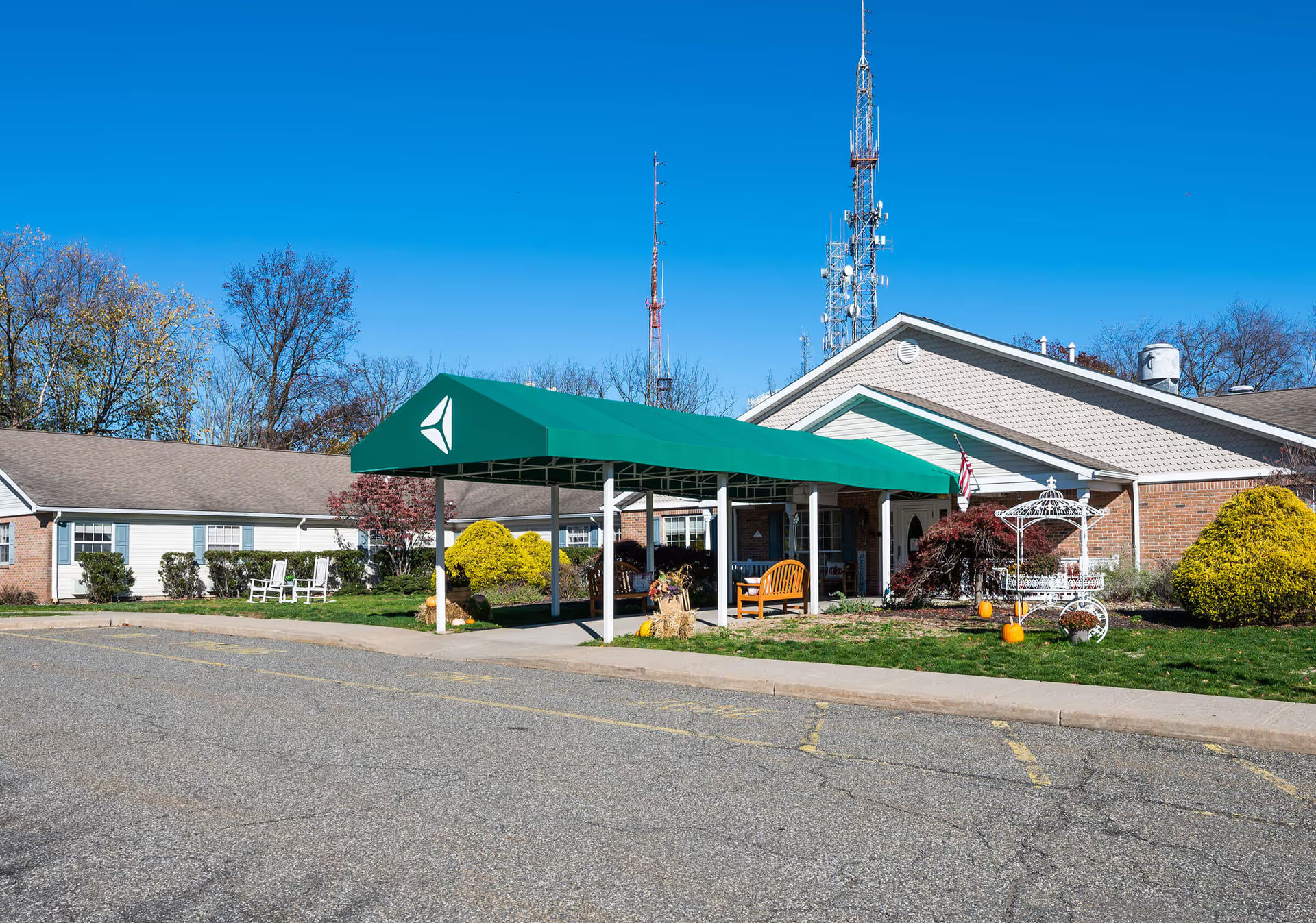
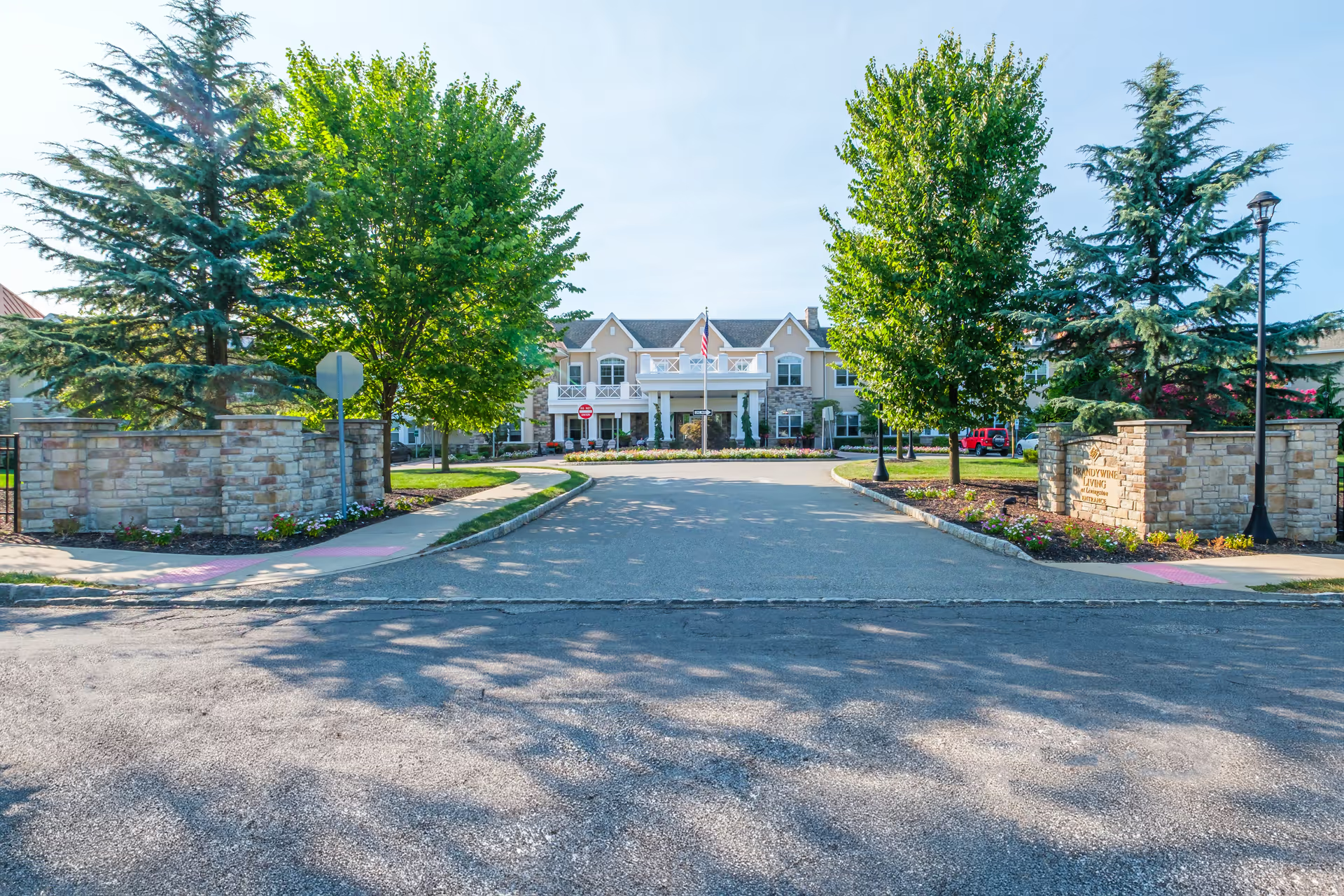
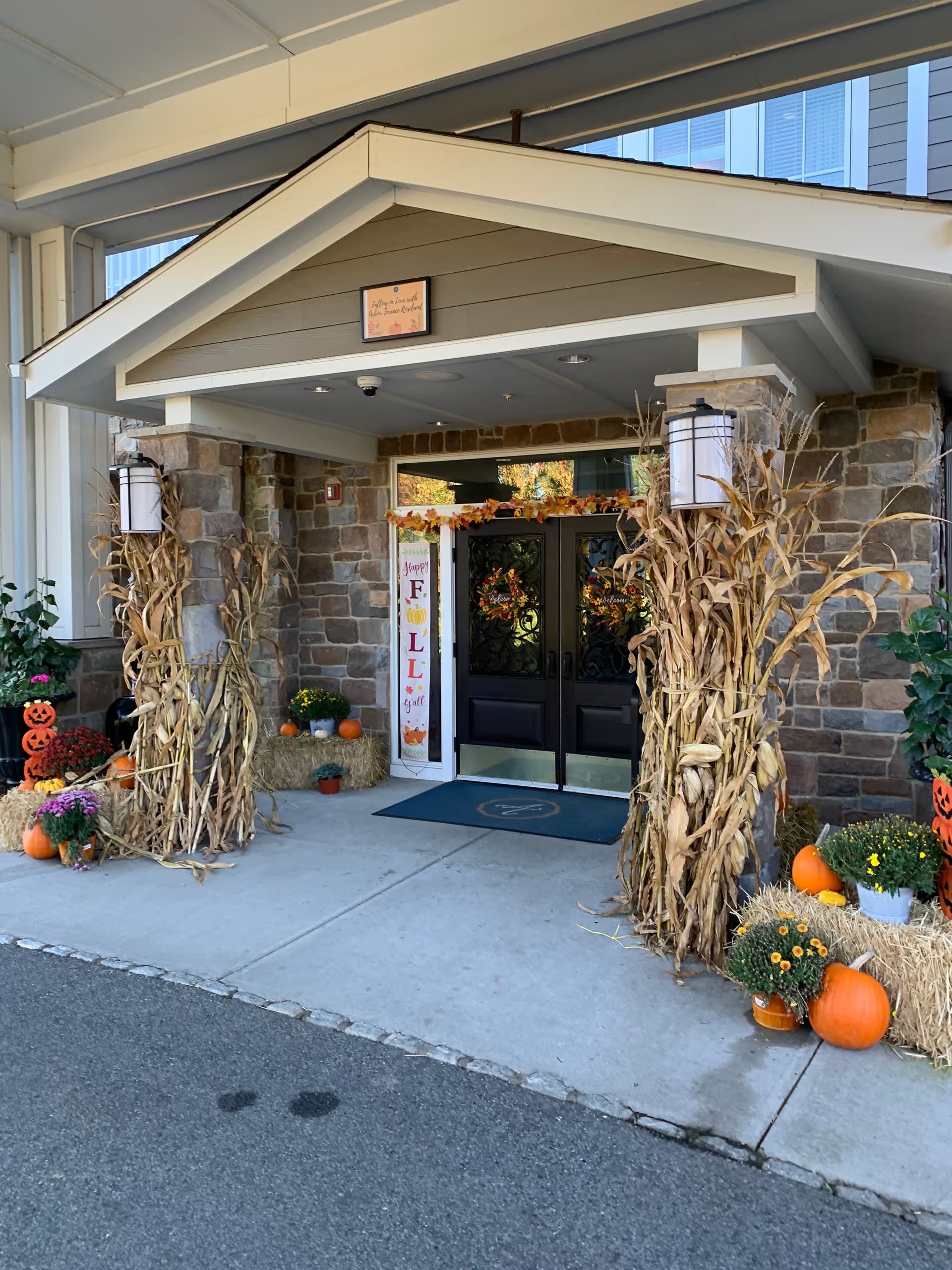
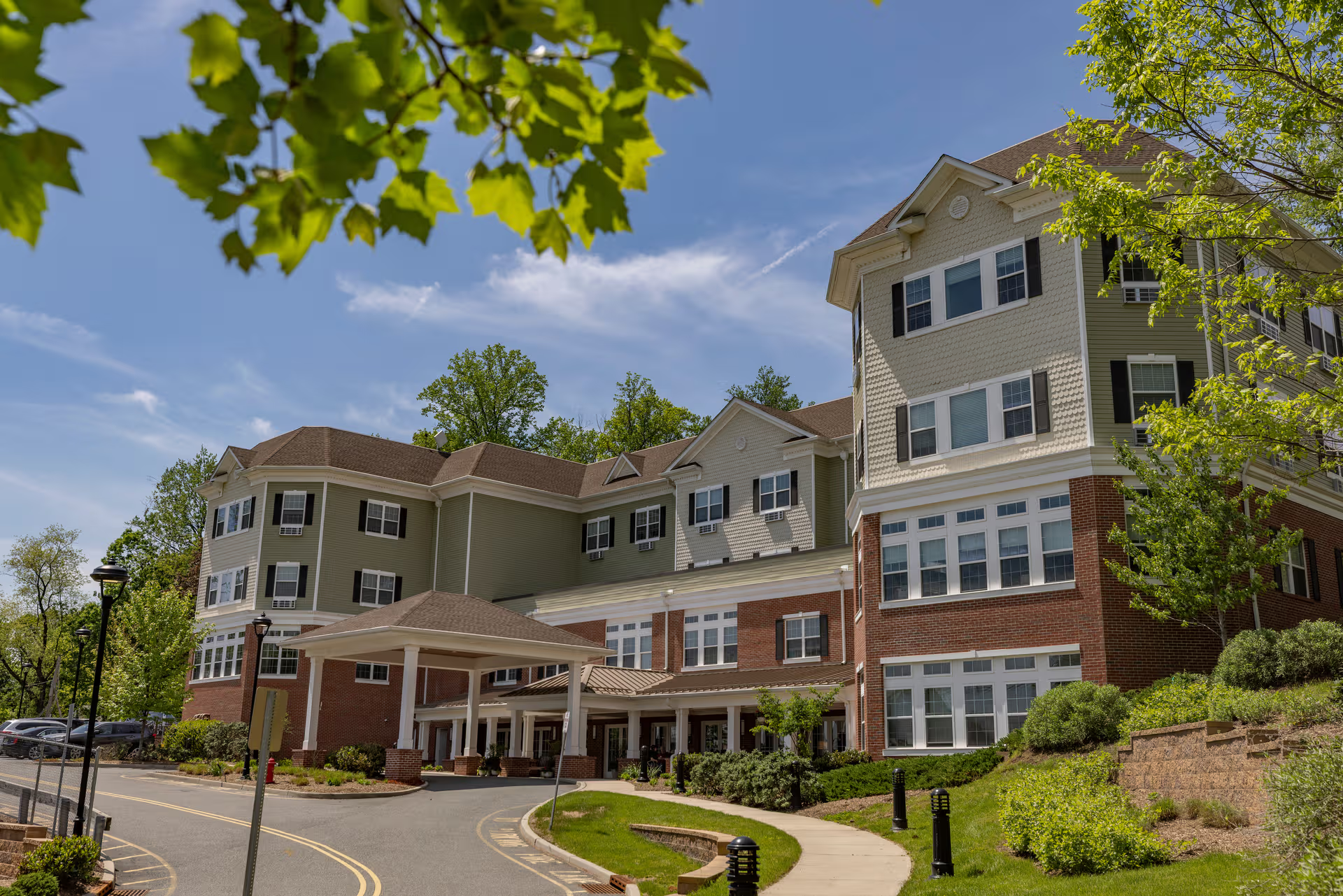
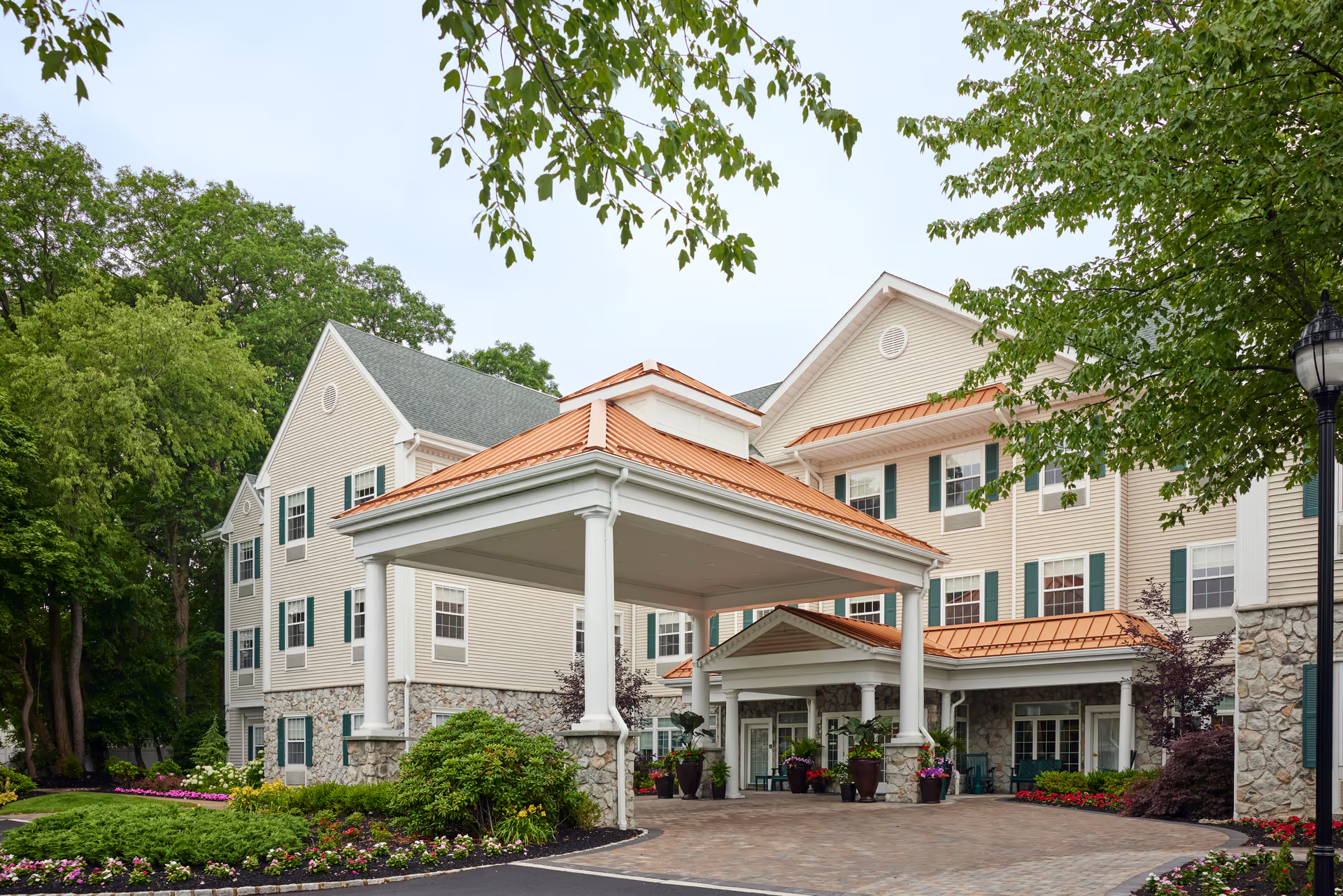
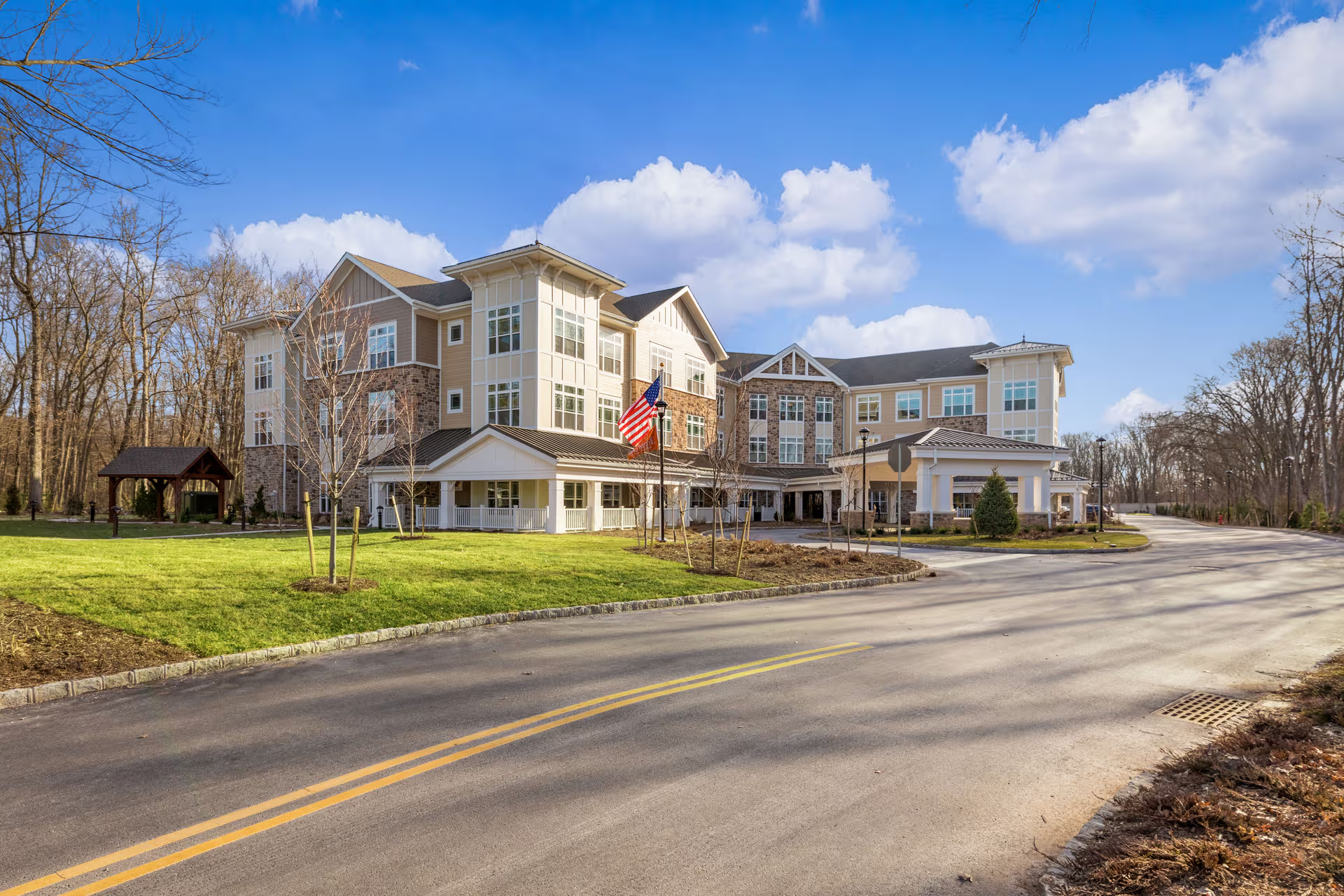
Facilities, maintenance, and cleanliness Facility-level impressions are mixed. Many reviewers praise renovated common areas, pleasant grounds, and a welcoming lobby. At the same time, multiple accounts describe inconsistent room-level housekeeping, sanitation concerns and localized odor issues, broken or poorly maintained equipment (beds, elevators), and delayed maintenance responses. These comments indicate that building-wide assets may be well maintained while unit-level maintenance and cleaning practices need stronger operational controls.
Safety, security, and operations Safety and security concerns appear repeatedly: unsecured access, roommate-compatibility issues, and police or emergency responses in some instances. There are also concerns about personal-belonging management and billing practices. These indicate potential gaps in access control, resident placement processes, and administrative systems that merit review by prospective families.
Notable patterns and recommendation The overall pattern is one of variability: positive, high-quality experiences under engaged leadership and stable staffing coexist with negative experiences tied to inconsistent housekeeping, medication timing, security, and staff responsiveness. Prospective residents and families should tour the facility, meet current administrator and clinical leads, inquire about current staffing ratios and turnover, review medication- and incident-response protocols, and observe room-level cleanliness and activity schedules. When leadership is active and staffing is stable, Windsor Gardens demonstrates strong clinical and rehabilitative capabilities; when operations are inconsistent, those strengths may be harder to access.