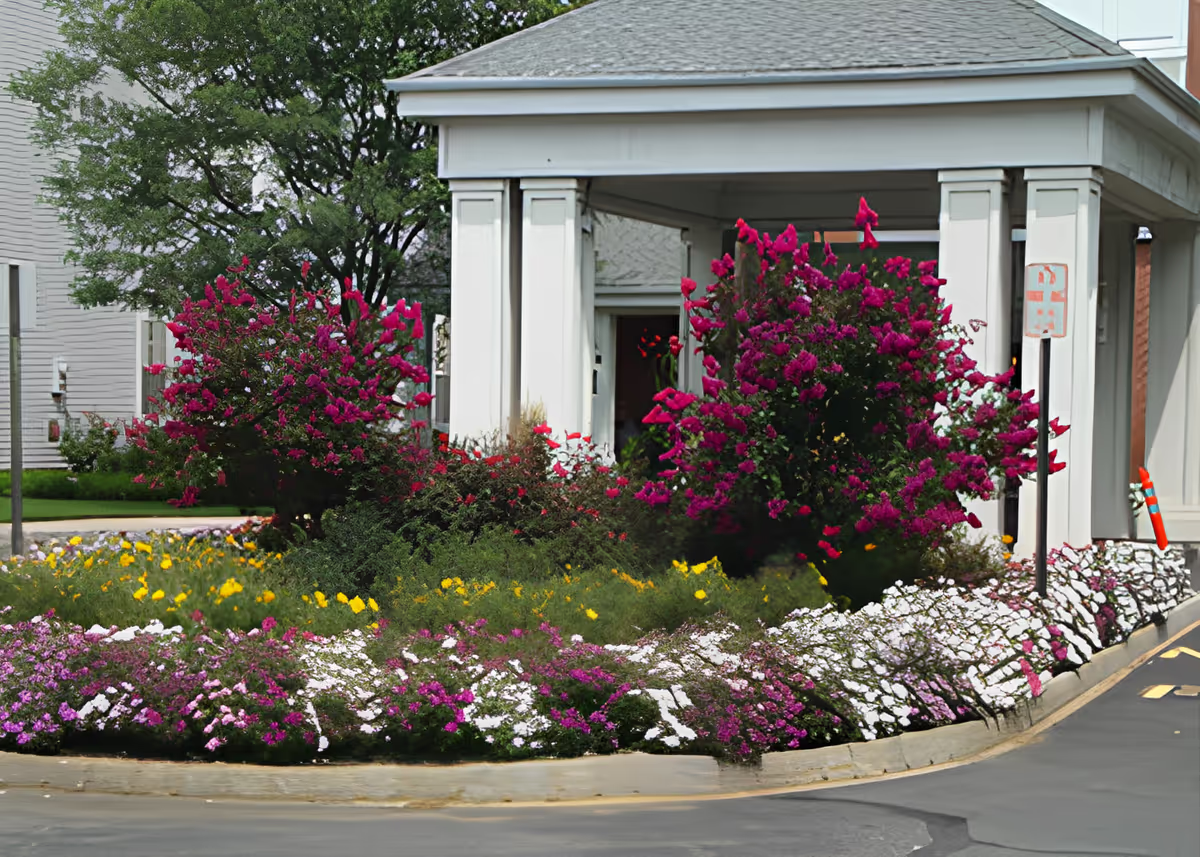
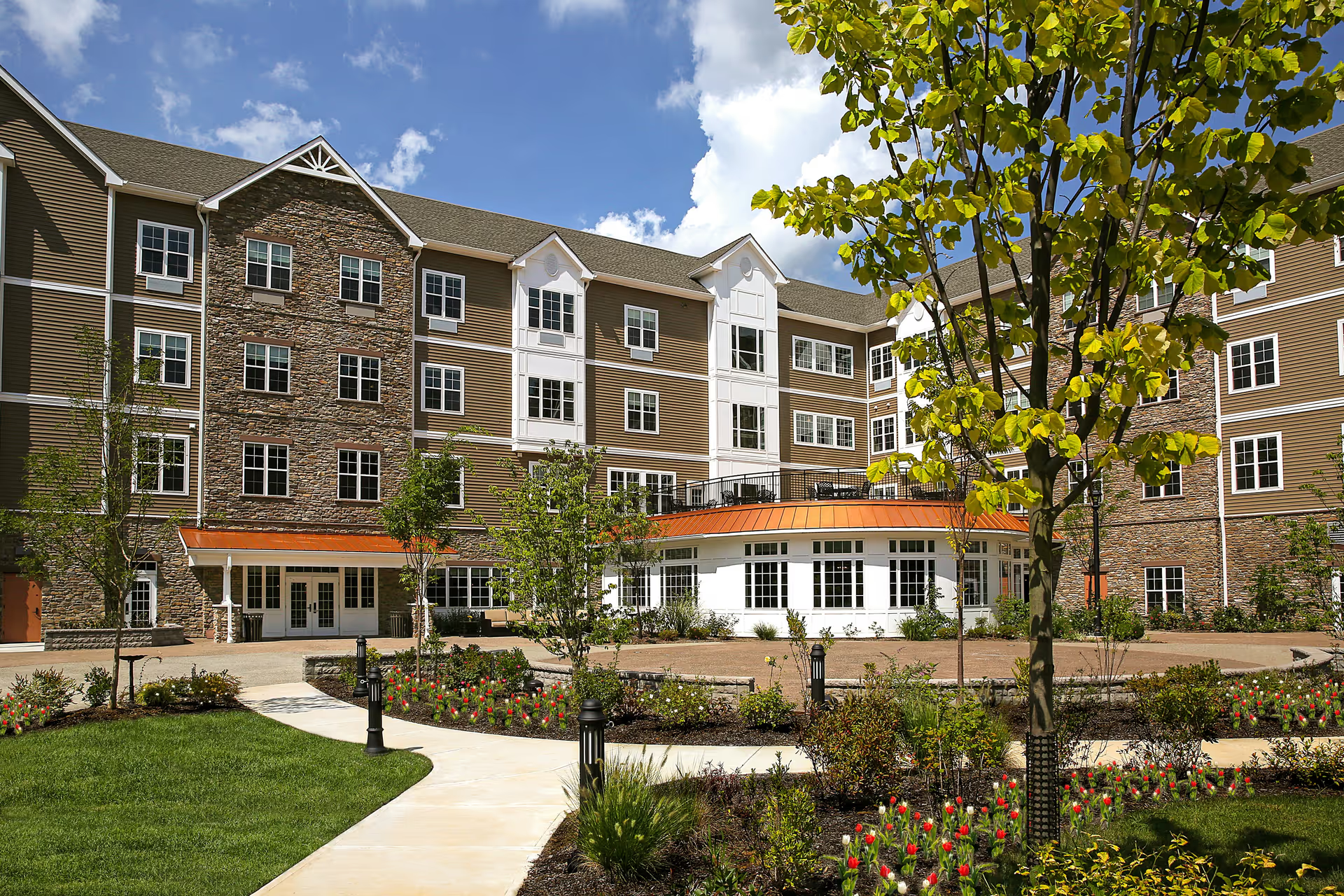
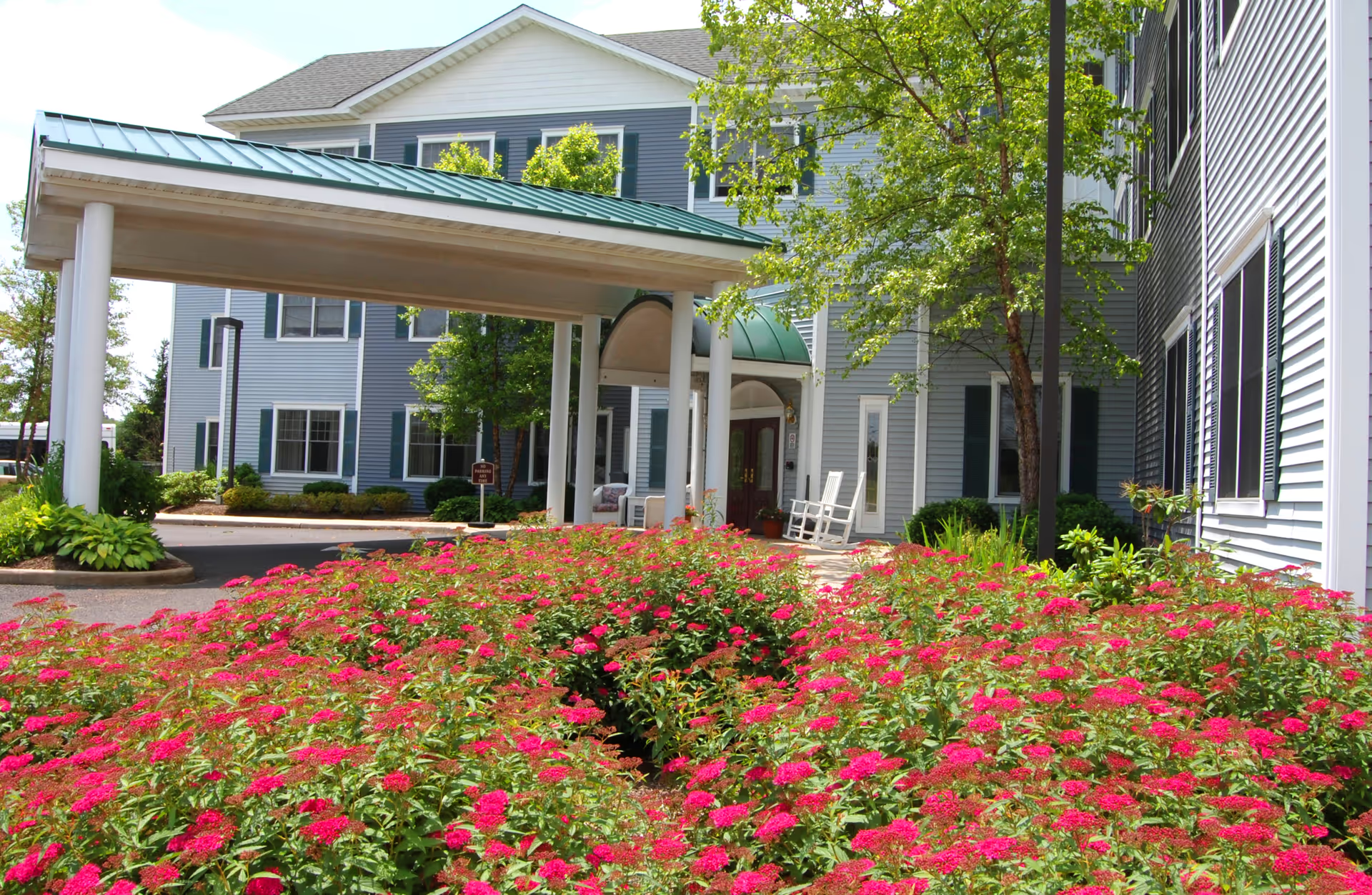
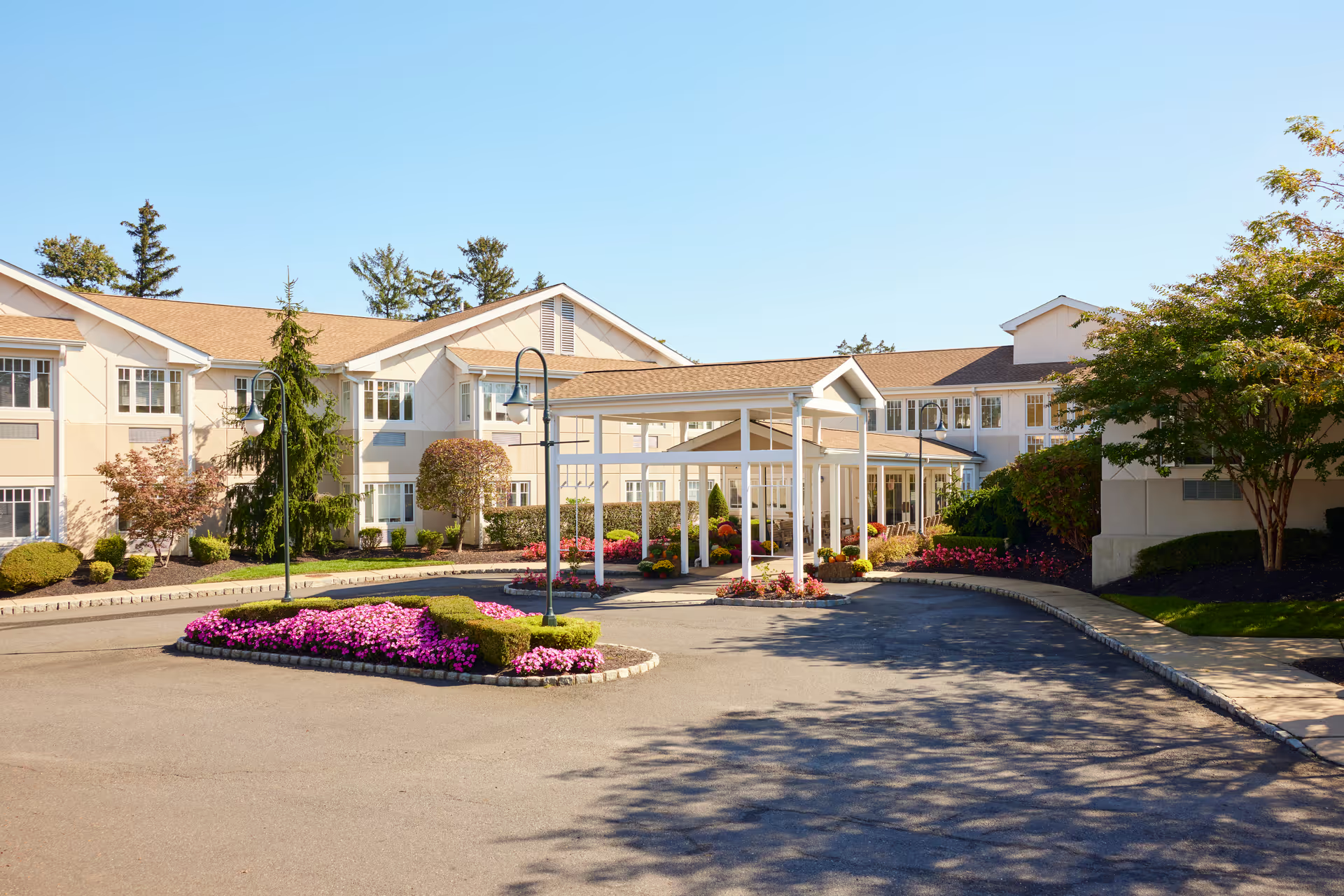
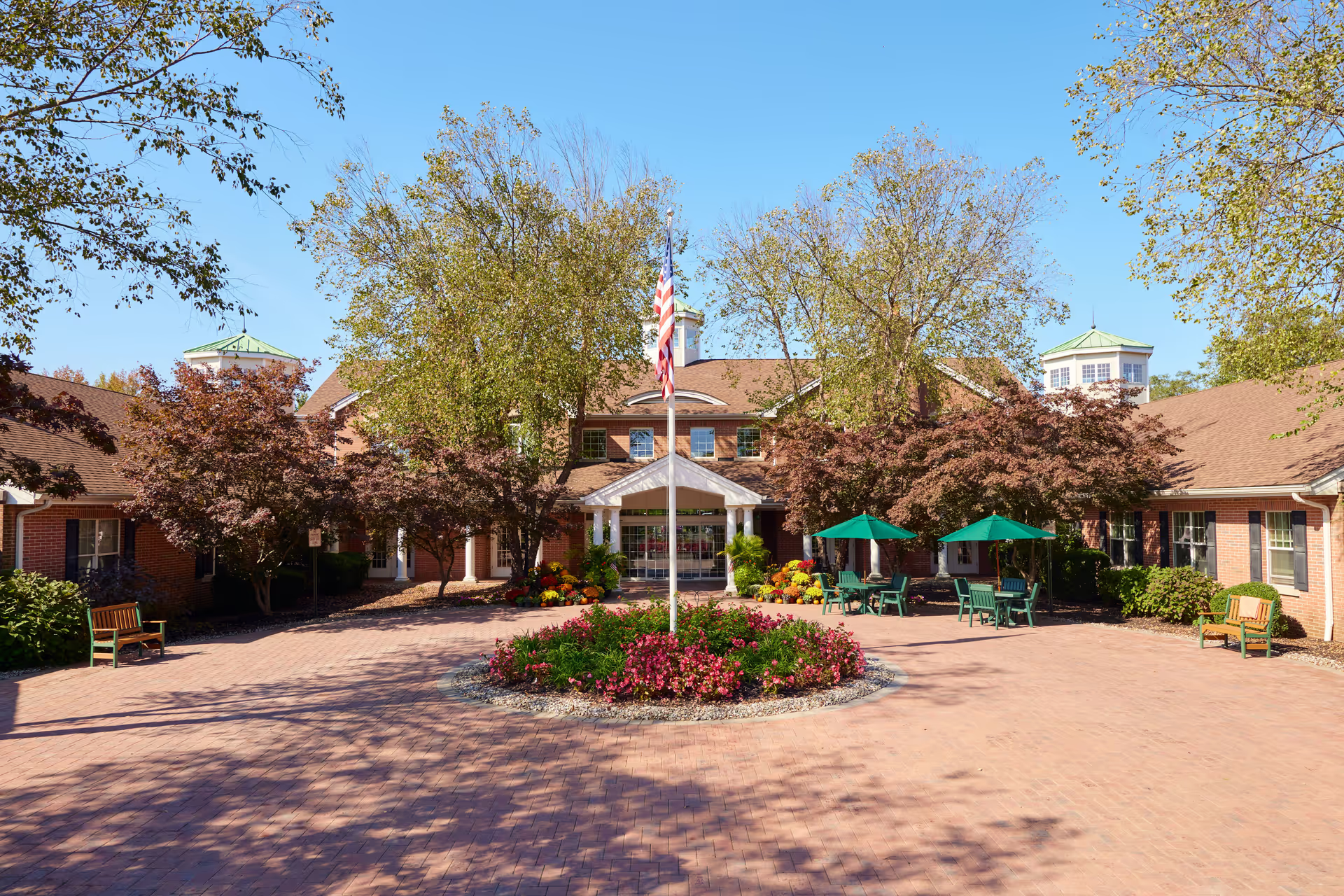
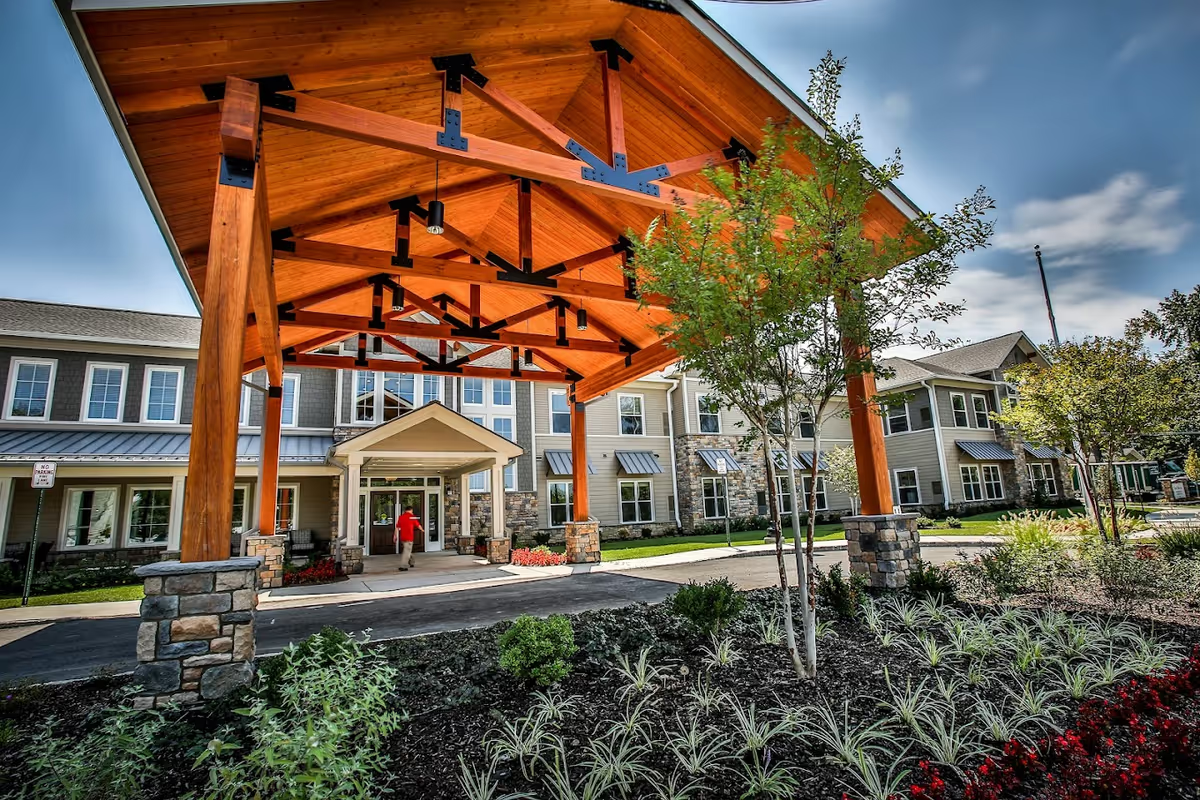
The Jewish Home for Rehabilitation and Nursing elicits a mixed but specific set of impressions. Strengths most consistently described include robust short-term rehabilitation services, comprehensive physical-therapy amenities (large wellness room and full gym), and a generally clean, well-maintained campus with private rooms and pleasant common areas. Nursing and clinical teams receive frequent praise for attentiveness and individualized care plans, and admissions and therapy coordination are frequently characterized as smooth. The facility also offers a broad activities program with professional performances, an on-site beauty salon, and convenient parking, which families cite as quality-of-life positives.
Alongside these positives, several reviews describe operational weaknesses that affect safety, comfort, and family confidence. The most significant patterns relate to fall-prevention practices and responsiveness: reviewers noted gaps in fall-prevention measures and inconsistent response times to resident calls. Housekeeping and maintenance show variability as well, with some accounts of inconsistent room cleaning and intermittent hot-water reliability for personal care. Administrative concerns include unclear billing processes and lapses in family notification or follow-up communication from management. A subset of comments also points to variability in staff training and supervision across different units and to coordination issues around hospice and respite services.
Care quality appears to vary by service line and episode of care. Short-term rehabilitation and therapy services are frequently highlighted as excellent, with personalized treatment plans and attentive clinical teams. Longer-term, hospice, or respite experiences are where more operational shortcomings are described, particularly around communication, responsiveness, and care-coordination processes. Dining receives mixed feedback: the facility provides regular meals and meal service but several reviewers described bland or inconsistent meal quality.
For prospective residents and families considering this facility, key areas to evaluate in person include the unit-specific fall-prevention measures and call-bell response times, the housekeeping schedule and how maintenance issues (including hot-water availability) are handled, the facility’s family-notification and escalation procedures, hospice/respite coordination protocols if applicable, and billing and admissions paperwork clarity. Observing a mealtime and an activity session, and speaking directly with the admissions and therapy teams, can help assess whether the facility’s strengths align with the prospective resident’s needs and whether the operational gaps have been addressed.