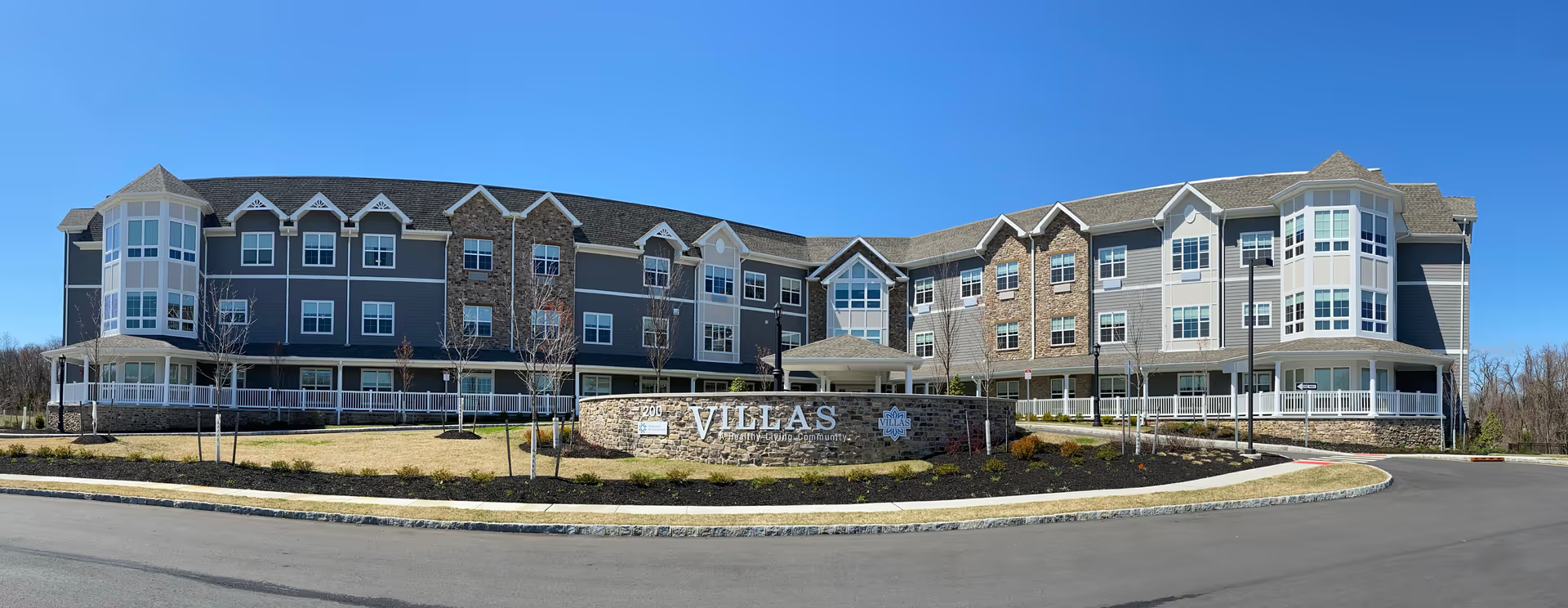
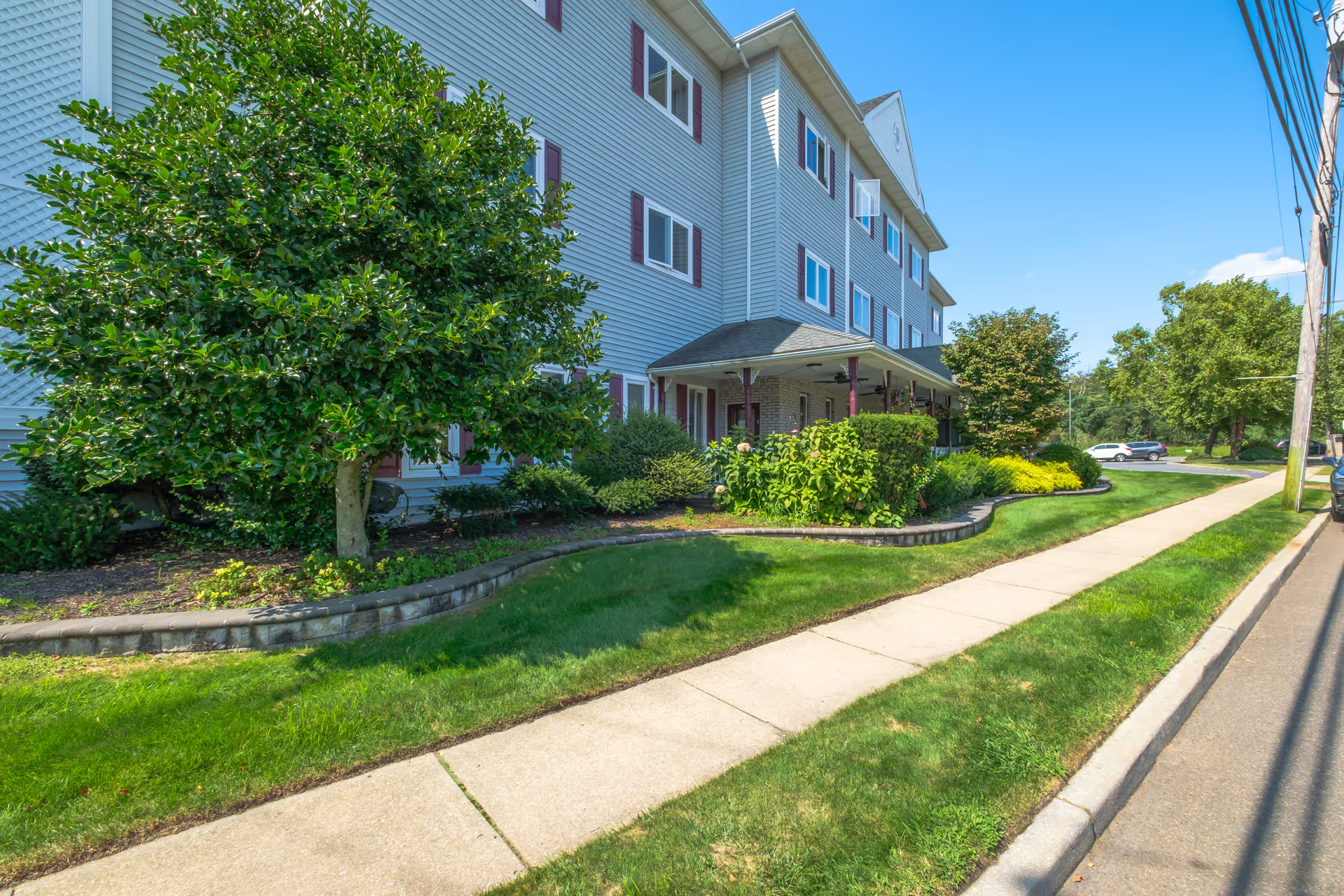
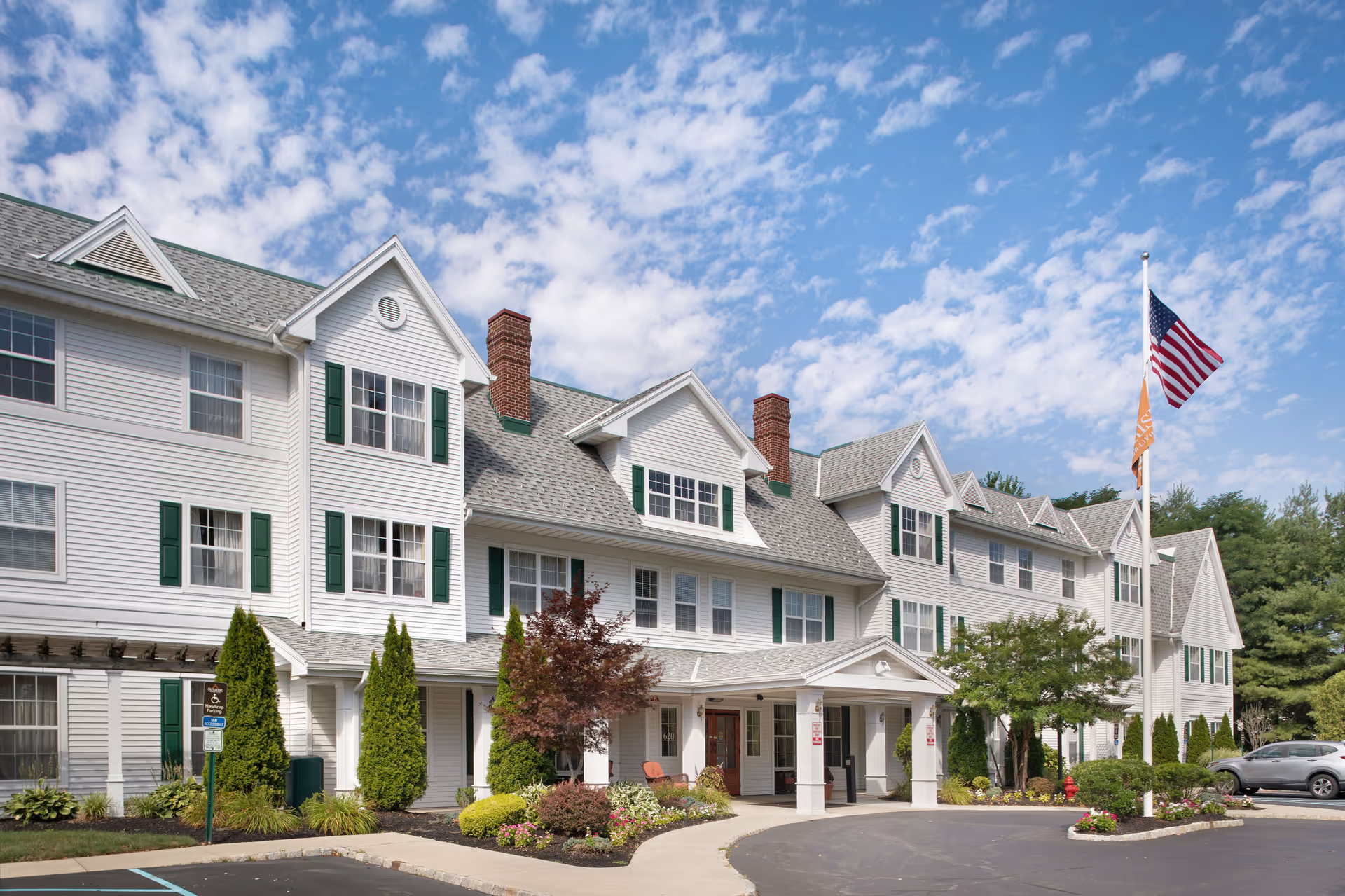
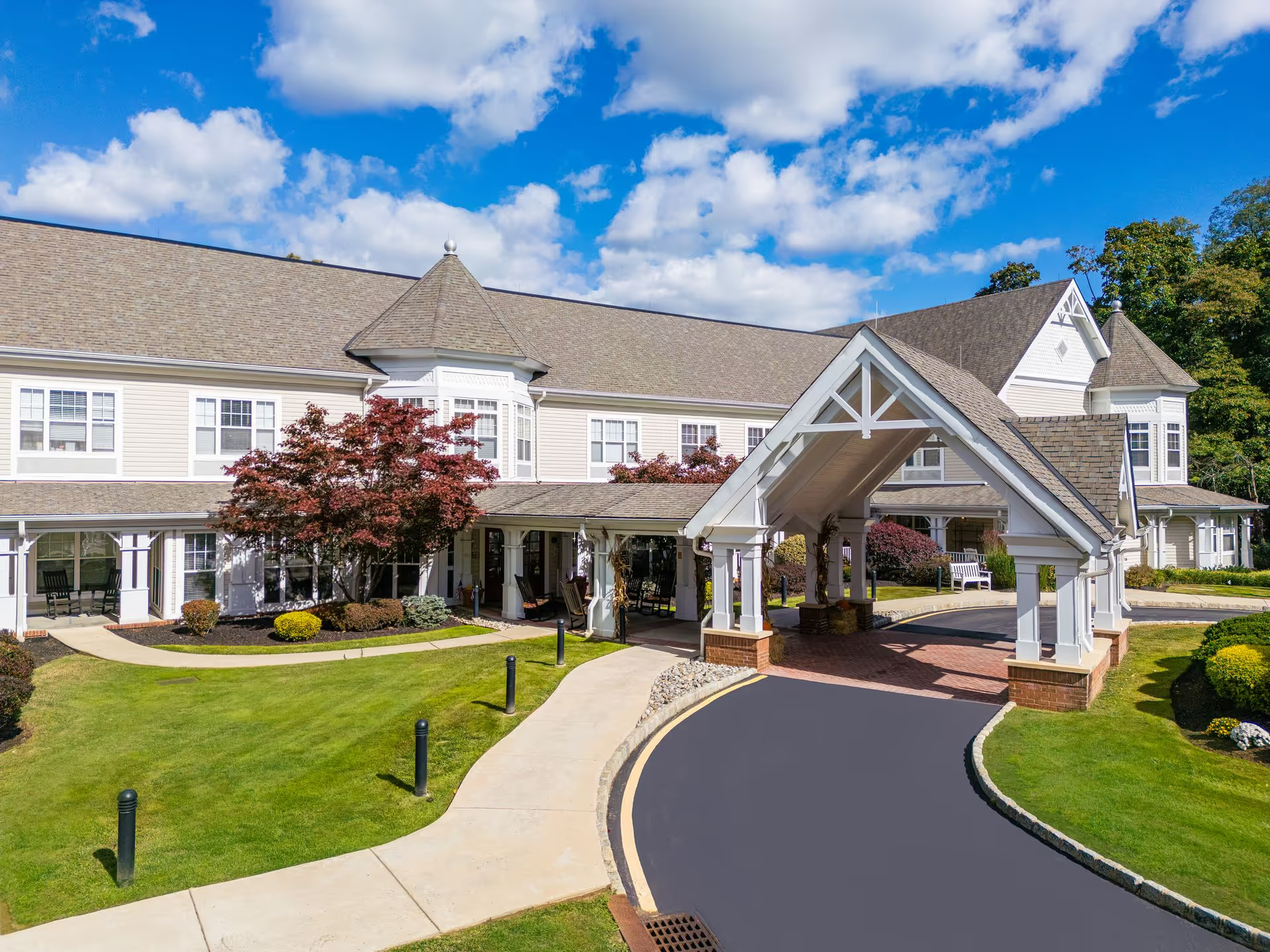
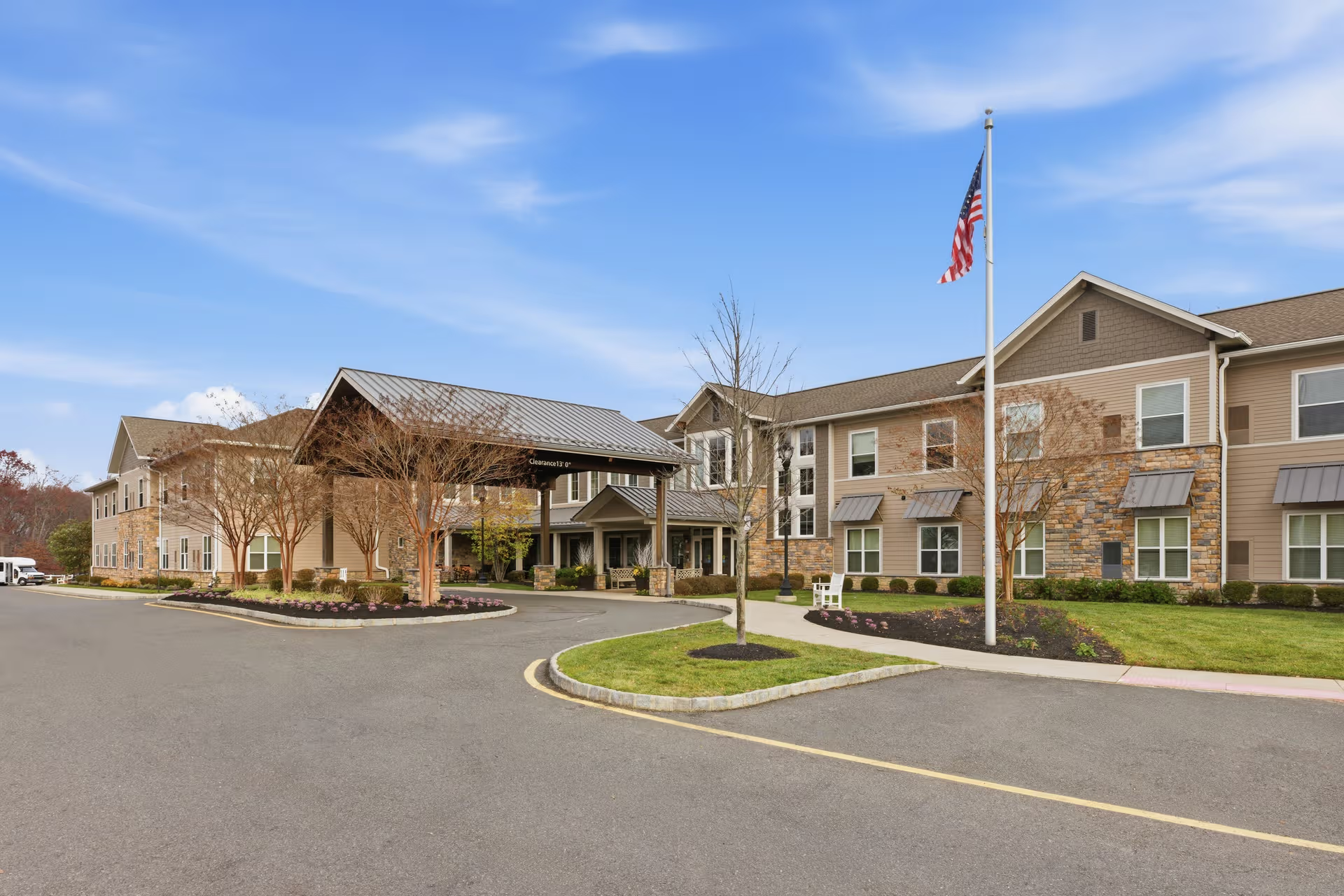
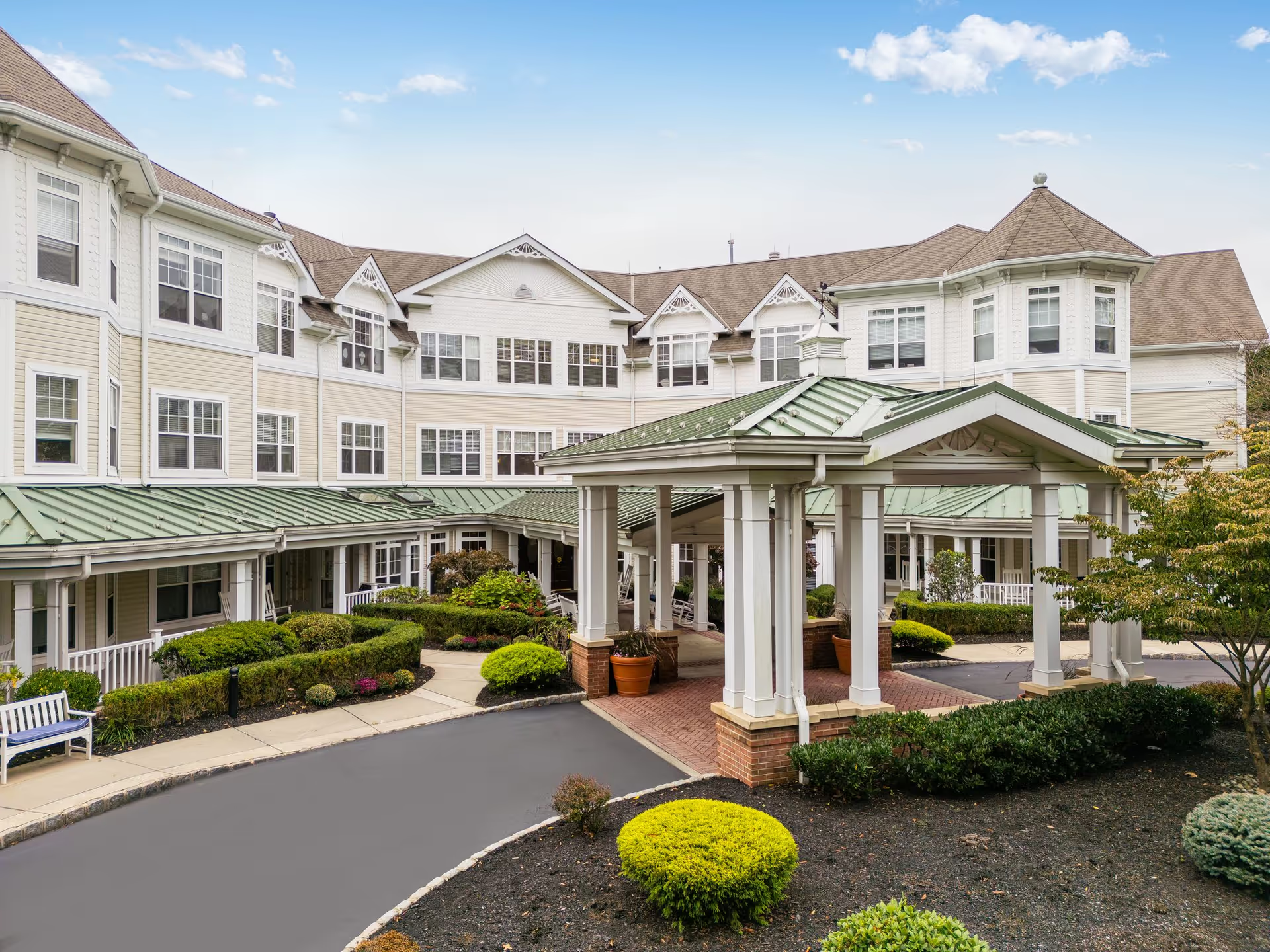
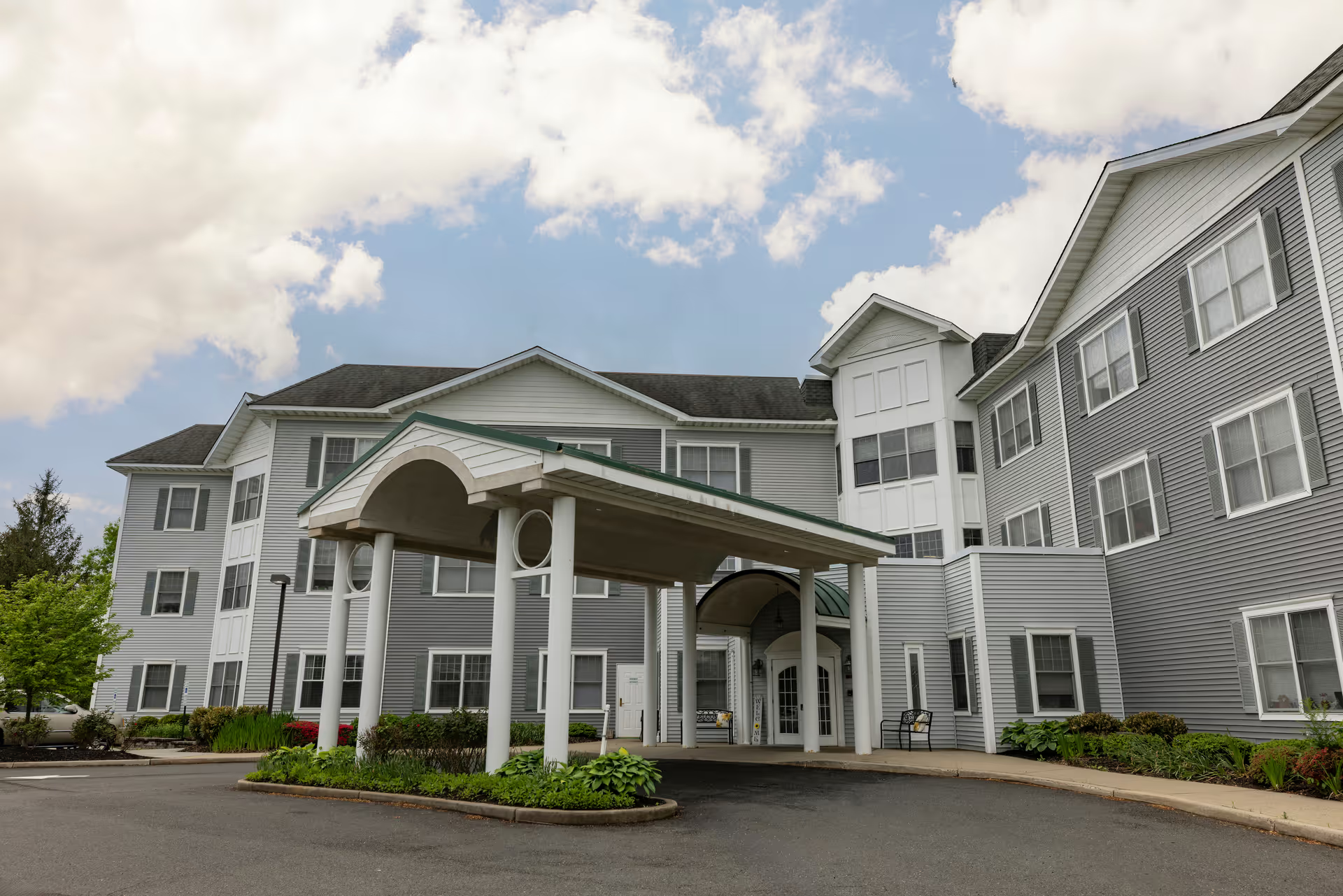
Overall impression: Anchor Care and Rehabilitation Center is frequently praised for its clinical rehabilitation capabilities and for having a largely compassionate, patient-focused staff. Many families highlight strong physical and occupational therapy programs, with documented functional improvements and successful discharges. Housekeeping, grounds maintenance, and visible renovation efforts contribute to a generally clean and well-kept campus that many describe as homelike and welcoming.
Care and staff: Nursing, therapy, and direct-care teams receive abundant positive comments for professionalism, patience, and individualized attention. Reviewers often name individual staff who went beyond expectations, and social-work and hospice personnel are cited for providing emotional support to families during difficult transitions. At the same time, a pattern of concerns appears in a subset of feedback: inconsistent staff accountability, variable responsiveness (including overnight or urgent needs), and at least some allegations of misconduct or unsafe care. These indicate potential gaps in supervision, follow-through, and clinical oversight that prospective families should probe during a tour.
Dining and activities: Dining receives mixed but generally favorable remarks—many families describe meals as tasty and sufficient, while other accounts suggest meal quality may vary between stays. Activity programming is a clear strength: daily offerings, arts-and-crafts, bingo, entertainers, and faith-based or social groups are regularly noted and contribute to a sense of community and engagement.
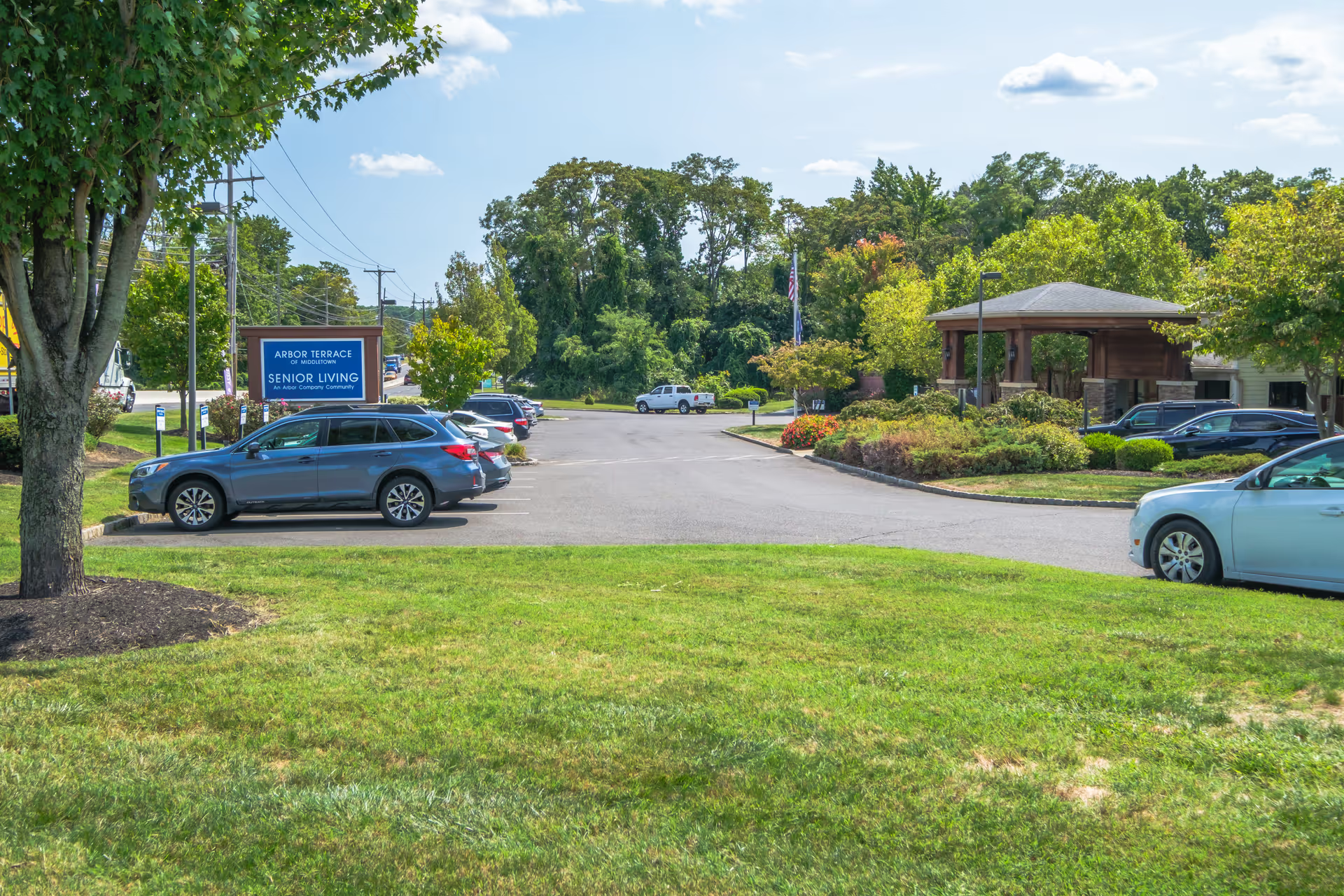
Facilities and amenities: The facility is frequently described as clean, attractive, and undergoing updates in public areas; there are comfortable meeting and lounge rooms and secure entry features. Conversely, some operational limitations recur: resident rooms are sometimes characterized as small, guest seating and common-area capacity can be limited, and parking/access constraints have been noted. There are also isolated sanitation and odor concerns reported in certain areas that warrant attention despite the overall positive cleanliness ratings.
Management and communication: Several reviewers commend an open-door approach, straightforward communication about clinical issues, and proactive admissions and discharge handling. However, other accounts point to variable communication responsiveness and personal-property management lapses (lost or mishandled items). These mixed signals suggest that management responsiveness may differ by shift or by issue type, so families should ask about escalation processes, property controls, and staffing patterns when evaluating the facility.
Recommendation guidance: Prospective residents and families will find strong rehabilitation resources, attentive clinicians, and an active social program here, along with generally high marks for housekeeping and front-desk hospitality. At the same time, it is prudent to investigate operational weaknesses noted above—ask about staffing ratios, overnight response protocols, medication and property controls, and how sanitation or safety concerns are documented and remediated. Combining a walk-through with direct questions about these topics will help determine whether the facility’s strengths align with a particular resident’s clinical and personal needs.