Spring Grove Rehabilitation and Healthcare Center elicits strongly polarized impressions from families and residents. Many accounts praise the facility's clinical rehabilitation strengths, nursing compassion, and engaging programming; other accounts cite operational weaknesses that affected safety, responsiveness, and family trust. Prospective families should weigh the facility's robust therapy and activity offerings against recurring reports of staffing and communication gaps.
Care quality and clinical services are a clear strength for many residents. Physical and occupational therapy teams receive frequent commendation for effective, recovery-focused work, and several families described measurable mobility improvements. Nursing staff and particular clinicians (including named unit leaders and administrators) are often characterized as attentive and caring. On-site medical services, timely medication administration, and hospice availability were also noted positively. However, the quality of day-to-day personal care is inconsistent: reviewers raised concerns about delayed assistance with bathing and toileting, interruptions or omissions of scheduled therapy (notably on weekends), and episodes suggestive of gaps in clinical oversight. There are isolated but serious individual allegations regarding adverse incidents and post-event handling; families should request specifics about incident reporting and outcomes when evaluating placement.
Staffing and responsiveness are a recurrent theme. Many families described strong, compassionate daytime teams — therapists, nurses, and activity staff — while also reporting insufficient coverage on nights and weekends, longer waits for call-bell response, and variable competency among aides. These staffing patterns were linked in reviews to delays in basic care, longer waits for bathroom assistance, and perceived lapses in supervision that can raise safety risks for residents with mobility or cognitive impairments.
Dining and activities are generally regarded as positive features. The kitchen and dining service receive frequent praise for flavorful meals and variety; life-enrichment programming is described as lively and personalized, with regular events, holiday activities, and individual engagement. A minority of reviewers found meal nutrition inconsistent or felt portioning could be improved. Activity staff and recreation leadership are repeatedly cited as contributing to a home-like, social atmosphere.
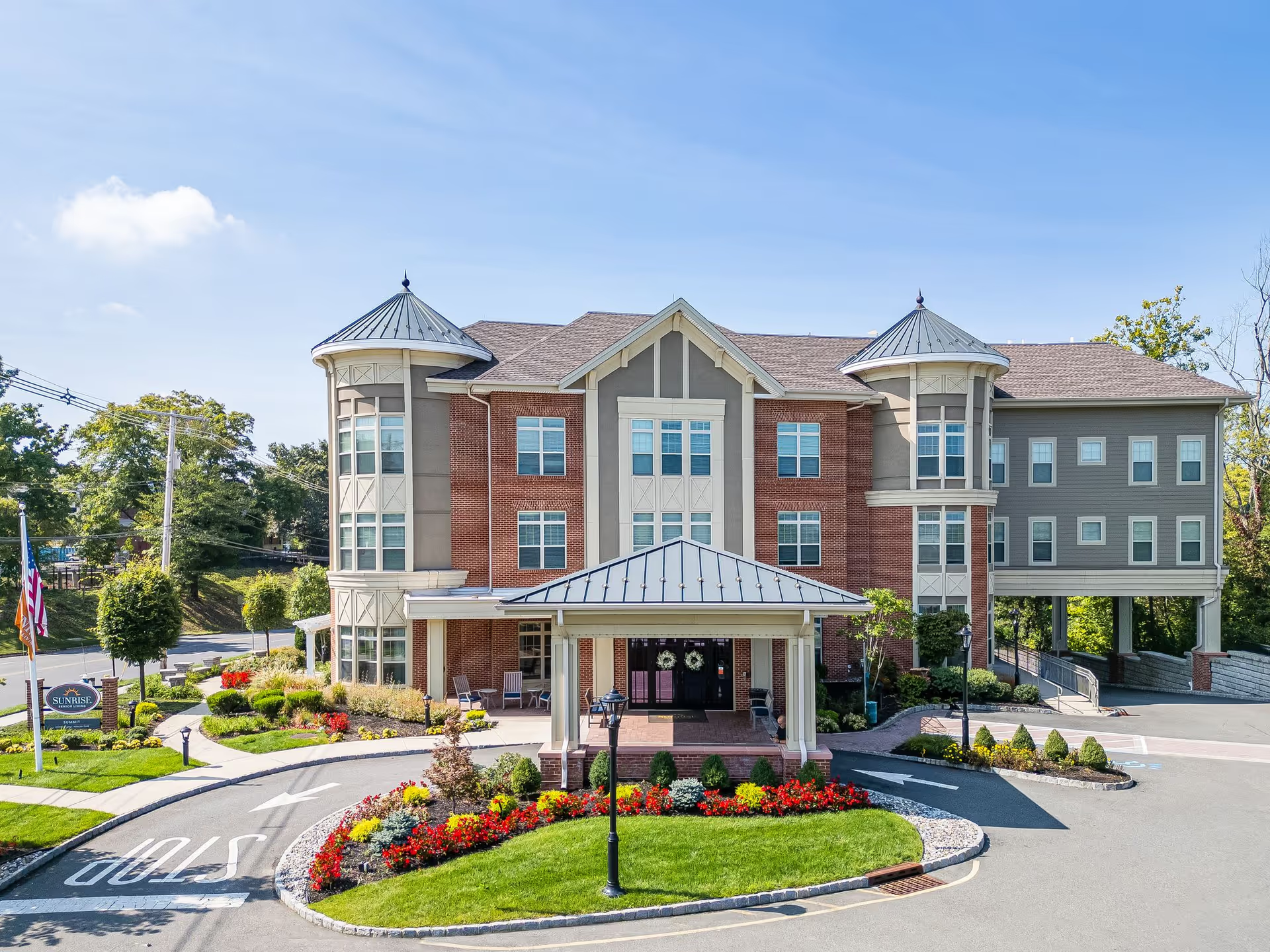
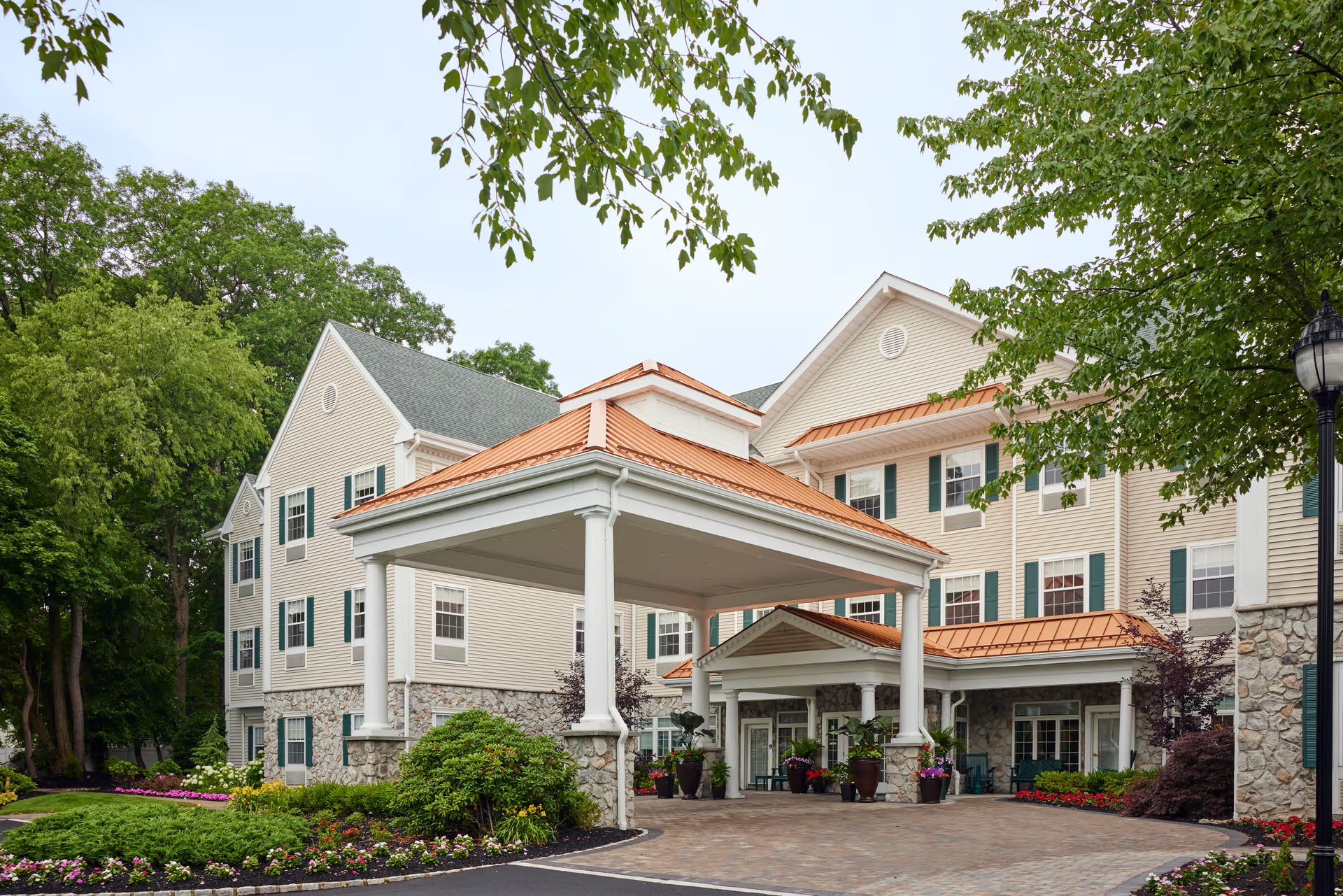
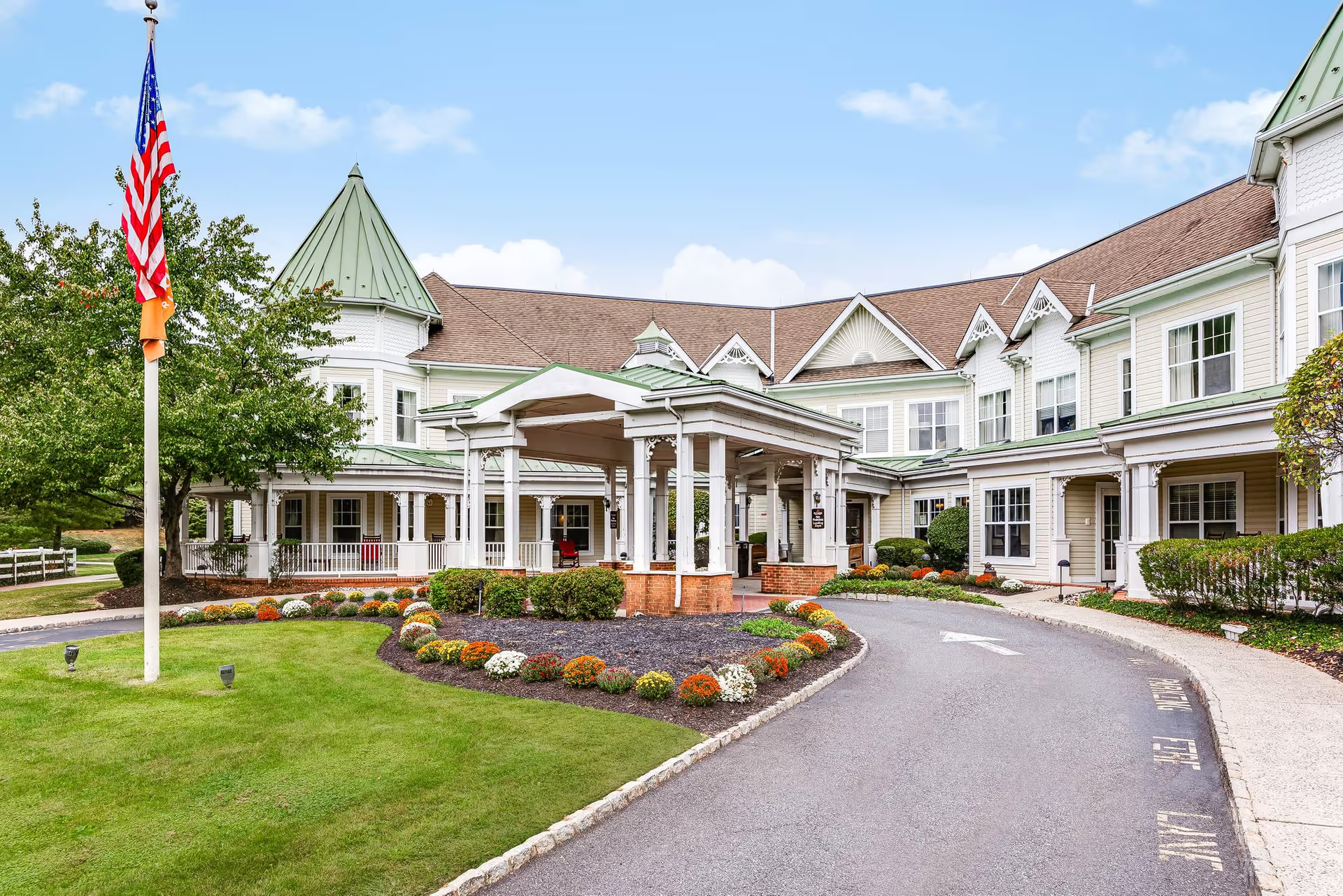
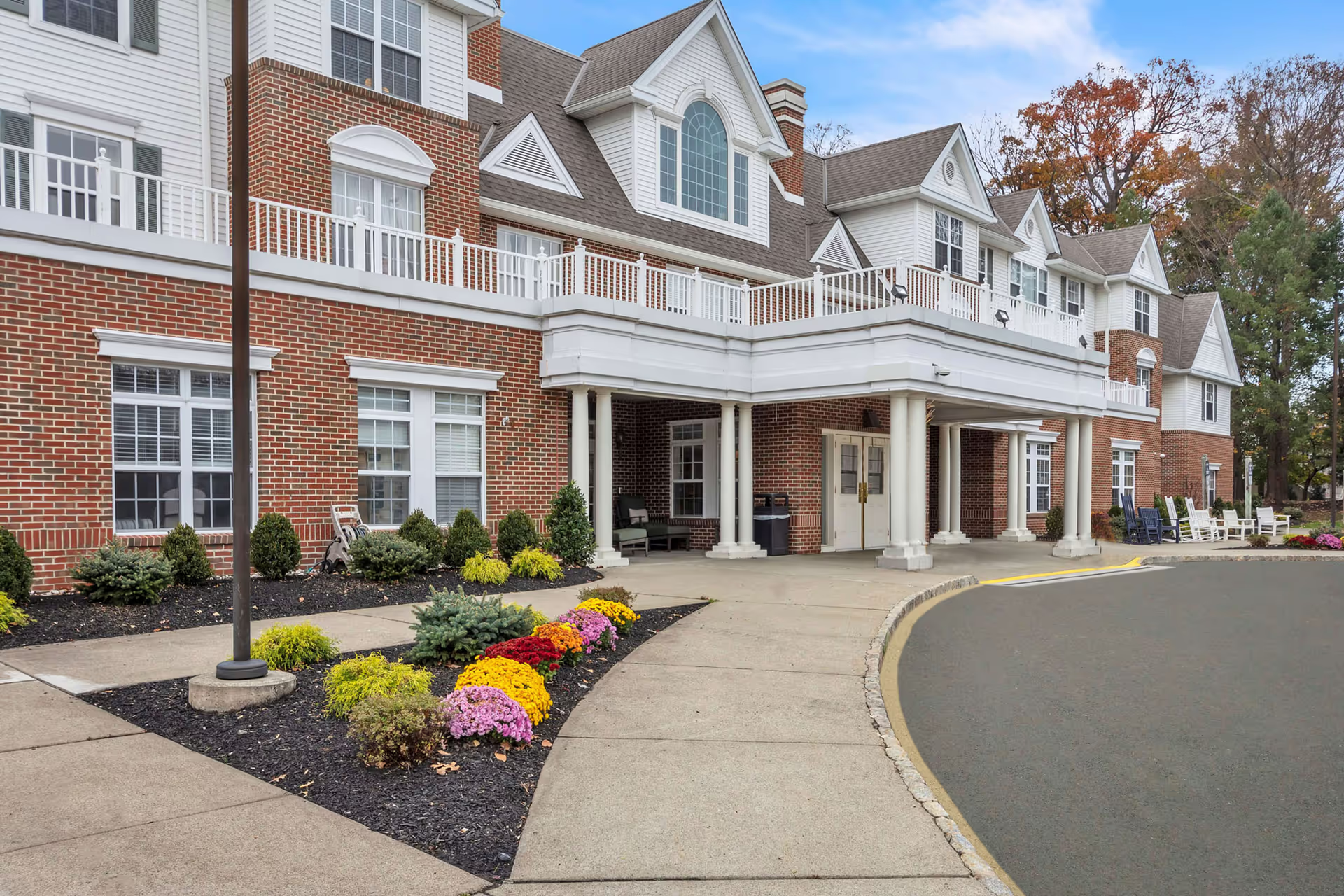
Facilities and amenities are another mixed area. The campus, patio and landscaping, and many public spaces are described as clean, bright, and well maintained, with onsite laundry and a salon adding convenience. At the same time, some families reported inconsistency at the room level — cluttered closets, nonfunctional TVs, or rooms noted as needing deeper housekeeping attention. Renovation work is ongoing in parts of the building, which some reviewers saw as a positive sign of investment.
Management and communication show both strengths and shortcomings. Several reviewers praised accessible administrators who responded quickly to concerns and demonstrated proactive leadership. Conversely, other families described poor communication, nontransparent decision-making, and uneven accountability when problems arose. Specific operational issues called out include coordination delays for medical transport, loss of personal items, and instances where families felt pressure around financial or consent decisions during admission. Given these mixed experiences, families should ask about current management structure, escalation procedures, and policies for safeguarding residents' property and consent processes.
Notable patterns to consider when evaluating Spring Grove include: variability in staffing coverage by shift and day of week, inconsistent responsiveness to call bells, strong therapy coupled with occasional missed sessions, and mixed reports on room-level housekeeping and personal-item security. For a balanced assessment, visitors should tour during different shifts, inquire about staffing ratios and weekend therapy availability, review incident-reporting procedures, and ask for references from recent families who had similar acuity needs (rehab, memory care, or long-term care). These steps can help align expectations with the facility's demonstrated strengths and address the operational gaps reflected in the reviews.