The reviews for Advanced Subacute Rehabilitation Center at Sewell present a polarized picture: many families and residents praise the facility's rehabilitation strengths and compassionate frontline staff, while other accounts raise substantive operational concerns. Recurrent strengths include a strong rehab orientation, skilled physical and occupational therapy teams, a well-equipped gym, and a number of nurses and aides who receive high marks for responsiveness, personalized attention, and emotional support. Several reviewers described positive discharge outcomes and a family-like atmosphere supported by activities and social events.
Care and staff performance show a broad range. Positive comments emphasize attentive nursing, engaged therapists, and staff members who go beyond basic duties to support residents and families. At the same time, a number of reviews describe inconsistent staff conduct, delayed responses to call lights, and periods of understaffing that impact timeliness of basic care. There are also recurring concerns about medication administration and documentation practices; a small number of reviews raise serious procedural concerns, including allegations of unauthorized medication changes and documentation irregularities. Additionally, there are allegations of theft and property loss that families should consider when evaluating risk management and property protocols.
Dining and activities receive mixed feedback. Many reviewers appreciate the activity schedule, community events, and social programming that contribute to resident engagement. However, meal quality is a frequent area of dissatisfaction: comments range from bland or poorly seasoned entrees to occasional tray errors and difficulties with diet adherence. Families considering the facility should inquire about menu options, therapeutic diets, and how meal issues are escalated and resolved.
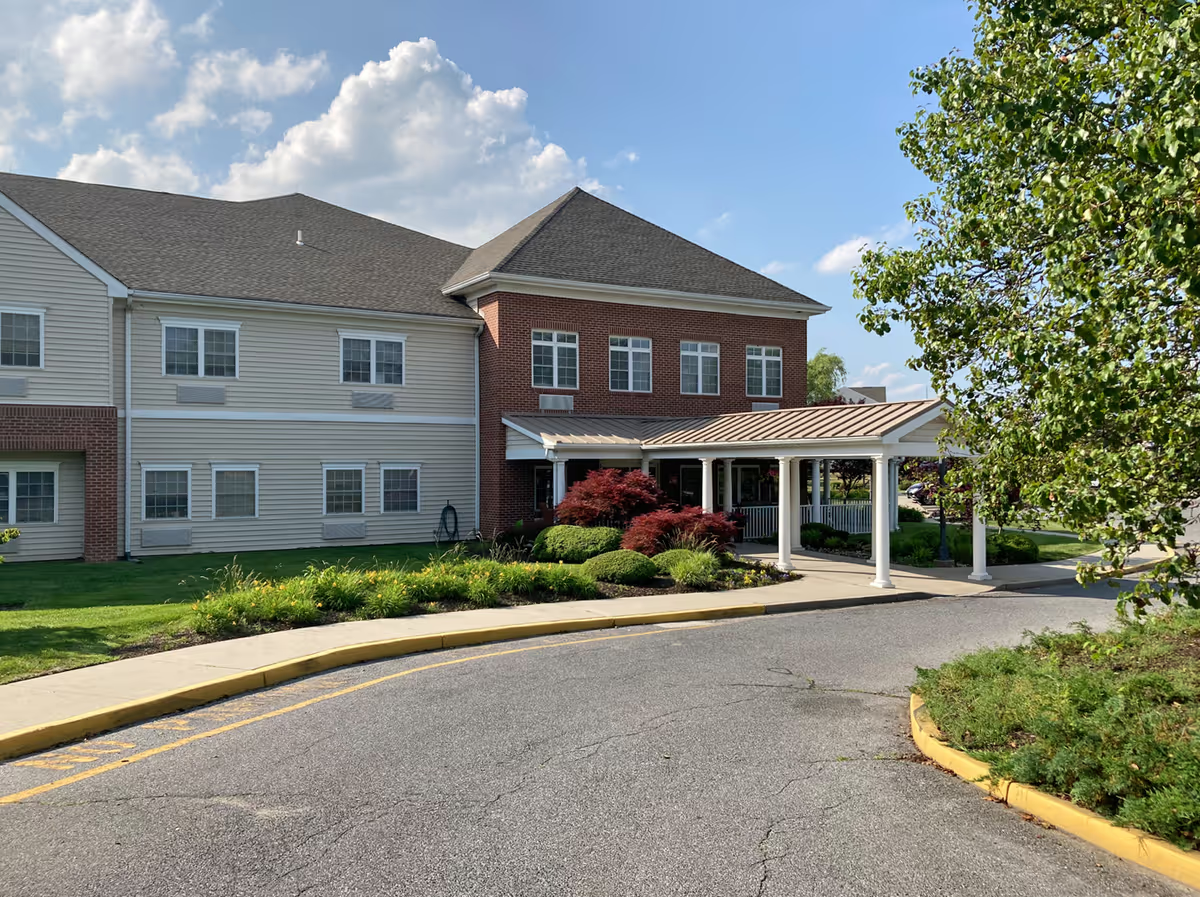
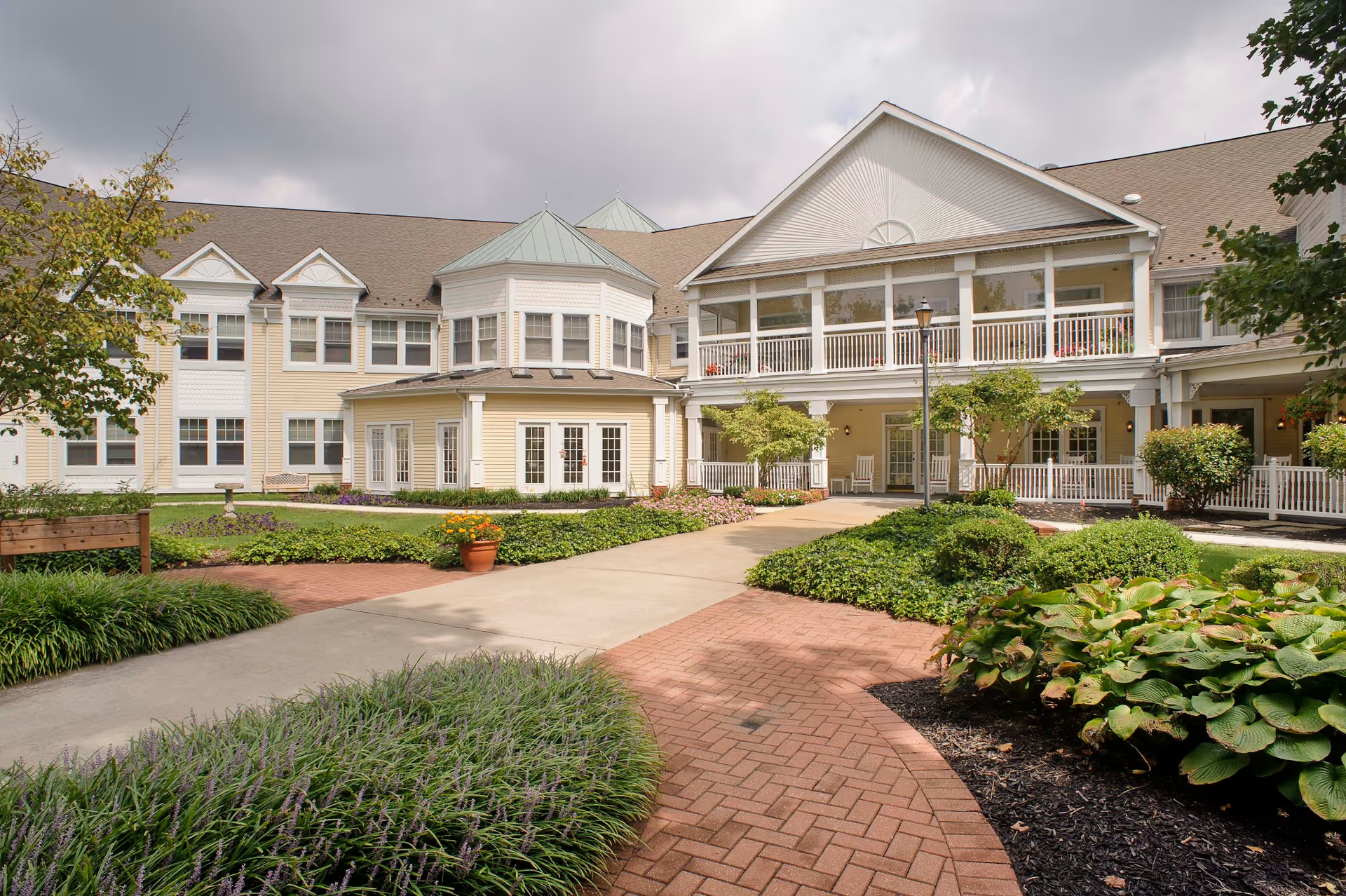
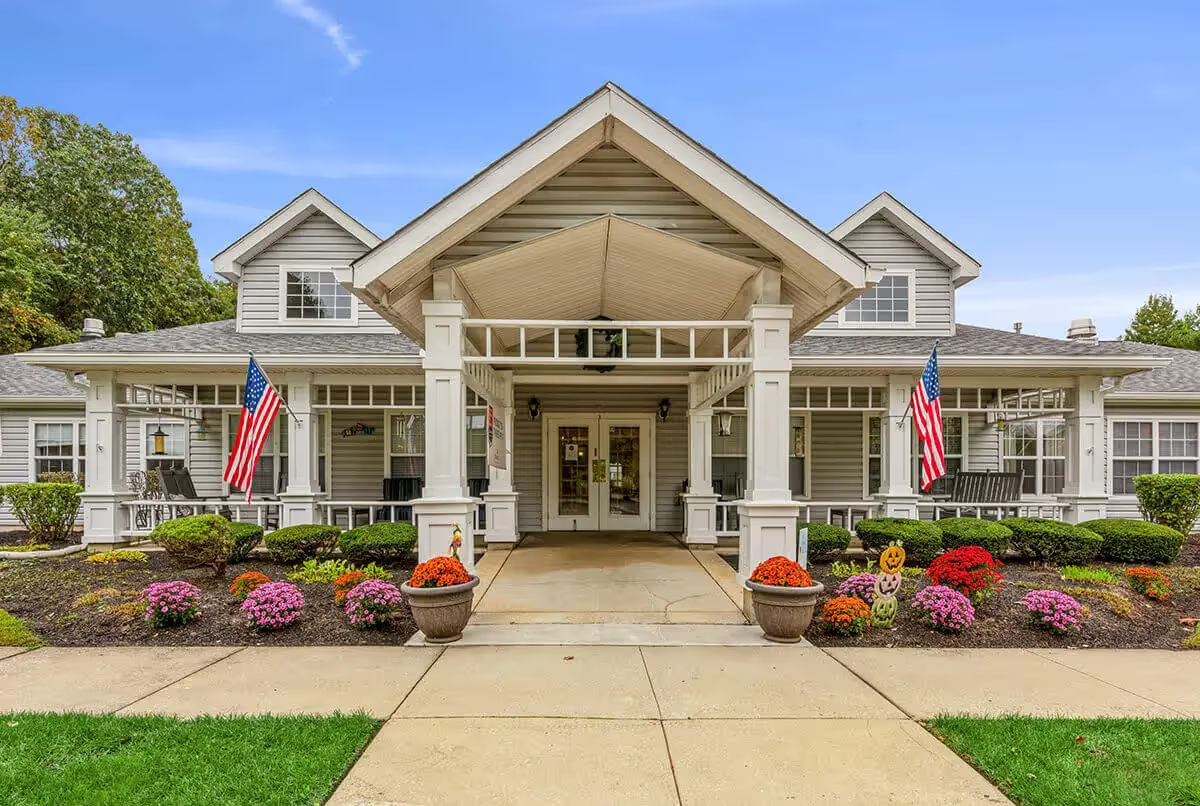
Facility condition and housekeeping also vary by unit. Several reviewers describe clean, renovated wings and well-maintained common areas, while others report sanitation concerns, odor issues, and pest-control problems in specific parts of the building. Bathing schedules and incontinence-care practices appear inconsistent across units, with some families noting delayed showers and lapses in routine care. These patterns point to uneven implementation of housekeeping and personal-care protocols.
Management and communication show similar divergence. Many families found admissions, finance, and some administrative staff helpful and responsive, with timely updates and effective problem resolution. Conversely, other accounts describe poor communication, slow incident follow-up, and defensive or unhelpful responses from leadership. The presence of both responsive management reports and complaints about follow-through suggests variability in how concerns are addressed and escalated.
Notable patterns for prospective residents and families: the facility demonstrates clear strengths in rehabilitation and in the performance of many individual caregivers, but there is inconsistency across units and shifts in operational areas such as sanitation, staffing, medication processes, and property security. When evaluating this facility, visitors should tour the specific unit under consideration, ask about staffing levels by shift, review medication-administration and incident-reporting policies, inquire about pest-control and housekeeping schedules, confirm bathing and toileting routines, discuss dietary accommodations, and request information on property-loss procedures and how management handles complaints. Those steps can help families weigh the facility's rehabilitation strengths against the operational variability reflected in the reviews.