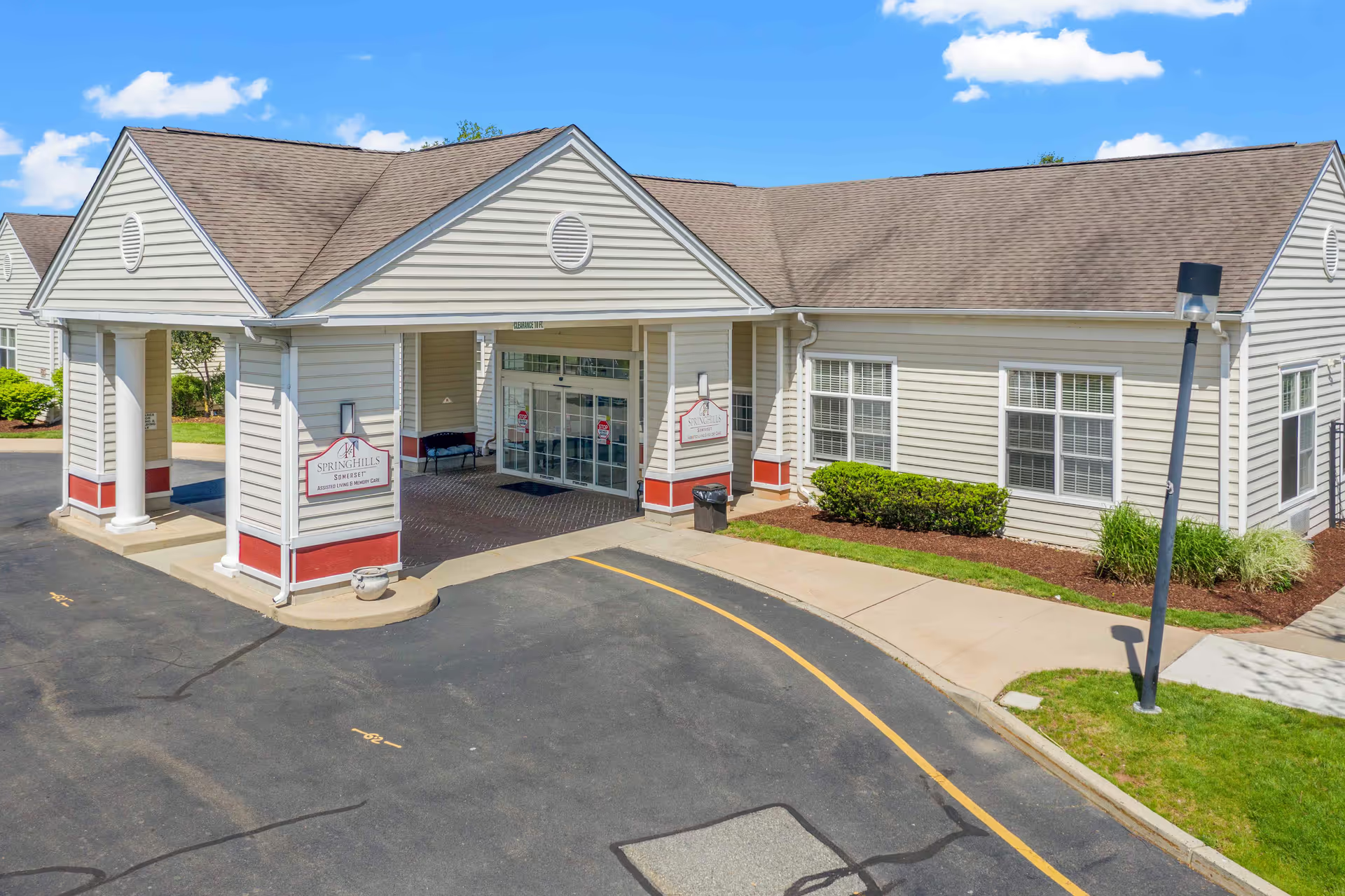
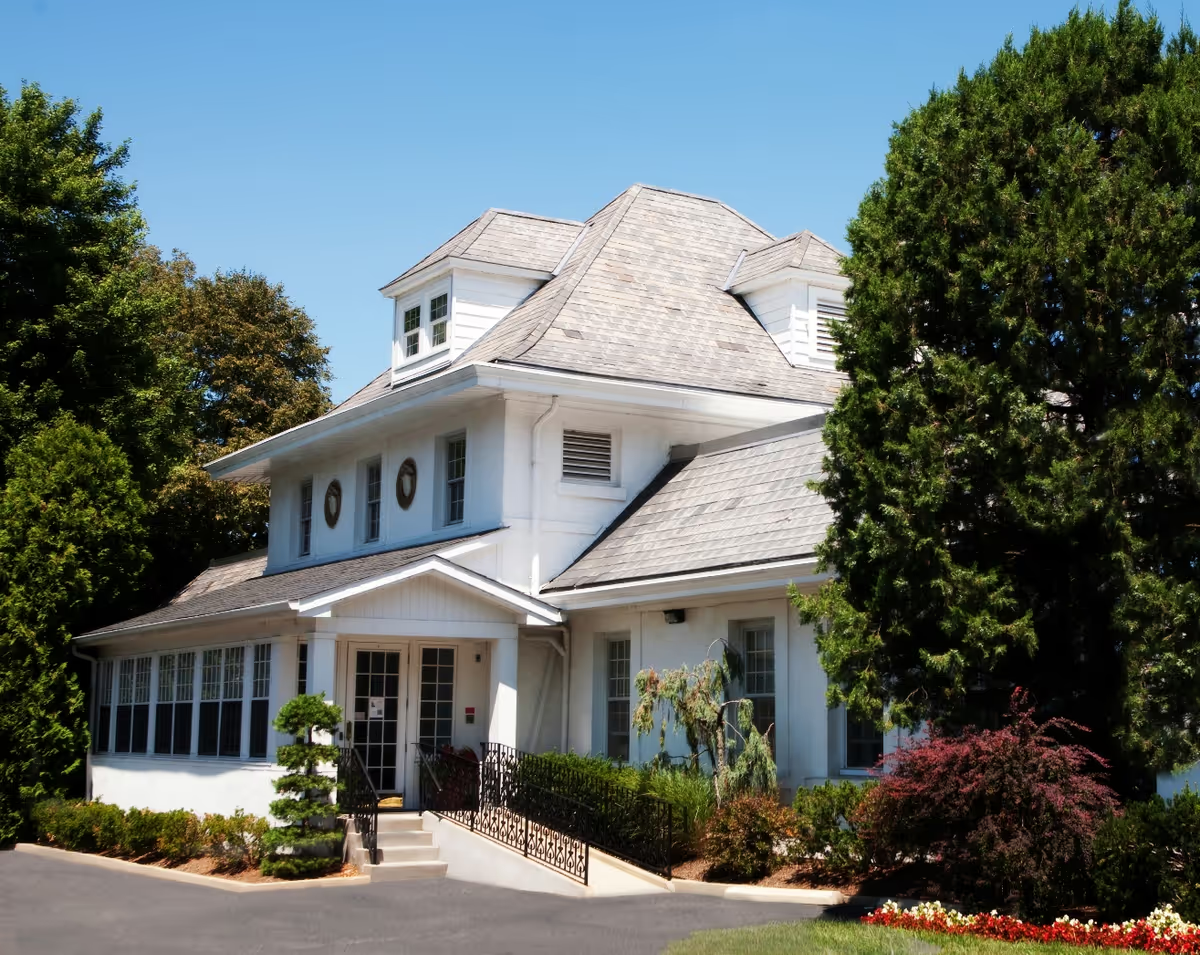
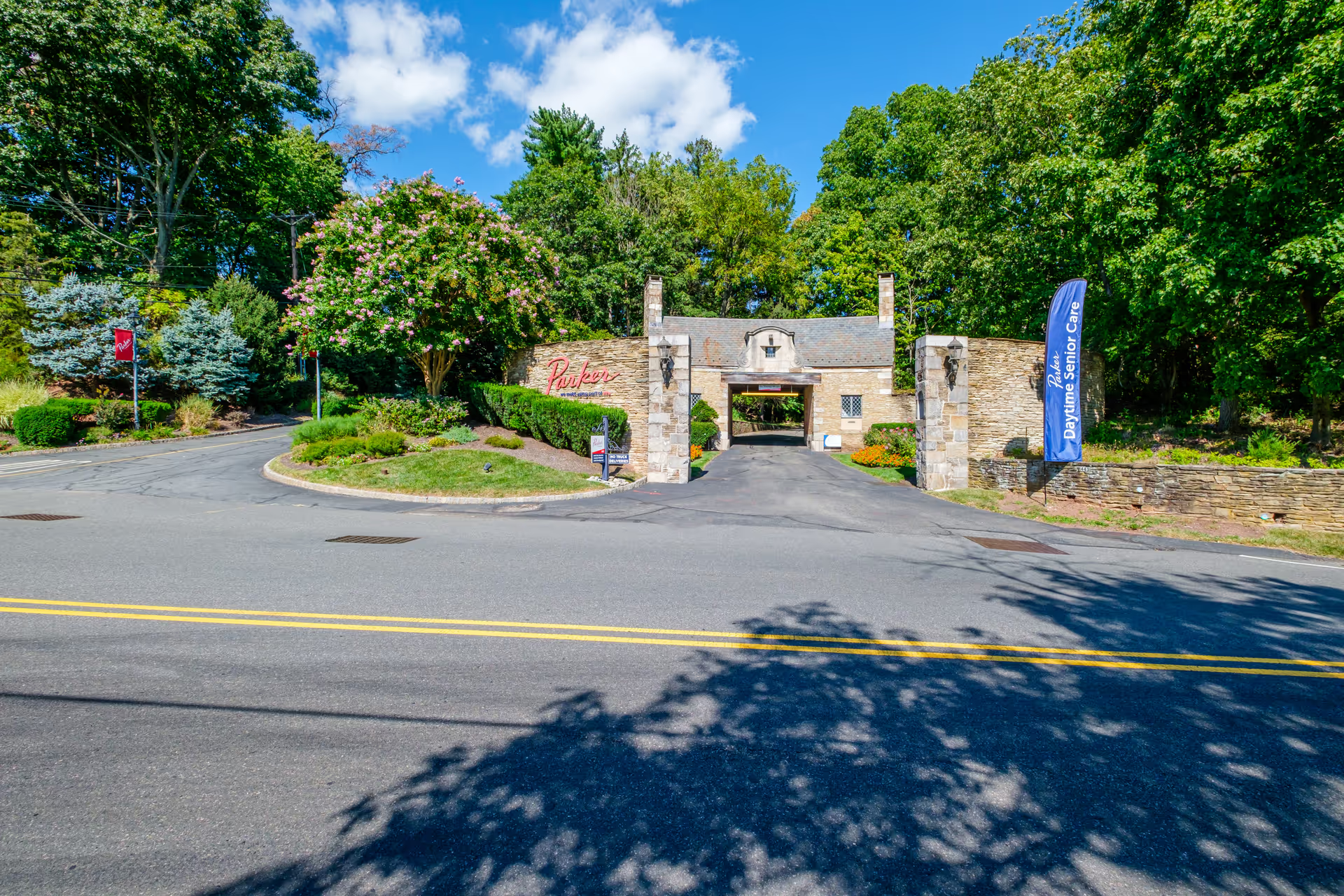
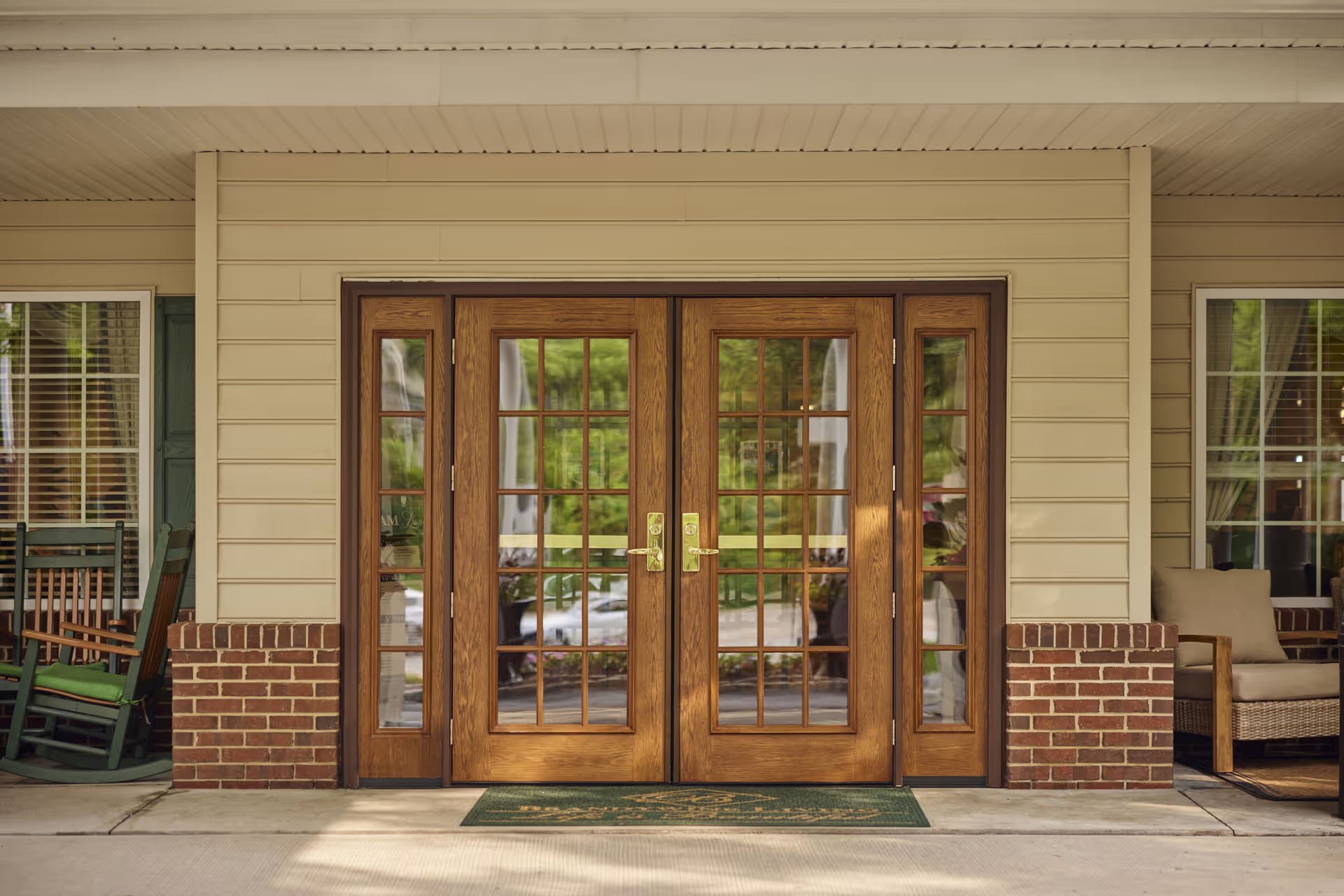
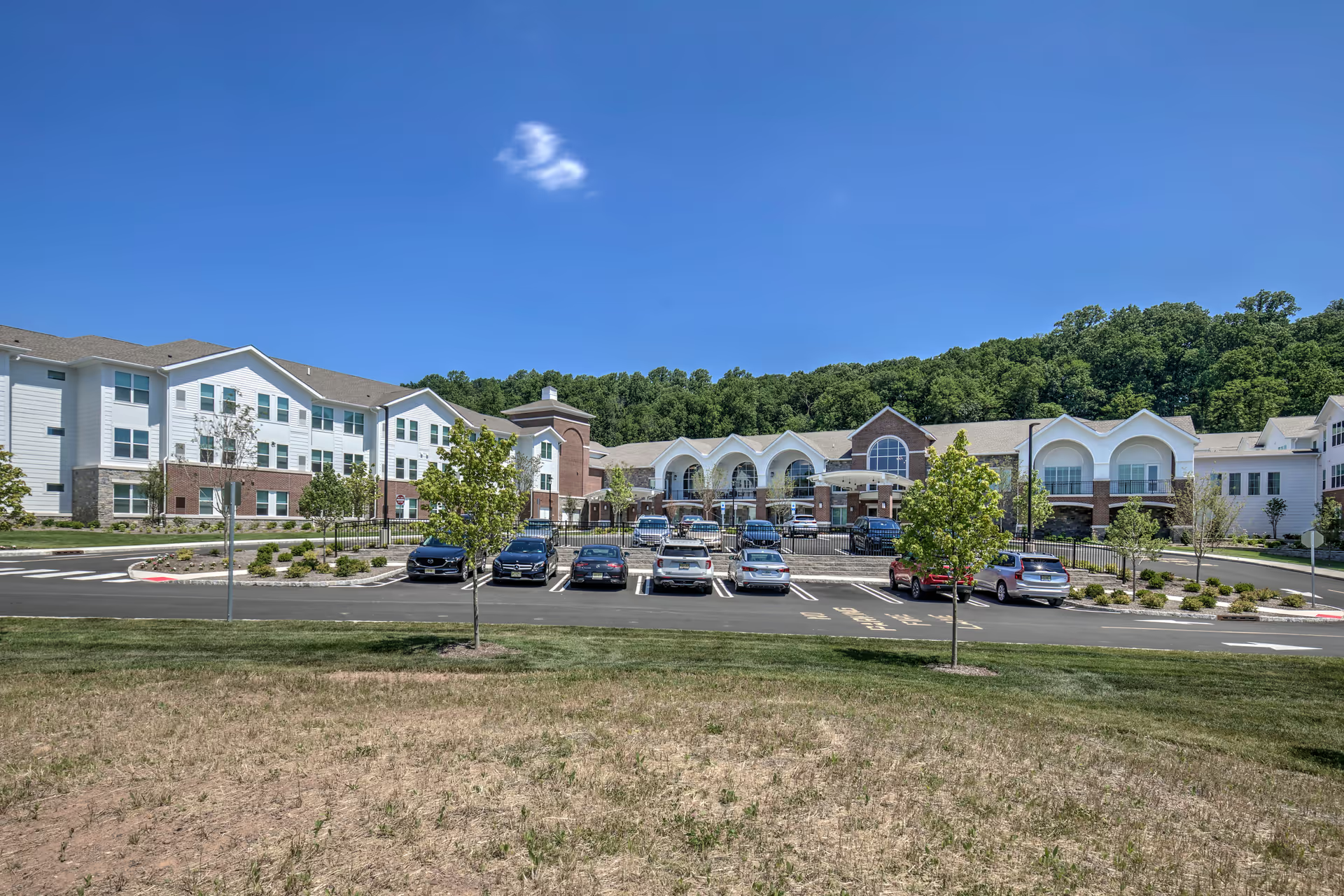
Overall impression: Reviews describe Parker at Somerset as a modern, well‑maintained senior care campus with a strong clinical and rehabilitative focus. Many families praise the nursing and therapy teams for attentive, compassionate care, individualized therapy plans, and effective wound care. The facility’s physical environment — described as bright, clean, and hotel‑like — plus private rooms and en suite baths contribute to a comforting setting for short‑term rehabilitation and long‑term stays.
Care and staff: Clinical strengths are a recurring theme. Reviewers highlight proactive nursing presence, close PT/OT involvement, and personalized rehab plans that support recovery. Staff are frequently described as compassionate and family‑oriented, with dementia‑aware practices and a welcoming attitude toward relatives. At the same time, comments indicate variability in staff performance: there are occasional lapses in preparation for therapy and handoff procedures, and some families reported delayed assistance when staffing was thin. These operational weaknesses appear uneven rather than universal, but they are important to clarify with the facility during a tour.
Dining and activities: The social aspects of dining and scheduled activities receive positive remarks. Communal meals are valued for their social interaction, and the activity program — including music, cognitive exercises, frequent events, and outdoor time — is viewed as engaging. Some reviewers noted that meal quality and nutritional variety could be improved, so prospective residents should ask about menu options and therapeutic diets. Additional conveniences such as laundry service and complimentary basic personal‑product amenities were appreciated.
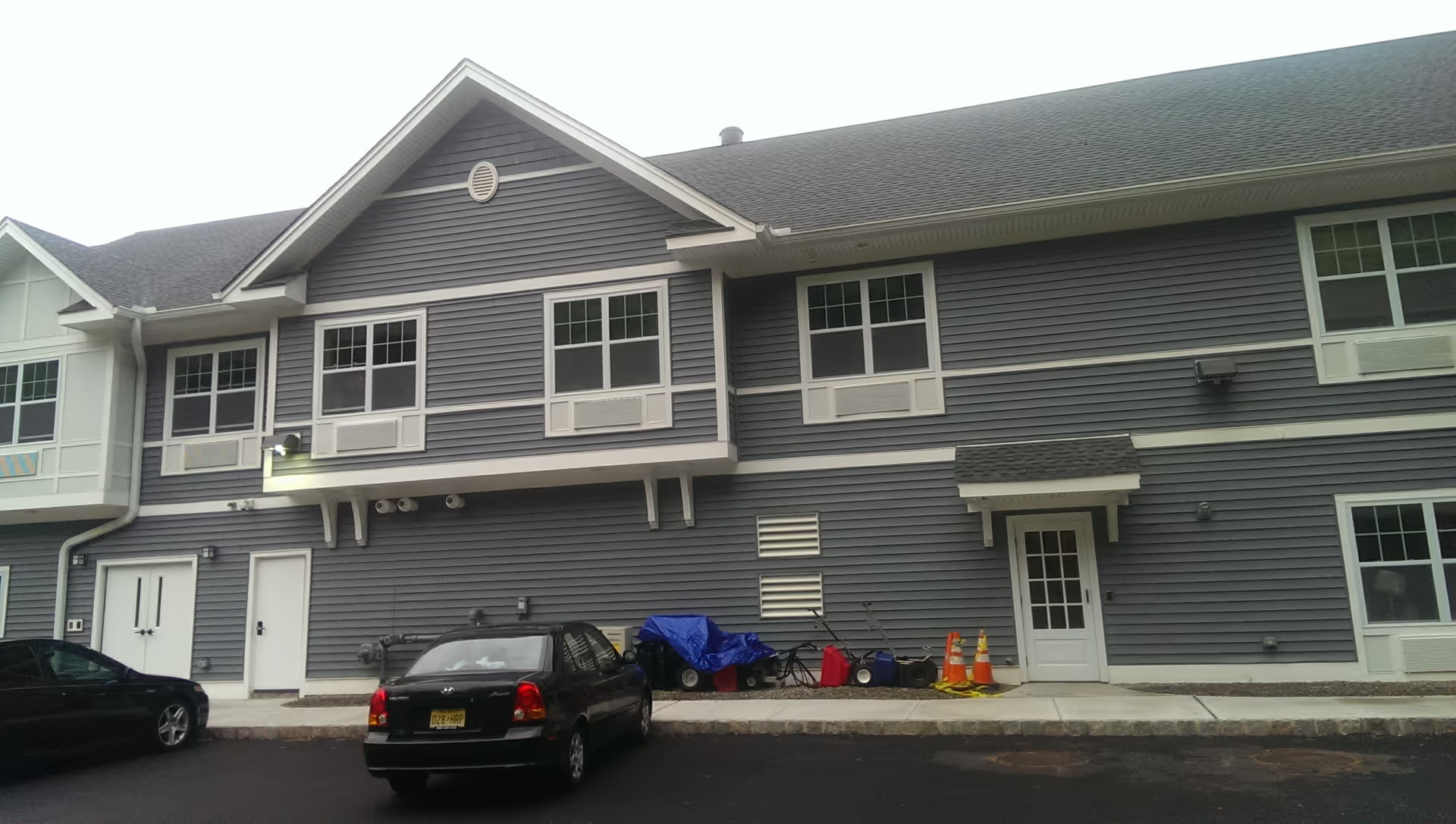
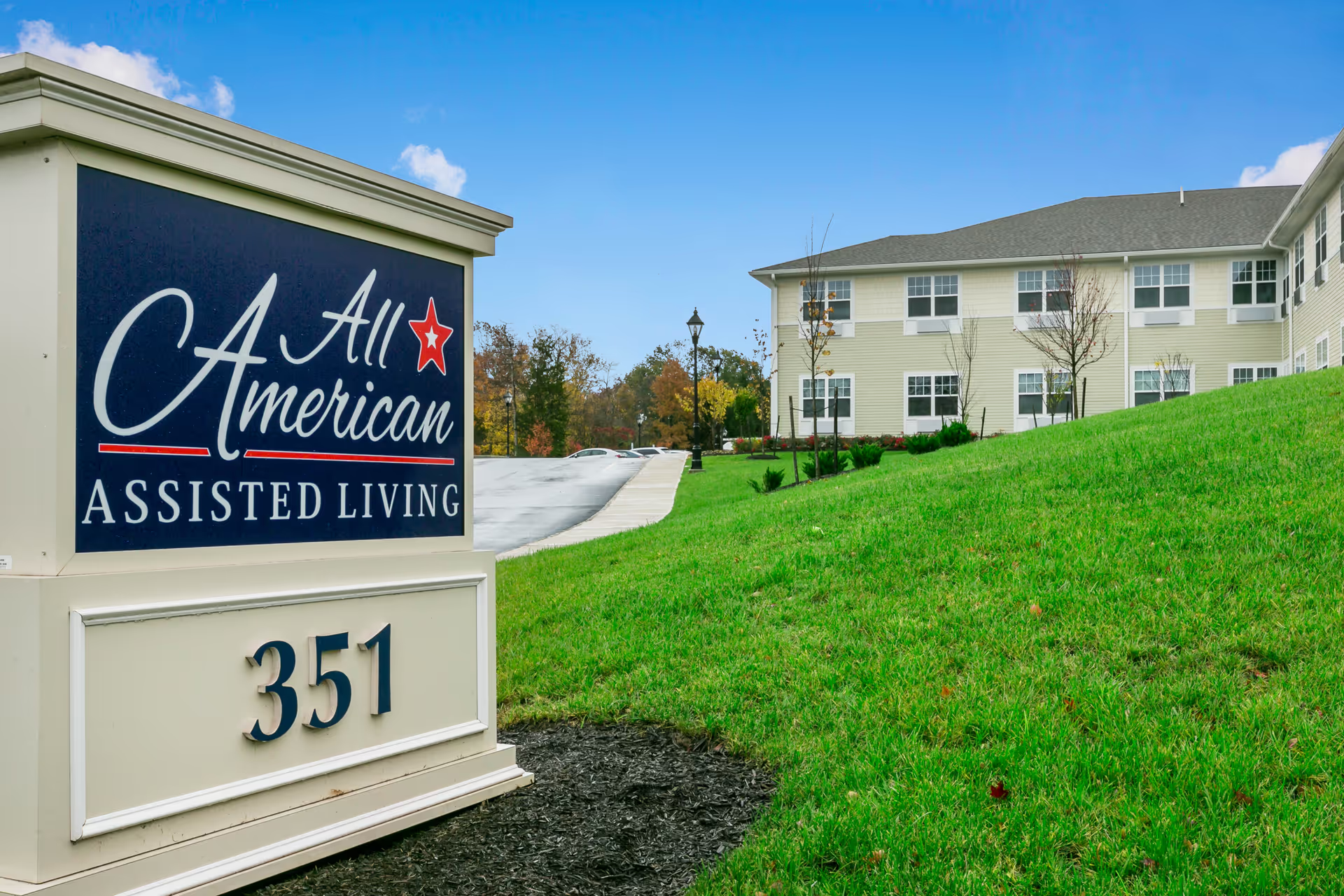
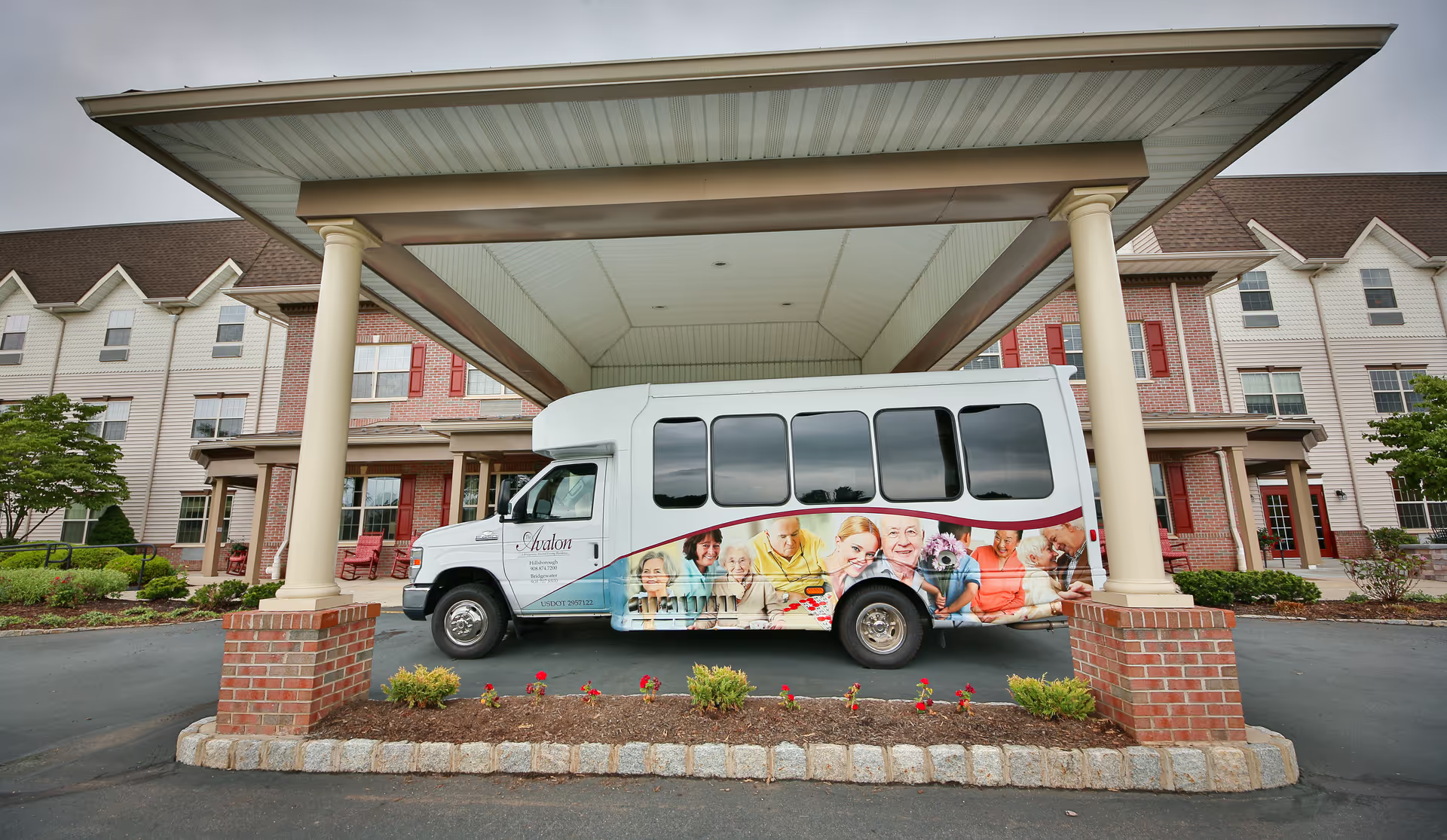
Facilities and management: The physical plant and amenities are consistently praised: modern design, safety‑focused layout, pleasant common areas, and attractive outdoor spaces. Management and several administrative staff earn positive mentions for empathy and customer service, though there are recurrent concerns about front‑desk responsiveness and admissions follow‑up. Communication gaps — including infrequent resident updates and unreliable phone or inquiry response — were commonly cited as operational areas needing attention.
Notable patterns and guidance for families: The dominant pattern is one of strong clinical and rehabilitative capability paired with excellent housekeeping and an active program of activities. Operational weaknesses center on staffing consistency, communication and admissions responsiveness, and occasional inconsistencies in meal quality or care preparation. Families considering Parker at Somerset should prioritize a visit focused on current staffing ratios, communication protocols (including how and when families receive updates), meal/nutrition planning, and procedures for therapy preparation and handoffs. For residents needing robust therapy and a bright, family‑oriented environment, the facility appears well suited; for those whose top priorities are uninterrupted one‑to‑one assistance or instant admissions communication, these operational issues are worth probing further.