Reviews for this facility present a mixed picture characterized by clear strengths in direct caregiving and rehabilitation, alongside persistent facility and operational concerns. Many families and residents describe a compassionate, attentive direct-care workforce — CNAs, aides, and therapists are frequently singled out for kindness, patience, and effectiveness. The physical and occupational therapy program is a recurring strength, with multiple accounts of measurable mobility improvement and successful rehabilitative outcomes. Several reviewers also praised a warm, family-oriented atmosphere, respite-care availability, and on-site ancillary services and activities that complement therapy.
At the same time, reviewers describe variability in baseline clinical responsiveness and environmental upkeep. Positive accounts of prompt call-bell response and well-staffed shifts coexist with reports of delayed attention and inconsistent care timing. These operational inconsistencies extend to clinical escalation: a subset of reviews raised serious concerns about transfer protocols and communication during acute events, and some families experienced insufficient coordination when higher-level care was needed. These issues appear tied to broader administrative challenges — communication with families and interdepartmental coordination are described as uneven.
Dining and activities receive largely favorable mentions, with many residents noting good meals and therapy-integrated activities. However, complaints about occasional poor food preparation and lukewarm service appear in a number of accounts, indicating variability in kitchen performance or meal delivery processes. The therapy program’s engagement and activity schedule are strengths, but reviewers also note limitations in available therapy space, which can constrain group sizing and equipment placement.
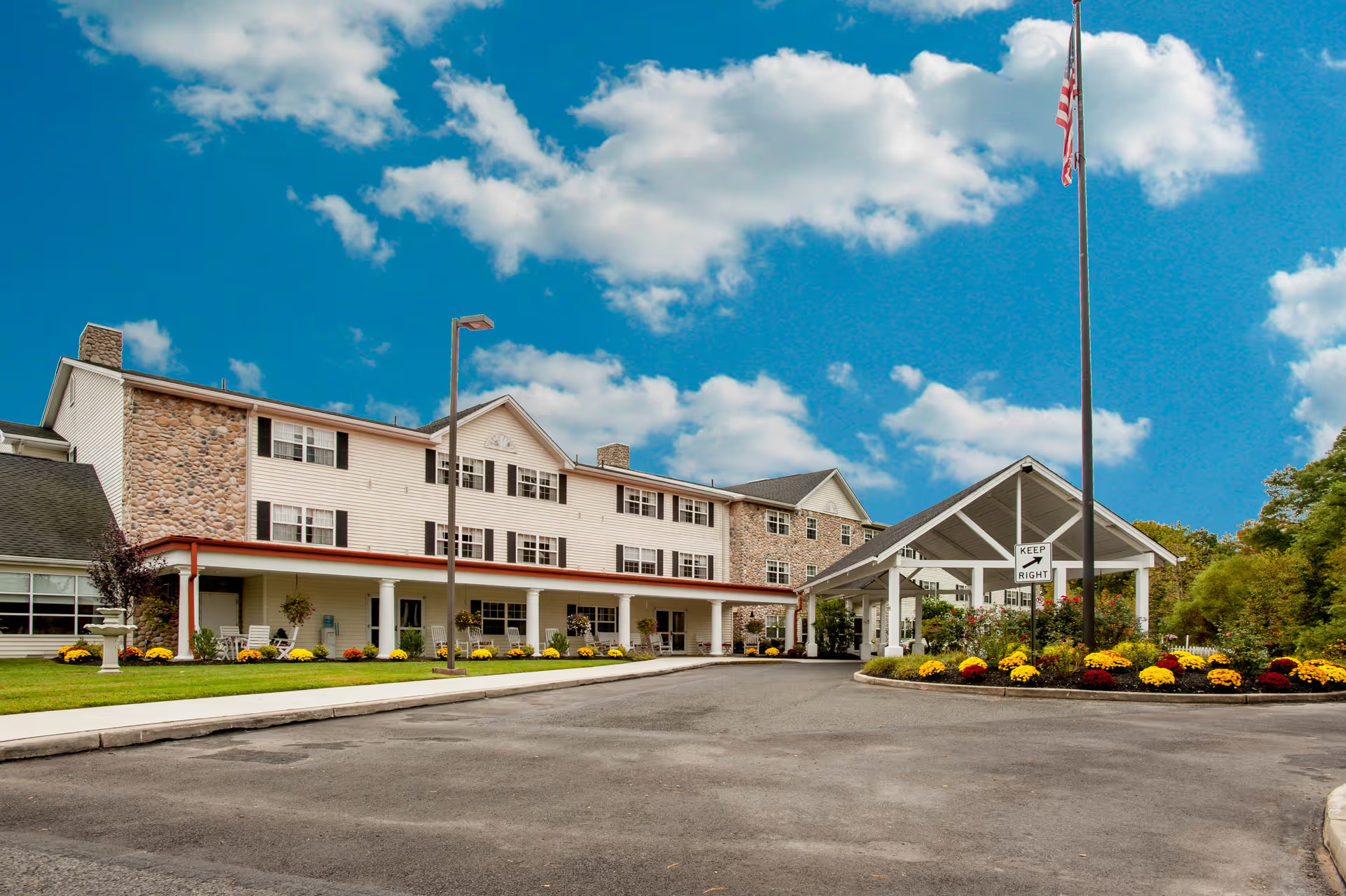
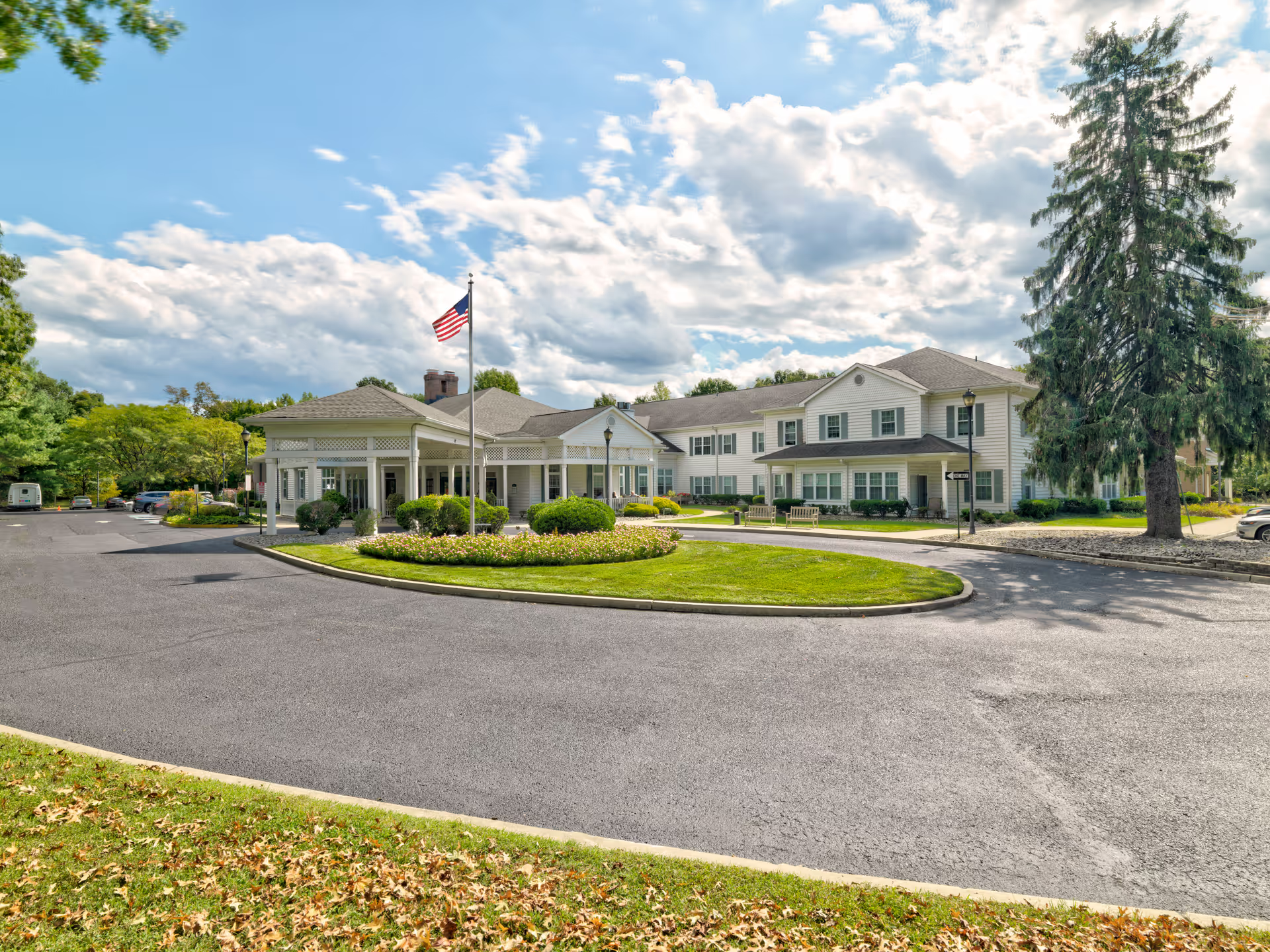
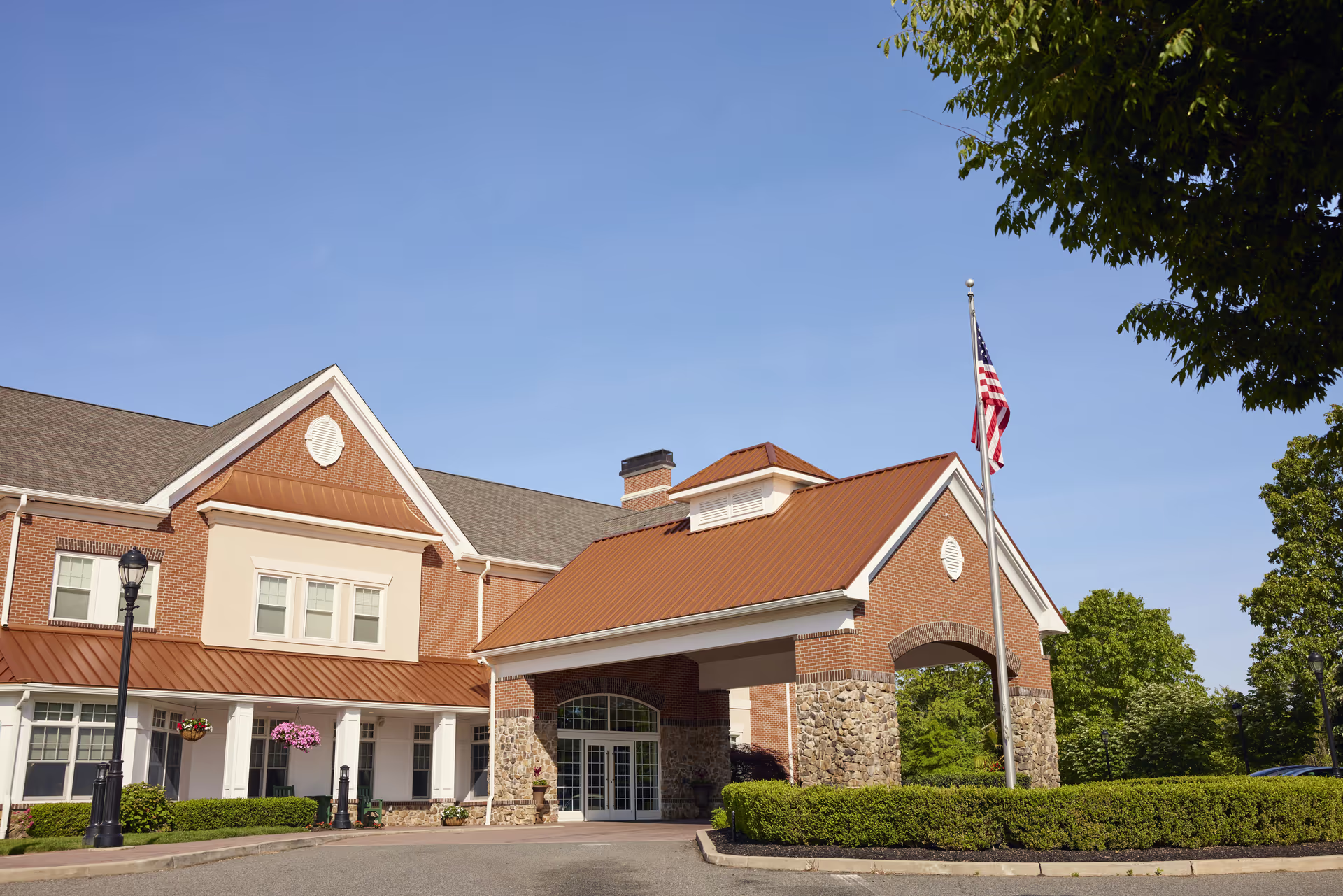
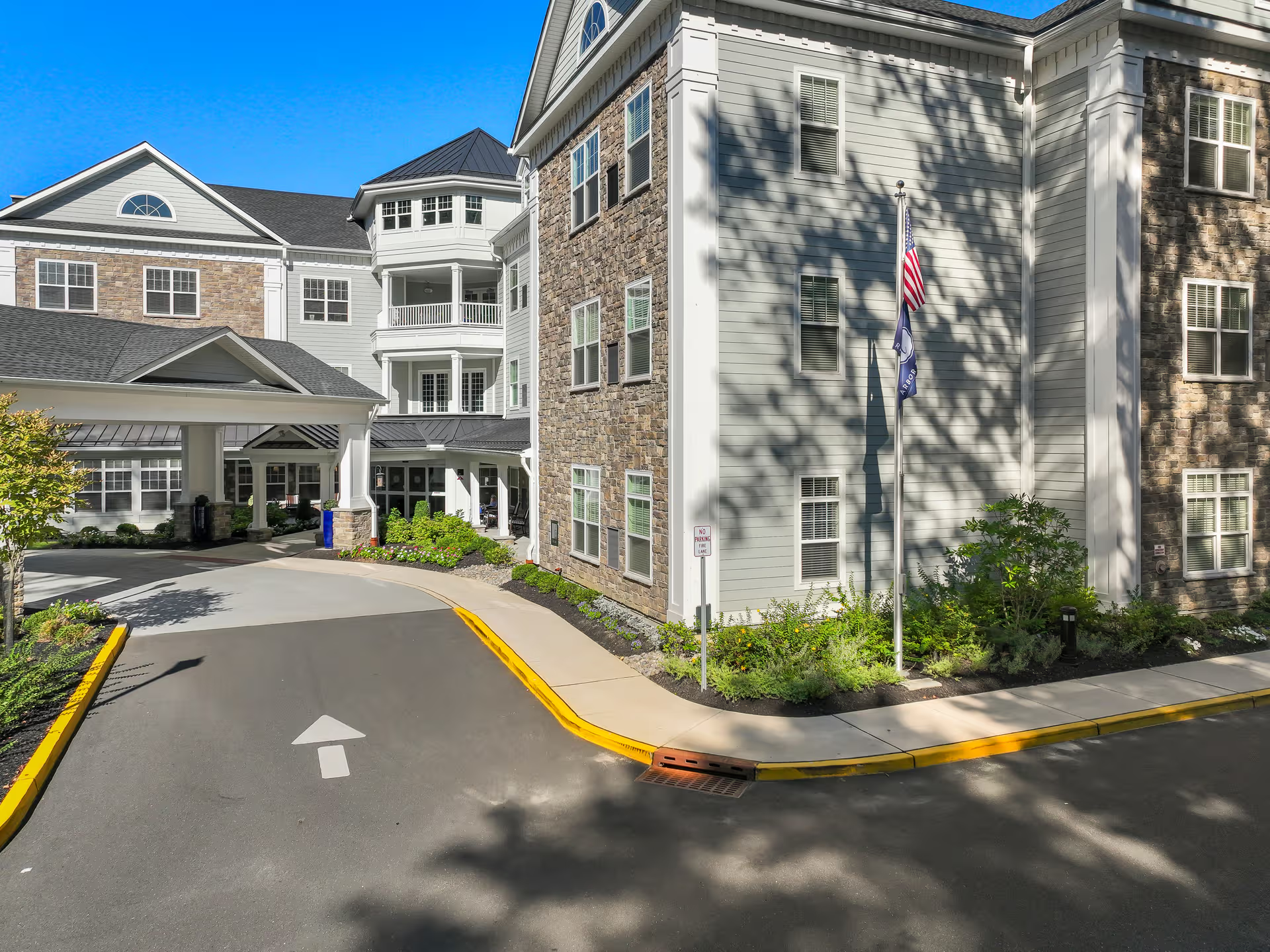
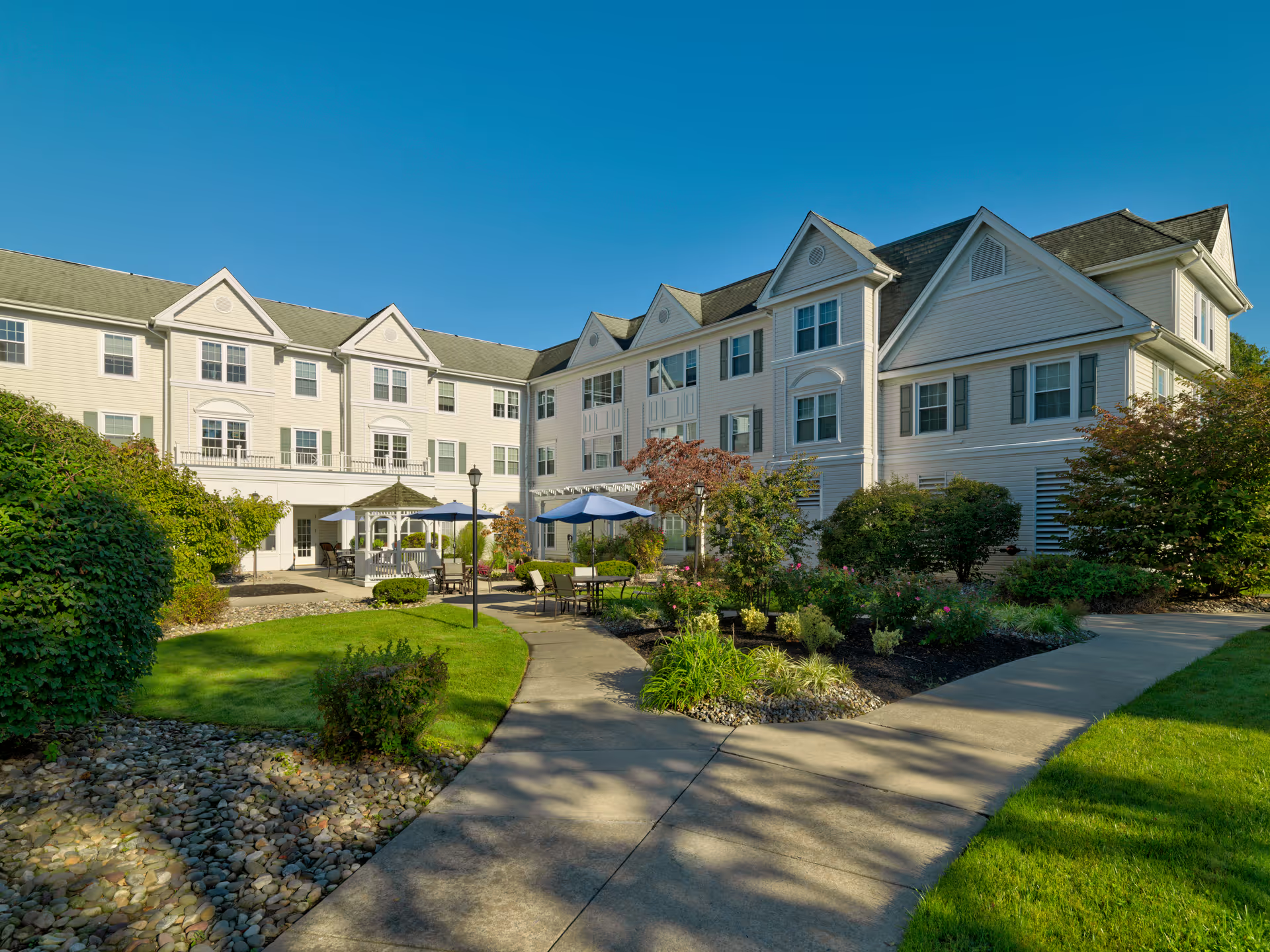
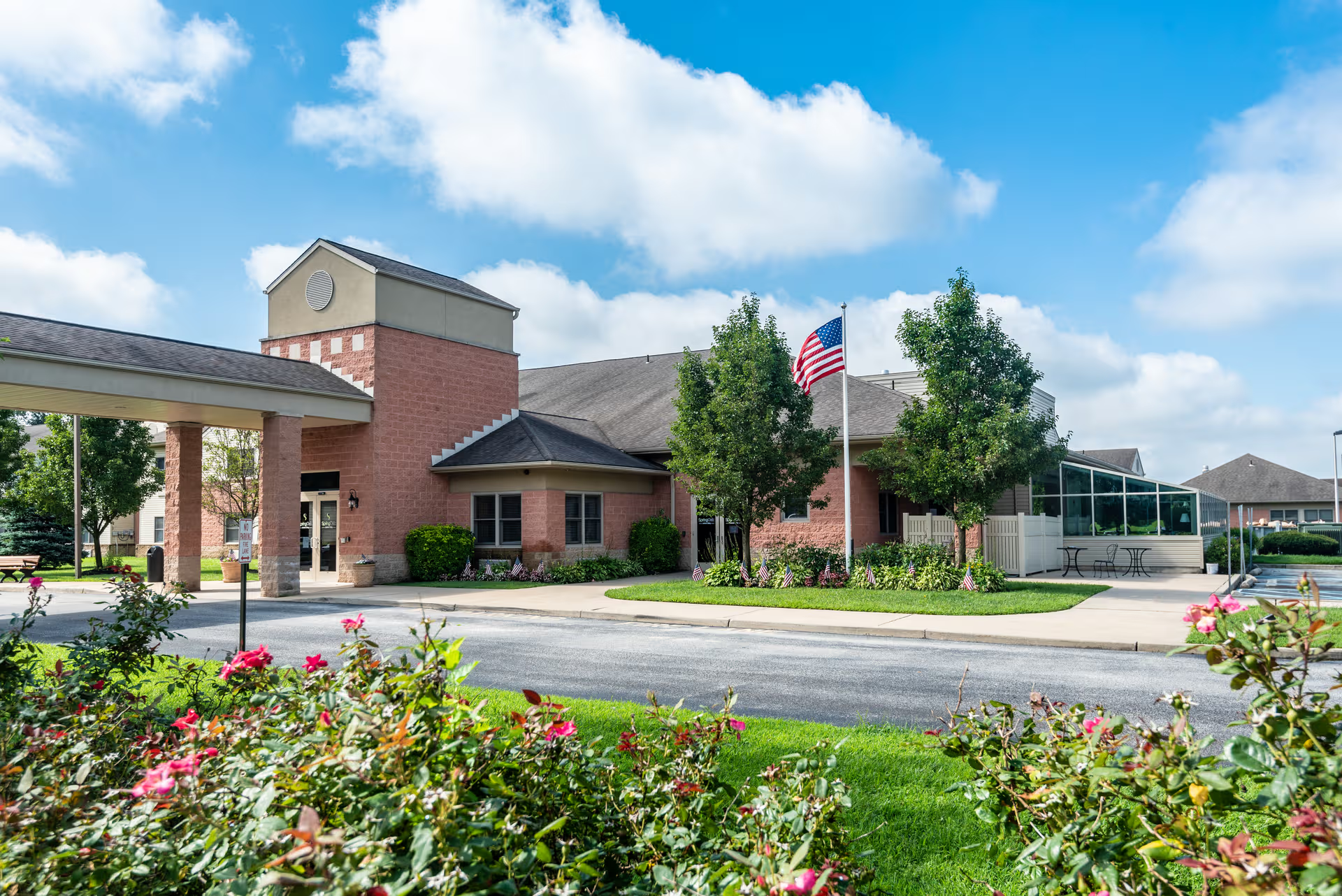
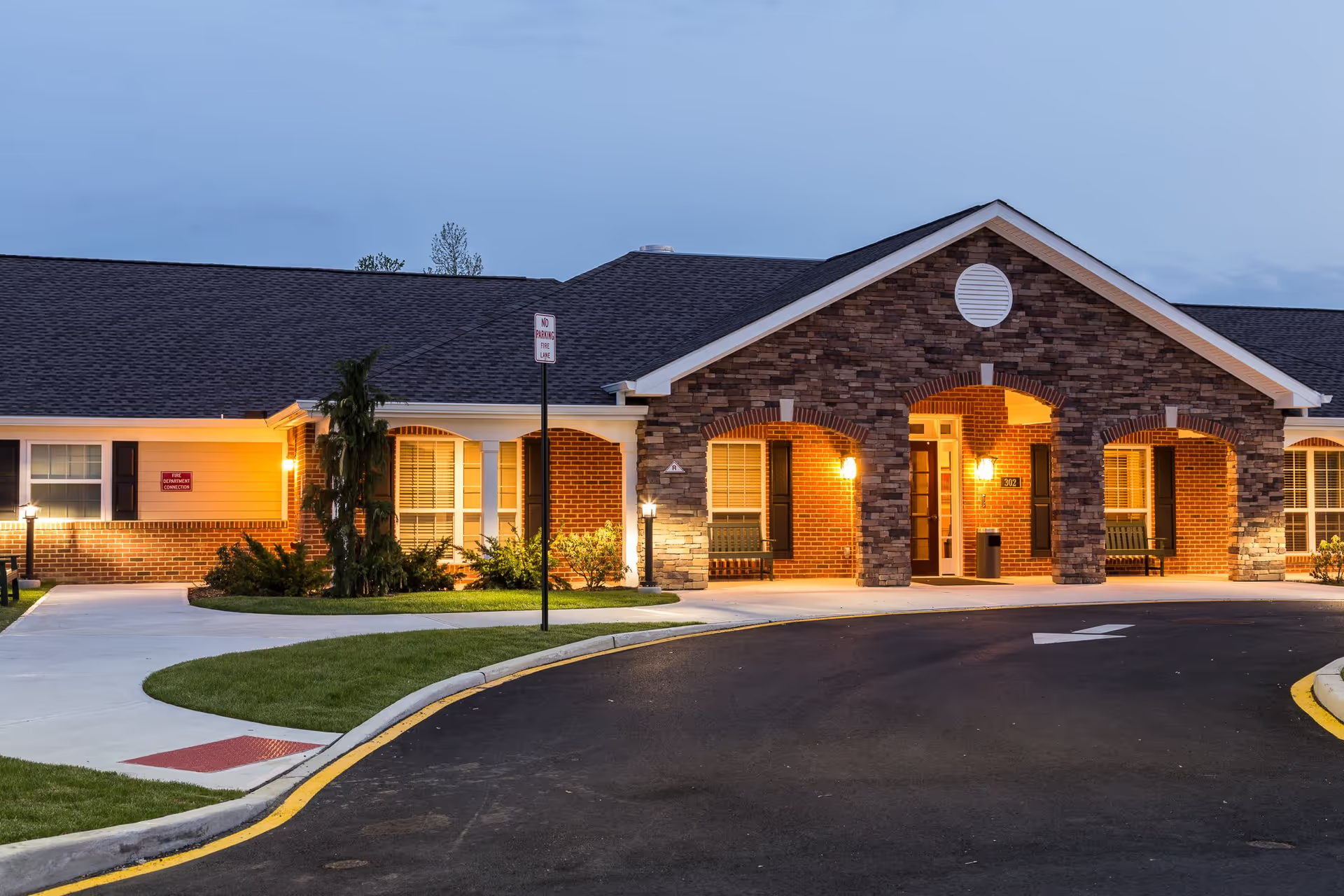
Facility condition is a recurrent theme. Several reviewers describe a worn, older building with deferred renovations; others complimented cleanliness in specific areas, indicating uneven maintenance across units. Specific infrastructure limitations include small rehab rooms and shared rooms with multiple occupants that reduce privacy. Sanitation concerns are most often cited around bathrooms and nursing stations rather than uniformly across the facility, suggesting localized cleaning or resource-allocation issues.
Management impressions are mixed: some families praise responsive leadership and right-fit care coordination, whereas others describe weak administrative follow-through, issues with personal-belongings management, and limited accountability when problems arise. A few reviews raised severe concerns following a resident’s serious clinical decline; these accounts emphasize the importance of clarifying escalation policies and documentation during a tour.
For prospective residents and families, the dominant pattern is one of strong direct-care and rehabilitation capability tempered by facility-age and operational variability. Recommended due diligence includes touring rooms (including shared accommodations), observing meal service, asking about cleaning schedules and staffing patterns across shifts, reviewing transfer and escalation protocols, confirming how personal belongings are documented and returned, and requesting the facility's renovation timeline if the physical condition is a concern. These targeted questions can help determine whether the facility’s strengths align with an individual’s clinical and quality-of-life priorities.