Experiences at this facility vary considerably. Positive accounts describe kind, attentive staff and a coordinated approach to rehabilitation, with patients making gains in mobility, strength, and independence. Other accounts describe gaps in basic assistance, clinical follow-through, and care coordination. Concerns recur around delayed responses to call bells, staffing capacity, and differences between day, night, and weekend service. Families of patients who need substantial help with mobility, toileting, eating, or communication may want to ask in advance how those needs will be covered on each shift.
Rehabilitation is a notable strength in many favorable accounts. Patients and families praise physical and occupational therapy, and some also describe helpful speech therapy and individualized treatment plans. However, other stays involved shorter or less frequent sessions than expected, missed therapy days, or limited weekend availability. Prospective residents may wish to confirm the anticipated therapy schedule, how progress will be measured, and how the plan will be adjusted if a patient’s condition changes.
Clinical-care concerns include medication delays or discrepancies, gaps in treatment follow-through, and inconsistent monitoring or escalation when symptoms arise. Reviews also describe uneven support with bathing, incontinence care, repositioning, and skin care, as well as concerns about fall-risk supervision. Some families report receiving prompt assistance after raising an issue with leadership, while others describe difficulty reaching staff or obtaining clear answers. These accounts make communication practices, medication review, and escalation procedures important topics to discuss before admission.
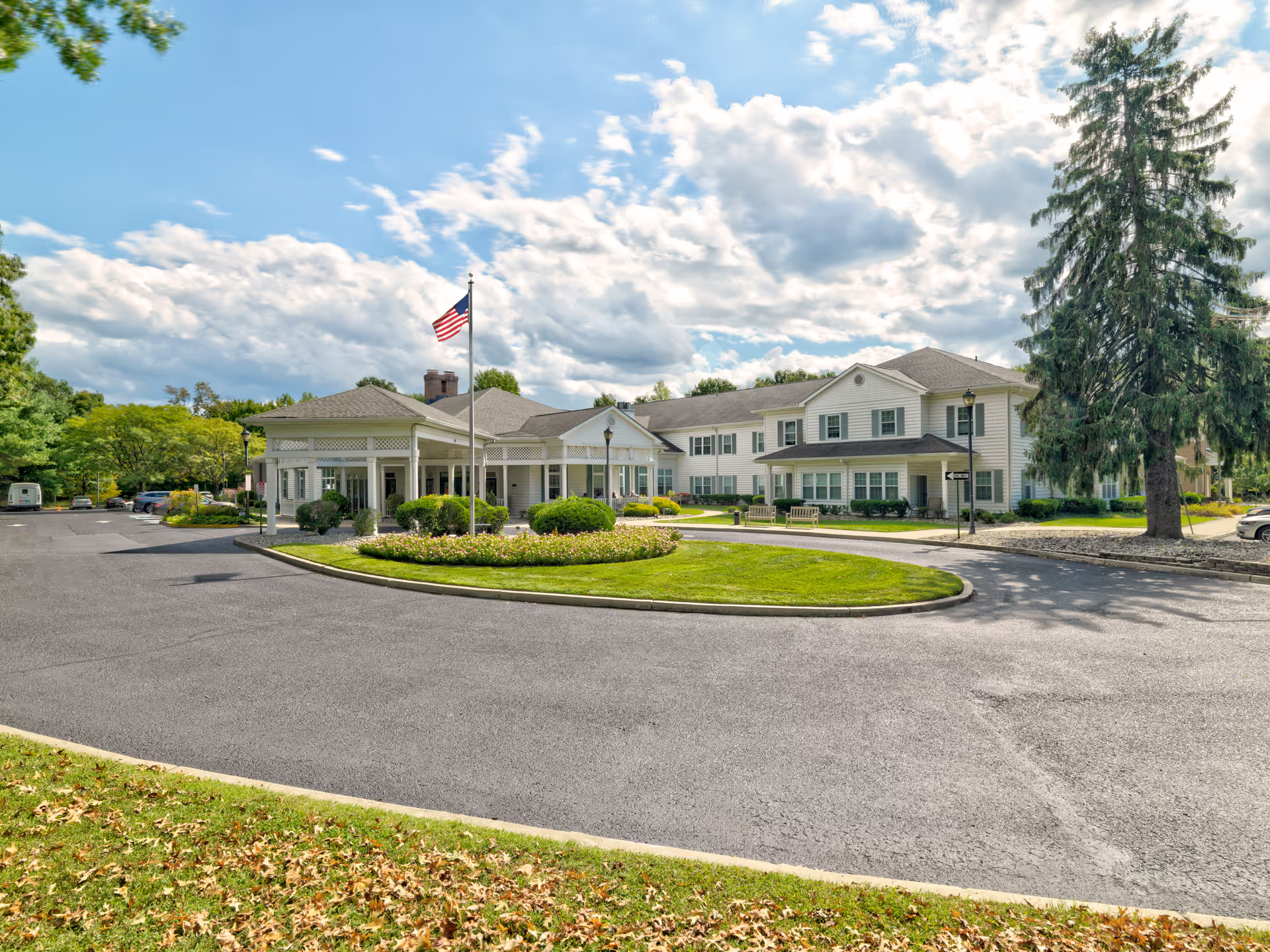
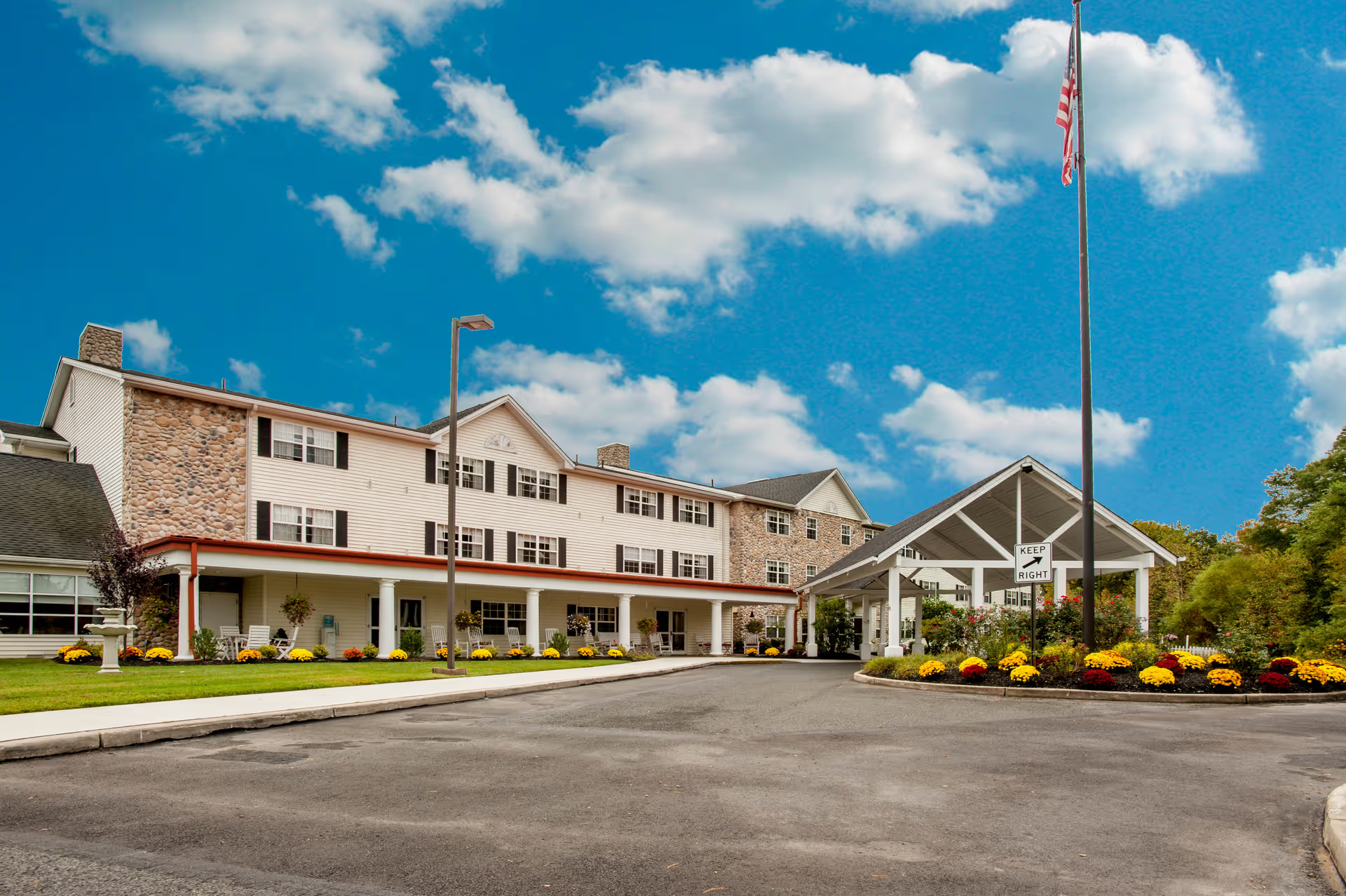
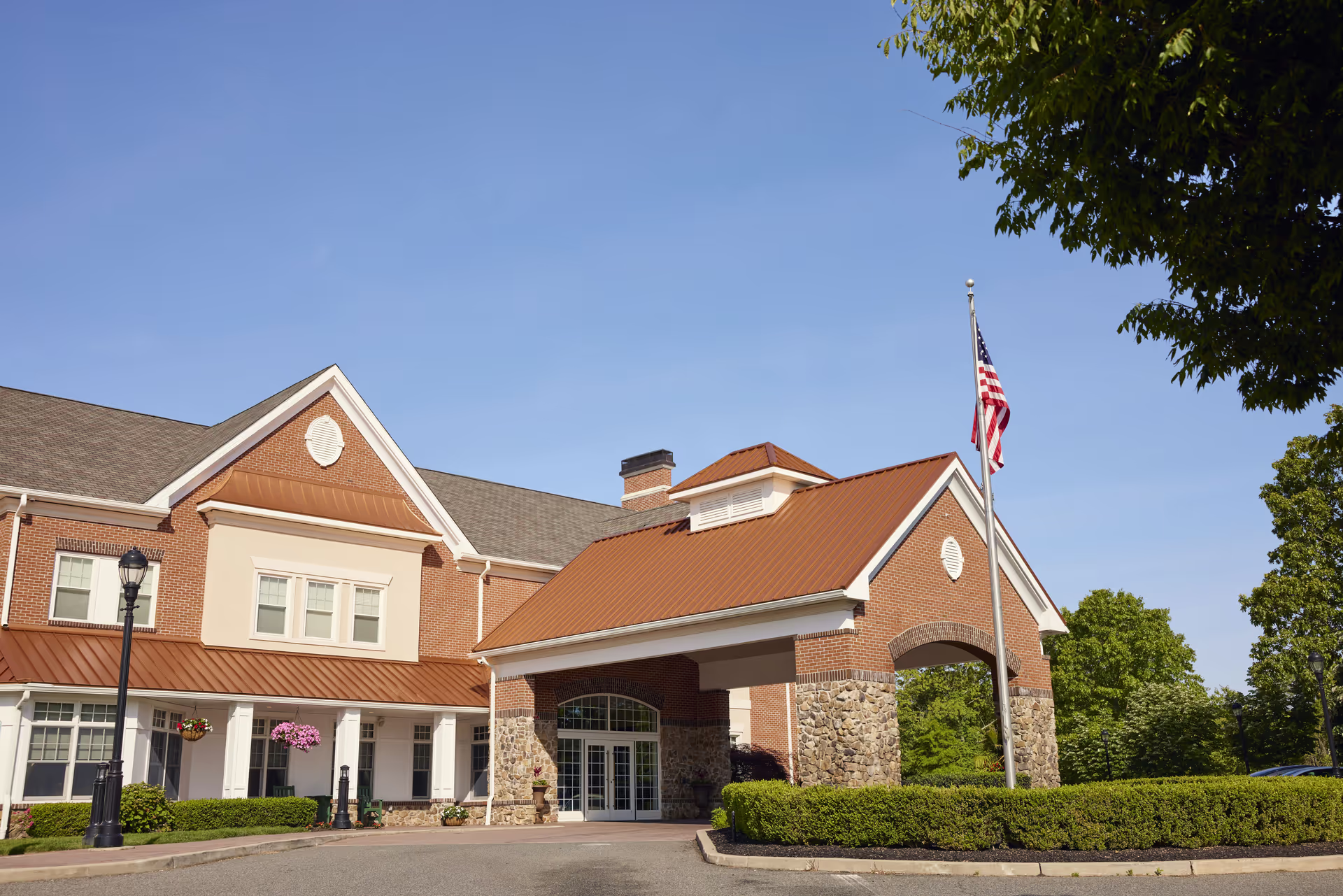
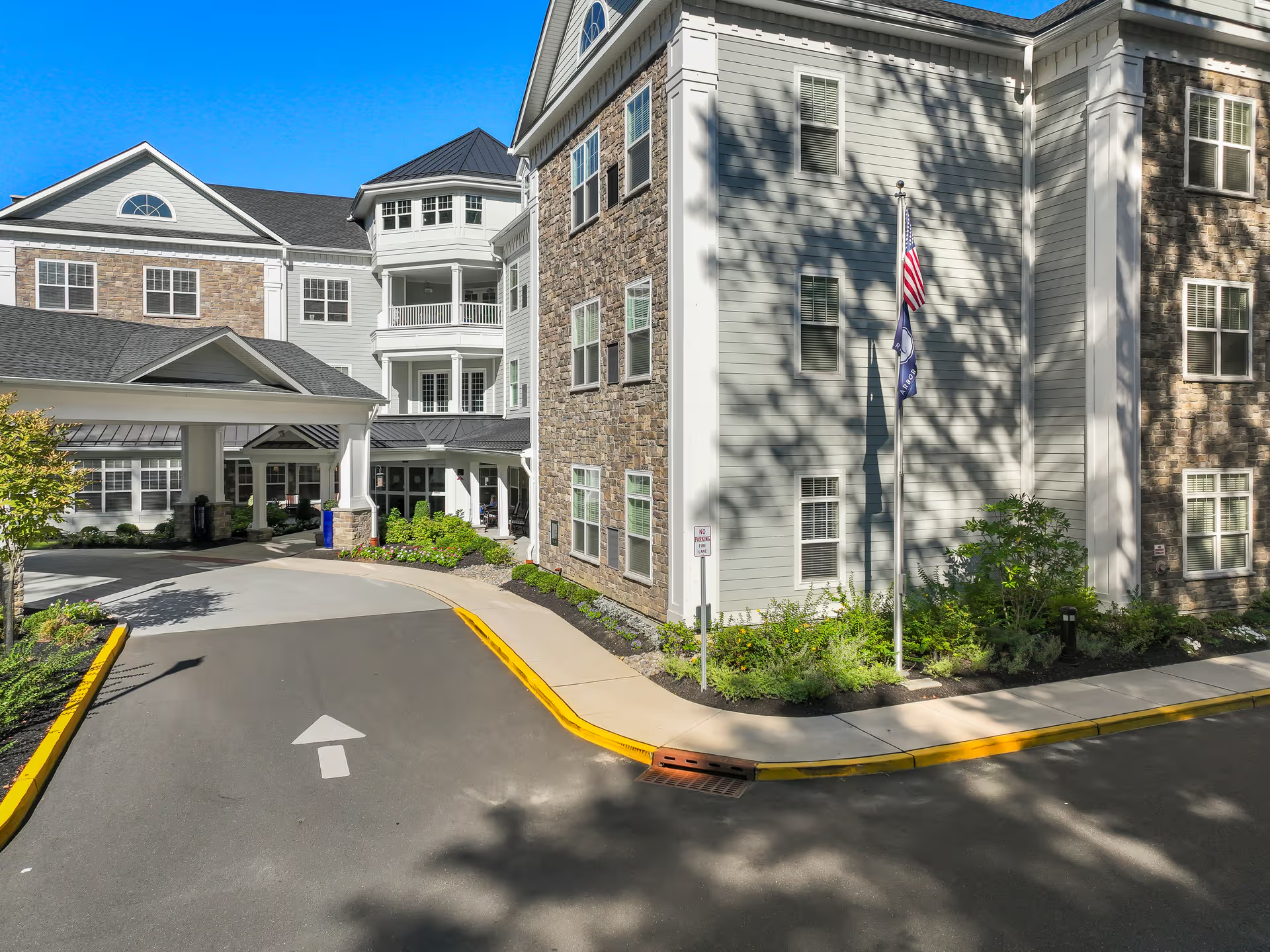
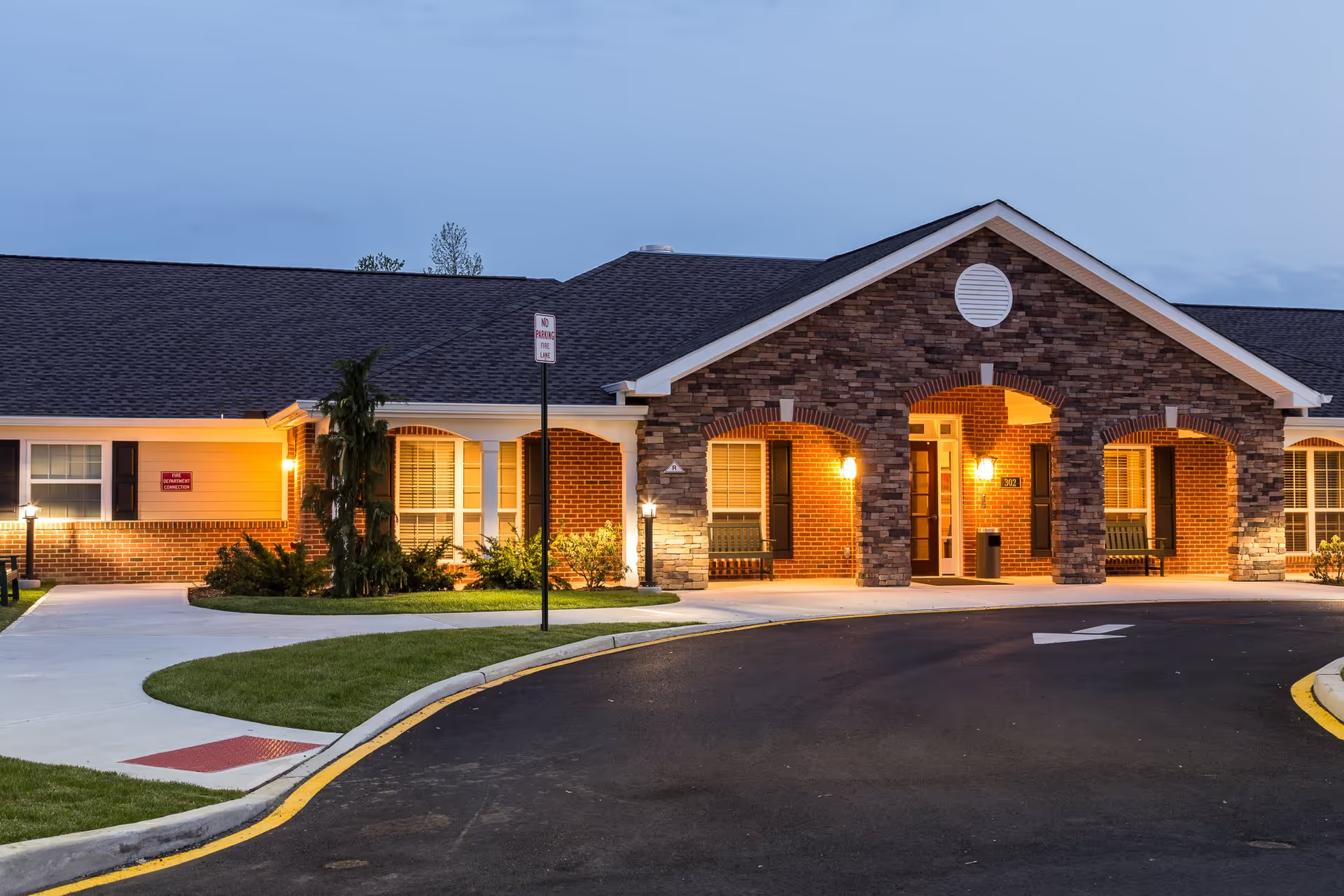
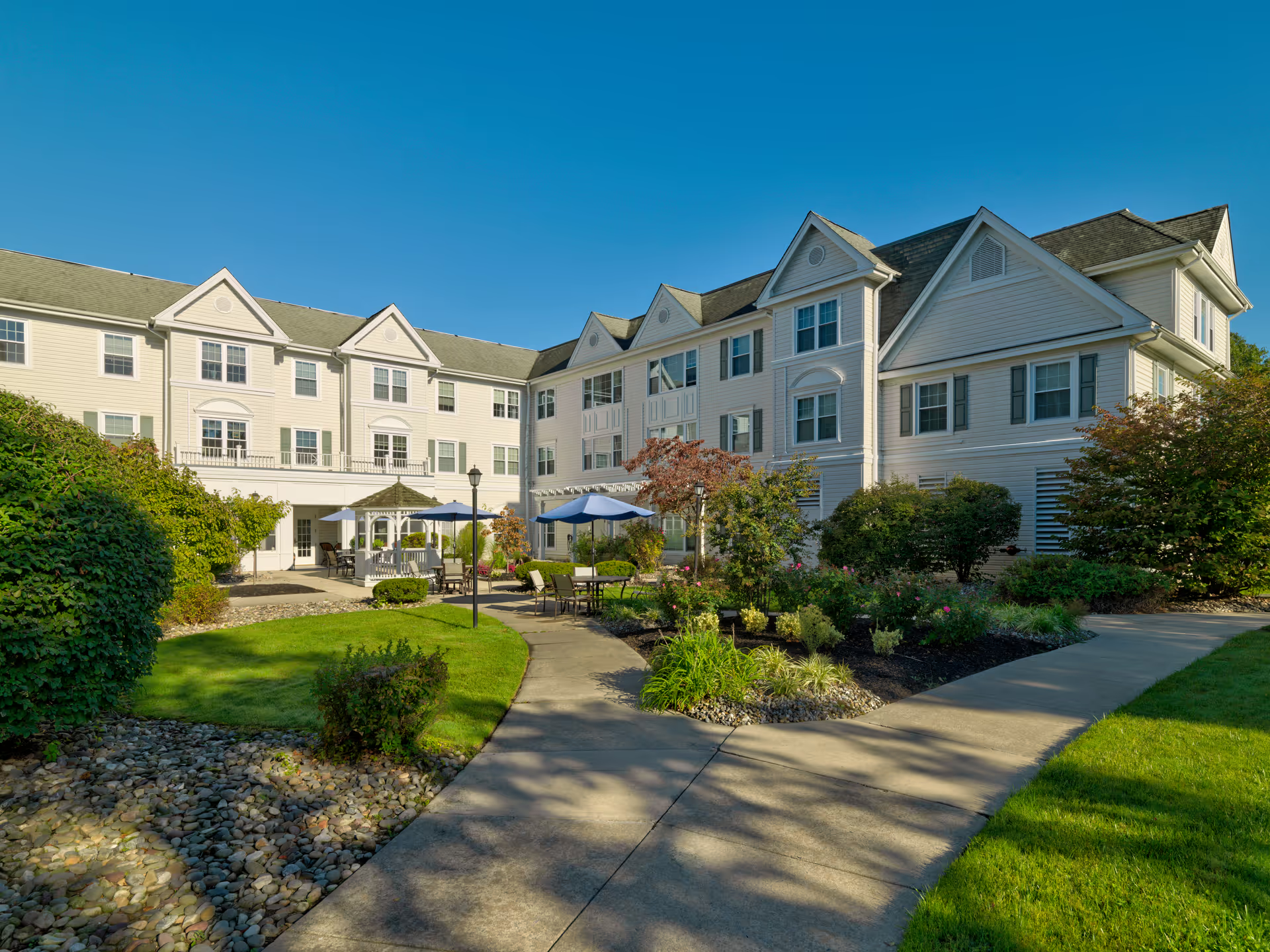
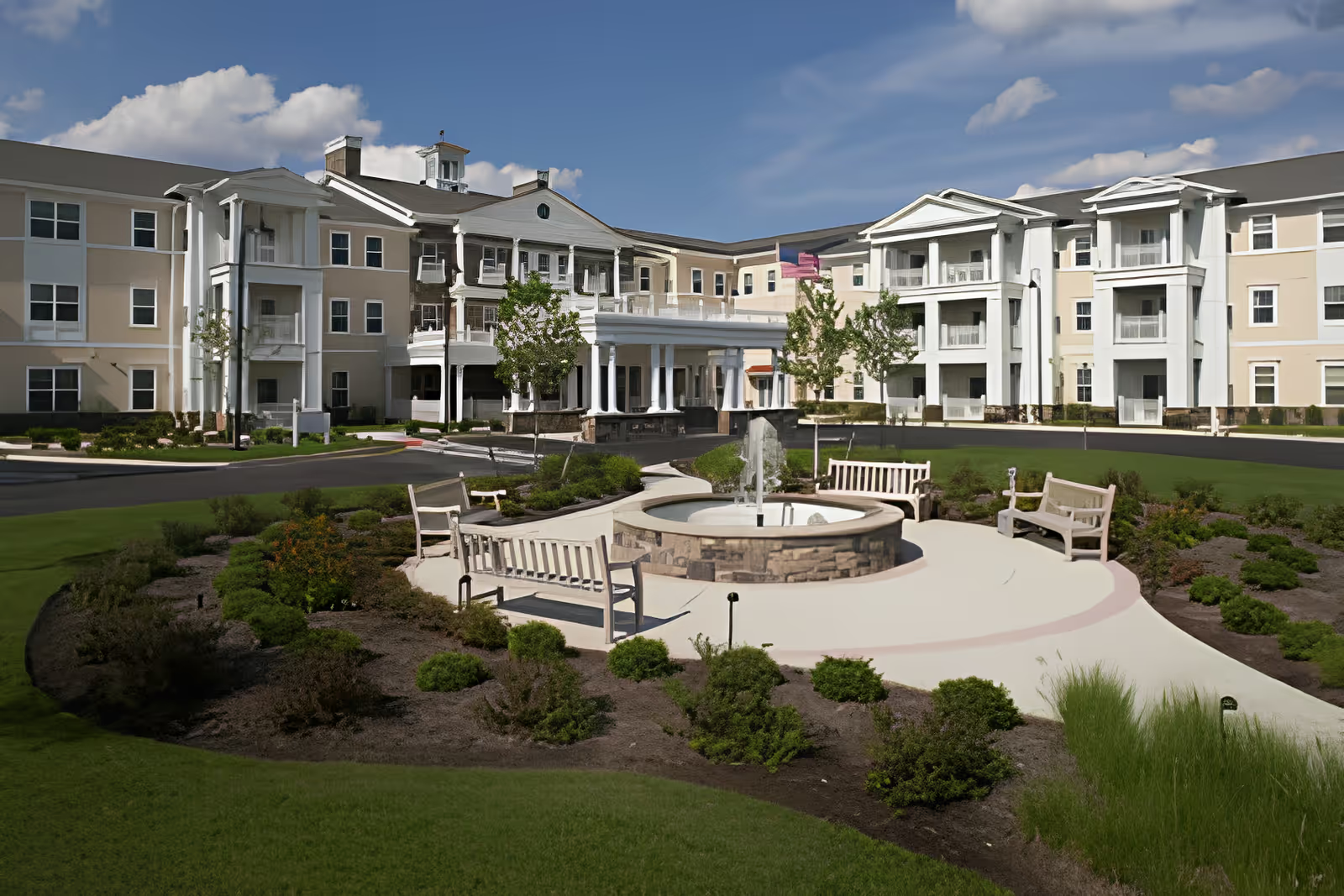
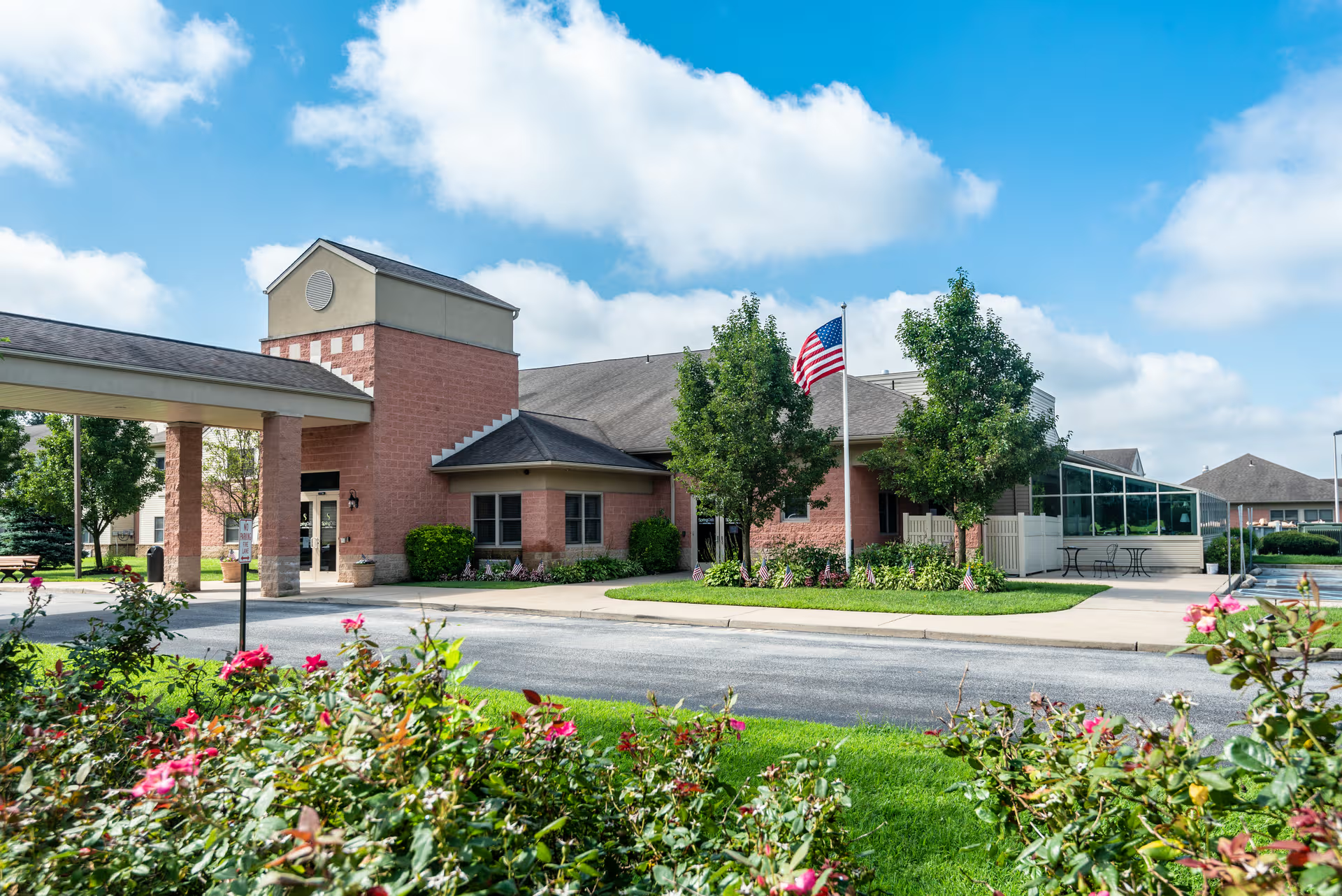
Dining feedback is mixed, with some residents praising the food and bistro, while others describe meals as cold, unappealing, inaccurately delivered, or insufficiently suited to dietary needs. Activities and hospitality services are frequently praised for providing social connection, recreation, and personal support. The physical setting also receives strong positive comments for its private rooms, attractive décor, and amenities, though other accounts note odor or cleanliness concerns, worn furnishings, temperature problems, and maintenance issues.
Management and family coordination receive both positive and negative assessments. Some families describe helpful leaders, social workers, and hospitality staff who addressed concerns or supported transitions; others report difficulty contacting the facility, receiving timely updates, arranging appointments, or establishing a clear discharge plan. Reviews span different facility names and ownership periods, and some describe improvement while others report continued operational problems. Because the experiences are not consistent, families may benefit from discussing staffing, care routines, therapy expectations, dietary requirements, and communication arrangements directly with the facility and monitoring whether agreed plans are followed.