Experiences at Split Rock Rehabilitation and Health Care Center are sharply mixed. Many patients and families describe compassionate care, respectful interactions, and staff who help residents feel supported. Former patients also describe successful rehabilitation and returning home in improved condition. However, several family accounts raise substantial concerns about inconsistent care delivery, particularly during overnight shifts, and about whether concerns are addressed promptly. These conflicting accounts suggest that experiences may vary by staff member, shift, and care needs.
Rehabilitation is a recurring strength in positive feedback. Reviewers praise physical and occupational therapy, wound care, and support in regaining function. Some also describe responsive respiratory care, while other family accounts raise concerns about treatment consistency and clinical monitoring. Families additionally describe delays in responding to call requests and personal-care needs, along with concerns about staff communication and gentleness during hands-on care. Fall-prevention measures and timely access to safety equipment are also areas of concern. These accounts point to the importance of asking how care needs are monitored and escalated, especially for residents who require close supervision or respiratory support.
Staff and management experiences also differ. Positive comments commend nurses, aides, social workers, administrators, and concierge staff for kindness, practical help, and support with admission, transportation, and care planning. Other families describe difficulty obtaining timely answers or follow-through on concerns, including during care transitions. Prospective families may wish to clarify who the primary contact is, how urgent changes in a resident’s condition are communicated, and how unresolved concerns are escalated.
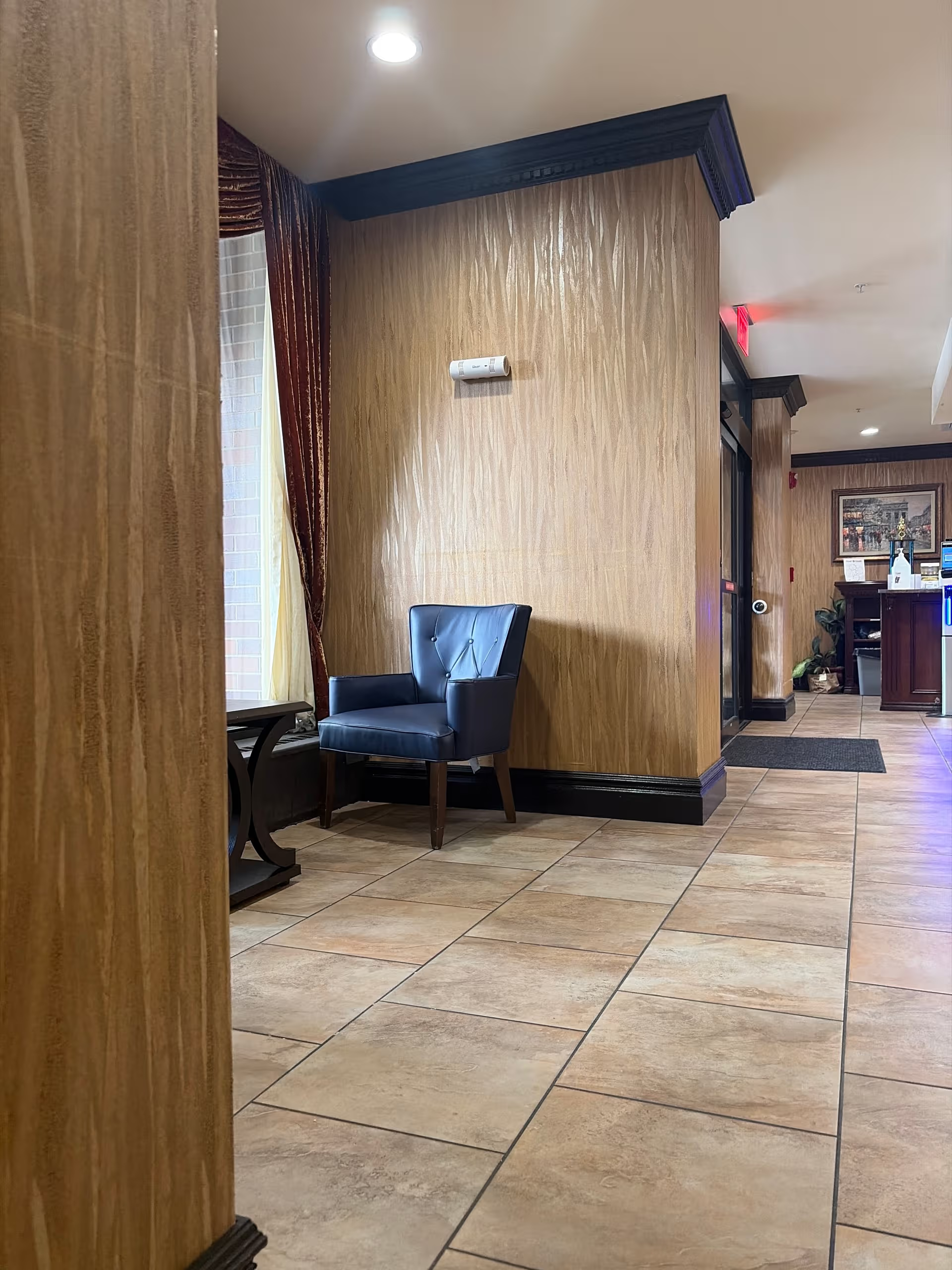
Activities receive consistently favorable attention. Families and residents mention parties, social events, arts and crafts, recreation, and outings, as well as an adult day program with transportation. These services appear to support social engagement and daily structure. Dining feedback is more limited and mixed: one account praises nutritious meals and attention to dietary needs, while another notes dissatisfaction with the food. The facility itself is described by many as clean, organized, and comfortable, though one family characterizes it as dated and raises cleanliness concerns. Overall, the positive accounts describe a supportive rehabilitation and community setting, while the critical accounts highlight meaningful questions about consistency in bedside care, responsiveness, facility upkeep, and management communication.