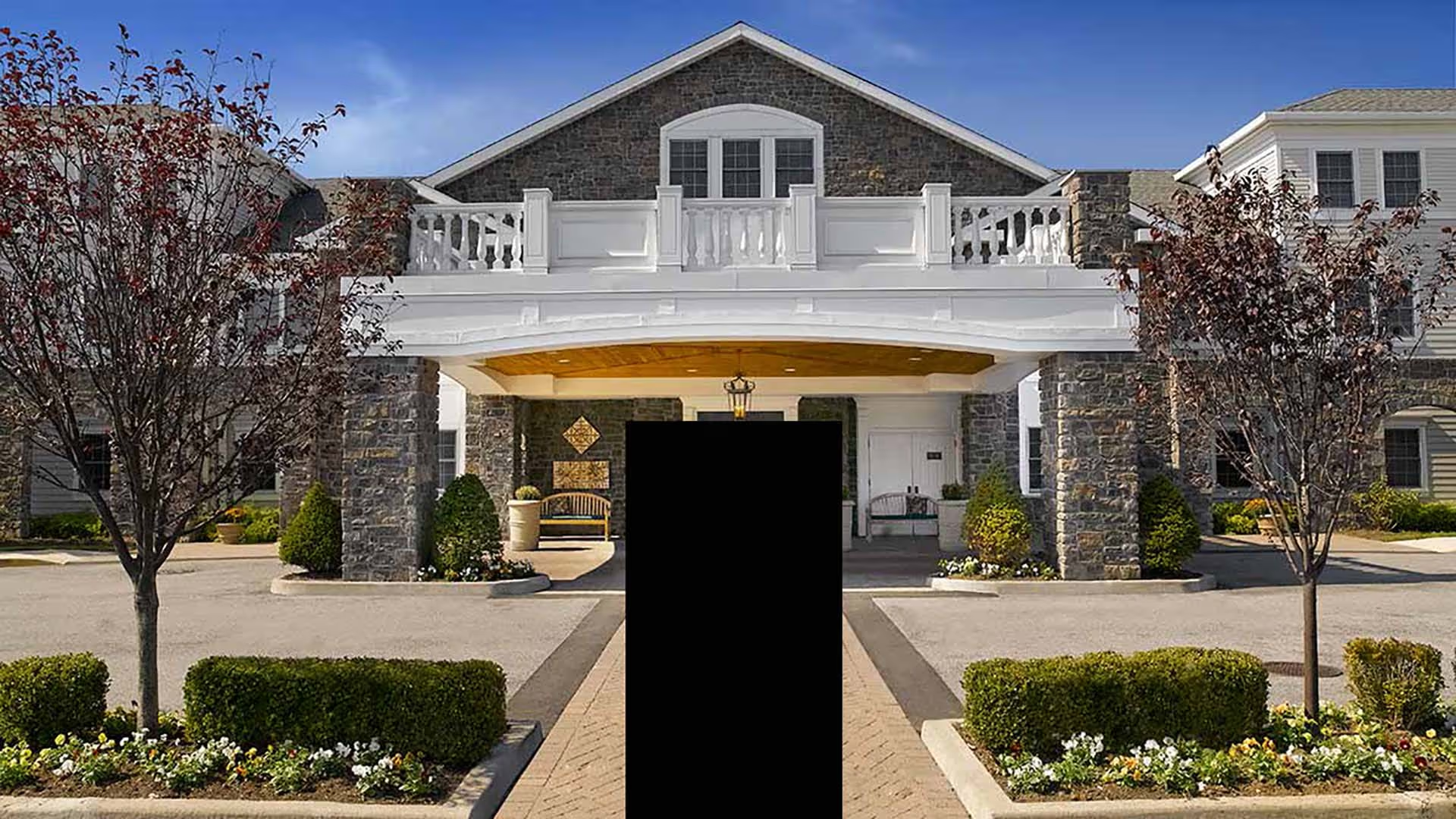
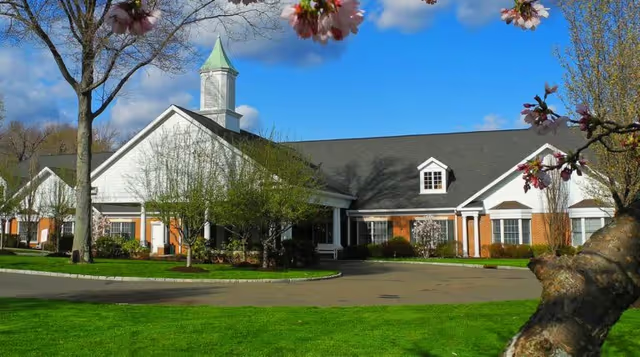
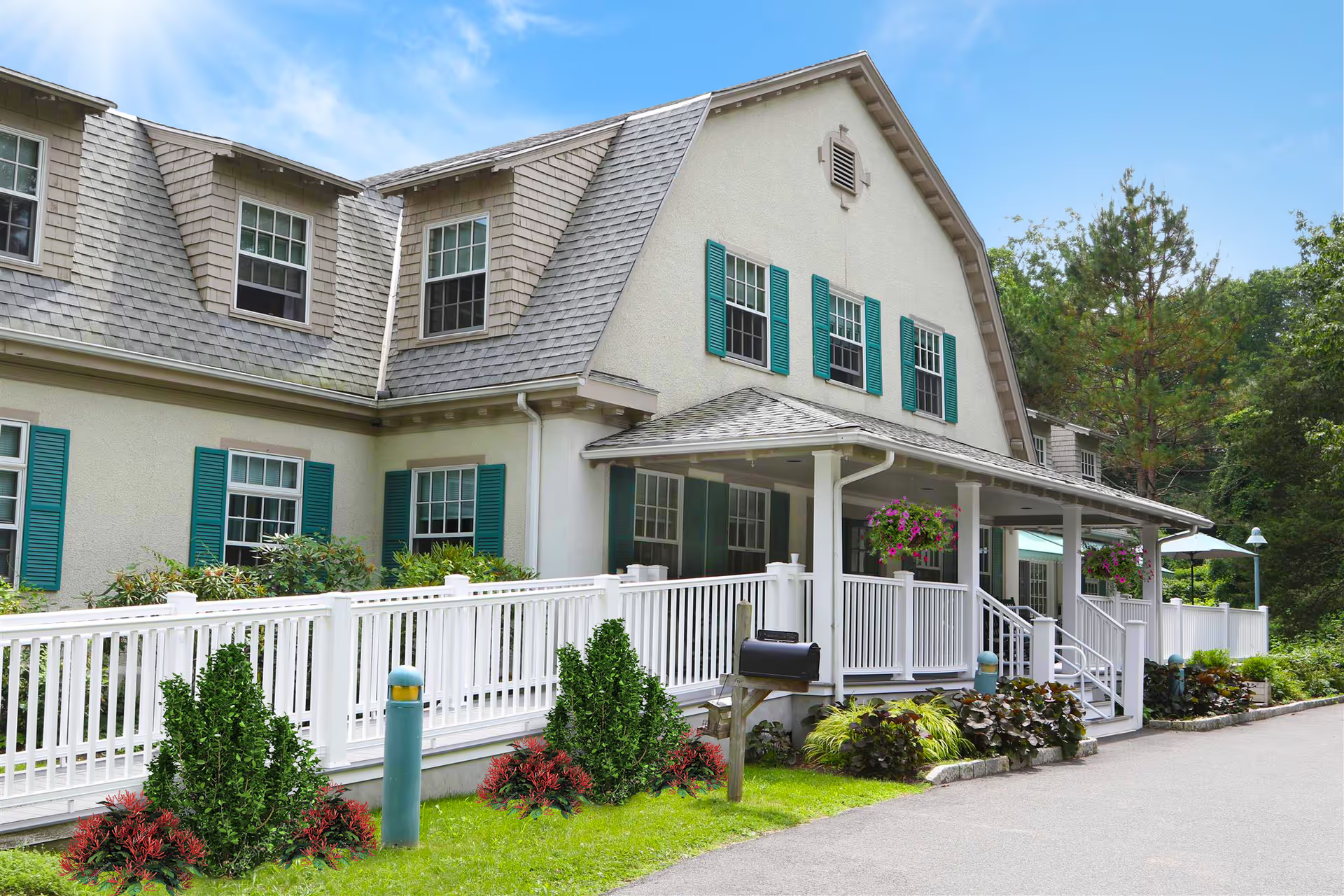
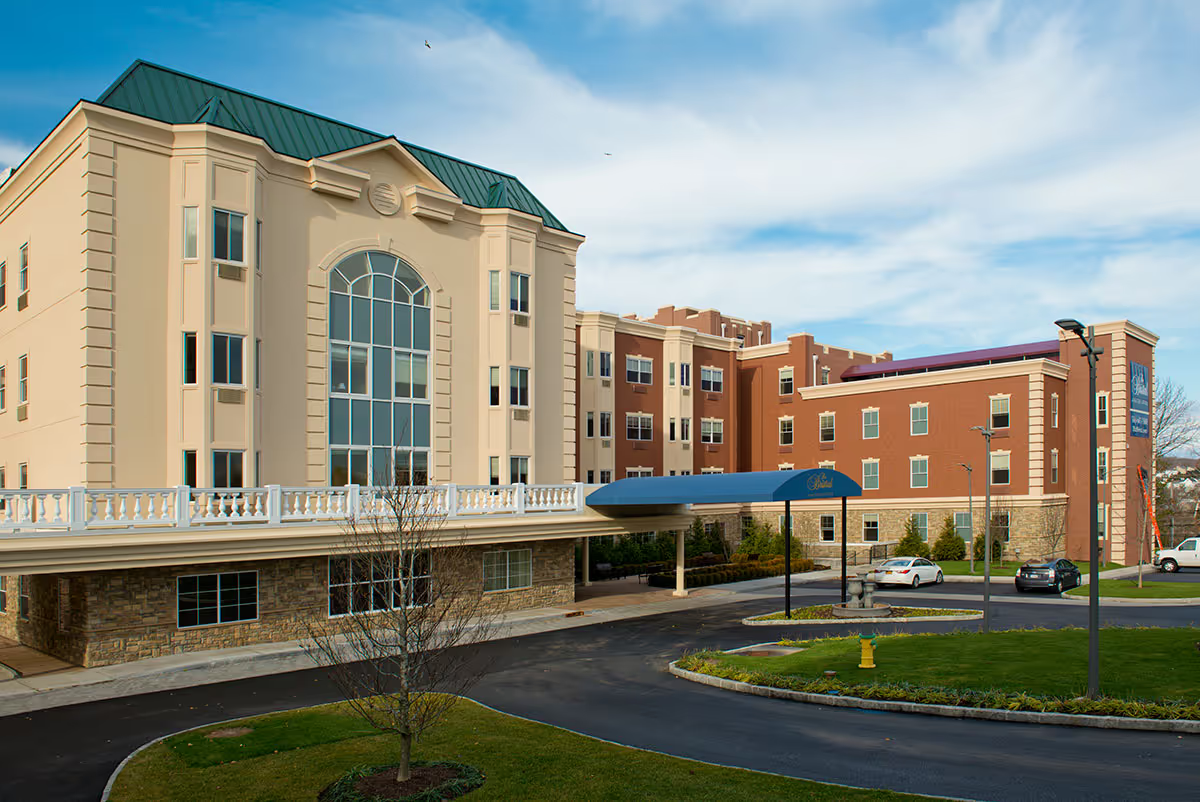
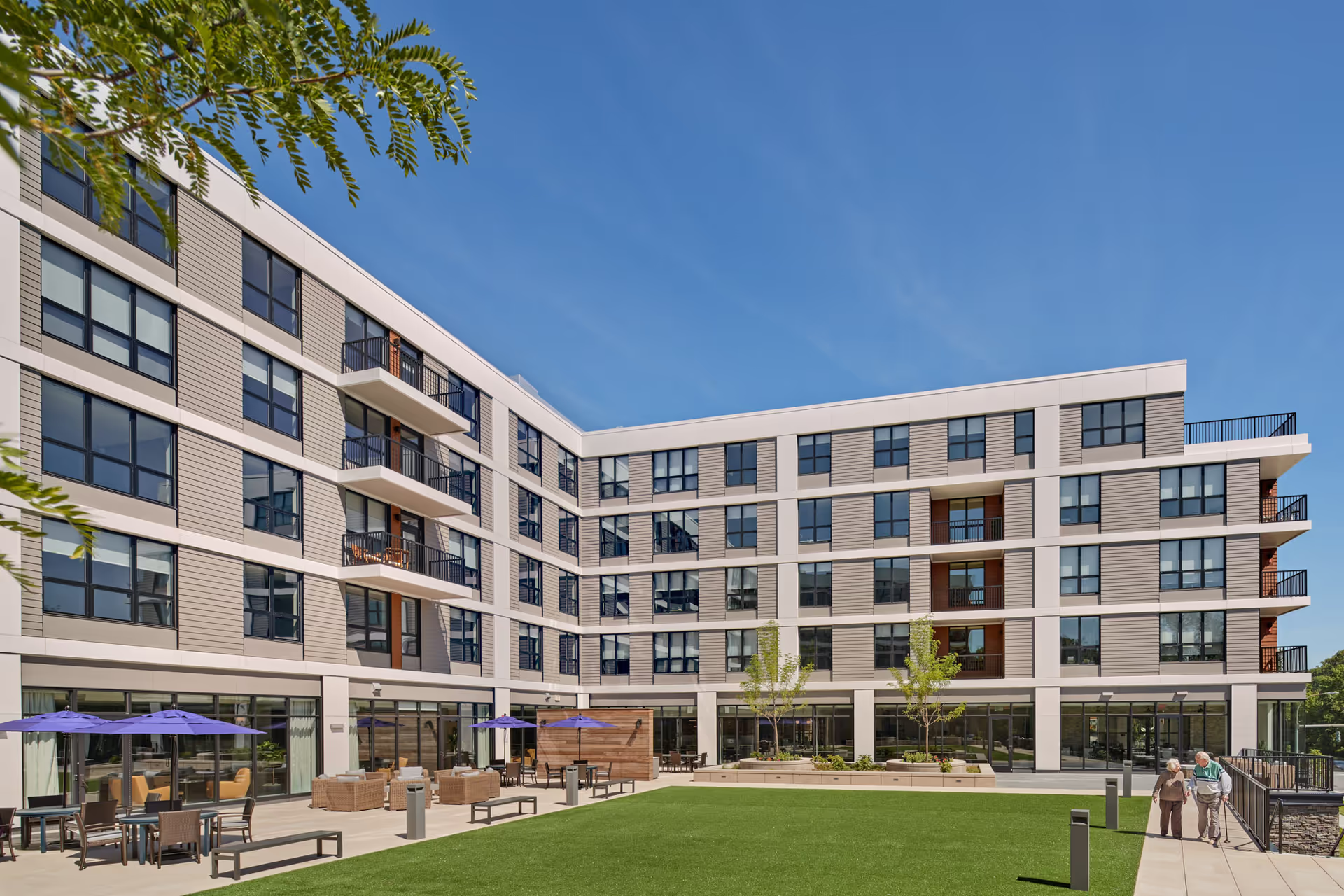
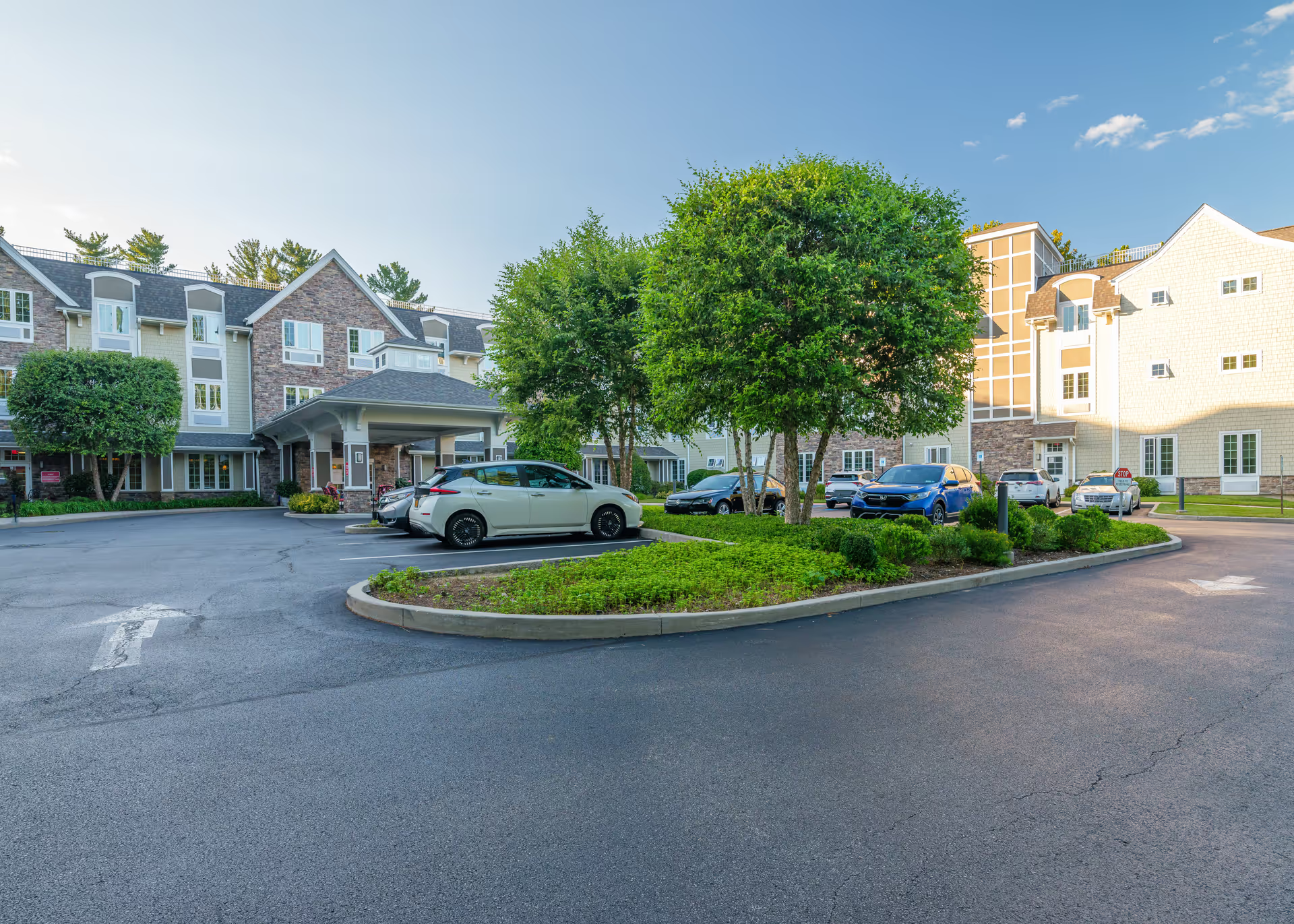
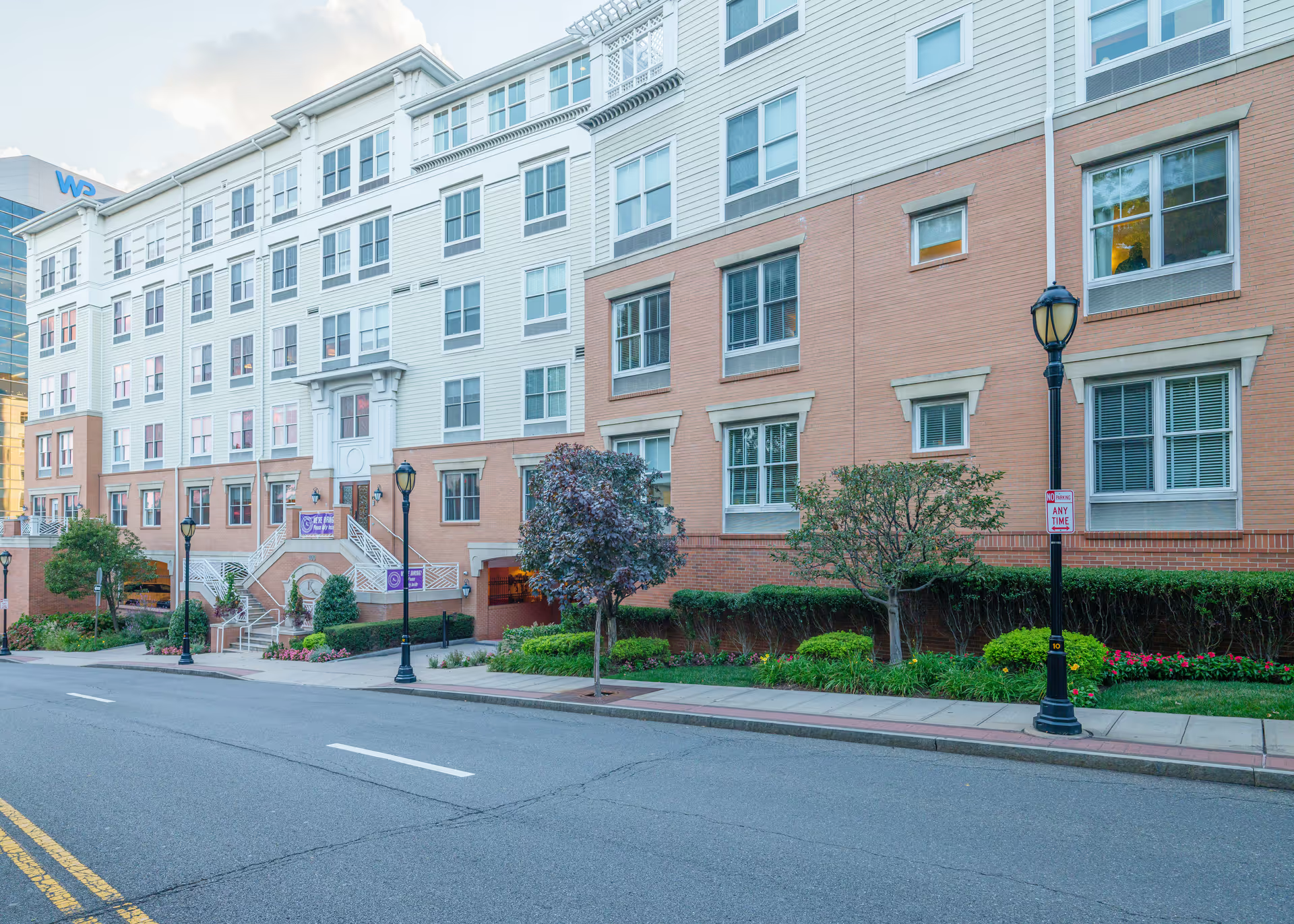
The reviews present a mixed but consistent portrait: the facility's physical environment and therapy programs are clear strengths, while operational and supervisory issues recur as the primary concerns. Housekeeping, facility maintenance, and aesthetic features receive frequent praise — reviewers describe bright, well-appointed rooms with large windows, attractive outdoor grounds and water features, and an overall clean, odor-free interior. The therapy department (PT/OT and rehab) is widely regarded as a high-performing unit, with patients often achieving rapid functional gains and families reporting positive rehabilitation outcomes.
Staffing and direct-care quality are described unevenly. Many families and residents highlight warm, attentive nurses, aides, and therapists who provide respectful, dignified care and engage residents in daily activities. At the same time, a substantial number of accounts indicate periods when staff appear overwhelmed, which manifests as slow responses to call lights, delays in assistance or transfers, and concerns about supervision. These operational gaps are linked to safety issues such as falls and missed transfers in some accounts; while such incidents vary in severity, they point to a pattern of inconsistent coverage and monitoring.
Clinical coordination and medication practices are another recurring theme. Several reviewers praised clear communication and appropriate medical treatment, but others cite late or incorrect medications, inconsistent progress assessments, and premature or poorly coordinated discharges. These contrasting accounts suggest variability in clinical handoffs, medication administration controls, and discharge-planning processes rather than uniformly systematic performance.
Activities, dining, and amenities are generally positive aspects. The community offers a range of recreational programming (music, trivia, bingo, and social meals), accessible dining options and snacks, laundry and room-service conveniences, and visible infection-control measures. Families appreciated celebratory touches and a welcoming atmosphere for visitors in many instances.
Management and administrative responsiveness are described inconsistently. Some families commend welcoming executive staff and helpful directors; others report difficulty obtaining callbacks, unsatisfactory follow-up, and a perception that administrative priorities emphasize billing. The facility’s family-owned identity and long-tenured staff are cited as positives, but leadership engagement appears variable depending on the situation.
In summary, prospective residents and families should weigh two clear patterns: strong environmental and rehabilitative strengths (clean facility, attractive grounds, effective therapy services) versus operational vulnerabilities (staffing variability, call-response delays, medication and discharge coordination gaps, and inconsistent administrative follow-through). When evaluating this facility, it is advisable to ask targeted questions about current staffing ratios and coverage, average call-bell response times, medication-administration safeguards, fall-prevention protocols, and how discharge planning and family communication are handled in practice.