Overall impression is mixed but clustered: many families and residents praise frontline caregivers, therapy teams, dining, and the facility’s physical environment, while other accounts raise significant operational concerns that could affect safety and day-to-day quality of life.
Care and staff: Several reviews highlight compassionate, attentive CNAs and nurses and a strong rehabilitation program (PT/OT) that produces measurable progress. Frontline staff are frequently described as personable, responsive, and skilled at individualized care; multiple accounts note staff who greet residents by name and who provide meaningful therapy and functional gains. At the same time, recurring operational issues are described: chronic understaffing on nursing units, delays in responding to resident needs, and reports of delayed medication administration. These staffing constraints are associated with longer waits for showers, dressing, and call-response times.
Dining and activities: Dining is commonly cited as a strength — nutritious meals, monthly menus, desserts, and an accommodating kitchen staff. Features such as in-room TV access, ice cream on demand, and an accessible nutritionist are noted positively. Activities programming receives mixed feedback: some reviewers describe engaging events, religious services, and visiting entertainers, while others see room for improvement in frequency, variety, and consistency of offerings.
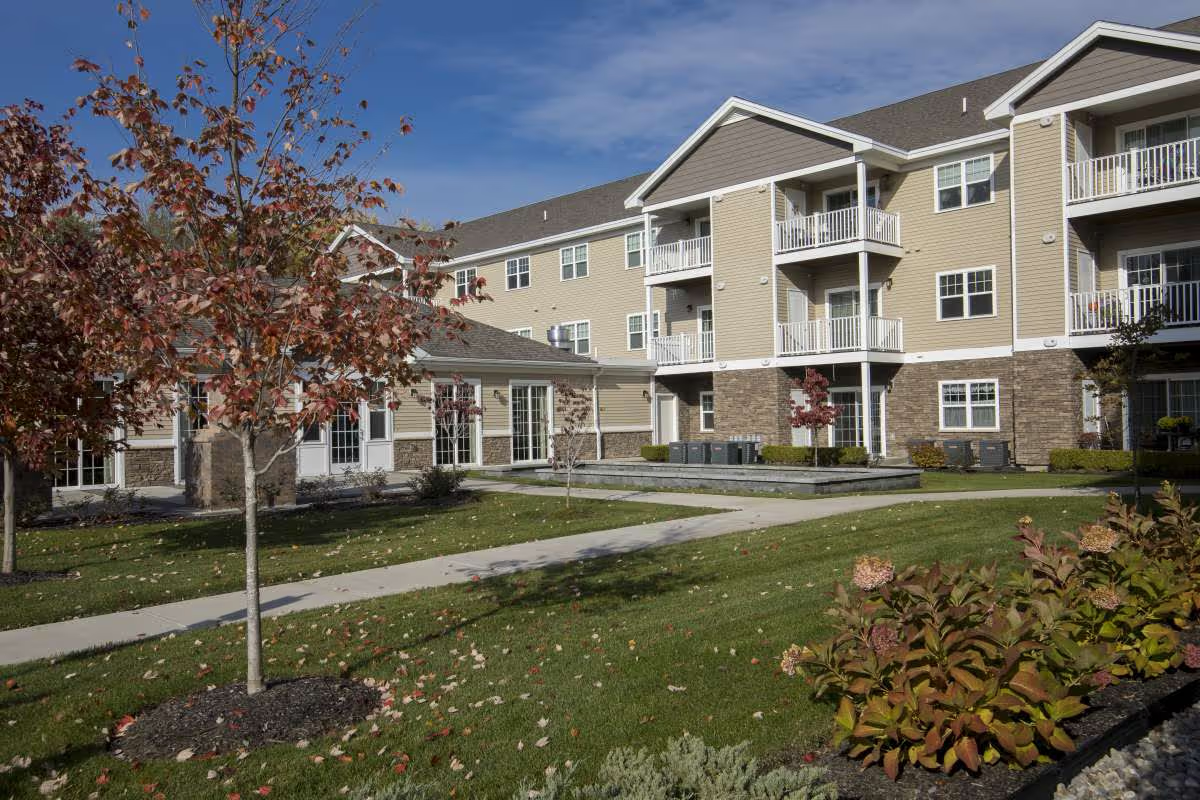
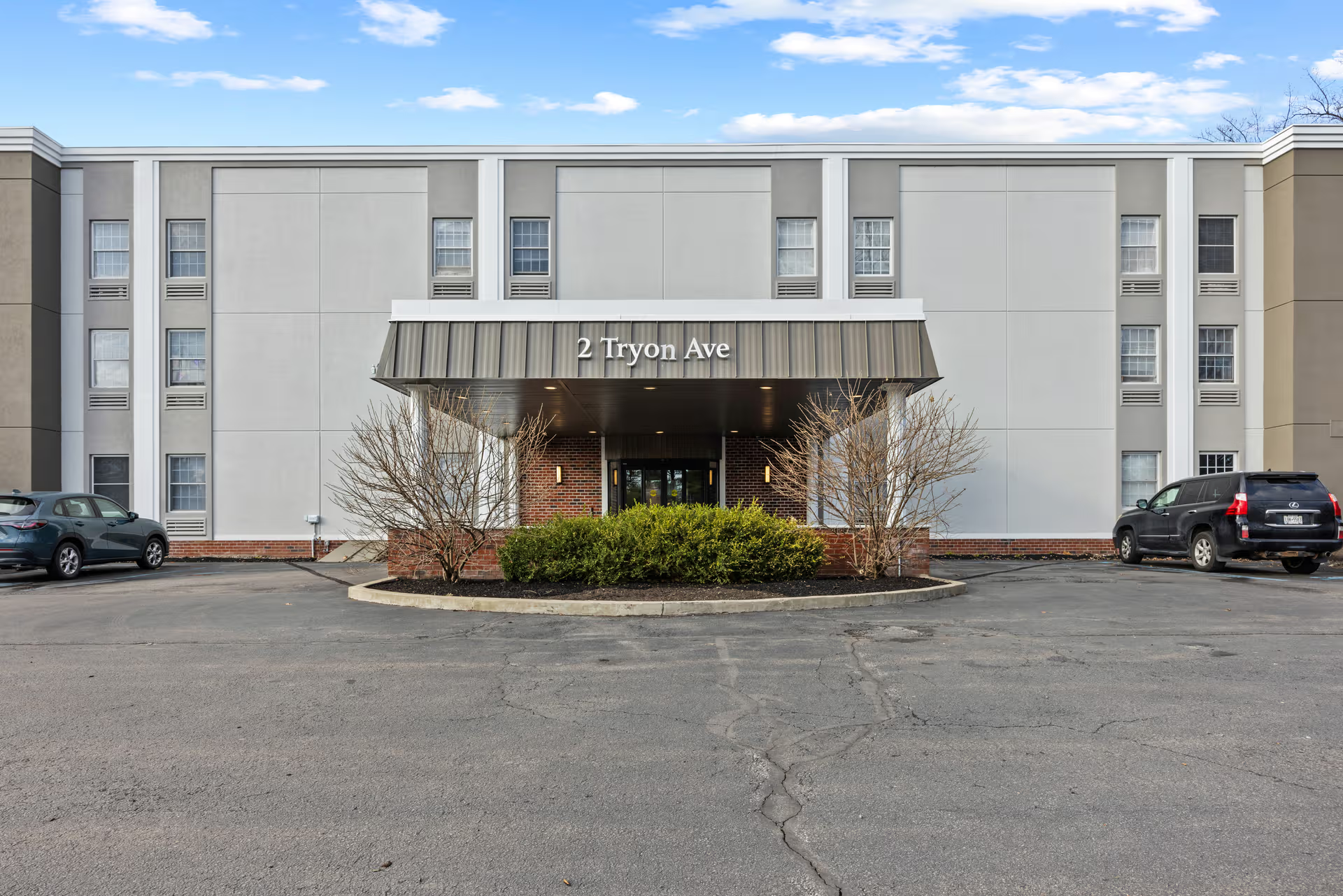
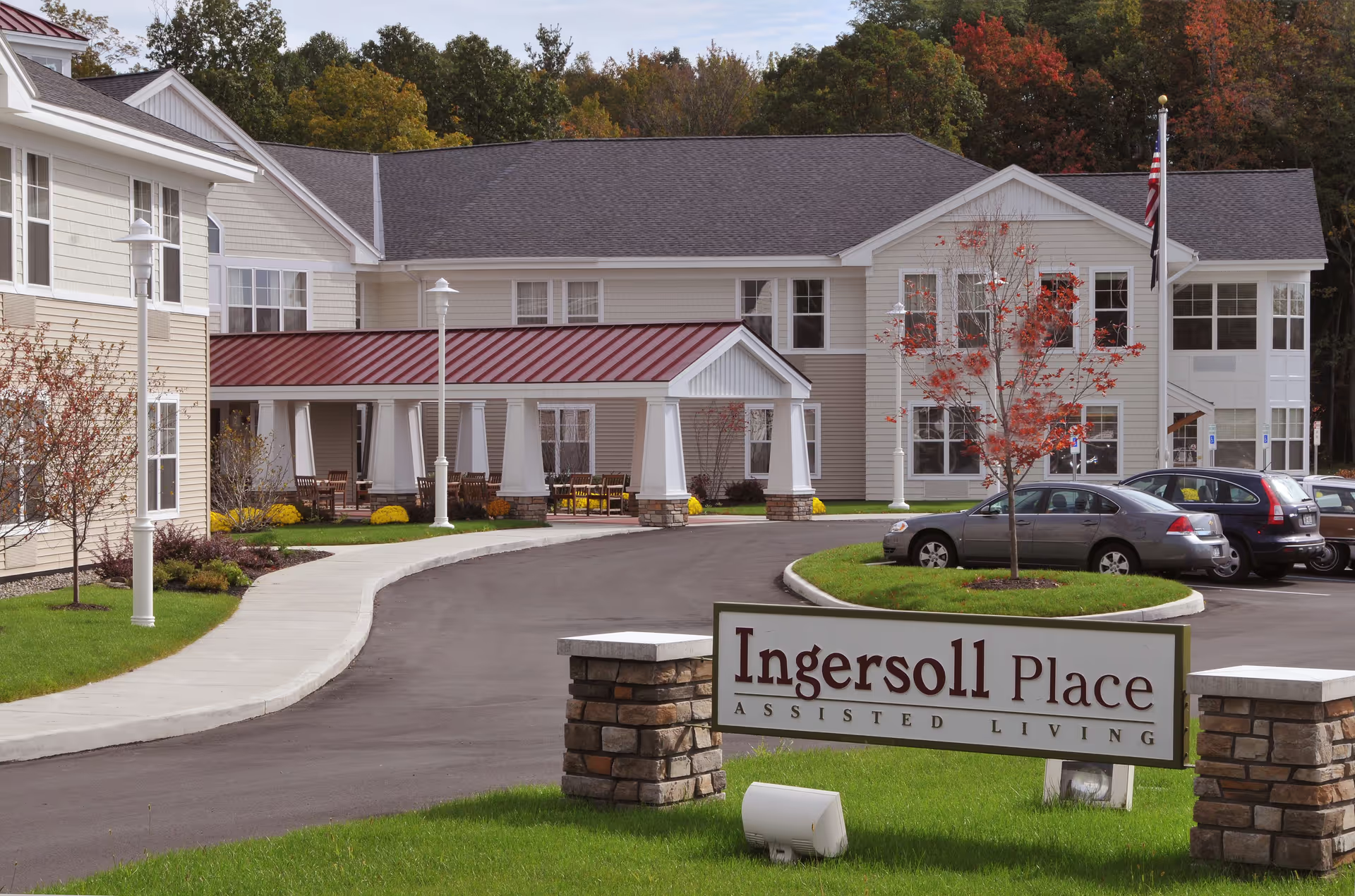
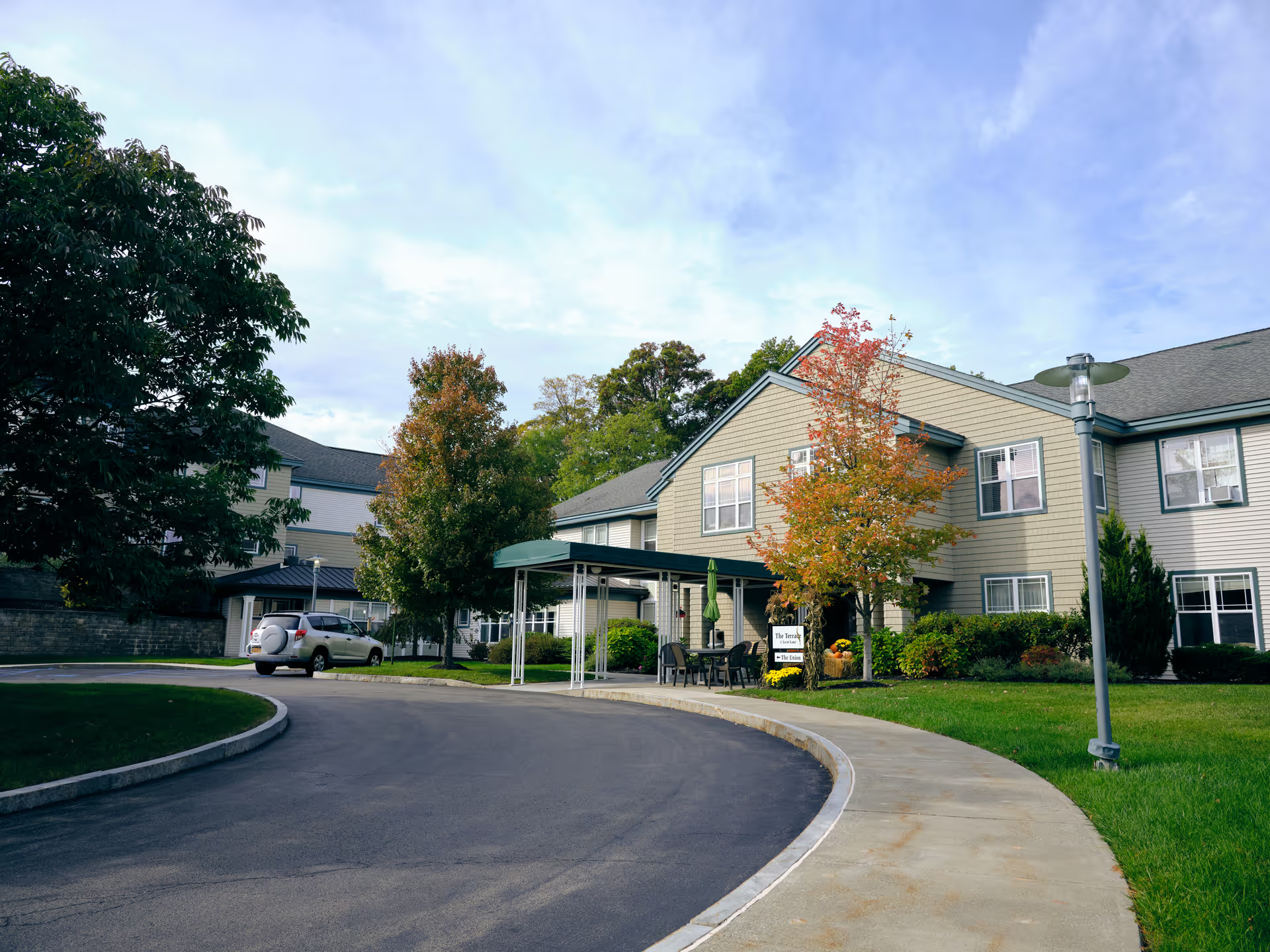
Facilities and safety: The building and rooms receive consistent praise when described as newly rebuilt, clean, and spacious, with private-room options available. However, there are sanitation and odor concerns reported in some areas and specific ventilation or chemical-odor issues noted. Critical safety-related feedback centers on infection-control lapses: at least one account cites an incident involving an infectious external provider attending to residents, and reviewers describe inconsistent application of infection-control procedures. In addition, gaps in entrance security and signage/wayfinding were mentioned.
Management and communication: A clear pattern is the distinction between positive experiences with frontline staff and more mixed impressions of administration. Many reviewers commend admissions, therapy leadership, and unit-level staff, but express frustration with administrative responsiveness, customer-service communication, and management follow-through. A small number of reviews raise serious concerns about leadership culture, including allegations of discriminatory behavior; these warrant direct inquiry by prospective families. Communication around clinical events and medication scheduling is another recurring area for improvement.
Notable patterns and recommendation: The most salient pattern is polarization — strong, consistent praise for direct-care staff and therapy outcomes coexists with practical operational weaknesses (staffing shortfalls, medication and personal-care delays, infection-control inconsistencies, and occasional sanitation/air-quality concerns). Prospective residents and families should consider visiting during different times of day, asking about current staffing ratios, infection-control policies and recent audits, medication-administration protocols, response times to call lights, ventilation and odor mitigation measures, and how the facility addresses concerns about leadership culture. These targeted questions will help confirm whether the facility’s strengths align with a prospective resident’s needs and priorities.