The reviews present a consistently negative picture of clinical care quality at this facility, with specific emphasis on the rehabilitation program and basic care tasks. Several families described limited or ineffective therapy delivery despite rehabilitation being offered on-site; reviewers indicated therapy frequency, intensity, and follow-through did not meet expectations for restorative care. Mobility support and transfer practices were also highlighted as problematic, contributing to episodes where residents experienced decreased mobility or injury. Reviewers raised incontinence-care concerns and broader sanitation concerns tied to delays in attending to residents’ personal care needs.
Staffing impressions are mixed: a small number of individual caregivers were described positively for their attentiveness, but broader commentary focused on communication tone and responsiveness problems. Concerns included unhelpful or unpersonable supervisory staff, a lack of timely physician engagement for some residents, and failures to provide family members with basic contact information. Several accounts described delayed or absent notification after clinical incidents, which family members found unacceptable. These patterns point to gaps in incident-response procedures and family communication protocols.
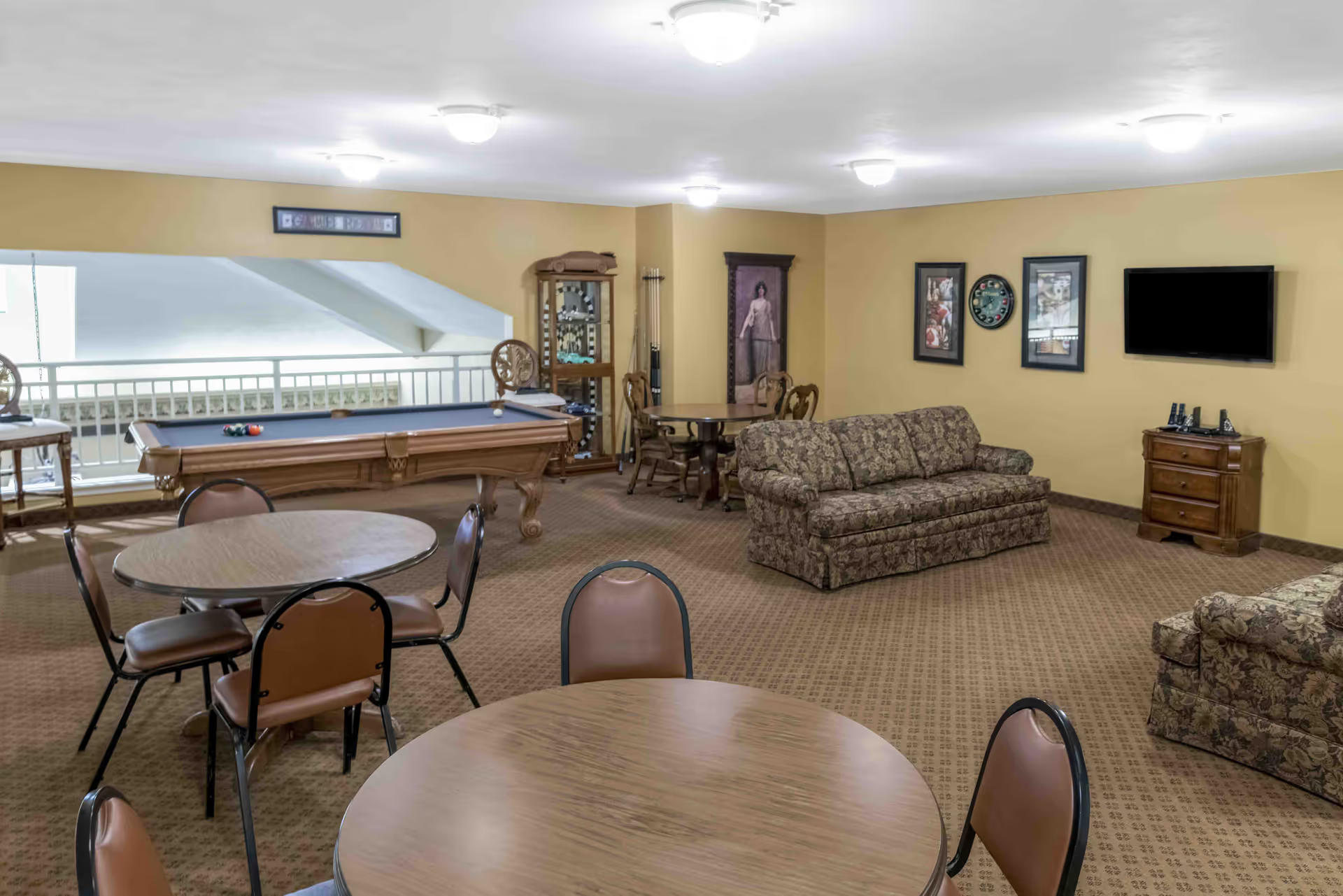
Dining and clinical nutrition were also noted as areas of concern. Reviews cited inconsistent meal planning for residents with therapeutic dietary needs (for example, diabetic diets), suggesting food-service coordination with clinical staff may be variable. Reviewers did not emphasize activities or engagement programming; there was little positive commentary about recreational offerings, and no consistent evidence that activity programs mitigated the clinical concerns raised.
Facility-level safety and operational issues recur in the commentary. Reviewers described weaknesses in fall-prevention measures, transfer safety, and overall supervision that they felt increased risk of injury. Administrative and clinical leadership were criticized for lacking effective oversight of rehabilitation services and frontline care; some reviewers perceived financial considerations taking precedence over individualized clinical decision-making. There were also communication failures around critical events and end-of-life concerns that families found especially troubling.
For prospective residents and families: verify the facility’s written care and therapy plans, ask for specific staffing ratios and therapist schedules, request examples of fall-prevention and transfer protocols, and confirm procedures for family notification after incidents. Review dietary accommodation policies for therapeutic needs and request recent inspection and complaint histories. If possible, speak directly with current family members about responsiveness and leadership follow-through to determine whether the facility’s operational practices align with your care expectations.