Overall impressions of The Oaks at Sweeten Creek are mixed: many accounts describe a clean, home‑like facility with individual staff members and departments that provide attentive, hands‑on care and effective therapy, while other accounts identify operational weaknesses that create inconsistent resident experiences.
Care quality and staff: Positive feedback highlights compassionate nurses and CNAs who provide individualized attention, address family concerns, and in some cases go above and beyond to meet resident needs. The therapy department is frequently characterized as effective and helpful for faster discharges and functional gains. However, narratives also indicate variability in clinical practice: there are concerns about incomplete assessments, absent or inconsistent care plans, and uneven monitoring of wounds and medical devices. A recurring operational issue is delayed response to call bells and slower attendance during busy periods, which contributes to perceptions of inconsistent responsiveness.
Dining and nutrition: Social dining and communal meals are noted as beneficial for resident engagement and appetite in some cases. At the same time, there are consistent operational gaps in dietary accommodation and meal service continuity — examples include incorrectly prepared meals relative to documented restrictions and irregular meal timing (including delayed breakfasts on weekends). These suggest the kitchen and nursing coordination around special diets and timely service is unreliable at times.
Activities and social life: The facility offers activities and opportunities for socialization that some residents enjoy, and these are cited as improving mood and engagement. Conversely, other residents are described as lonely or under‑engaged, and reviewers indicate that activity programming and staffing for engagement are uneven across units and shifts.
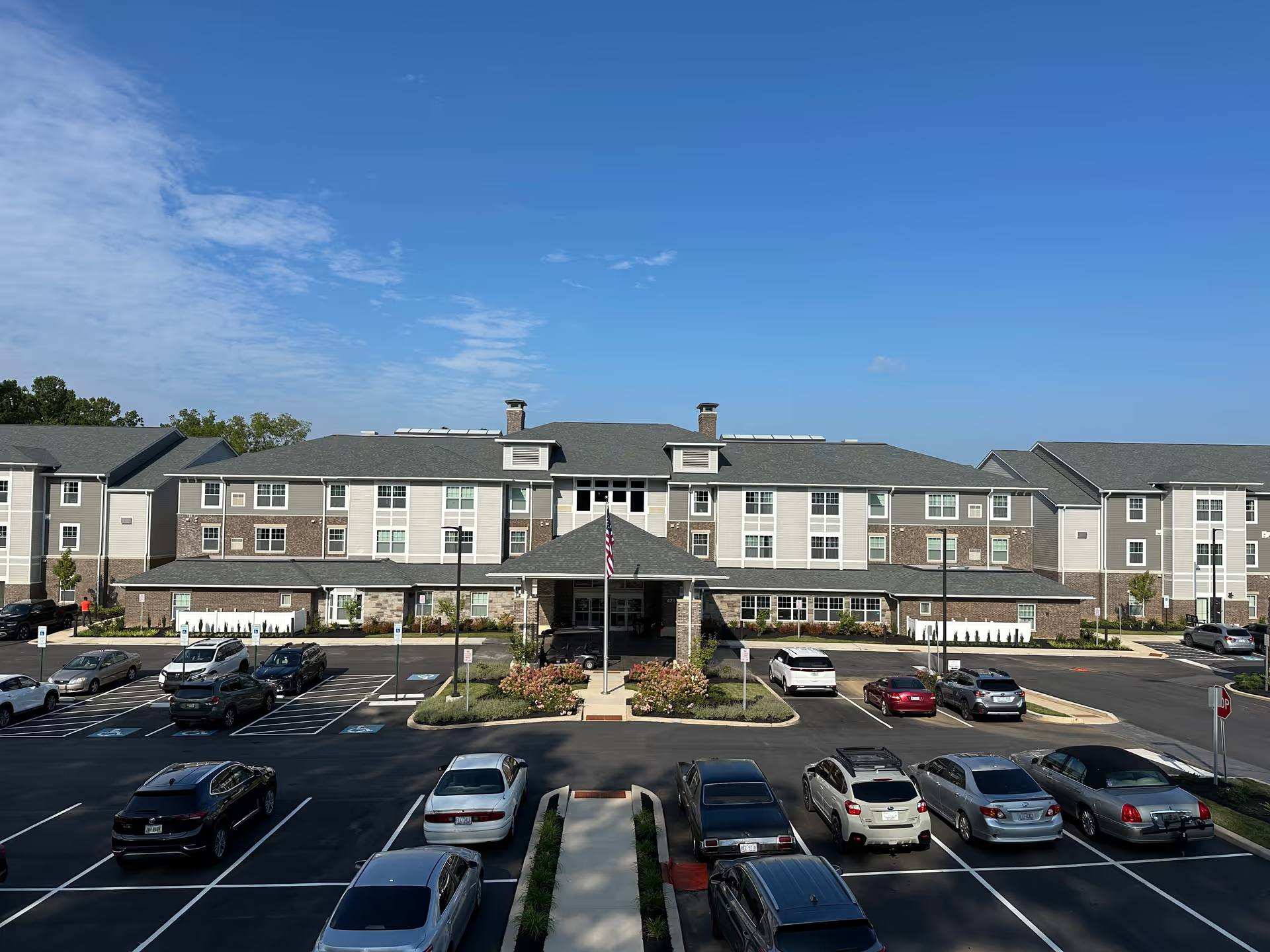
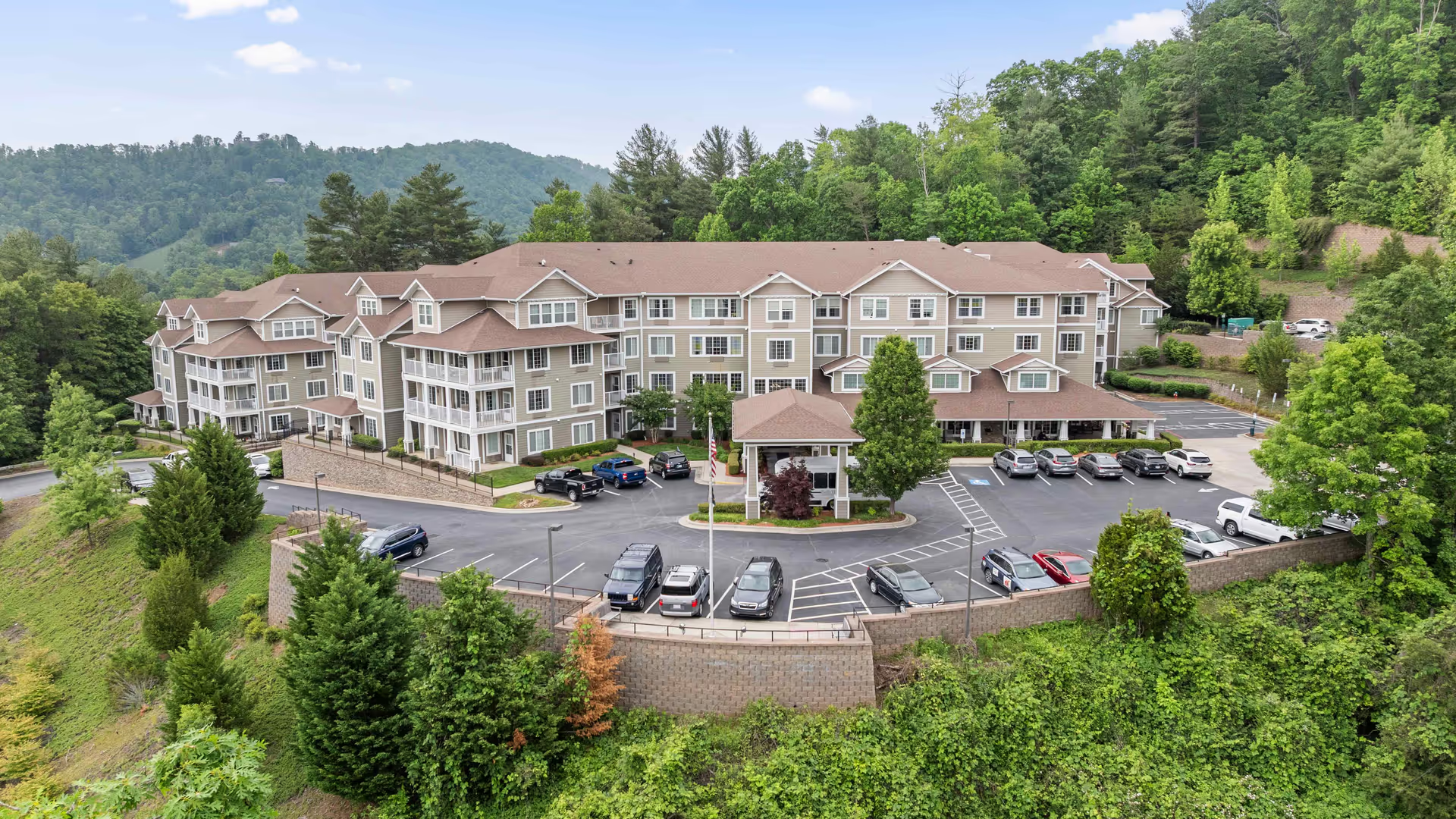
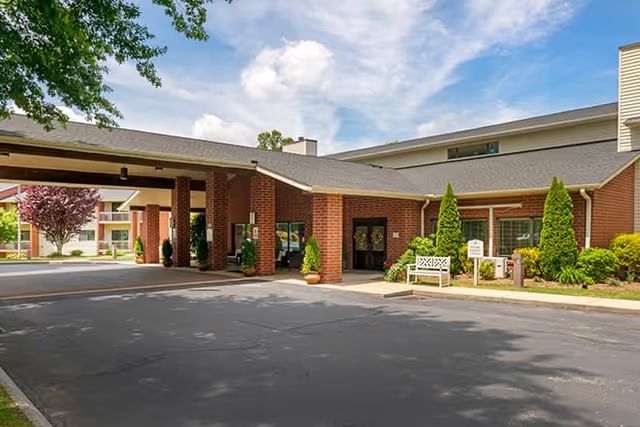
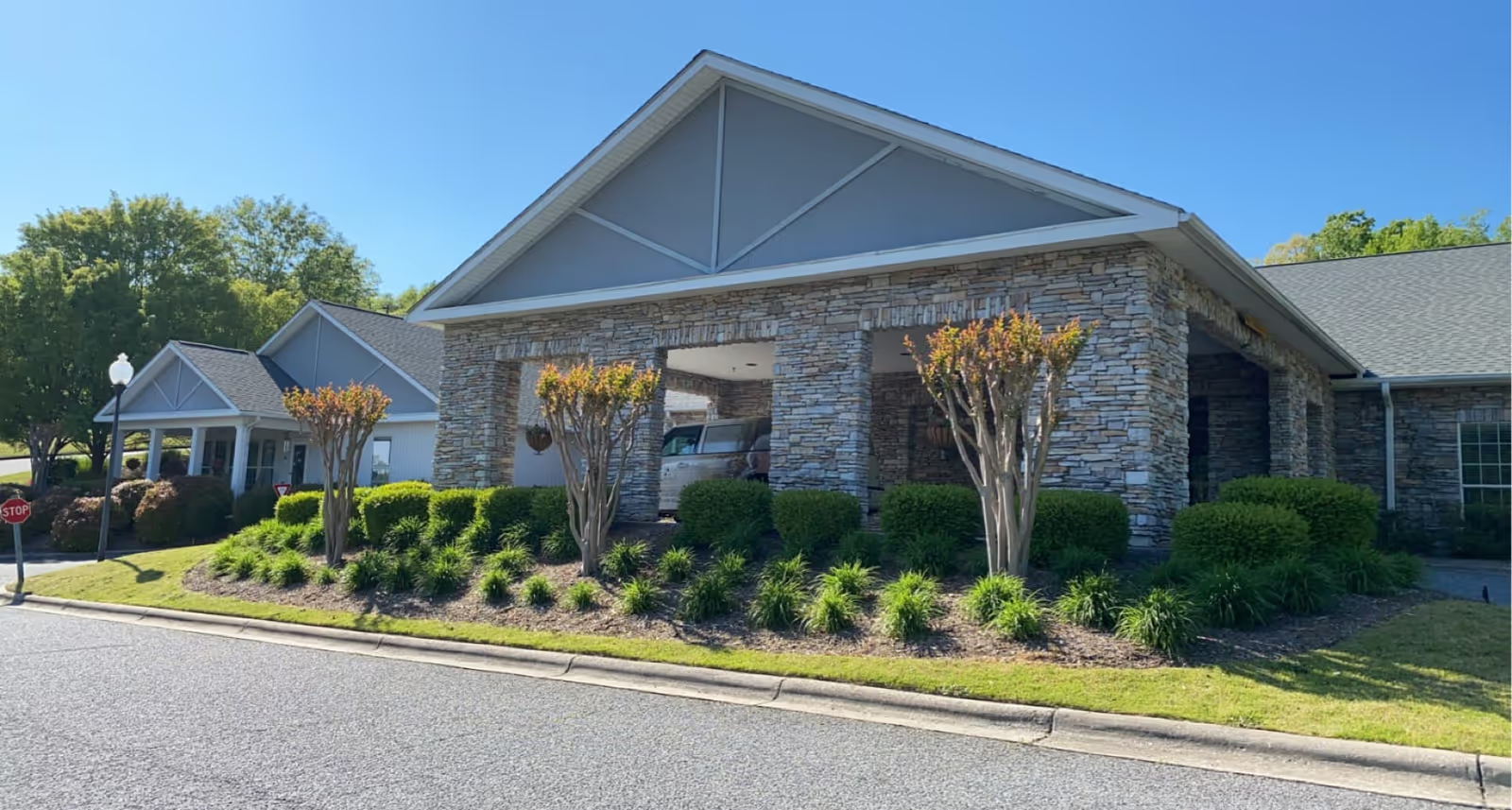
Facilities and cleanliness: Many reviewers describe the building as well maintained with home‑like furnishings, though some note outdated decor and dreary public areas. Alongside generally positive facility maintenance, there are intermittent sanitation and linen‑provision concerns (including issues in bathrooms and delays in providing linens or warm bedding) that suggest variation in housekeeping and incontinence care processes.
Management and operational patterns: Strengths include staff who are flexible with scheduling and responsive in specific roommate or family concerns. Weaknesses center on limited management visibility and communication; several accounts describe an unresponsive administrator and nursing leadership that is not consistently present on the units. Staffing variability — at times described as overwhelmed or insufficient — appears linked to many of the operational problems noted, including slower responses, inconsistent professionalism, and gaps in safety/equipment oversight.
Notable patterns and takeaways: The prevailing pattern is one of variability — individual caregivers and departments may deliver excellent, compassionate care and meaningful therapy, while system‑level issues (staffing, management visibility, care planning, dining coordination, and sanitation processes) produce unpredictable resident experiences. Prospective residents and families should weigh the facility's strengths in therapy and individualized caregiver relationships against these operational inconsistencies, and consider asking targeted questions about clinical assessment processes, staffing levels on specific shifts, dietary accommodation procedures, and leadership presence during tours.