Overall impression: Reviews portray a facility with clear strengths in rehabilitation, attentive bedside care, housekeeping, and activity programming, alongside recurring operational weaknesses that prospective residents and families should evaluate. Positive comments consistently highlight effective physical therapy, caring nurses and therapy staff, a generally clean environment, and engaged recreation leadership. These strengths suggest the center can support short-term rehab goals and provide a respectful daily environment for many residents.
Care and clinical oversight: Physical therapy and rehab receive frequent praise for skill and outcomes, and many families described compassionate nursing care and helpful social-work support during transitions. At the same time, reviews indicate variability in clinical oversight and level-of-care alignment: some residents were transferred when needs exceeded the facility’s capacity, and others reported delayed responses to acute events or concerns about wound and infection management. There are a small number of serious allegations and concerns following a resident’s death; these are isolated in context but are significant and point to the need for families to ask detailed clinical-oversight and incident-response questions before placement.
Staff, communication, and conduct: Numerous reviewers named individual caregivers and described personalized, respectful interactions, indicating strong relationships between staff and residents in many units. Conversely, there are reports of inconsistent staff conduct (including tone and communication style), unclear caregiver assignments, and gaps in discharge coordination and family communication. These patterns suggest variability in staff training, supervision, and consistency from shift to shift.
Dining, housekeeping, and ancillary services: Housekeeping and front-desk teams are consistently praised and the facility is commonly described as clean and well maintained. Dietary feedback is mixed—some families appreciated dietary support, while others described inconsistent or unsatisfactory food quality. Prospective residents should confirm current menu options and meal-service practices during visits.
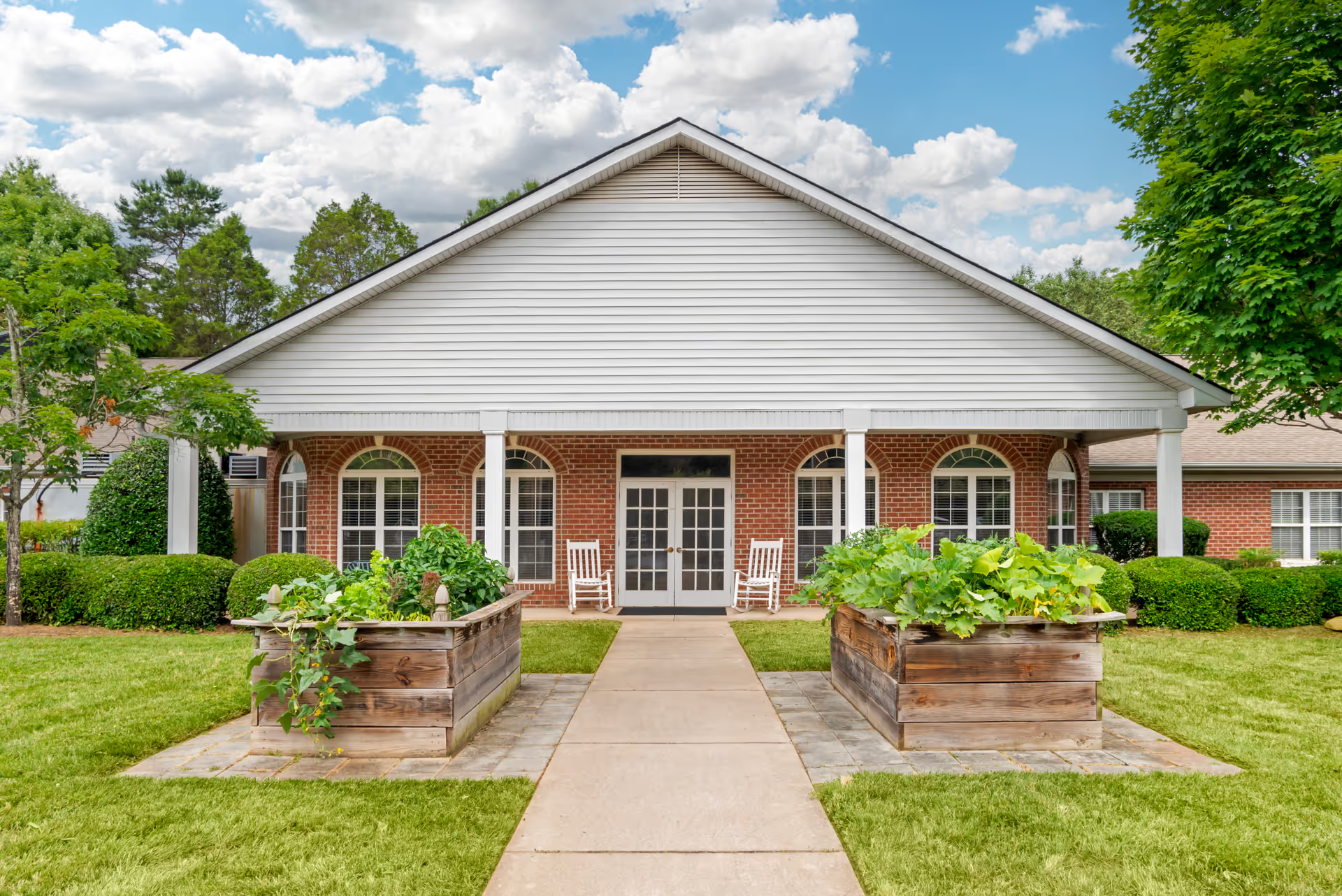
Activities and resident engagement: Recreation and activities programming are a repeated positive, with mentions of remodeled therapy spaces, engaging events, and staff who keep residents entertained and social. A minority of comments described an institutional atmosphere or insufficient recreational variety for certain residents, indicating that programming may meet the needs of many but not all.
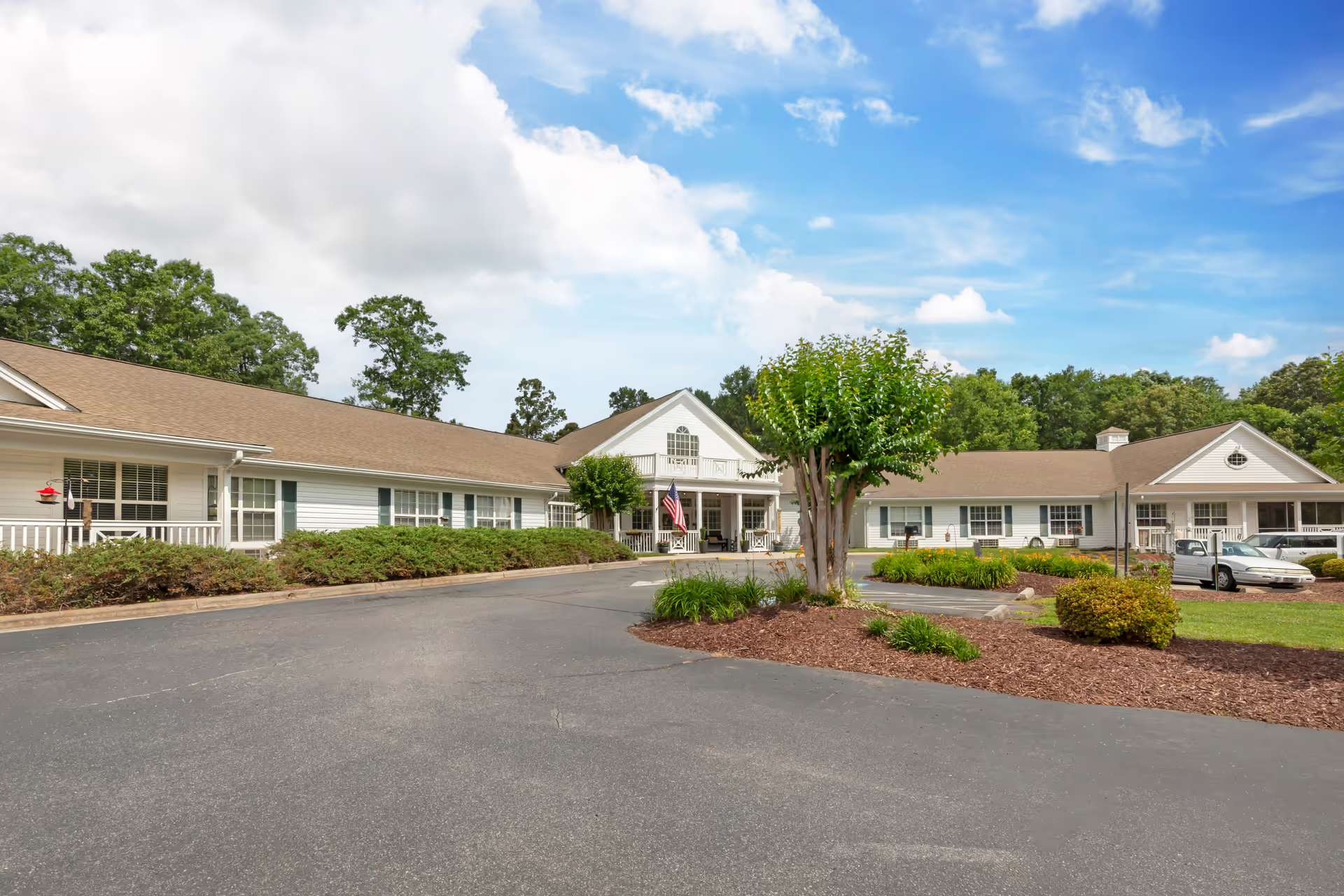
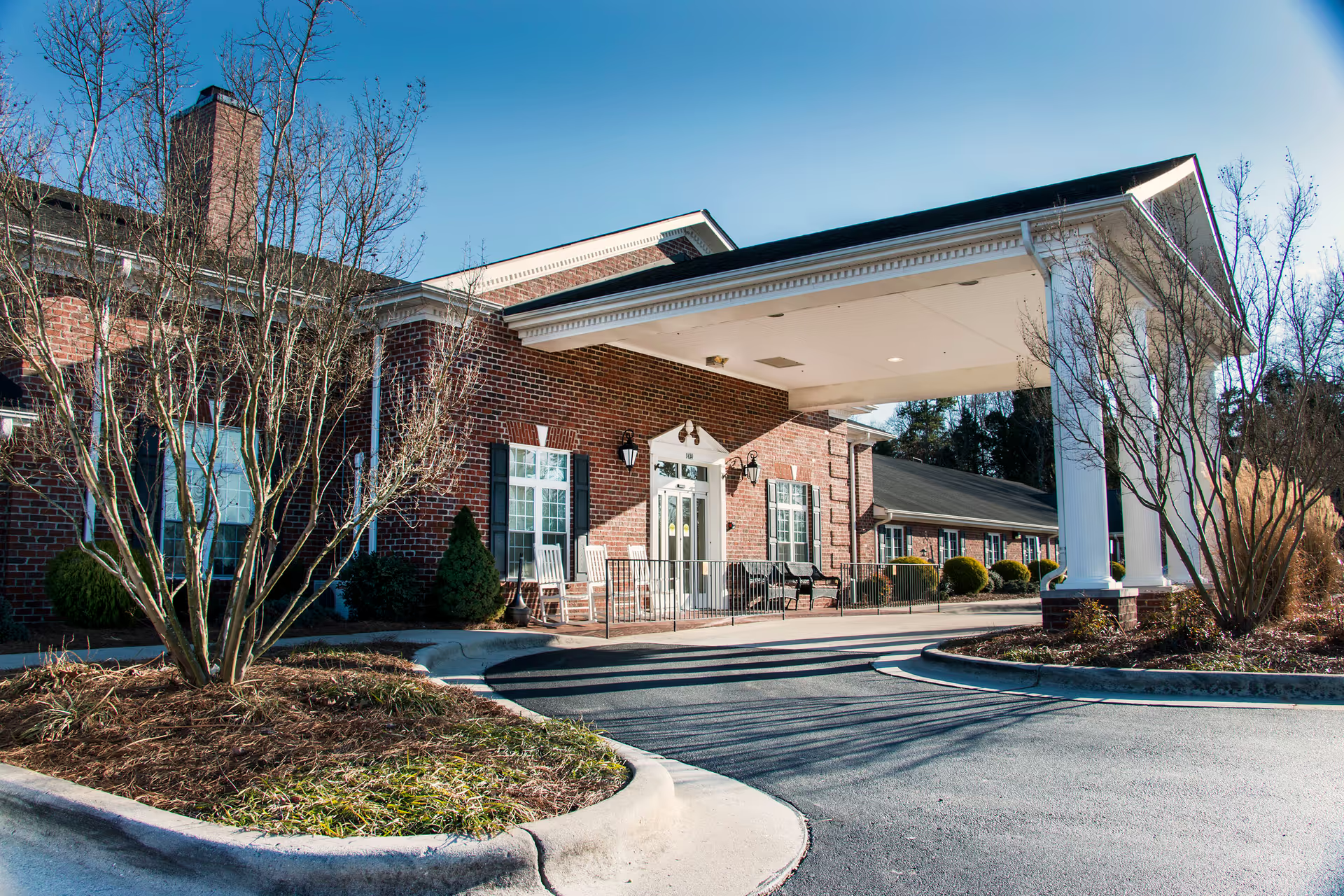
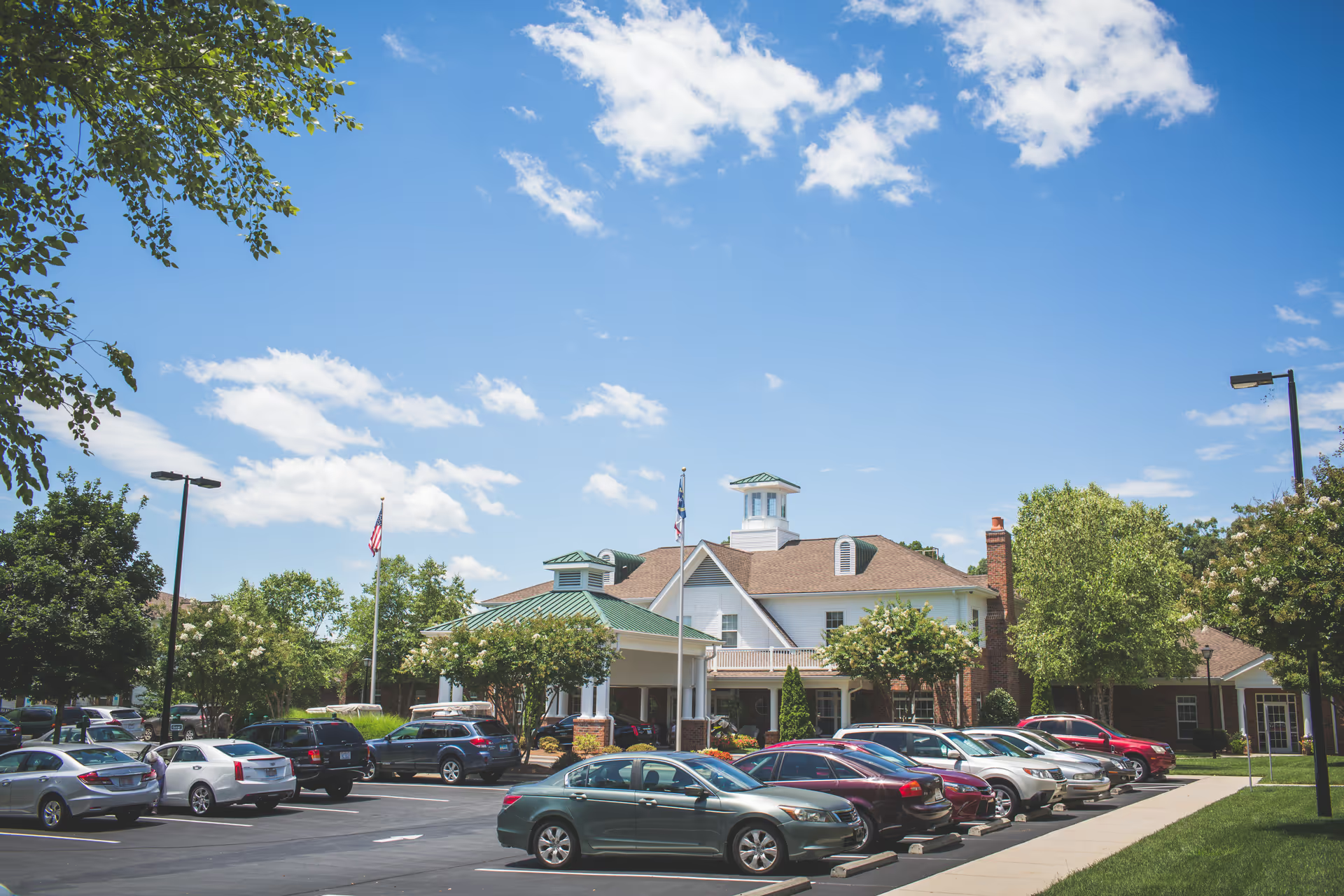
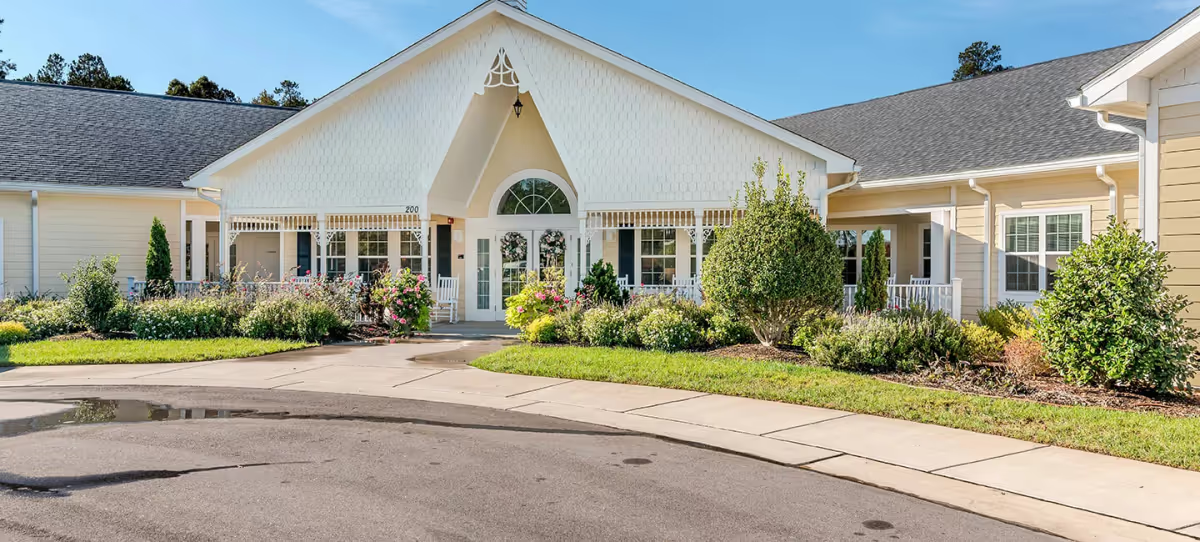
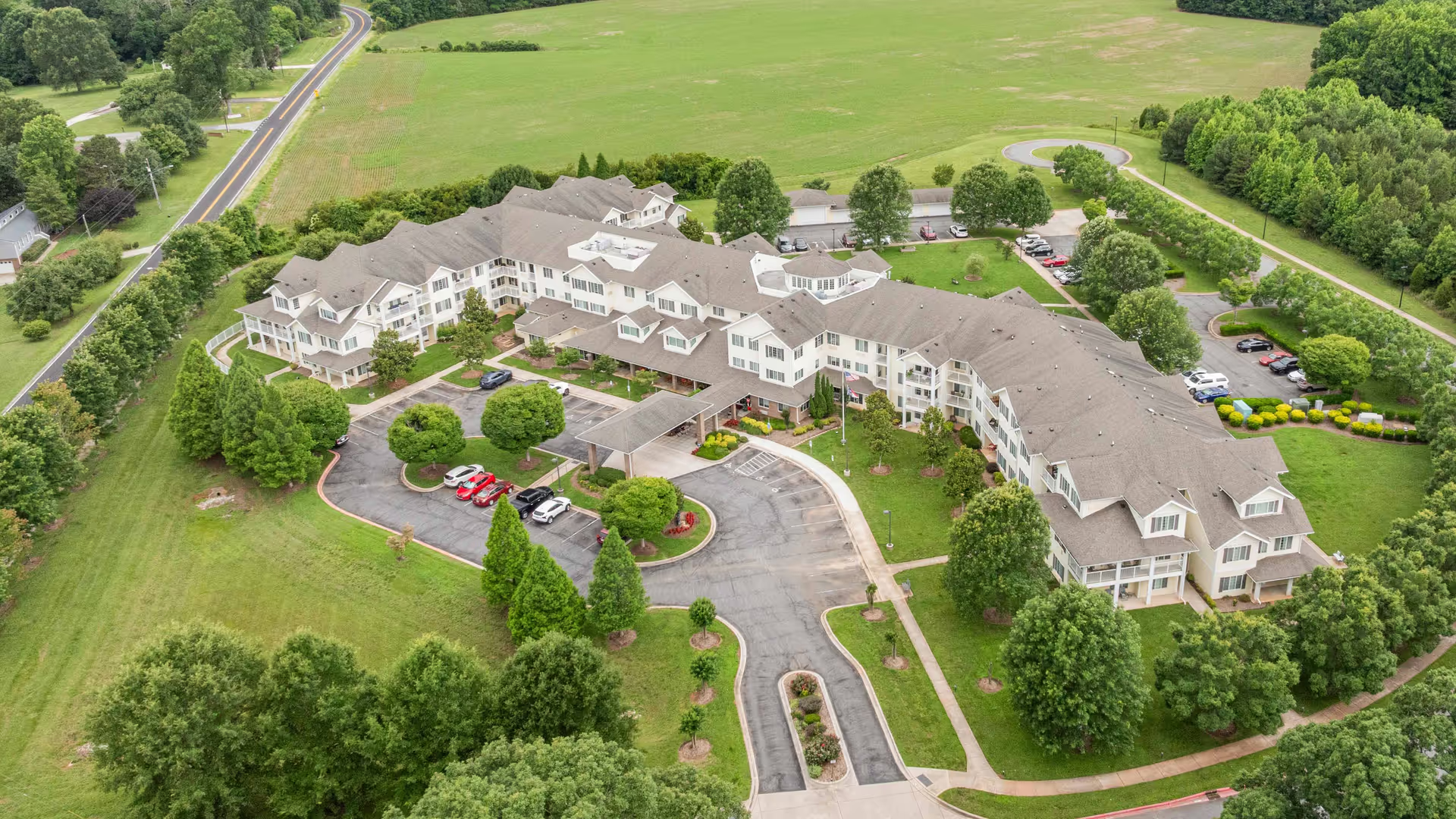
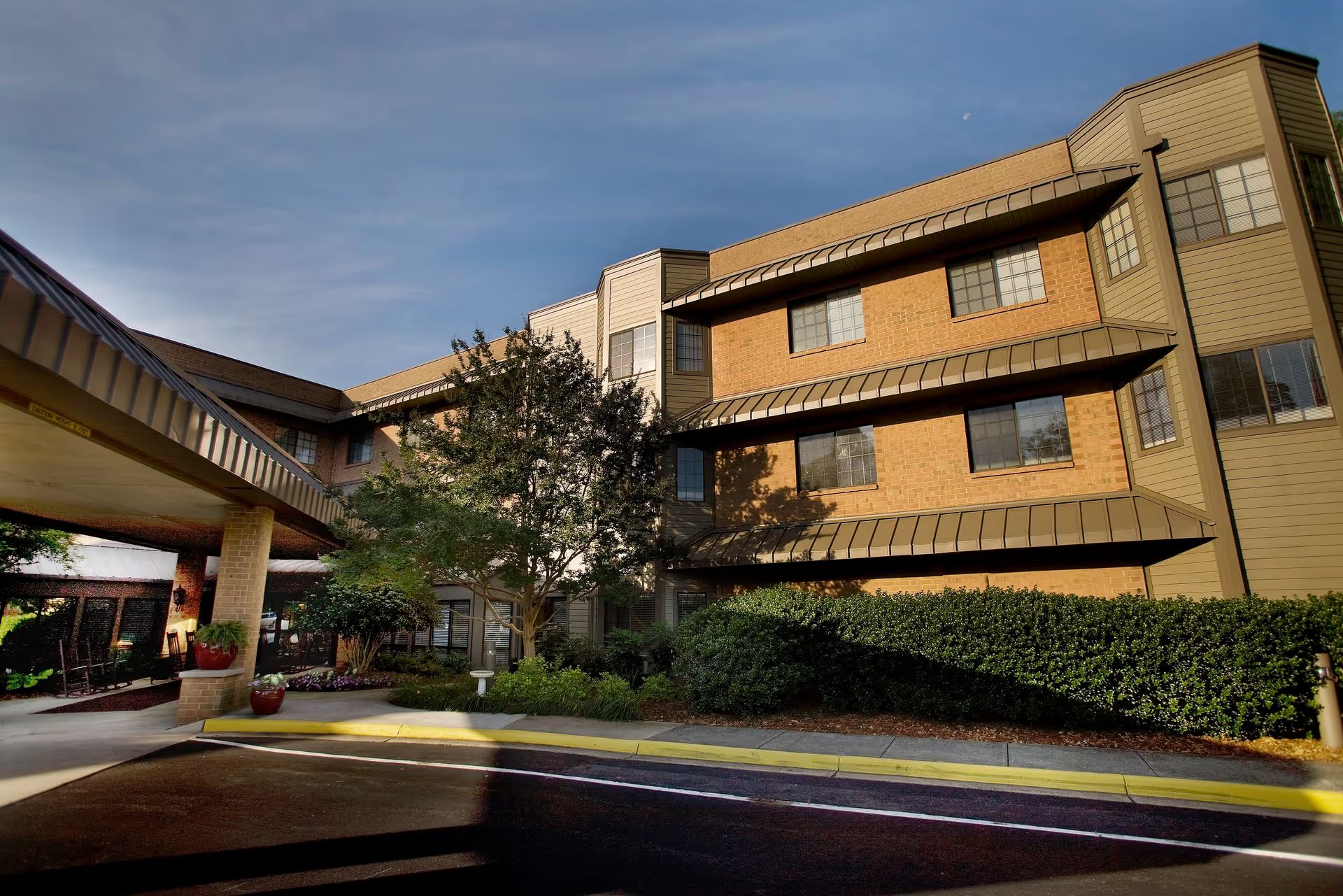
Facilities, policies, and management patterns: The building is often described as clean but aging; practical issues include smaller rooms and shared bathrooms in some units. Reviewers also raised operational concerns such as inconsistent enforcement of facility policies (for example, around smoking), variability in therapy availability relative to advertised services, and questions about billing transparency (including bed-hold and transfer charges). Infection-control concerns were raised in a few accounts and should prompt prospective families to inquire about current infection-prevention protocols and pest-control measures.
Recommendation: For families considering this center, the facility shows demonstrable strengths in rehabilitation, compassionate caregiving, housekeeping, and recreation. However, the pattern of variable clinical oversight, occasional delays in emergency responsiveness, mixed dining experiences, and infrastructure limitations means an in-person visit and focused questions are important. Ask about current staffing ratios, infection-control procedures, therapy schedules and guarantees, discharge and transfer policies, incident-reporting practices, and billing details to confirm whether the facility’s operational approach aligns with the prospective resident’s needs.