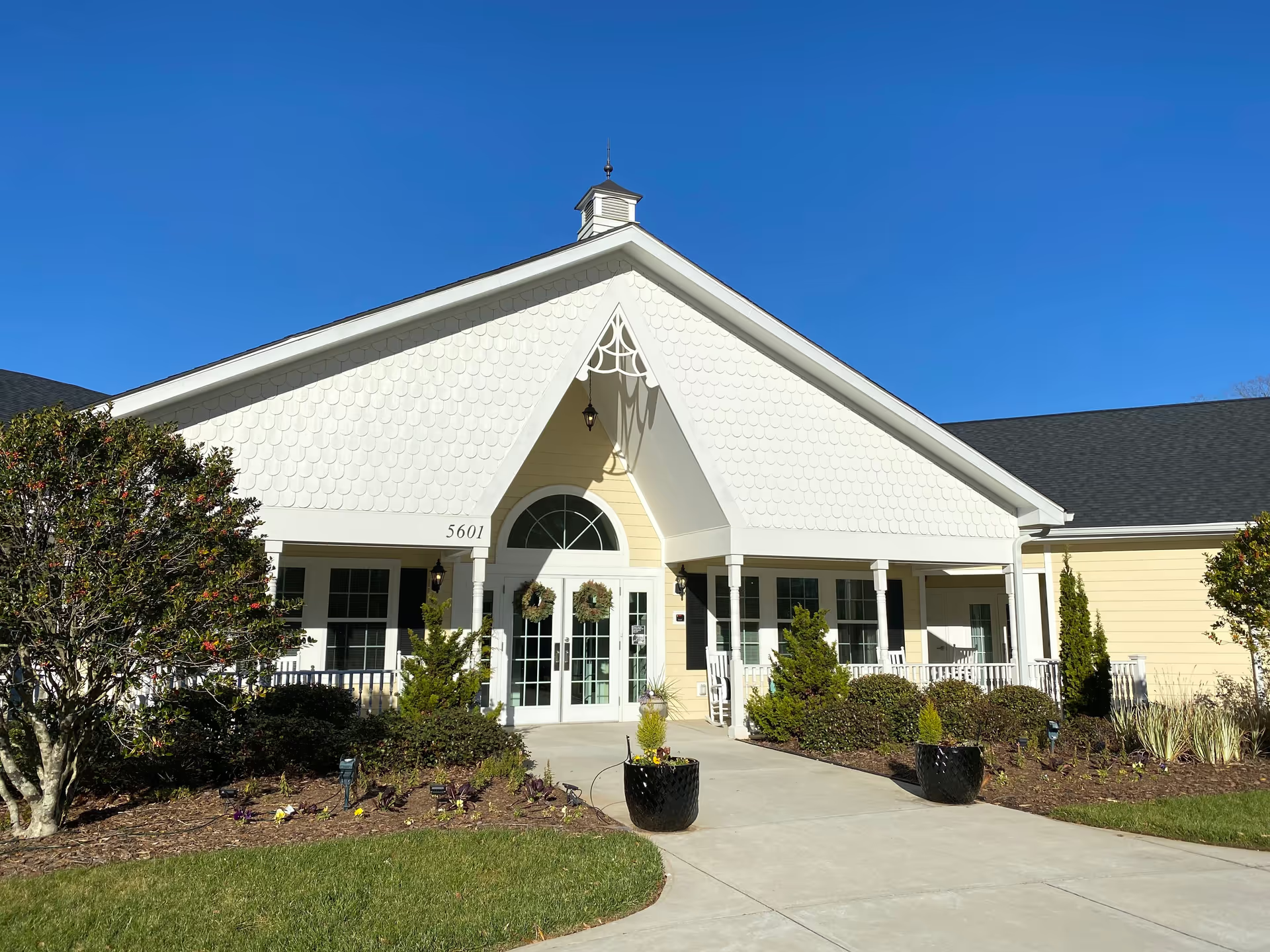
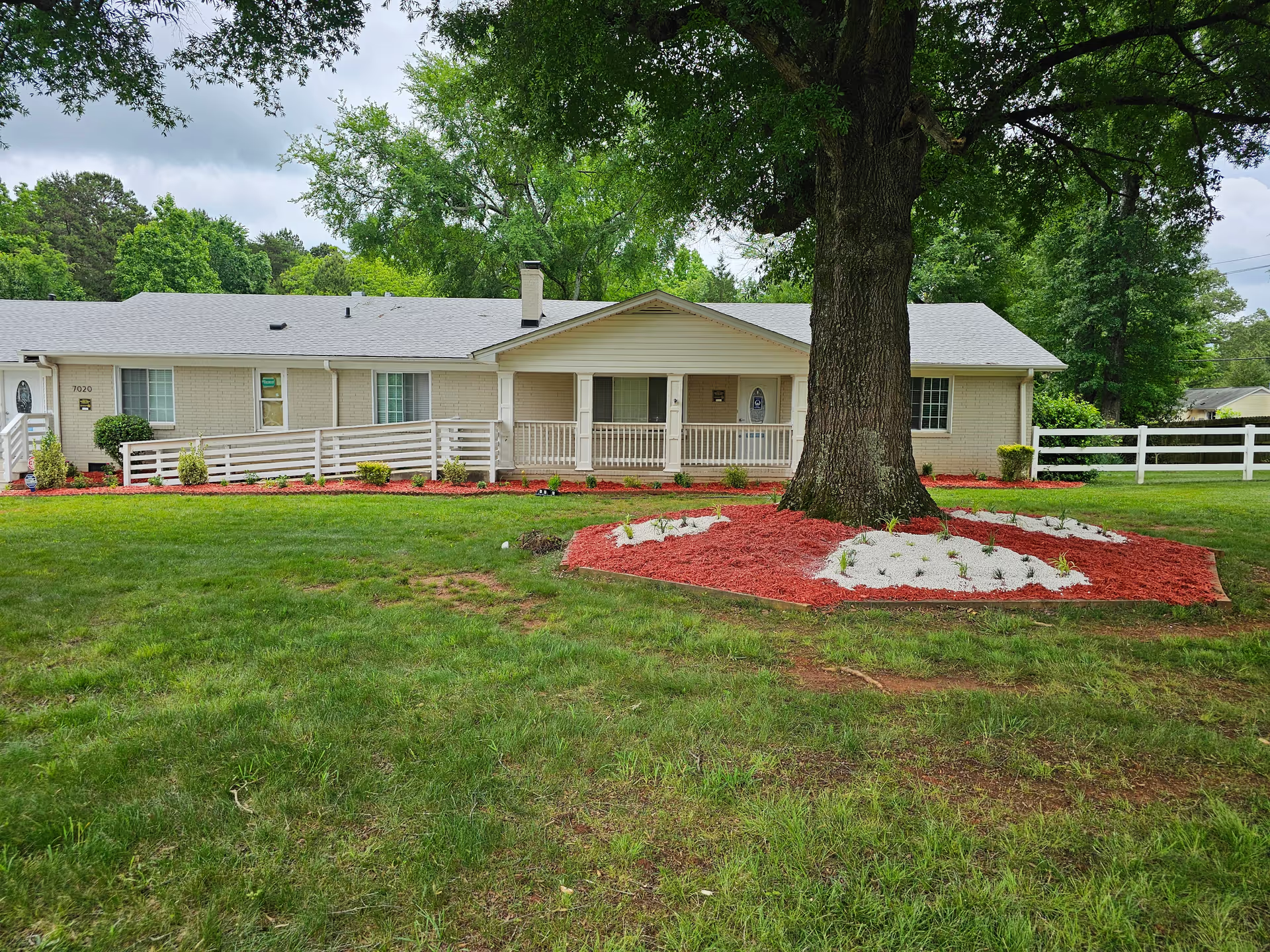
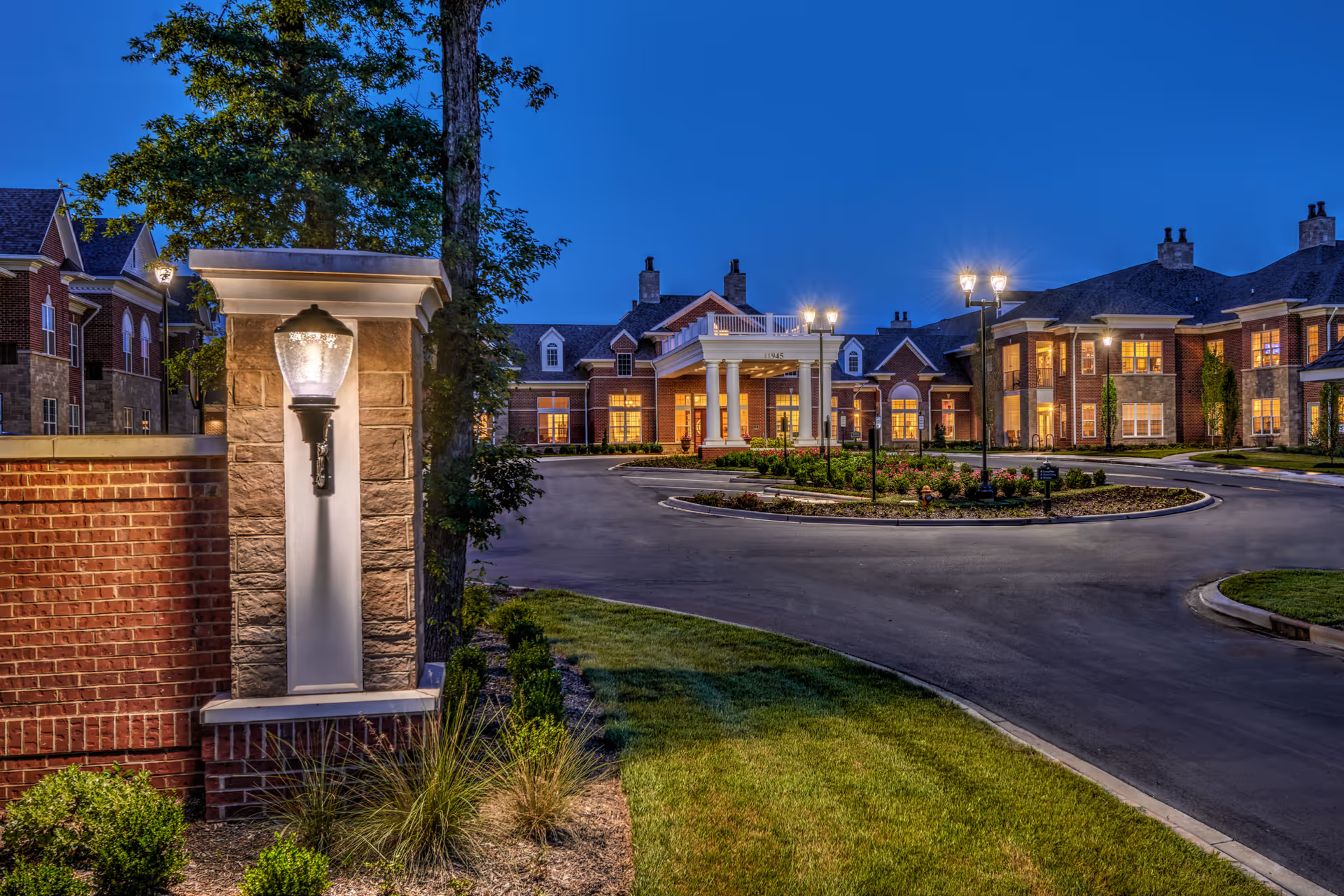
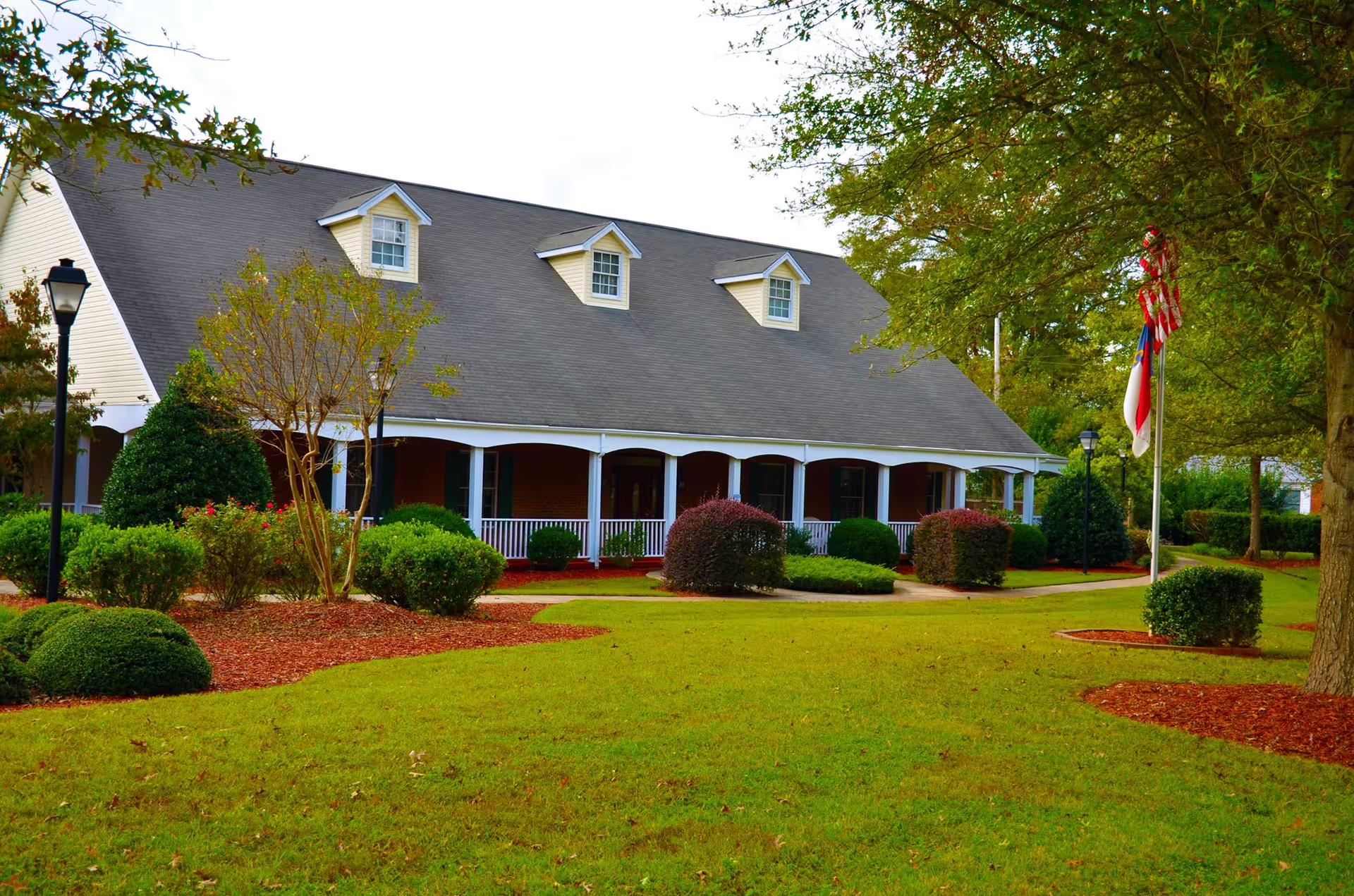
Autumn Care of Marshville presents a mixed but predominantly positive profile in several operational areas. Strengths most consistently described include a compassionate direct-care workforce, a well-regarded therapy program (PT/OT) with low turnover, and a clean, well-maintained physical environment. Admissions and administrative staff are frequently singled out as helpful and accommodating, and families commonly report that the setting provides reassurance and a family-like atmosphere. Activities programming, social engagement, and steady wound-care/therapy scheduling are recurring positives that support rehabilitation and resident wellbeing.
Clinical care ratings are varied. The therapy team and rehabilitation outcomes receive strong, consistent praise; reviewers describe improved strength and coordinated therapy plans. Nursing care and bedside assistance are more inconsistent in the accounts provided. Multiple reviews describe delays in assistance for toileting and other personal needs, variability in night-shift performance, and concerns about how acute changes in condition are managed. There are a small number of serious complaints, including allegations of significant care incidents and concerns following a resident's death; these appear isolated but warrant careful inquiry by prospective families. Medication administration is often timely during daytime shifts, but reviewers also flagged gaps in acute-care responsiveness and communication when higher-acuity issues arise.
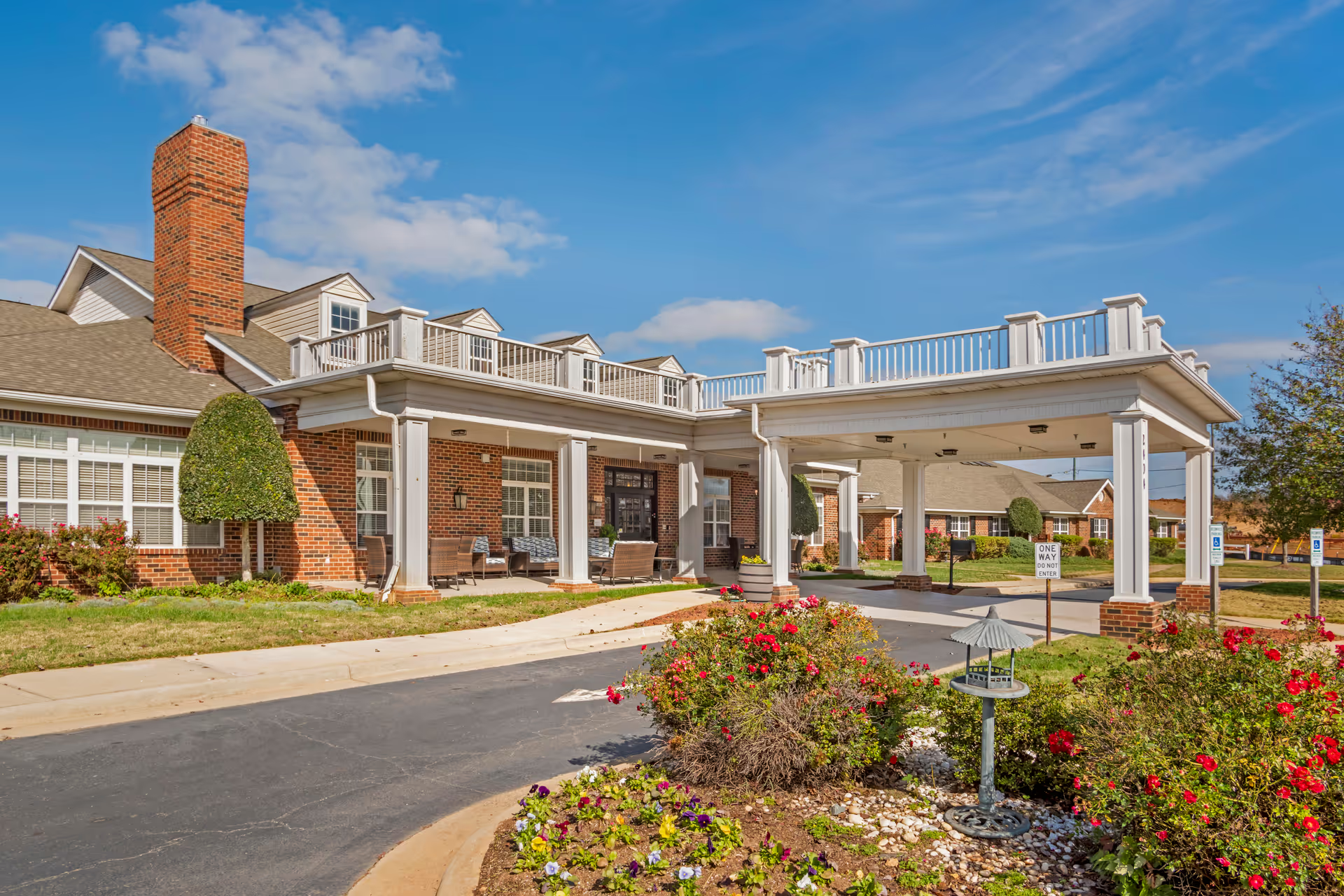
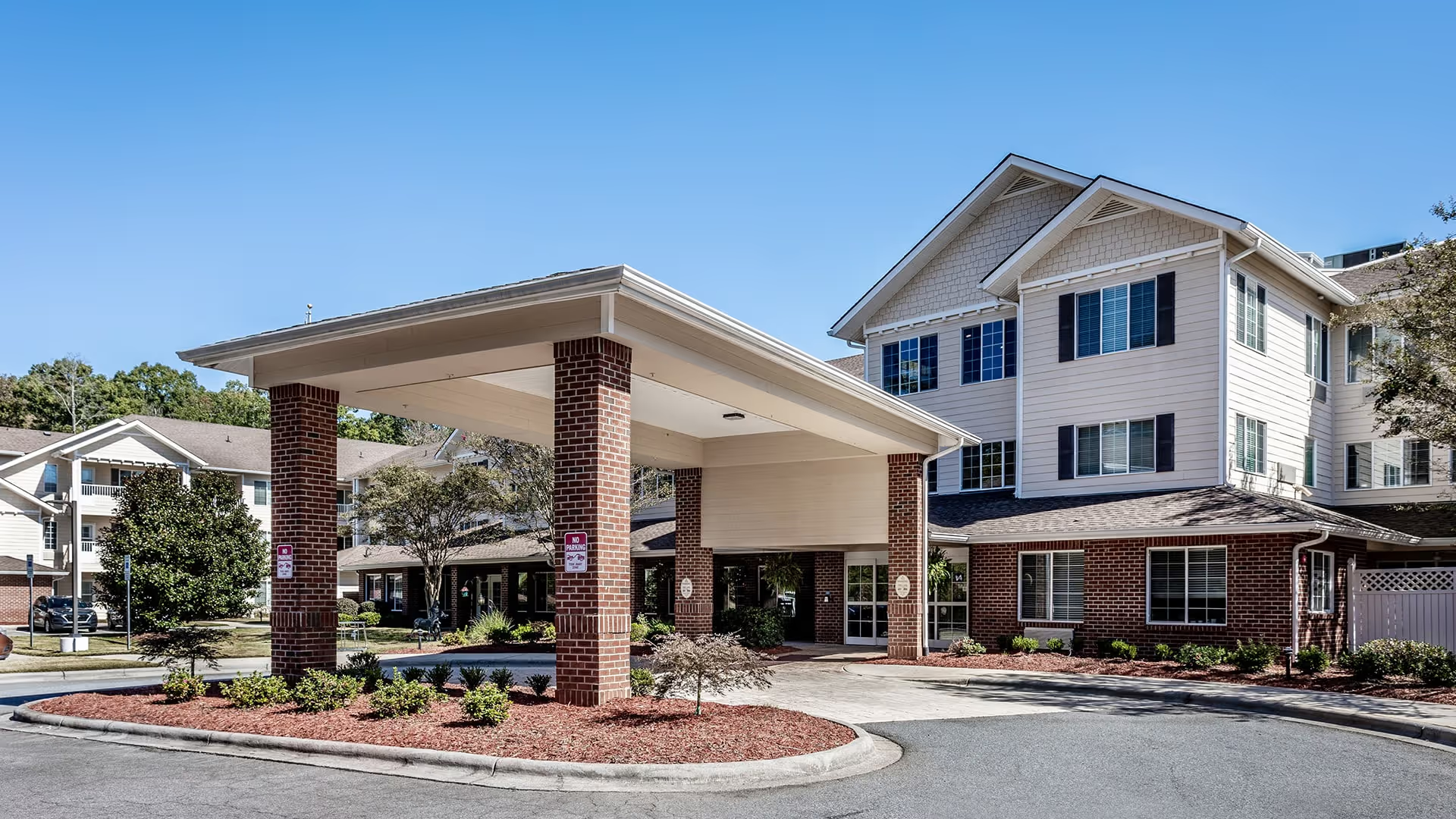
Dining and activities show mixed impressions. Activity options, faith-based programming, and social opportunities receive positive feedback and are noted as meaningful to residents. Dining is described variably: breakfast frequently receives favorable comments, while lunch and dinner quality is sometimes described as bland or inconsistent. Facilities are commonly described as clean, welcoming, and well-kept, with an uplifting atmosphere and accommodating visitation when infection-control constraints are not in effect.
Management and operational patterns are mixed. Leadership and certain managers are praised for responsiveness and hands-on support, and therapy leadership stability is highlighted as an advantage. Conversely, several families described billing errors, administrative inaccuracies, and occasional communication gaps around care updates and discharge/return-to-facility processes. Understaffing at the CNA/bedside level—particularly on night shifts—emerges as a recurring operational weakness tied to delayed assistance and uneven resident experience.
Notable patterns for prospective families: the facility excels at rehabilitation, therapy consistency, and creating a warm, community-oriented environment, which can be particularly valuable for short-term rehab stays. However, those considering long-term placement or residents with higher nursing acuity should assess current staffing levels, night-shift coverage, clinical escalation protocols, medication management practices, and billing procedures. Asking for recent staffing ratios, examples of how acute events are communicated to families, and clarification of visitation policies during infection-control events will help determine whether Autumn Care of Marshville’s strengths align with an individual resident’s needs.