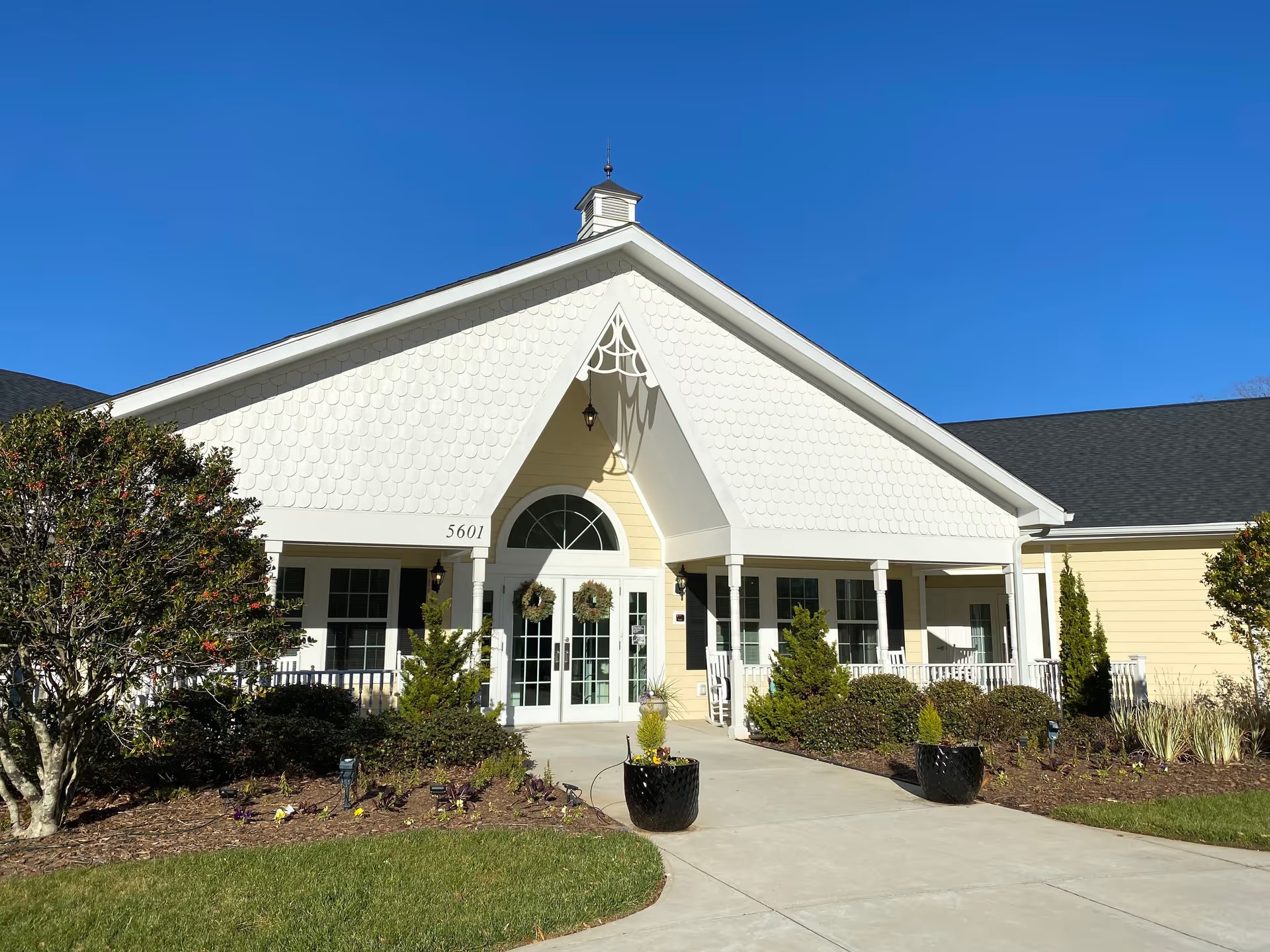
Overall impression: Reviews convey a mixed but specific pattern. Many families and clinicians praise Carrington Place for its clinical rehabilitation capabilities and the competence of its therapy and nursing teams. At the same time, reviewers describe operational inconsistencies that can affect day-to-day comfort and patient experience. Prospective residents and families can expect solid short-term rehab services but should be aware of variability in some routine-care and administrative areas.
Care and clinical quality: The facility earns consistent praise for its rehabilitation program and clinical knowledge. Physical, occupational, and speech therapists are frequently described as effective and engaged, and nursing staff are often characterized as compassionate and responsive when present. Several families noted positive medical-management interactions that helped with discharge planning and chronic-condition education. However, there are concerning operational patterns: intermittent lapses in medication administration, inconsistent bathing and incontinence-care schedules, and variability in end-of-life/palliative responsiveness. These issues appear linked to staffing fluctuations rather than lack of clinical skill.
Staffing and management: Reviews highlight both strong individual leaders (admissions coordinators, a director of nursing, and named nurses) and recurring staffing challenges. Families describe courteous, helpful front-line staff and supervisors, yet also cite periods of understaffing, slow buzzer responses, and insufficient night-shift monitoring. Communication gaps with attending physicians and between shifts are noted as an area needing improvement. Administrative concerns such as billing inconsistencies and variable responsiveness from leadership were also mentioned alongside praise for particular managers.
Dining and nutrition: Meals receive mixed feedback. Many reviewers find the menu varied and appetizing and appreciate efforts to provide fresh items and grocery deliveries. Conversely, there are repeated concerns about meal temperature control and the facility’s ability to reliably meet specific dietary needs; several accounts described cold or marginally warmed entrees and repeated dietitian consultations to achieve appropriate meals. Families should discuss dietary accommodations and meal-service timing in advance.
Activities and social environment: The facility offers active programming that encourages social interaction and memory-support activities; bingo and group activities were cited positively. The setting, including a garden and friendly staff-resident interactions, supports socialization and family visits. Some logistical limitations were noted, such as occasional lack of transport assistance to activities for residents requiring mobility support.
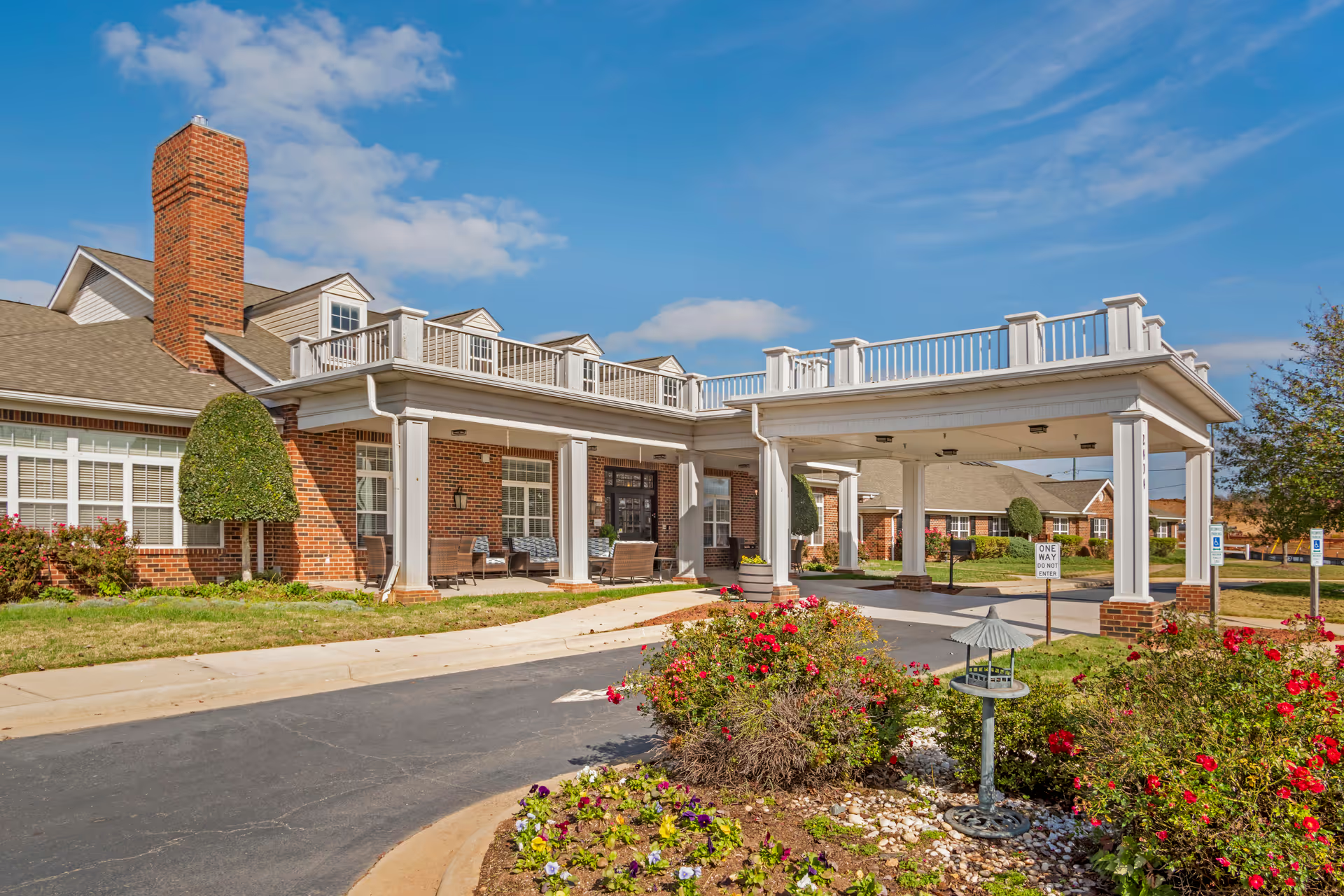
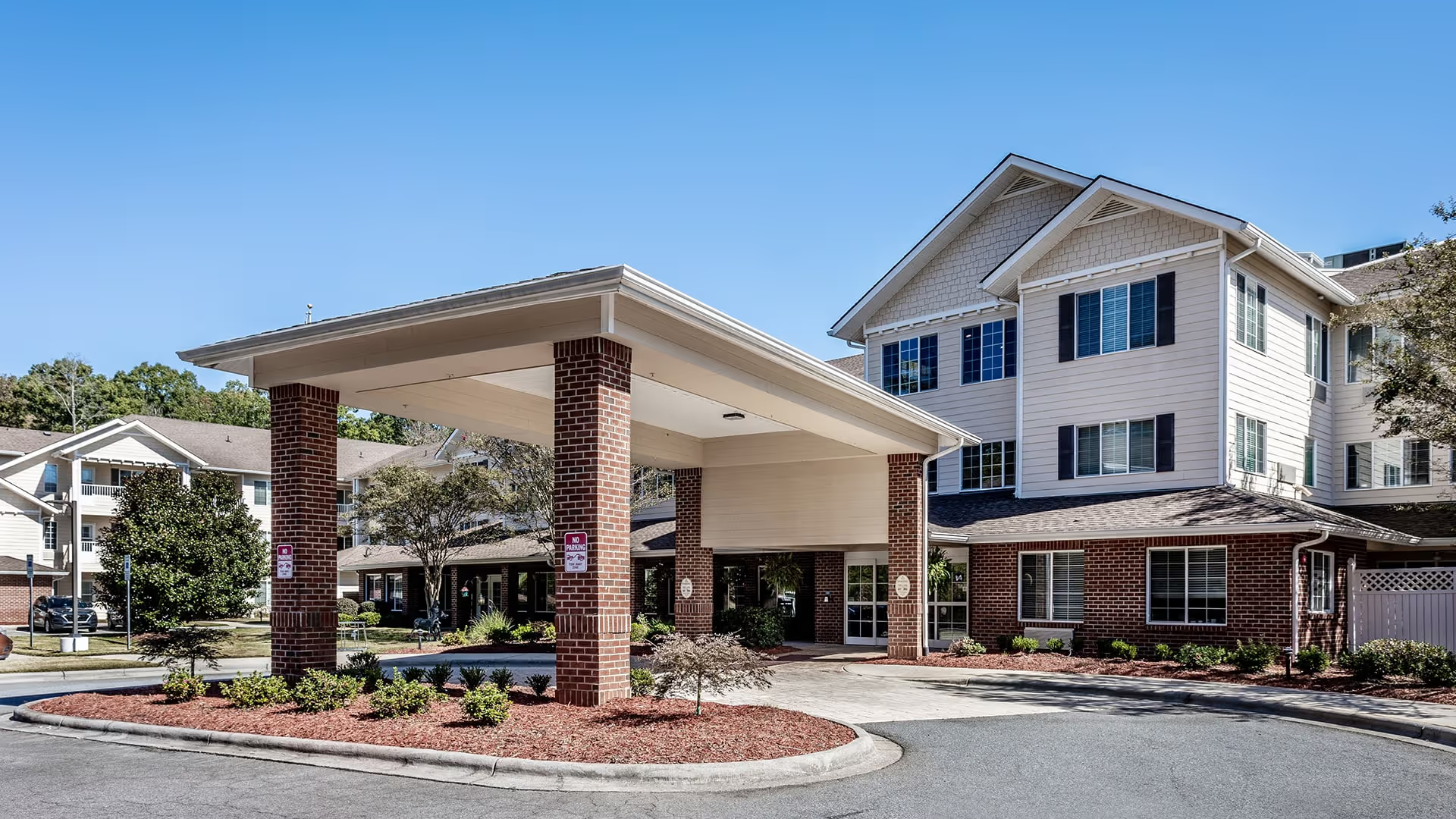
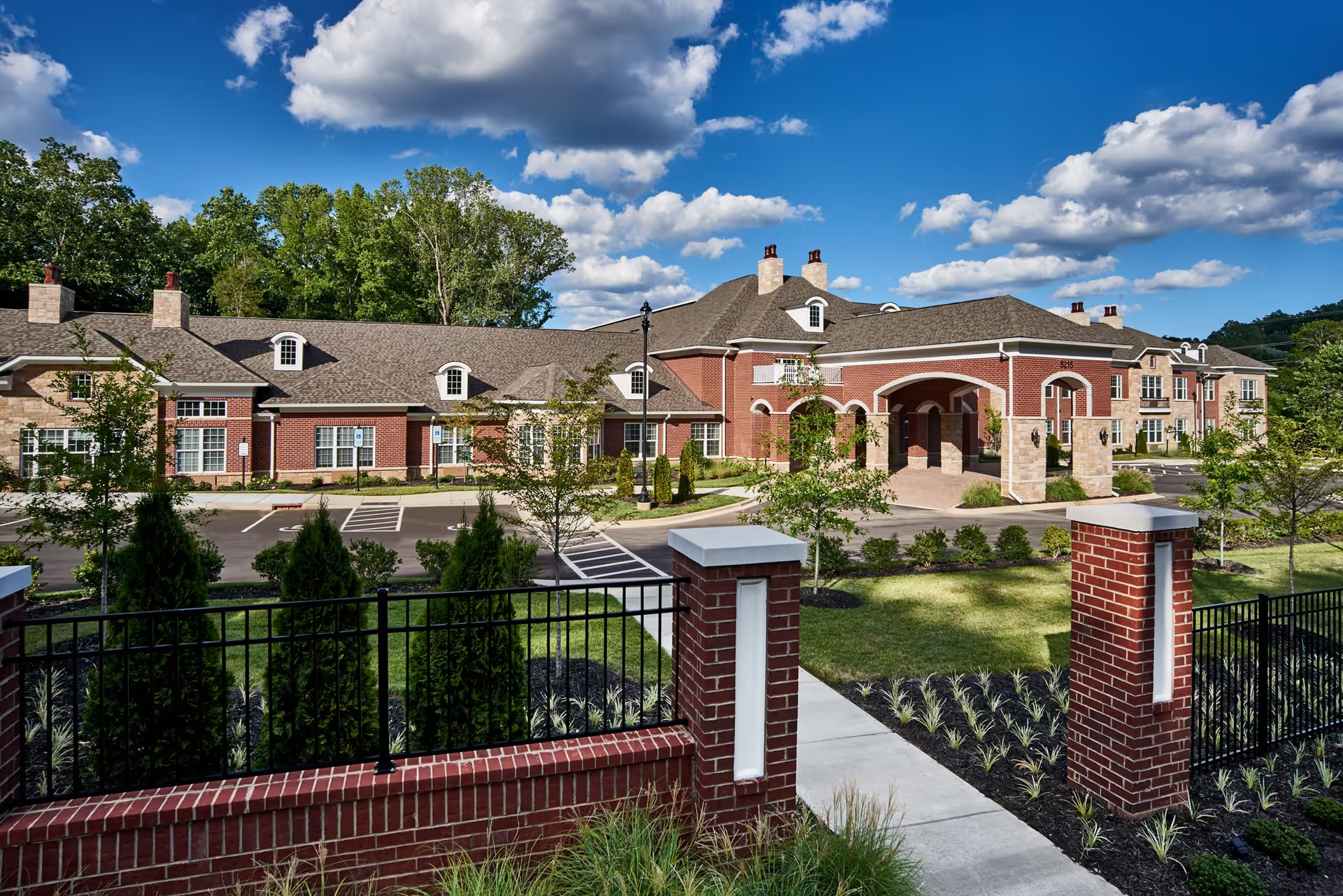
Facilities and cleanliness: Feedback is mixed. Common areas and certain hallways are described as clean and well-maintained, and ongoing remodeling has improved some spaces. At the same time, reviewers report odor concerns in some rooms and corridors and characterize parts of the building and patient rooms as dated, with suggestions for additional cosmetic upgrades. Prospective residents should tour both renovated and older areas to assess personal comfort.
Notable patterns and practical considerations: The dominant pattern is a program with strong clinical and rehabilitation capabilities that is sometimes undermined by operational variability—primarily staffing consistency, meal-service execution, and administrative follow-through. For those considering Carrington Place, the facility may be particularly appropriate for short-term rehab where therapy intensity and clinical oversight are priorities. Families placing residents for longer stays or end-of-life care may want to clarify staffing ratios, night supervision practices, medication-administration protocols, dietary accommodations, and billing processes before admission.
In summary, Carrington Place demonstrates clear strengths in therapy and clinical nursing leadership, as well as an engaging social program. Balanced against those strengths are recurring operational issues that can affect comfort and continuity of care. A focused admission conversation addressing staffing, nutrition, incontinence-care protocols, communication pathways with physicians, and billing procedures can help set expectations and mitigate some of the variability described by reviewers.